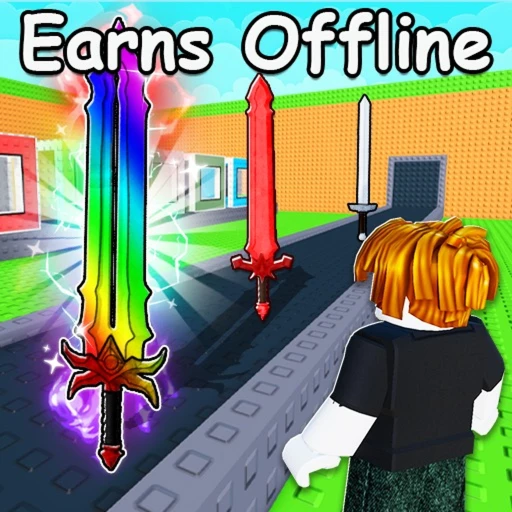
Sword RNG vs Sol's RNG (2026) — Which Roblox Game Is Better?
Both games ask you to press a button and gamble against a rarity table, but they aim at different players. Sword RNG rolls for swords you actually fight with — in dungeons and a PvP arena — while Sol's RNG rolls for auras, the visual collectibles that made it one of the biggest luck games on Roblox. This comparison breaks down the rolling and luck systems, swords versus auras, combat, progression, codes, and community size, then gives a clear verdict on which one deserves your time in 2026.
Quick Comparison
| Feature | Sword RNG | Sol's RNG |
|---|---|---|
| Genre | RNG roll + combat | RNG collection |
| You roll for | Swords (30+) | Auras (hundreds) |
| What you roll is | A usable weapon | A visual effect |
| Combat | Dungeons + arena PvP | Minimal (collection focus) |
| Luck system | Upgrades, potions, rebirth | Potions, gear, biomes |
| Content depth | Focused, quick to learn | Huge, deep, event-heavy |
| Concurrent players | ~1,000 | Tens of thousands |
| Codes | Yes (Gems, Coins) | Yes (currency, boosts) |
| Price | Free (optional passes) | Free (optional passes) |
Stats are as of July 2026 and are community and API-reported; player counts in particular swing with updates.
Rolling & Luck
The core action is the same in both: press to roll, draw against a weighted rarity table, and hope for something rare. The difference is what luck does and how you build it. In Sword RNG, luck is a stat you push up through upgrades bought with Coins and Gems, temporary Luck Potions, and permanent boosts from rebirth points. In Sol's RNG, luck comes from potions, equipped gear, and the biome you are standing in, and the rarity ceiling is far more extreme — some auras sit at odds so long they become community events when someone finally rolls one.
Sol's RNG treats rarity as spectacle. The rarest auras have astronomical odds, and the whole game is built to make chasing them feel monumental. Sword RNG is more grounded: the rarest swords are hard to get, but the roll-to-payoff loop is shorter, so you feel progress in a single session more often. That makes Sword RNG friendlier for a casual grind and Sol's RNG more rewarding for players who love an extreme long-tail chase.
Edge: Sol's RNG for depth and the thrill of extreme rarity; Sword RNG for a faster, more approachable roll loop.

Swords vs Auras
This is the fault line between the two games. In Sword RNG, what you roll is a weapon: swords have combat stats and traits, and you equip them to clear dungeons and duel in the arena. A rare sword is not just a trophy — it can make you stronger in a real fight. In Sol's RNG, what you roll is an aura: an equippable visual effect with no direct combat purpose. Its worth is entirely rarity and appearance, and the game leans into gorgeous, escalating VFX as the reward.
That changes why you chase rarity. In Sword RNG, you might grind for a sword because it clears bosses faster or wins duels; there is a functional payoff on top of the collection value. In Sol's RNG, the payoff is the aura itself — the flex, the look, the bragging rights of owning something almost nobody has. Neither is better in the abstract; it comes down to whether you want your lucky pull to do something or to simply be rare and beautiful.
Edge: Sword RNG if you want your rolls to be usable weapons; Sol's RNG if you want the deepest, most spectacular collection of pure cosmetics.
Combat & PvP
Sword RNG is half a fighting game. Dungeons are PvE runs where you take your equipped sword against mobs and bosses for currency and drops, and the arena lets you duel other players directly. The combat has real depth — timing, spacing, and knowing your sword's effects matter, and a rare blade alone will not carry a bad player. Sol's RNG, by contrast, is a collection game first; combat is minimal and not the point. You roll, craft, and admire, largely solo or alongside friends, without a competitive PvP scene.
If you like the idea of turning a lucky roll into a competitive edge, Sword RNG offers something Sol's RNG simply does not. If combat is a chore you would rather skip in favor of pure rolling and collecting, Sol's RNG removes it almost entirely. This is the single biggest reason to pick one over the other.
Edge: Sword RNG — it is the only one of the two with meaningful combat and PvP.

Progression & Depth
Sol's RNG is enormous. It carries hundreds of auras across many rarity tiers, multiple biomes that change your luck, deep crafting recipes (the famous Eclipse aura, for instance, is crafted from Solar, Lunar, and Divinus), a steady stream of events, and a large, regularly updated roadmap. It is the kind of game you can play for months and still have goals. Sword RNG is tighter: a roster of 30-plus swords, a clean roll-fight-rebirth loop, and a rebirth system that rewards permanent luck. It is quicker to understand and less overwhelming, but it will not keep you busy for as long as Sol's RNG's mountain of content.
Both games run a progression engine that compounds. In Sword RNG, rebirths convert temporary progress into permanent luck, so each reset makes the next climb faster. In Sol's RNG, better gear, biomes, and crafted items push your luck ceiling ever higher across a much longer curve. If you want a game with near-endless goals, Sol's RNG is built for the long haul. If you want to feel like you have "figured it out" and can make steady progress, Sword RNG's smaller scope is a strength, not a weakness.
Edge: Sol's RNG for depth and longevity; Sword RNG for approachability.
Codes & Community
Both games use code systems for free currency and boosts. Sword RNG codes hand out Gems and Coins for luck upgrades — see our Sword RNG codes page for the current list. Sol's RNG codes give currency and boosts as well, and both games post fresh codes around updates and milestones. On community size, though, there is no contest: Sol's RNG is one of the most-played RNG games on Roblox, with tens of thousands of concurrent players, a massive wiki, and endless video content. Sword RNG's roughly 1,000 concurrent players is a healthy, active niche — enough to keep its arena and trading alive — but it is a small world next to Sol's RNG's mainstream scale.
Earn Free Robux for Either Game
Whichever RNG game you pick, game passes need Robux. Earnaldo lets you earn free Robux by completing simple tasks — no survey spam, no downloads, just real rewards for luck and speed passes.
The Verdict
Sol's RNG is the better all-around game if you want depth: hundreds of auras, deep crafting, biomes, events, and a huge community mean months of goals. Sword RNG is the better pick if you want your luck to matter in a fight — it is the only one of the two with real dungeon and arena combat, a shorter roll-to-payoff loop, and a smaller, friendlier scope. Choose Sol's RNG for the definitive collect-and-craft grind; choose Sword RNG for a lighter mix of rolling and fighting. There is no wrong answer, and both are free, so trying both costs nothing but time.
Frequently Asked Questions
It depends on what you want. Sword RNG pairs rolling with real combat, so you fight in dungeons and duel in the arena with the swords you pull. Sol's RNG is the bigger, deeper collection game, built around rolling hundreds of visual auras and chasing extreme rarities. Pick Sword RNG for a mix of luck and fighting, Sol's RNG for the definitive collect-and-craft grind.
In Sword RNG you roll swords, which are equippable weapons you use in dungeons and the arena, so they have combat stats and traits. In Sol's RNG you roll auras, which are equippable visual effects with no direct combat use; their value comes from rarity and appearance. One is a weapon, the other is a cosmetic collectible.
Sol's RNG has far more content. It carries hundreds of auras across many rarity tiers, biomes, crafting recipes, events, and a large update cadence. Sword RNG is smaller and more focused, with 30-plus swords and a tighter roll-fight-rebirth loop. Sol's RNG wins on sheer depth; Sword RNG wins on being quicker to grasp.
Sword RNG is built around combat, with dungeon PvE and an arena for dueling other players using your rolled swords. Sol's RNG is primarily a solo or co-op collection game focused on rolling and crafting auras, not player-versus-player fighting. If competitive combat matters to you, Sword RNG is the clear pick.
Sol's RNG is one of the most-played RNG games on Roblox and dwarfs Sword RNG in player count, wiki coverage, and video content. Sword RNG has a healthy, active base around 1,000 concurrent players, which keeps its arena and trading alive, but it is a niche pick next to Sol's RNG's mainstream scale.
Yes, both are free to play on Roblox. Each sells optional game passes for luck, faster rolling, and other boosts, and both use code systems for free currency, but neither locks core progress behind Robux. You can roll, collect, and progress in either game without spending money.
Keep Reading
Ready to pick one? Start with our Sword RNG guide and Sword RNG codes, or head to the Sol's RNG guide and the Sol's RNG hub. For more luck games, see Aura RNG and +1 Aura Per Click, or browse the Sword RNG hub. You can open Sword RNG directly on Roblox.