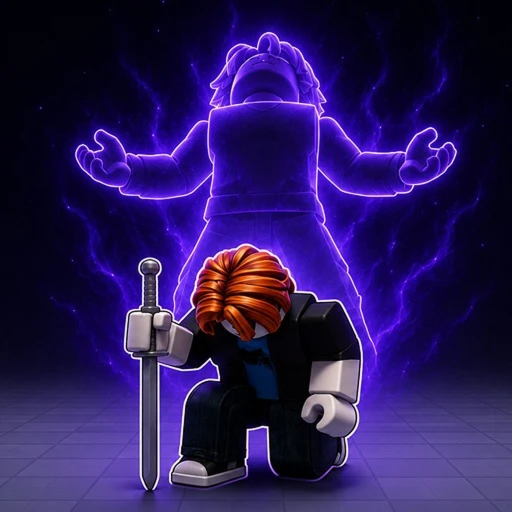
+1 DMG Per Revive Guide (2026) — Tips, Codes & Strategies
+1 DMG Per Revive is an incremental fighting game on Roblox where dying is the whole point. Every time you revive, your damage goes up permanently, so you throw yourself at monsters, die, revive stronger, and repeat. Made by Big Lemon Game Studio (place ID 110806816173057), it runs around 2,600 concurrent players, has passed 7.26M visits, and holds a 95.7% rating. This guide covers the revive-to-damage loop, climbing the Death Road and Death Tower, when to rebirth, offline growth, Weapon Stones and Prays, the current codes, and how to earn free Robux for it.
In This Guide
Getting Started
+1 DMG Per Revive is an incremental fighting grinder by Big Lemon Game Studio on Roblox place ID 110806816173057. The full in-game title is "[UPD8.2] +1 DMG Per Revive", and that update tag tells you a lot: this is a game that gets patched constantly, with new content, codes, and tuning arriving on a regular cadence. The premise is right in the name — every revive gives you +1 damage (and more as you scale), permanently. Where most games punish death, this one rewards it.
When you first load in, you start weak, with a tiny damage number and basic monsters in front of you. Do not try to play it safe. The fastest path to power is to run straight into enemies, take hits, die, and revive. Your damage carries over and climbs with every cycle, so the early game is about getting comfortable with dying on purpose. Within a few minutes of aggressive deaths you will already feel the difference, and that snowball is what keeps players coming back. As of June 2026 the game holds a 95.7% rating across 663,980+ favorites, which for an idle fighter is a strong sign the loop lands.

The Revive Damage Loop
The heart of +1 DMG Per Revive is a single, addictive cycle: fight monsters, lose HP, die, revive, and gain more damage. Each revive adds a permanent chunk to your damage stat, so the game flips the usual instinct on its head. You are not trying to survive — you are trying to die efficiently, because deaths are the currency of progress.
That means the smartest early strategy is to maximize your deaths per minute. Instead of carefully picking off one monster at a time, you want to aggro a whole crowd, let them overwhelm you, and revive the instant you go down. The faster you can cycle death and revive, the faster your damage compounds. Players who treat it like a normal action game, dodging and surviving, actually progress slower than those who lean into the chaos and rack up deaths. Once your damage is high enough that monsters stop killing you quickly, that is your signal to push deeper or rebirth.
Death Road & Death Tower
Your progression plays out across two main areas: the Death Road and the Death Tower. The Death Road is the horizontal grind — a stretch of increasingly tough monsters you push along as your damage grows. Every step deeper puts stronger enemies in front of you, which conveniently means more and faster deaths, feeding the revive loop. You keep advancing until you hit a wall: a section where the monsters out-scale your current damage and you simply cannot move forward.
The Death Tower is the vertical version of the same idea, a series of floors you climb as you get stronger. Deeper floors carry better rewards, including higher-tier rings with stronger stat potential. A practical rhythm is to clear plenty of deaths on each floor before moving up, then keep climbing until the next floor walls you. Both the Road and the Tower are designed around that ceiling-and-reset rhythm: push until you stall, then use a rebirth to come back far stronger.

Rebirth & Multipliers
Rebirth is the engine that turns a slow grind into runaway power. When you rebirth, you reset much of your progress, but in exchange you apply a multiplier to your future damage gains. Because of that multiplier, the climb back up is far faster than the first time, and you blow past your previous ceiling quickly — often within a fraction of the time it first took.
The key question is timing. Rebirth too early and you waste the run; rebirth too late and you spend ages stuck against a wall for little extra. The sweet spot is to rebirth once your damage clearly stalls — when you have pushed as far on the Death Road or up the Death Tower as your current damage allows and progress has slowed to a crawl. A reliable pattern is to climb a solid chunk of tower floors, rebirth, then repeat, stacking multipliers across multiple rebirths over a session. Each cycle makes the next one quicker.
Offline Growth
One of the reasons +1 DMG Per Revive sticks is its offline growth. The game keeps growing your power while you are logged out, so you return stronger than you left it. That turns it into a genuine idle game — you can check in for a focused session of deaths and rebirths, log off, and come back later to a meaningful chunk of accumulated progress waiting for you.
To get the most from it, set yourself up well before logging off: redeem any active codes, upgrade your main weapon, and run a rebirth so your multiplier is fresh. A strong setup before you log out means your offline gains compound on a higher base. It is a small habit that adds up over days of casual play.
Weapon Stones, Rings & Prays
Beyond raw revives, three resources shape how fast you grow: Weapon Stones, rings, and Prays. Weapon Stones are spent on upgrading your weapons, which raises the damage you gain and deal — the single most direct way to speed up the whole loop. Codes are a reliable source of Weapon Stones, which is why redeeming them early pays off.
Rings drop from deeper Death Tower floors and carry stat bonuses, with the best rolls including extras like Damage per Revive or Revive Power. You improve them with Soul Ring Rerolls, which let you reroll a ring's stats in search of better bonuses. Save your rerolls for rings pulled from the deepest floors you can reach, since those have the highest stat ceilings — rerolling a weak early ring is mostly wasted. Prays are a separate premium resource handed out by some codes and events; hold them until you understand exactly what they roll for in your current version of the game, since the system is tuned across updates.

Tips & Strategies
- Die on purpose, fast. Aggro crowds and let them kill you quickly — deaths per minute is the real progress bar.
- Upgrade one main weapon. Pour Weapon Stones into a single weapon rather than spreading them thin.
- Rebirth when you stall. The multiplier almost always beats grinding a walled run.
- Reroll deep rings only. Save Soul Ring Rerolls for high-floor rings with better stat ceilings.
- Redeem codes first. Free Weapon Stones and Prays accelerate every part of the loop.
- Set up before logging off. A fresh rebirth and upgraded weapon maximize your offline growth.
- Chase Damage per Revive and Revive Power. Prioritize ring stats that boost the core loop directly.
Game Passes
+1 DMG Per Revive is free to play, with optional game passes that speed up the grind. Based on community listings and the in-game shop as of July 2026, the lineup typically includes convenience boosts such as an auto-fight pass (so your character keeps fighting and dying without manual input), a luck multiplier for better ring rolls, and revive or damage multiplier passes that increase how much you gain per cycle. Exact names and Robux prices shift with each update, so confirm the current cost in the in-game store before buying — we are not quoting specific prices here because they change too often to state reliably.
For most players, an auto-fight-style pass is the standout, because it turns the game into a true idle grinder that progresses while you do other things. The multiplier passes are nice accelerators but never required — the entire revive-and-rebirth loop works fully free, and codes hand out the key resources. Treat passes as time-savers, not gates.
Active Codes
Yes — +1 DMG Per Revive has a working code system, and codes give Weapon Stones, Death Coins, Soul Ring Rerolls and Prays rather than direct damage. As of June 2026, codes such as deathcoin (widely cited as the best bundle), title, happybirthday, and update8 are listed as active, while older codes like welcome and visits1m have expired. Codes are case-sensitive and redeemed through the in-game Shop menu — open the Shop, find the code box, paste a code, and press Verify. Reward amounts vary between trackers, so confirm them in-game. We keep the verified list current on our +1 DMG Per Revive codes page.

How to Earn Free Robux for +1 DMG Per Revive
The most useful passes here — auto-fight, luck, and the revive multipliers — all cost Robux. If you would rather not spend out of pocket, you can earn Robux through Earnaldo by completing simple tasks and put it toward whichever pass fits your grind. Here is how Earnaldo works. If you like fighting and progression games, our Anime Fighting Simulator guide and the best Roblox games of 2026 are good next reads.
Earn Free Robux While You Grind
Want the auto-fight or luck pass without spending? Earnaldo lets you earn free Robux by completing simple tasks — no survey spam, no downloads, just real rewards.
Frequently Asked Questions
+1 DMG Per Revive is an incremental fighting game by Big Lemon Game Studio (place ID 110806816173057). You fight monsters, lose HP, die and revive, and every revive permanently increases your damage. You climb the Death Road and Death Tower, rebirth to multiply your power, and keep growing even while offline. As of June 2026 it runs around 2,600 concurrent players with 7.26M+ visits and a 95.7% rating.
Each time your character dies and revives, you permanently gain more damage that carries across the whole run. The intended loop is to die often: throw yourself at monsters, let them kill you, revive, and repeat, because deaths are the fuel that grows your damage rather than something to avoid.
Rebirth once your damage stalls and you hit a wall you cannot push past on the Death Road or Death Tower. A rebirth resets your progress but applies a multiplier to your future damage gains, so you quickly blow past your old ceiling. A common rhythm is rebirthing after clearing a chunk of tower floors, then repeating.
Weapon Stones are used to upgrade your weapons for more damage, while Prays and Soul Ring Rerolls let you reroll ring stats for better bonuses such as extra Damage per Revive or Revive Power. Codes are a steady source of all three, which is why redeeming them early matters.
Yes. The game keeps growing your power while you are offline, so you return stronger than you left. That makes it a good idle game to check in on between sessions, and a strong rebirth setup before logging off compounds your offline gains.
Yes. Codes give Weapon Stones, Death Coins, Soul Ring Rerolls and Prays. As of June 2026 codes such as deathcoin, title, happybirthday and update8 are listed as active. Codes are redeemed in the Shop menu and are case-sensitive. See our codes page for the current verified list.
No. The core revive-and-rebirth loop is fully free, and codes give free resources. Game passes such as auto-fight, x2 luck and extra revive multipliers speed up the grind but are convenience boosts, not requirements, so a free player can climb the Death Tower with patience.
Aggro as many monsters as you can and let them kill you quickly, since deaths per minute is what drives damage growth. Redeem all active codes for Weapon Stones, upgrade one main weapon, and rebirth as soon as your progress stalls to apply the multiplier and surge past your previous best.
About This Guide
This guide is based on the live version of +1 DMG Per Revive (place ID 110806816173057) by Big Lemon Game Studio as of July 2026 (UPD8.2), drawing on the in-game experience, the official experience description, and community guides. As a frequently updated game, mechanics, passes, prices, and codes can change — confirm current details in-game. You can open the game on Roblox. See also our +1 DMG Per Revive hub, the codes page, and the +1 DMG Per Revive vs Anime Fighting Simulator comparison.