Slime RNG vs Sol's RNG (2026) — Which Roblox RNG Game Is Better?
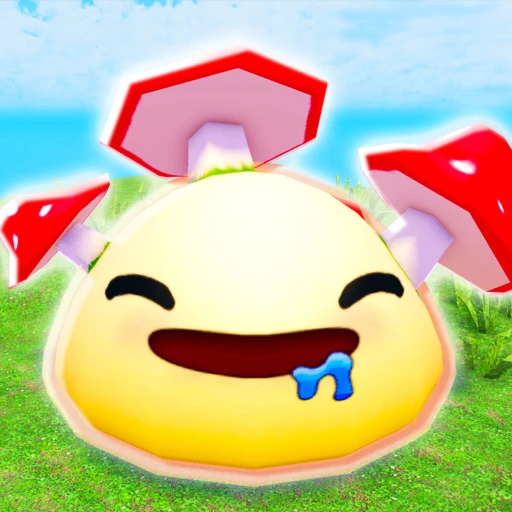
Slime RNG and Sol's RNG are the two biggest luck-based RNG games on Roblox right now, and they compete for the same audience of players who get a genuine rush from chasing impossible odds. Slime RNG by Stouts Studio launched in February 2026 and exploded to over 300 million visits in just three months, hitting a record-breaking 1.2 million concurrent players on May 16, 2026. Sol's RNG by Sol's Studio has been building its player base since 2024 and sits at over 1.8 billion total visits with a loyal community that has stuck around through 21 Eon updates.
Both games ask you to do the same thing at a fundamental level: press a button, watch a random number generator decide your fate, and pray you land something rare. But the way each game wraps that core mechanic in progression systems, visual design, and community features creates two distinctly different experiences. This comparison breaks down the rolling mechanics, aura and slime systems, player counts, game passes, community features, and update cadence so you can figure out which one deserves your time — or whether both belong in your rotation.
Slime RNG vs Sol's RNG — Quick Stats (2026)
| Category | Slime RNG | Sol's RNG |
|---|---|---|
| Genre | Luck-Based RNG / Collector | Luck-Based RNG / Collector |
| Place ID | 92416421522960 | 15532962292 |
| Developer | Stouts Studio | Sol's Studio |
| Concurrent Players | 280K+ (1.2M peak) | 50K–112K peak |
| Total Visits | 300M+ | 1.8B+ |
| Launch Date | February 2026 | 2024 |
| Core Loop | Roll slimes, rebirth, upgrade luck | Roll auras, brew potions, raid bosses |
| Key Features | Slime collection, rebirth system, Goop crafting | 400+ auras, biomes, boss raids, crafting |
| Trading System | No direct trading | No direct trading |
| Mobile-Friendly | Yes | Yes (complex UI) |
| Free-to-Play | Yes | Yes |
Rolling Mechanics — How Does Each Game Handle RNG?
Slime RNG
The rolling system in Slime RNG is about as pure as RNG gets on Roblox. You press the Roll button (or let Auto Roll handle it if you own the game pass), and the server generates a random number. That number determines which slime you receive, with rarer slimes requiring increasingly improbable rolls. A common slime might drop on a 1-in-10 roll. A Huge slime sits at roughly 1-in-1,000,000 odds. Shiny variants land at around 1-in-500,000. Mythic and Divine slimes only become available after you hit five or more rebirths, adding a gating mechanism that prevents new players from stumbling into endgame drops before they understand the systems around them.
The rolling speed matters. Each roll has a cooldown timer, and the Fast Roll game pass (299 Robux) cuts that timer in half. Combined with the Double Roll pass (599 Robux), which gives you two slimes per roll instead of one, geared-up players can churn through rolls at roughly four times the rate of a free-to-play player. Luck stacking is the primary progression lever. Your base luck multiplies through upgrades, rebirths, aura bonuses, and game pass perks. At higher rebirth tiers, each rebirth increases your total luck multiplier by approximately 1.82 times, which compounds into dramatic probability shifts over time.
The feedback loop is clean. Roll, see result, feel the dopamine spike on a rare pull or the itch to try again on a common one. Slime RNG does not bury its core mechanic under layers of complexity. You always know what you are doing, why you are doing it, and what you are chasing next. For players who want the purest expression of the RNG genre, this directness is a strength. Check our Slime RNG codes page for active codes that grant free luck boosts and coins to accelerate your rolls.
Sol's RNG
Sol's RNG takes the same random-number foundation and builds a considerably more complex game on top of it. Instead of slimes, you roll for auras — over 400 unique auras as of Eon 21, each with different visual effects, rarity tiers, and functional properties. The rolling mechanic works similarly at its core: you press Roll, the server picks a number, and you either land something or you do not. But Sol's RNG layers in biome-dependent roll tables, potion-boosted luck windows, and crafting paths that give you multiple angles of attack on the odds.
The biome system is the first major differentiator. Sol's RNG features ten standard biomes (Normal, Windy, Snowy, Rainy, Sandstorm, Hell, Starfall, Heaven, Corruption, and Null), four rare biomes (Glitched, Dreamspace, Cyberspace, and Singularity), and six event biomes that rotate with seasonal content. Certain auras can only drop in specific biomes, which means you are not just rolling mindlessly — you are tracking biome rotations, waiting for the right conditions, and timing your rolling sessions to maximize your chances at specific targets. This adds a strategic layer that Slime RNG deliberately avoids.
Potions are the second major system. You brew luck-boosting potions from materials earned in boss raids, and popping the right potion before a rolling session in the right biome can meaningfully shift your odds. Six auras can only be obtained through crafting rather than rolling, including Eclipse, Cell Asteroides, HYPER-CHROMA, A.T.L.A.S., MATRIX: STEAMPUNK, and Master-Hand. These crafted auras require specific materials from raids and other gameplay activities, creating progression paths that reward engagement beyond pure roll count. Our Sol's RNG codes page tracks all active codes for free potions and aura drops.
Edge: Sol's RNG, for depth and variety. Slime RNG wins on accessibility and purity. If you want to think about your rolls, Sol's RNG rewards that. If you want to zone out and chase numbers, Slime RNG delivers without friction.
Progression — Rebirth vs Eon Updates
Slime RNG's progression spine is the rebirth system. When you accumulate enough Goop (the game's secondary currency), you can rebirth, which resets your money and zone progression while keeping your slime collection, upgrades, items, and extra Goop intact. The first rebirth costs 500 Goop. After that, the cost doubles with each subsequent rebirth. In return, each rebirth grants roughly a 1.82 times multiplier to your total luck, permanently improving every roll you make going forward. This creates a satisfying loop where early rebirths feel fast and impactful, while later ones require more grinding but deliver proportionally larger payoffs.
The zone progression system in Slime RNG gives you physical locations to unlock as you accumulate coins and slimes. Each new zone offers access to higher-tier slime pools with rarer drops. Combined with the rebirth multiplier, moving through zones while stacking rebirths creates a two-axis progression system that keeps both short-term and long-term goals in front of you at all times. You are always working toward something concrete, whether it is the next zone unlock, the next rebirth threshold, or a specific slime that has been dodging you for hours.
Sol's RNG structures its progression around Eon updates. Each Eon introduces new auras, biomes, boss encounters, and crafting recipes. The game has reached Eon 21 as of July 2026, and players who have been rolling since the early days have collections that span the full history of the game. New players face a long runway of content to work through, which can feel overwhelming but also means there is always something to chase. Boss raids add a cooperative progression layer where groups of players take on challenging encounters for crafting materials that feed into potion brewing and aura crafting.
The potion-and-raid loop in Sol's RNG gives the game a layer of active gameplay that pure rolling cannot match. You are not just pressing a button and waiting. You are farming bosses, managing a potion inventory, tracking biome timers, and planning rolling sessions around optimal conditions. For players who want their RNG game to feel like a full game rather than a slot machine, Sol's RNG delivers that structure. For players who appreciate the meditative simplicity of press-button-get-result, Slime RNG respects your time and attention in a different way.
Edge: Tie. Slime RNG's rebirth system provides clear, measurable milestones. Sol's RNG's Eon structure and raid mechanics offer more gameplay variety. Neither approach is objectively superior — they serve different player motivations.
Graphics and Audio
Slime RNG goes for a colorful, clean aesthetic that keeps the focus on the slimes themselves. Each slime rarity tier has distinct visual characteristics, with Huge, Shiny, and Inverted variants featuring particle effects and glow patterns that make rare pulls immediately recognizable. The UI is minimal and functional — your roll button, inventory, and upgrade menus are always visible without cluttering the screen. Zone environments vary in theme but maintain a consistent visual language that prioritizes readability over spectacle. When you land a rare slime, the visual celebration is satisfying without overwhelming the screen, which matters when you are rolling hundreds of times per session.
Sol's RNG invests more heavily in visual presentation across its systems. Auras are the visual centerpiece, and each of the 400-plus auras has a unique appearance that ranges from subtle glows to dramatic full-screen effects. The biome system adds environmental variety — transitioning from the eerie atmosphere of the Corruption biome to the celestial visuals of Heaven or the digital aesthetic of Cyberspace keeps the rolling environment from feeling static. Boss raid encounters feature their own visual design language with attack telegraphs and phase transitions that demand attention. The crafting UI and potion brewing interface add visual complexity that reinforces the game's depth-first design approach.
Audio in both games serves its purpose without standing out. Slime RNG uses satisfying roll sounds and rarity-specific jingles that trigger the right emotional response on good pulls. Sol's RNG layers in ambient biome audio, boss encounter music, and UI feedback sounds that contribute to the overall atmosphere. Neither game is pushing the audio envelope on Roblox, but both deliver functional soundscapes that support the gameplay without becoming annoying during extended sessions.
Edge: Sol's RNG, for the visual variety its biome system and 400-plus aura library create. Slime RNG's cleaner design is better for marathon rolling sessions, but Sol's RNG offers more visual range across its content.
Player Count and Community (July 2026)
The raw numbers tell an interesting story about where RNG games stand on Roblox in 2026. Slime RNG launched in February 2026 and reached a peak of 1.2 million concurrent players on May 16, 2026 — a staggering figure for any Roblox game, let alone one that is barely three months old. Its typical concurrent player count hovers around 280,000, and it has accumulated over 300 million total visits. That kind of growth velocity is rare on the platform and reflects both the strength of the RNG genre right now and Slime RNG's ability to capture the zeitgeist with clean mechanics and aggressive content updates.
Sol's RNG runs cooler in terms of concurrent players, typically sitting between 50,000 and 112,000 during active periods. Its all-time peak hit 112,000 simultaneous players in early May 2026. But the total visit count of over 1.8 billion tells the story of a game with deep retention. Sol's RNG players come back. The Eon update cycle creates regular return points for lapsed players, and the depth of the collection system gives long-term players reasons to keep rolling months or even years after starting. The community skews slightly older within the Roblox demographic, partly because the game's systems reward patience and planning over pure volume.
Community culture between the two games differs in tone. Slime RNG's community is riding the energy of a new hit — there is excitement, rapid content creation on YouTube and TikTok, and the kind of collective enthusiasm that surrounds a game in its breakout phase. Tier lists, rare pull compilations, and rebirth guides dominate the content landscape. Sol's RNG has a more established community with deeper knowledge bases. The Fandom wiki is extensive, strategy discussions on Discord get into granular probability math, and veteran players serve as knowledge resources for newer arrivals. Both communities maintain active Discord servers with code drops, update news, and player discussion.
Game Passes and Monetization
Slime RNG offers seven game passes with a combined cost of 1,949 Robux for the full set. Here is the complete lineup. Lucky Rolls at 75 Robux adds a permanent luck bonus that stacks with your other multipliers, making it the highest-value pass in the game for most players. +1 Equip at 129 Robux gives you an extra slime slot in your active team. Auto Collect at 199 Robux automatically picks up rewards without manual input, a quality-of-life upgrade that becomes essential for long sessions. More Drops at 249 Robux increases your loot drop rates. Fast Roll at 299 Robux halves your roll cooldown for double the rolling speed. VIP at 399 Robux provides a 10-percent coin boost, a 0.5 times luck increase, and cosmetic perks. Double Roll at 599 Robux is the premium option that doubles your output per roll, giving you two chances at rare pulls every time you press the button.
Sol's RNG takes a different approach with fewer passes but higher individual impact. VIP at 249 Robux delivers a 1.2 times final luck boost plus quest reroll functionality, which is a significant mechanical advantage for the price point. VIP+ at 350 Robux adds auto item collection and an additional 0.1 times luck boost on top of the base VIP bonus. The Season Pass runs 499 Robux for the premium tier and grants exclusive seasonal rewards, limited auras, and bonus materials throughout the active season. Sol's RNG also offers the standard Season Pass for free with a reduced reward track, keeping free-to-play players engaged with seasonal content while offering a premium upgrade path.
Neither game is pay-to-win in the traditional sense — a free-to-play player can roll every aura and every slime that exists. But the luck multipliers from game passes in both titles create a meaningful gap in efficiency. A fully geared Slime RNG player with all seven passes rolls faster, luckier, and with double output compared to someone without any passes. A Sol's RNG player with VIP and VIP+ has a permanent 1.3 times luck advantage over free players. The question is not whether game passes help — they clearly do — but whether the gap feels fair. Both games keep it within acceptable bounds for the genre.
Edge: Slime RNG, by a narrow margin. The Lucky Rolls pass at just 75 Robux offers the best value entry point of any RNG game pass on Roblox. Sol's RNG's VIP at 249 Robux delivers more raw luck per purchase, but the total investment for a competitive Slime RNG setup is more granular, letting you buy passes one at a time based on your budget.
Social and Community Features
Neither Slime RNG nor Sol's RNG has implemented player-to-player trading as of July 2026, which is a notable gap for games in the collector genre. In Slime RNG, your slime collection is bound to your account. You can show off rare pulls in shared servers and compare collections with other players, but you cannot transfer slimes or items between accounts. The social experience in Slime RNG revolves around rolling alongside other players in the same zone, celebrating rare pulls in chat, and competing on collection milestones. It is a parallel play experience rather than a directly cooperative one.
Sol's RNG adds more cooperative elements through its boss raid system. Raids require multiple players working together to take down challenging encounters, creating natural opportunities for coordination and teamwork. The biome system also generates shared anticipation — when a rare biome like Singularity or Dreamspace spawns, the entire server reacts and players collectively shift into high-alert rolling mode. The crafting system creates knowledge-sharing opportunities where experienced players guide newer ones through optimal potion recipes and material farming routes. Sol's RNG Discord server functions as a genuine community hub with active discussions, strategy sharing, and regular developer communication about upcoming Eon updates.
Edge: Sol's RNG, for its cooperative raid system and biome-driven shared experiences. Slime RNG's social features are limited to parallel play, while Sol's RNG creates moments that require and reward player interaction.
Update Frequency and Content Pipeline
Slime RNG has maintained a rapid update cadence since its February 2026 launch. Stouts Studio pushes new content regularly, including fresh slime tiers, additional zones, Goop crafting recipes, balance adjustments, and seasonal events. The pace is impressive for a game that is only three months old, and it reflects the developer's awareness that RNG games live or die on their content pipeline. Every update resets the chase for dedicated players by introducing new targets at the top of the rarity spectrum, which keeps the rolling loop from going stale. The risk is burnout — maintaining this pace over the long term is the challenge that will determine whether Slime RNG has staying power beyond its explosive launch window.
Sol's RNG has proven its update sustainability over a longer timeline. The Eon system provides a structured framework for content releases, with each Eon bringing substantial additions rather than incremental patches. Reaching Eon 21 in May 2026 represents years of consistent development. Each Eon typically introduces new auras, biome additions or adjustments, boss raid content, crafting expansions, and balance changes. The seasonal event system (with biomes like Pumpkin Moon, Blazing Sun, and Aurora) adds time-limited content that creates urgency without permanently altering the base game. Sol's Studio, a Korean development team, communicates updates through community moderators and social channels, maintaining a steady cadence that veteran players have learned to trust.
The update comparison comes down to intensity versus longevity. Slime RNG is updating faster right now, but Sol's RNG has been updating consistently for much longer. For a player choosing between the two today, both offer active development with no signs of abandonment. The difference is that Slime RNG's update pace is a sprint that may or may not sustain, while Sol's RNG has already proven it can maintain a marathon.
Earning Free Robux While You Play
Game passes make a real difference in both of these RNG games, and earning extra Robux outside of direct purchases stretches your budget further. Whether you want the Lucky Rolls pass in Slime RNG or the VIP luck boost in Sol's RNG, having Robux on hand means you can jump on passes without waiting. Our Slime RNG free Robux guide and Sol's RNG free Robux guide cover game-specific strategies for maximizing your earning potential.
Earn Free Robux for Slime RNG or Sol's RNG
Want more Robux for game passes and in-game boosts? Earnaldo lets you earn free Robux by completing simple tasks — no generators, no scams, just real rewards sent to your account.
Head-to-Head Verdict — Slime RNG vs Sol's RNG in 2026
The Verdict
Choose Slime RNG if you want a fast, clean RNG experience with minimal complexity. Its rolling loop is the purest version of the genre on Roblox right now, the rebirth system provides satisfying milestones, and the player count confirms that this is the game the platform is paying attention to in mid-2026. The lower game pass entry point (75 Robux for Lucky Rolls) makes it accessible to players on a budget.
Choose Sol's RNG if you want an RNG game with genuine depth. The biome system, boss raids, potion crafting, and 400-plus aura library create a game that rewards strategic thinking alongside luck. Two years of proven updates and a mature community mean you are investing time in a game with demonstrated staying power. The VIP pass at 249 Robux offers the best single-purchase luck boost between the two games.
Overall: These games occupy the same genre but deliver different experiences. Slime RNG is the RNG game you play when you want to roll. Sol's RNG is the RNG game you play when you want a game built around rolling. Both are well-made, both are actively supported, and both have earned their positions at the top of the Roblox RNG category. Many dedicated RNG players keep both in their rotation, switching based on mood and which game just dropped new content. That is probably the right call for anyone who enjoys the genre.
Who Should Play What?
- You love pure RNG rolling: Slime RNG, because its core loop is the cleanest and fastest on the platform with zero distractions from the rolling experience.
- You want strategic depth: Sol's RNG, because biome tracking, potion brewing, and boss raids add planning layers that reward game knowledge.
- You are a collector: Sol's RNG, because 400-plus auras across 21 Eons of updates offer the largest collection to chase in any Roblox RNG game.
- You are new to RNG games: Slime RNG, because you can understand every system within your first ten minutes and start making progress immediately.
- You play with friends: Sol's RNG, because boss raids and biome events create natural cooperative moments that Slime RNG currently lacks.
- You want to earn Robux: Both work with Earnaldo to help you earn free Robux for game passes and luck boosts.
Frequently Asked Questions
As of May 2026, Slime RNG leads in concurrent players with peaks exceeding 280,000 and an all-time record of 1.2 million simultaneous players set on May 16, 2026. Sol's RNG typically runs between 50,000 and 112,000 concurrent players. However, Sol's RNG has been around longer and holds a significant lead in total visits with over 1.8 billion compared to Slime RNG's 300 million plus.
Slime RNG is more beginner-friendly. Its core loop of rolling for slimes, collecting coins, and upgrading luck is straightforward from the first minute. Sol's RNG has a steeper learning curve due to its biome system, crafting mechanics, potion brewing, and boss raids, all of which take time to understand and use properly.
Neither game currently supports direct player-to-player trading as of July 2026. In Slime RNG, slimes and items are tied to your account. Sol's RNG also keeps auras bound to the player who rolled them. Both communities have requested trading features, but progression in both games depends entirely on your own rolls and crafting efforts.
Slime RNG offers seven game passes ranging from 75 to 599 Robux, totaling 1,949 Robux for the full set. The Lucky Rolls pass at 75 Robux is the best budget option. Sol's RNG has fewer passes but strong individual value, with VIP at 249 Robux providing a 1.2 times luck boost and VIP Plus at 350 Robux adding auto collection and extra luck. Sol's RNG also offers a Season Pass at 499 Robux for premium seasonal rewards.
Both games receive frequent updates. Slime RNG has maintained a rapid update schedule since its February 2026 launch, regularly adding new slime tiers, zones, crafting recipes, and events. Sol's RNG uses an Eon update system and has reached Eon 21 as of July 2026, with each Eon introducing new auras, biomes, boss mechanics, and seasonal content.
Both games work on mobile through the Roblox app. Slime RNG's simpler interface and tap-to-roll mechanic translates well to touchscreens, making it the better mobile experience. Sol's RNG is playable on mobile but its more complex UI with biome tracking, crafting menus, and boss raid coordination can feel cramped on smaller screens.