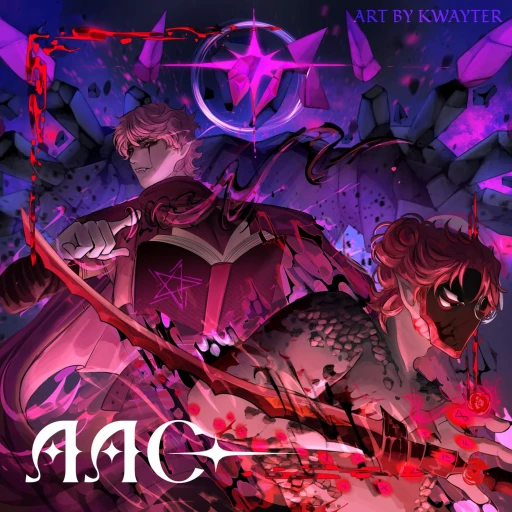
An Average Campaign Free Robux Guide (2026) -- Tips, Codes & Strategies
An Average Campaign is one of the most genuinely engaging turn-based roguelikes on Roblox right now. Developer huhuzh built something with actual depth here -- 7 distinct classes, a layered boon selection system, subclass branching mid-run, and boss fights that demand real attention. The 30 million visit count and 94.73% approval rating aren't accidents. This is a game that rewards players who understand its mechanics, and we've spent enough time in the dungeons to break down exactly what you need to know to get good at it fast.
Table of Contents
Getting Started in An Average Campaign
The first thing that trips up new players is treating An Average Campaign like a standard Roblox RPG. It isn't one. This is a roguelike at its core, which means permadeath runs, procedurally generated dungeon layouts, and a meta-progression system that rewards knowledge more than grinding. Your first few runs will probably end early, and that's expected. The goal isn't to survive your first run -- it's to learn enough from each attempt to make the next one last longer.
When you load into the game for the first time, you'll hit the class selection screen immediately. Don't skip past this. Each of the 7 classes plays fundamentally differently, and picking the wrong one for your current skill level creates a rough learning experience. We'll cover all 7 in depth in the next section, but the short version: start with Warrior or Priest if you're new to turn-based RPG roguelikes, and move to the more complex classes once you've cleared 2 or 3 full runs.
The dungeon itself is split into floors, with each floor containing a series of combat encounters followed by a floor boss. Between encounters, you'll be given a boon selection -- a choice between 3 passive power-ups that stack and compound across your entire run. These boon choices are the strategic heart of the game. A player who understands boon synergies will consistently outperform a player with better raw mechanics who ignores them.

Co-op is available from the start and changes the experience meaningfully. Playing solo forces you to pick classes that can handle both damage and survival independently. In a group, you can specialize more aggressively -- one dedicated healer, one tank, one or two pure damage dealers. If you're playing co-op, establish roles before you start and coordinate your boon picks. Two players accidentally stacking the same defensive boon category when the run needs damage output is a common mistake that kills runs on later floors.
Equipment drops appear between floors and after certain encounters. Early game, don't overthink gear choices. Equip whatever pushes your primary damage stat higher. The exception is survivability items like shields or regen accessories -- these are worth equipping even at a small offensive stat loss if you're on a floor where you've taken significant damage and can't recover HP between encounters.
Classes and Builds
All 7 classes in An Average Campaign are genuinely viable, which is something worth saying explicitly because a lot of players assume certain classes are just worse versions of others. They're not. Each one has a different power curve and a different set of boons it wants. The key is matching your class pick to your playstyle and then building coherently around it rather than grabbing whatever boon looks strongest in a vacuum.
Warrior
The Warrior is the most durable class in the game and the recommended starting point for new players. High base HP, straightforward melee abilities, and the most forgiving stat requirements of any class. Warrior wants defensive and physical-damage boons -- anything that increases melee hit damage, reduces incoming hits, or adds HP regen. Its weakness is that it deals the lowest damage per second of all the combat-oriented classes, so runs take longer and require more precise resource management on later floors. The Warrior's subclass choices open up some interesting paths: one branch focuses on becoming an almost unkillable tank, while another leans into counter-attack mechanics that reward you for taking hits.
Rogue
The Rogue is the highest single-target damage class in the game and has the steepest early floor power spike of any class. Its abilities are built around burst windows -- you'll have turns where you deal 3 to 4 times a Warrior's damage output, followed by turns where you're waiting on cooldowns. This makes Rogue relatively fragile; you need to kill enemies fast because you're not built to survive extended fights. Boon priority for Rogue: cooldown reduction first, critical hit multipliers second, flat damage bonuses third. In co-op, a Rogue paired with a Priest healer is one of the strongest two-player compositions in the game.
Mage
The Mage is the best AoE damage class and the strongest solo pick for experienced players. Elemental abilities hit multiple targets simultaneously, which means Mage shreds multi-enemy encounters faster than any other class. The trade-off is that Mage has the lowest base HP in the game -- around 40% less than Warrior -- and dies quickly to melee-heavy enemies if you mismanage positioning. Mage boon priorities: spell amplification, elemental damage type bonuses, and any boon that adds HP or a shield effect. The Mage's subclass tree is the most dramatic split in the game, separating into a raw damage-focused path versus a status-effect and crowd-control focused path.

Priest
The Priest is the only dedicated healing class and functions differently from the damage-dealer classes. In solo play, Priest is challenging because its damage output is low enough that longer fights become attrition tests. In co-op, Priest is arguably the most valuable single class in the game, capable of keeping a team alive through encounters that would wipe any other composition. Priest boons should target healing amplification, skill cooldown reduction for faster heal cycles, and late-run boons that add offensive utility. The Priest subclass branches into either a pure healing specialist or a hybrid support build with meaningful damage contributions.
Brawler
The Brawler is a combo-based melee class with a unique mechanic: abilities build combo stacks, and certain powerful attacks require specific stack counts to activate. It has higher damage potential than Warrior once you understand the combo system, but getting there requires more active attention during combat. Brawler rewards players who've already internalized enemy patterns because you need to plan 2 to 3 turns ahead to execute your best combos at the right moment. Boon priorities: anything that increases combo stack generation speed and melee damage amplification.
Ranger
The Ranger is a ranged damage dealer with a pet companion mechanic. The pet functions as a secondary damage source that acts independently each turn, effectively giving Ranger an extra action per combat round. This makes Ranger particularly strong in longer boss fights where that incremental extra damage adds up significantly. Ranger boon priorities: pet damage amplification and ranged attack bonuses. The subclass split for Ranger is between a glass-cannon pure damage path and a pet-focused summoner build where the pet takes on more of the combat load.
Bard
The Bard is the most unconventional class in the roster. Instead of dealing direct damage, Bard applies buffs to allies and debuffs to enemies -- reducing enemy damage output, increasing ally attack speed, and generating unique resource effects that other classes can't replicate. In co-op, a skilled Bard player can amplify a team's effective damage output by 20 to 35% while simultaneously making the enemy less threatening. Solo Bard is genuinely difficult and best left to experienced players who understand the game's systems well enough to maximize the value of debuff stacking.
| Class | Difficulty | Primary Role | Best For |
|---|---|---|---|
| Warrior | Easy | Tank / Melee DPS | Beginners, Solo |
| Rogue | Medium | Burst DPS | Solo, Co-op DPS |
| Mage | Medium | AoE DPS | Experienced Solo |
| Priest | Easy (Co-op) / Hard (Solo) | Healer / Support | Co-op Specialist |
| Brawler | Medium | Combo Melee DPS | Mechanical Players |
| Ranger | Medium | Ranged DPS / Pet | Sustained Fights |
| Bard | Hard | Buff / Debuff Support | Co-op Experienced |
Tips and Strategies
After spending significant time in the dungeons, we've identified a set of principles that separate players who consistently clear runs from those who stall out in the mid-floors. These aren't class-specific -- they apply regardless of who you're playing.
Build Around a Boon Identity Early
The single most impactful thing you can do in any run is commit to a boon identity in the first 4 encounters. By "identity" we mean a primary boon category -- say, cooldown reduction, or critical hit amplification, or elemental damage. Once you've taken 2 boons from the same category, they start compounding each other. A run with 5 cooldown reduction boons doesn't just give you 5 times the value of 1 -- it fundamentally changes how often you can use your strongest abilities, creating a multiplier effect. Players who spread their boon picks across 4 or 5 unrelated categories are consistently weaker by floor 3 than players who stayed focused from the start.
Learn Boss Telegraph Patterns
Every boss in An Average Campaign telegraphs its high-damage moves 1 to 2 turns in advance. These tells are visual -- a charging animation, a color shift, a specific icon appearing above the boss. Learning what each tell means is more valuable than any single boon or equipment piece. In our experience, 80% of unexpected wipes on boss encounters come from players not recognizing the tell for the boss's strongest move. Make it a habit to watch the boss's animation carefully after your turn ends rather than focusing on your own cooldown timers.

HP Management Between Encounters
Unlike many roguelikes, An Average Campaign gives you limited HP recovery options between encounters. This makes the decision of when to use healing abilities during a fight -- rather than saving them -- genuinely important. The general rule we follow: don't enter a new encounter below 50% HP if you can avoid it. If you're consistently entering encounters at 30% or below, you need to either adjust your boon picks toward survivability or play more defensively during encounters even if it costs you some damage output.
Subclass Timing and Selection
The subclass unlock typically happens mid-run around the third or fourth floor. When it does, take 30 seconds to review your current boon list before selecting a subclass path. This is an area where we've seen even experienced players make mistakes -- they pick a subclass from memory rather than checking what boons they've already accumulated. Your subclass should extend the power of what you've already built, not redirect it. Switching direction at the subclass stage wastes everything you've invested in boons up to that point.
Co-op Communication
In co-op runs, verbal or chat communication around boon picks is underrated. Specifically: before the boon selection screen appears, the team should have a rough agreement on what role each player is filling. If the Warrior player is going for a damage-mitigation build, the Mage shouldn't also be picking defensive boons -- you'd be doubling up on survivability when you need damage to push through later floors faster. A team that splits roles and coordinates boon categories will outperform an uncoordinated team of individually better players.
How to Complete a Dungeon Run: Step by Step
- Select your class and confirm your role for the run (damage, tank, or support in co-op).
- Clear the first floor encounters conservatively -- test abilities, observe enemy patterns, don't burn major cooldowns.
- Make your first 3 boon selections with a coherent theme in mind. This sets your build identity for the entire run.
- Defeat the first floor boss. Save your strongest cooldown abilities for the boss's telegraphed high-damage phase.
- Unlock your subclass on the appropriate floor and choose the path that complements your existing boon stack.
- Evaluate gear drops between floors. Prioritize items that reinforce your build identity rather than generic stat sticks.
- Enter the final boss fight with all major cooldowns available. Budget your healing resources across the full fight, not just the opening phase.
Key Takeaway
An Average Campaign rewards coherent strategy far more than reaction speed or mechanical skill. The players who go deep in runs consistently are the ones who commit to a boon identity early, read boss tells, and make their subclass selection based on their actual boon stack rather than a pre-planned template. The game has enough variety across 7 classes and procedurally generated dungeons that each run feels meaningfully different even after 50+ hours.
An Average Campaign Codes (July 2026)
We check An Average Campaign for active codes every week. Here's the current status as of June 4, 2026.
| Code | Reward | Status |
|---|---|---|
| No active codes at this time. Check back after major game updates. | ||
Developer huhuzh has not released any redeem codes since the game launched. With 30 million visits on record and the game's active development pace, a code release tied to a milestone or major content update is plausible. When codes do appear, they typically surface first on the developer's official Discord or social channels. We'll update this table within 24 hours of any new codes going live.
Since there are no game passes either, An Average Campaign is a fully free-to-play experience with no spending required. All 7 classes, the full subclass system, and all game content are available to every player at no cost. This makes it one of the more generous Roblox games in the roguelike space.
Want Free Robux for Your Roblox Account?
Earnaldo is a rewards platform where you complete tasks and surveys to earn points that convert directly into Robux. No purchases required -- just sign up and start earning. Thousands of Roblox players use Earnaldo monthly to fund their gaming.
Earning Free Robux
An Average Campaign doesn't have game passes or paid content right now, which means you don't need Robux to play it. But Roblox as a platform does have plenty of other games and cosmetics that use Robux, and having a supply of them available never hurts. Here's the most practical approach to building up a Robux balance without spending real money.
Earnaldo Rewards Platform
Earnaldo lets you earn Robux by completing surveys, watching videos, downloading apps, and similar offer-based tasks. Each completed task awards points, and once you hit the withdrawal threshold, those points convert to Robux deposited directly to your Roblox account. There's no subscription and no credit card required. The referral program adds extra earning potential -- you get a percentage of the points earned by anyone you bring into the platform.
Roblox Developer Exchange (DevEx) Path
If you have skills in game development, UX design, or 3D modeling, the Roblox developer ecosystem is a legitimate long-term earning path. Developers earn Robux from game monetization and can convert that to real currency through DevEx once they meet the threshold requirements. This isn't a quick path -- it requires months of learning and building -- but it's worth knowing about if you're interested in the platform beyond just playing games.
Selling Items on Roblox Marketplace
Roblox Premium subscribers can create and sell limited avatar items on the marketplace. Successful limited-edition items can generate meaningful Robux over time, particularly clothing and accessories with strong visual appeal. This requires a Premium subscription, but the earning potential scales with your design skills and timing.

More Roblox Game Guides
If you play other Roblox games alongside An Average Campaign, we have detailed guides for several of the platform's biggest titles:
Blox Fruits Free Robux Guide
Complete tier list, fruit rankings, leveling strategies, and codes for Roblox's most-visited game.
GuideAnime Defenders Guide
Unit tier list, best team compositions, wave strategies, and all active codes for Anime Defenders.
CodesKing Legacy Free Robux Guide
All active codes, best fruit picks, leveling routes, and stat build recommendations for King Legacy.
Frequently Asked Questions
As of June 2026, there are no active redeem codes for An Average Campaign. Developer huhuzh has not released any codes since the game launched. We check weekly, so bookmark this page and check back -- when codes do drop, they tend to give cosmetic rewards or in-game currency.
The game currently has over 30 million visits and a 94.73% approval rating, which makes a code release increasingly likely as the developer celebrates milestones.
The Warrior is the most forgiving starting class for new players. It has the highest base HP pool in the game and straightforward abilities that don't require tight cooldown management. In our experience, Warrior lets you focus on learning the boon selection system and dungeon pacing without worrying about dying to a misplaced ability.
Once you're comfortable with 3 to 4 dungeon runs, Rogue or Mage are the next step up in terms of skill ceiling and damage output.
After each combat encounter, you're presented with a choice of 3 boons -- passive power-ups that stack throughout your run. Each boon belongs to a category (offensive, defensive, utility) and many have synergies with specific classes.
For example, boons that reduce skill cooldowns are dramatically stronger on Mage and Bard than on Warrior. You'll typically make 8 to 15 boon choices per full dungeon run, so a coherent boon strategy is often the difference between clearing the final boss and getting eliminated in the mid-dungeon.
No, An Average Campaign has no game passes as of July 2026. Developer huhuzh has kept the game entirely free to play without any pay-to-win mechanics. All 7 classes -- Warrior, Rogue, Mage, Priest, Brawler, Ranger, and Bard -- are available without spending Robux.
If game passes are added in a future update, we'll update this page immediately.
Yes, An Average Campaign supports co-op multiplayer. Playing with a coordinated group of 2 to 4 players significantly changes the meta. A typical effective co-op team composition includes 1 Priest for sustained healing, 1 tank class like Warrior or Brawler, and 1 or 2 damage dealers such as Mage or Ranger.
Communication around boon picks is critical in co-op because some boons affect the whole team while others are individual -- miscoordinating these can leave your tank under-built for later boss fights.
A full dungeon run takes roughly 25 to 45 minutes depending on your class, skill level, and how fast you work through encounters. Boon selection screens and loot evaluation add a few minutes per floor. Boss fights on later floors can take 5 to 10 minutes alone if your damage output is low.
Experienced players running high-damage builds like Rogue or Mage can finish runs in closer to 20 minutes. Beginners should budget 45 to 60 minutes for their first few runs while they learn the dungeon layouts.
The subclass system lets you specialize your chosen class mid-run, typically unlocking after reaching a certain floor threshold. Each of the 7 base classes has multiple subclass paths that shift your playstyle significantly.
For example, a Rogue can branch into a pure burst-damage assassin build or a sustained poison/bleed focused path. Choosing the right subclass is heavily dependent on which boons you've already accumulated, so don't pick a subclass that contradicts your existing boon synergies -- that's one of the most common mistakes new players make.
The most reliable method is Earnaldo, a rewards platform where you complete tasks, surveys, and offers to accumulate points that convert directly into Robux. Earnaldo has a referral program that lets you earn extra points for every friend you bring in.
There's no subscription or purchase required -- just sign up, complete available tasks, and withdraw Robux when you hit the minimum threshold. It's a legitimate method that thousands of Roblox players use monthly.