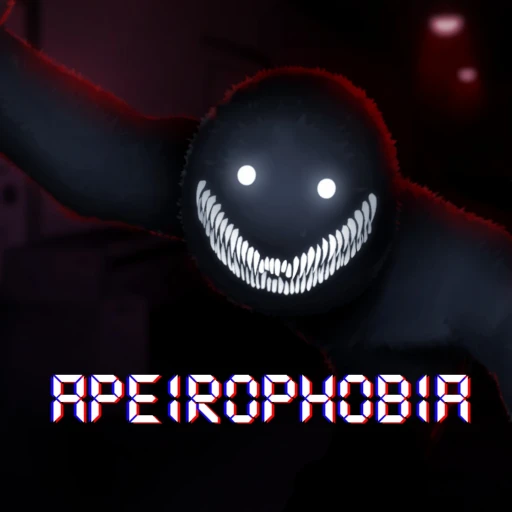
Apeirophobia vs DOORS (2026) -- Which Roblox Horror Game Is Better?
Roblox has quietly become one of the best platforms for horror games, and Apeirophobia and DOORS sit near the top of that list. One traps you in the infinite, unsettling backrooms where fluorescent lights hum above empty hallways that stretch on forever. The other locks you inside a procedurally generated hotel where terrifying entities lurk behind every door. Both games will make your palms sweat, but they approach horror from completely different angles.
If you've been debating which one to play first -- or which one deserves more of your time -- this comparison will settle it. We'll walk through gameplay mechanics, horror styles, level design, replayability, monetization, and community to give you a clear picture of what each game offers.
Here's the quick overview before we get into specifics.
Quick Stats: Apeirophobia vs DOORS at a Glance
| Category | Apeirophobia | DOORS |
|---|---|---|
| Genre | Horror (Backrooms Exploration) | Horror (Hotel Exploration) |
| Place ID | 10277607801 | 6516141723 |
| Developer | Polaroid Studios | LSPLASH |
| Concurrent Players | ~3,000-8,000 | ~25,000+ |
| Total Visits | 393M+ | 5.5B+ |
| Core Loop | Explore backrooms, solve puzzles, avoid entities | Open doors, avoid entities, survive 100+ rooms |
| Key Features | 16+ hand-crafted levels, liminal space aesthetic, puzzle-solving | Procedural rooms, 10+ unique entities, Knobs currency |
| Trading System | None | None |
| Mobile-Friendly | Yes | Yes |
| Free-to-Play | Yes (no game passes) | Yes (optional game passes) |
The visit count gap is massive, but numbers alone don't determine which game is right for you. Let's look at what actually happens when you press Play.
Gameplay and Core Loop
Apeirophobia: Navigate the Backrooms
Apeirophobia is built on the backrooms concept -- that viral internet lore about accidentally clipping through reality into an infinite series of empty, liminal spaces. The game takes this premise and turns it into a structured 16+ level experience where each level represents a different "layer" of the backrooms.
Each level has its own distinct environment and challenges. Level 0 is the classic yellow-wallpaper, fluorescent-lit office space that started the backrooms craze. Later levels shift to poolrooms, dark warehouses, outdoor environments that shouldn't exist underground, and increasingly abstract spaces that defy logic. The variety keeps you guessing, and entering a new level for the first time is genuinely exciting because you have no idea what the environment or threats will be.
Puzzle-solving is a core part of the experience. Many levels require you to find keys, activate switches, navigate mazes, or figure out environmental clues to progress. These puzzles aren't brain-meltingly difficult, but they add a layer of engagement beyond simply running from monsters. You need to explore carefully, examine your surroundings, and sometimes backtrack to find items you missed.
Entity encounters in Apeirophobia are spread out and impactful. You won't face a threat every thirty seconds. Instead, the game builds tension through empty spaces and ambient sounds before hitting you with a chase sequence or stealth section that feels earned because of the quiet that preceded it.
DOORS: Survive the Hotel
DOORS takes a fundamentally different approach. Instead of hand-crafted levels, it drops you into a procedurally generated hotel where you move through 100+ rooms per run. Each room is randomized, meaning you'll never play the same layout twice. Your goal is simple: find the next door and get through it without dying.
The entity roster is what makes DOORS special. Rush charges down hallways and forces you to hide in a closet or cabinet. Ambush does the same but doubles back multiple times to catch players who come out too early. Seek triggers an intense chase sequence through collapsing corridors. Figure hunts you by sound in specific rooms, forcing you to crouch and move in absolute silence. Halt presents a disorienting visual puzzle in dark passages. Screech whispers from behind and punishes you for not turning around fast enough.
Each entity has specific audio and visual tells that you learn through repetition. Early runs are chaotic and terrifying. Later runs become a test of pattern recognition and reaction time. This skill curve is one of DOORS' greatest strengths -- you're always getting better, and that progress feels tangible even when a run ends in failure.
The Knobs currency adds a light progression system. You earn Knobs by completing rooms and can spend them on cosmetic items, giving you a reason to keep running even after you've beaten Door 100 multiple times.
Edge: Tie. Apeirophobia offers a more curated, puzzle-driven horror experience with handcrafted level design. DOORS delivers a fast-paced, entity-focused survival loop with infinite procedural variety. They're solving different problems, and both do it well.
Horror and Atmosphere
Apeirophobia: The Dread of Empty Spaces
Apeirophobia's horror is rooted in liminal space anxiety -- that uncanny feeling you get in places that look familiar but feel deeply wrong. The backrooms aesthetic is perfect for this. Endless corridors of yellow wallpaper, humming lights that might flicker at any moment, the distant sound of footsteps that might be yours or might be something else's.
The game leverages silence masterfully. Long stretches of nothing happen, and that nothing is terrifying because you know something is coming. Your brain fills in the gaps with imagined threats, which is often scarier than any monster the game could render. When entities do appear, the contrast between the quiet exploration and the sudden danger makes each encounter hit harder.
The variety of backrooms levels also keeps the atmosphere fresh. The poolrooms level, with its clear blue water and tiled surfaces, creates an entirely different flavor of unease compared to the dark warehouse levels or the glitching reality of later stages. Each environment has its own sonic palette, lighting scheme, and brand of discomfort.
DOORS: Relentless Entity Terror
DOORS doesn't give you time to breathe. The hotel corridors are dark, narrow, and claustrophobic. The audio design is calibrated to keep your anxiety elevated at all times -- distant thuds, creaking wood, and ambiguous whispers fill the space between entity encounters. You're never comfortable, and that's the point.
The entity encounters themselves are some of the most memorable horror moments on Roblox. The first time Rush comes screaming down a corridor while you frantically search for a hiding spot is unforgettable. Figure's library room, where you need to solve a puzzle while a blind monster stalks you by sound, is a masterclass in tension design. Ambush's fake-out retreats teach you that even the rules you've learned can be weaponized against you.
DOORS excels at jump scares, but it also builds atmospheric tension through its procedural design. You never know what's behind the next door, and that uncertainty creates a persistent dread that hand-crafted levels can struggle to maintain on repeat playthroughs.
Edge: Apeirophobia for atmospheric horror and environmental storytelling. DOORS for jump scares and intense entity encounters. If you want to feel unsettled, play Apeirophobia. If you want to feel your heart pound, play DOORS.
Level Design and Variety
Apeirophobia: Hand-Crafted Excellence
Every level in Apeirophobia was designed with intention. The environments tell a story through their architecture, lighting, and placement of objects. Level transitions feel meaningful because each new space is a dramatic departure from the last. You go from office corridors to flooded basements to impossible outdoor landscapes, and each shift changes how you play.
The puzzles are integrated into the level design rather than feeling bolted on. A locked door in one room sends you searching through adjacent spaces for a key. Environmental clues -- notes on walls, patterns in floor tiles, the direction of ambient sounds -- guide you without holding your hand. This design philosophy rewards observant players and makes exploration feel purposeful.
The trade-off is finite content. Once you've beaten all 16+ levels, you've seen everything the game has to offer structurally. Replaying levels is still fun, especially with friends who haven't experienced them yet, but you'll know where every puzzle solution and entity spawn is. The surprise factor diminishes significantly after the first playthrough.
DOORS: Procedural Infinity
DOORS' procedural generation means you'll never memorize the layout. Room configurations, furniture placement, entity spawn points, and loot locations shuffle every run. This keeps even veteran players on their toes because muscle memory won't save you -- only knowledge of entity behaviors will.
The hotel theme provides visual consistency that the procedural system might otherwise lack. Every room feels like it belongs in the same building, even as layouts change. Specific room types -- the library, the greenhouse, the electrical room -- appear at semi-predictable points in a run but with randomized internal layouts. This balance of predictability and surprise is well-executed.
The Floor 2 expansion demonstrated LSPLASH's ability to reinvent the formula within the same game. New room types, entities, and mechanics kept the hotel feeling fresh without abandoning what worked on Floor 1. Future floor additions will likely continue this pattern.
Edge: DOORS. Procedural generation gives DOORS effectively infinite replayability. Apeirophobia's levels are beautifully crafted, but they don't change. For a horror game, unpredictability is a massive advantage, and DOORS has it built into every run.
Earn Free Robux for Game Passes
Want to grab DOORS' Revive pass without spending real money? Earn free Robux through Earnaldo and upgrade your horror experience.
Replayability and Longevity
Apeirophobia: Quality Over Quantity
Apeirophobia's 16+ levels provide roughly 3-5 hours of first-time content, which is substantial for a free Roblox game. Speedrunning adds a competitive layer for experienced players, and helping friends through levels they haven't beaten is genuinely fun. Some levels are also worth replaying just to appreciate the environmental design at a leisurely pace without the panic of a first attempt.
That said, the content is finite. Once you've memorized puzzle solutions and entity patterns, the game loses much of its tension. Polaroid Studios adds new levels over time, but the gaps between updates can be long. Between updates, there isn't much to do beyond replay existing content or wait.
DOORS: Infinite Runs, Endless Goals
DOORS' procedural generation means every run is a fresh experience. Even after hundreds of completions, you'll encounter room layouts and entity combinations you haven't seen before. The Knobs currency and cosmetic unlocks provide tangible goals beyond simply surviving, and the competitive aspect of reaching higher door counts keeps players pushing their limits.
LSPLASH's update frequency also helps. New entities, room types, and entire floors arrive regularly, giving returning players genuine new content to experience. The community around DOORS is also self-sustaining -- challenge runs, speedrun records, and no-hit attempts provide goals that the game doesn't explicitly set but players create organically.
Edge: DOORS. The procedural system, Knobs progression, and frequent updates give DOORS a clear advantage in long-term replayability. Apeirophobia offers a memorable first playthrough and occasional new levels, but DOORS is built to be played indefinitely.
Monetization and Value
Apeirophobia: Completely Free
Apeirophobia has no game passes, no in-game currency, and no microtransactions of any kind. Every player gets the same experience regardless of whether they've spent money. This is becoming rare on Roblox, and it's worth highlighting. You can complete every level, experience every entity, and see everything the game has to offer without spending a single Robux.
If you're interested in tips for maximizing your experience, check out our Apeirophobia free Robux guide for ways to earn Robux while enjoying the game.
DOORS: Fair Optional Spending
DOORS offers a handful of optional game passes. The Revive pass (400 Robux) lets you continue a run after dying, which is useful for players who want to reach higher door counts without restarting. The x2 Knobs pass (250 Robux) doubles your currency earnings, speeding up cosmetic unlocks. Neither pass gives you a combat or survival advantage -- you still need skill to avoid entities.
The Knobs currency is earned entirely through gameplay. There's no way to buy Knobs with real money, which keeps the economy fair. The passes are genuine quality-of-life improvements rather than pay-to-win mechanics, and LSPLASH deserves credit for keeping monetization this restrained in a game with over 5 billion visits.
For tips on earning Robux for these passes, see our DOORS free Robux guide.
Edge: Apeirophobia. Being completely free with zero monetization is hard to beat. DOORS' monetization is fair and unobtrusive, but Apeirophobia's total absence of purchases means every player is on perfectly equal footing at all times.
Multiplayer Experience
Apeirophobia: Shared Exploration
Playing Apeirophobia with friends transforms the experience. Backrooms levels that are terrifying solo become more manageable when you have someone watching your back. Puzzle-solving goes faster with multiple people searching for clues. And the group dynamic during entity encounters -- one person screaming directions while another panics in the wrong direction -- creates genuine comedy alongside the horror.
The game supports multiplayer naturally, and bringing a friend through a level they haven't seen is one of the best experiences you can have. Watching their reactions to environmental reveals and jump scares you already know about is deeply entertaining. It's a shared experience in the truest sense.
DOORS: Coordinated Survival
DOORS supports up to four players per run, and co-op runs are the best way to experience the game. Coordinating hiding spots, calling out entity audio cues, and deciding who opens the next door creates a tension that solo play can't replicate. The shared panic of a Seek chase, with four players sprinting through corridors and shouting, is unforgettable.
The Revive mechanic also makes co-op strategically interesting. Certain items can revive fallen teammates, which means the group has to decide whether to risk backtracking to save someone or push forward with fewer players. These decisions create genuine dramatic moments that elevate the experience beyond simple survival.
Edge: DOORS. The four-player co-op with entity callouts, shared resources, and revival mechanics creates a more structured and intense multiplayer experience. Apeirophobia's co-op is enjoyable but less mechanically rich.
Graphics, Sound, and Polish
Both games look impressive by Roblox standards, but they aim for very different aesthetics. Apeirophobia nails the backrooms look -- the lighting, textures, and environmental design capture the liminal space vibe perfectly. The poolrooms level, in particular, is visually stunning and might be one of the best-looking environments on the platform.
DOORS excels in atmosphere through lighting and shadow work. The hotel rooms are detailed and moody, and entity designs are instantly iconic. Rush's approach, Seek's eye-covered form, and Figure's towering silhouette are some of the most recognizable character designs in Roblox horror.
Sound design is where both games truly shine. Apeirophobia uses ambient drones, distant echoes, and carefully placed silence to build unease. DOORS uses entity-specific audio cues that are both functional and frightening -- you learn to fear specific sounds because they mean immediate danger.
Edge: Tie. Both games represent the peak of Roblox horror presentation. Apeirophobia wins on environmental artistry. DOORS wins on entity design and functional audio. Neither disappoints visually or sonically.
The Verdict
Our Pick: DOORS for Most Players -- Apeirophobia for Horror Purists
DOORS is the safer recommendation for most Roblox players. Its procedural generation ensures you'll never run out of fresh content, the entity encounters are some of the most memorable moments in Roblox horror, the co-op is excellent, and regular updates keep the game evolving. With 5.5 billion visits, it's proven that its formula works at scale. However, Apeirophobia offers something DOORS doesn't: a curated, puzzle-driven horror experience that prioritizes atmosphere over action. If you're the kind of player who values environmental storytelling, slow-burn tension, and the unique dread of liminal spaces, Apeirophobia will speak to you in ways that DOORS can't. Its 16+ hand-crafted levels are a labor of love, and playing through them for the first time is an experience worth having. Our honest recommendation? Play Apeirophobia first for the unforgettable single playthrough, then move to DOORS for the long-term replayability. You won't regret experiencing both.
Who Should Play What?
Play Apeirophobia if you:
Love the backrooms aesthetic and liminal space horror. Prefer puzzle-solving alongside your scares. Want a curated, story-like progression through distinct environments. Appreciate games that are completely free with no monetization. Enjoy atmospheric dread more than jump scares.
Play DOORS if you:
Want a horror game you can replay indefinitely. Enjoy learning entity patterns and improving your reaction time. Prefer co-op horror with up to four friends. Like having progression goals (Knobs, cosmetics, high door counts). Want to be part of one of Roblox's largest and most active communities.
Play both if you:
Love Roblox horror in general. Want variety between a curated experience and a procedural one. Enjoy comparing different approaches to the same genre. Have friends who are into horror games and want options for group play.
Frequently Asked Questions
They deliver fear in different ways. Apeirophobia builds dread through the unsettling emptiness of backrooms environments -- endless hallways, buzzing fluorescent lights, and the feeling that something is watching you from just out of sight. DOORS relies more on sudden, intense entity encounters that produce genuine jump scares. If slow-building anxiety gets under your skin, Apeirophobia is scarier. If sudden shocks and split-second panic are what frighten you, DOORS takes the crown.
Yes, both games support multiplayer. Apeirophobia lets you explore the backrooms with friends, which can make puzzle-solving easier and entity encounters less terrifying. DOORS supports up to four players per run, and coordinating hiding spots and callouts with teammates adds a unique cooperative tension. Both games are more fun with friends, but DOORS' co-op is slightly more structured.
A single DOORS run through 100+ rooms typically takes 20-40 minutes, but the procedurally generated rooms mean every run is different. Apeirophobia has 16+ hand-crafted levels that can take several hours to complete for the first time, with each level featuring unique puzzles and environments. Apeirophobia is longer as a single playthrough, but DOORS offers more replayability per session.
Apeirophobia is more puzzle-focused. Its levels often require you to find specific items, solve environmental puzzles, and figure out the correct path through confusing backrooms layouts. DOORS has lighter puzzle elements -- finding keys, reading clues, and interacting with specific objects -- but its primary challenge is reacting to entity encounters rather than solving puzzles. If you want brain teasers alongside your horror, Apeirophobia is the better choice.
DOORS is significantly more popular, with over 5.5 billion visits compared to Apeirophobia's 393 million. DOORS consistently maintains higher concurrent player counts and has a much larger presence on YouTube and social media. However, Apeirophobia has a passionate community that values its unique backrooms aesthetic and puzzle-driven gameplay.
Both games are free to play. Apeirophobia doesn't have game passes, making it completely free with no optional purchases. DOORS offers a few optional game passes like Revive (400 Robux) and x2 Knobs (250 Robux), but none of them are required to enjoy the full game. You can complete DOORS without spending a single Robux.