BETA -- Earn free Robux at earnaldo.com
Bake or Die Roblox survival baking game -- diner defense against zombie horde guide 2026

Bake or Die Free Robux Guide (2026) -- Tips, Strategies & Classes

By Earnaldo Team • 13 min read • Updated April 2026

Bake or Die from Big Bakers is one of the most creative Roblox launches of 2026. The premise sounds absurd -- kill zombies at night, grind their meat into pie filling, bake pies, sell them to customers during the day -- but beneath that ridiculous concept is a genuinely well-designed survival loop that's already pulled in 117 million visits and a peak of 20,817 concurrent players. The game is still in ALPHA, which means content is actively being added, but there's more than enough here to sink serious hours into. This guide covers everything: how the core loop works, each class and weapon, all three bosses, diner reinforcement, the two game passes, and how to get free Robux to spend on any of it.

Table of Contents

  1. What Is Bake or Die?
  2. The Day-Night Loop Explained
  3. Classes -- Gunslinger, Ninja, and Beyond
  4. Weapons -- Revolver, Katana, Bat Rifle, Ray Gun
  5. Ingredients and Baking
  6. Diner Defense and Repair Shop
  7. Bosses -- Mad Scientist, Pumpkin, Doomberry
  8. Game Passes -- Are They Worth It?
  9. Codes for Bake or Die (2026)
  10. Team Play and Revive Kits
  11. How to Get Free Robux for Bake or Die
  12. FAQ

What Is Bake or Die?

Bake or Die is a survival-tycoon hybrid developed by Big Bakers and launched on Roblox in April 2025. It sits in a genre space not many games occupy -- part zombie defense, part restaurant management, and part RPG. The game puts up to 32 players in a server together, defending a shared diner from nightly zombie waves while simultaneously running a pie-selling operation during daylight hours. You're not just trying to survive; you're trying to turn a profit while doing it.

The numbers back up how good the concept is. As of April 2026, the game has cleared 117 million total visits with an 89.7% positive rating and roughly 14,000 players online at any given moment. That player count is impressive for a game still in ALPHA, and it's a direct indicator that Big Bakers has nailed the core experience even before the full release. With a peak CCU of 20,817 and servers capped at 32 players each, there's clearly strong demand and no shortage of servers to join.

The ALPHA label matters here. Some mechanics are still being balanced, certain class unlocks work through achievement and gold systems that are actively being refined, and there's no code redemption system yet. But the fundamental loop -- night survival, ingredient farming, baking, day sales, diner reinforcement -- is fully functional and deeply satisfying once you understand how each piece fits together.

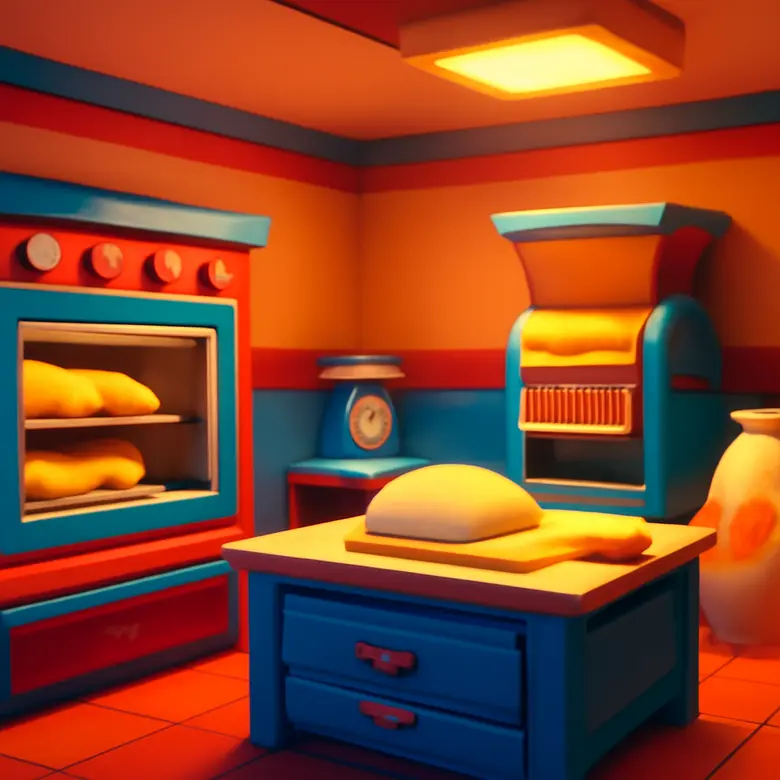
Bake or Die Roblox diner interior showing oven, shredder, and baking station
The diner interior with the shredder and oven where your zombie meat becomes sellable pie

The Day-Night Loop Explained

Understanding the day-night cycle is the most important thing you can do as a new player. Every major system in Bake or Die feeds into this loop, and players who ignore either half of the cycle fall behind quickly.

Night Phase: Fight, Collect, Process

When night falls, zombies swarm your diner. Your job during this phase breaks into three parallel tasks. First, fight the zombies to keep them from destroying your kitchen equipment -- specifically your shredder and oven. If those get wrecked, you can't process meat or bake pies, which means zero income the following day. Second, collect the drops from every zombie you kill. Zombie Meat is the primary drop and the foundation of your pie business. Zombies also drop Yeast on occasion, which is one of the three required baking ingredients. Third, pick up any Carrots that appear around the map -- they don't drop from zombies, but they spawn in the environment and you need them to complete your pie recipes.

While you're still in the night phase, try to run collected Zombie Meat through the shredder whenever there's a break in the action. The shredder grinds raw meat into pie filling. Starting the processing early means your pies will be ready sooner, and every pie you can get into the oven before dawn is another pie you can sell when customers arrive. Multi-tasking between fighting, collecting, and processing is the skill ceiling that separates average players from efficient ones.

Day Phase: Sell, Repair, Upgrade

When daylight hits, the zombies retreat and your customers show up. This is your income window. Interact with customers to sell your completed pies for gold. The more pies you baked during the night, the more gold you bank. Higher-quality pies -- ones that use better ingredient ratios -- sell for more per unit, which is another reason to pay attention to what you're collecting during the night phase.

Gold has three main uses: buying wooden planks and metal bars from the Repair Shop to reinforce your diner, progressing toward unlocking higher-tier classes (which requires both gold and achievement completion), and funding general upgrades. The Repair Shop is your first priority. A diner with reinforced walls survives longer into harder waves, which means more zombie kills, more meat drops, more pies, and more gold. The upgrade cycle compounds quickly once you're maintaining consistent reinforcement.

Key timing tip: Don't wait until daylight to start processing your meat. The shredder runs during nighttime just fine. Getting your meat processed during the night means you can load the oven the moment the night ends, and pies will be ready faster when customers start arriving.

Classes -- Gunslinger, Ninja, and Beyond

Bake or Die has 6 total classes, but you start with access to only two: the Gunslinger and the Ninja. The remaining four classes unlock through a combination of achievement completion and gold spending, which is the game's core long-term progression system. Here's what you're working with.

Gunslinger (Starting Class -- Revolver)

The Gunslinger is the default choice for most new players, and there's a good reason for that. The Revolver gives you reliable ranged damage from the moment you spawn. You don't need to get close to zombies, which means you can kite them away from your oven and shredder while still dealing damage. Ranged combat in a zombie defense game is almost always safer than melee, and the Gunslinger's toolkit leans into that advantage.

The Revolver's biggest strength is consistency. It's not the highest damage-per-hit weapon in the game, but it fires at a solid rate and works at the distances where you want to be fighting during night waves. For solo players or anyone who prefers playing it safe while protecting kitchen equipment, Gunslinger is the right starting pick. The weapon also scales reasonably well into mid-game before you replace it with something like the Bat Rifle or Ray Gun from boss encounters.

Ninja (Starting Class -- Katana)

The Ninja is for players who like aggressive, up-close combat. The Katana swings fast and hits hard at melee range. Damage per second against a single zombie is genuinely higher than the Revolver when you're landing hits consistently, which makes the Ninja feel powerful once you get comfortable managing the inherent risk of melee positioning.

The tradeoff is obvious: you're always close to the threat. A Ninja player who loses track of the horde's flanks and gets surrounded is in real trouble. In early game when zombie counts are manageable, that's fine -- you can kill them fast enough that the crowd doesn't build up. In later waves, especially during tougher nights leading into boss encounters, a Ninja needs to be disciplined about when to engage and when to fall back. If you're playing with a team and someone else is covering the oven, the Ninja's damage output is excellent. Solo play requires more caution.

The Remaining 4 Classes

The other four classes are currently locked behind achievement and gold requirements, and Big Bakers hasn't fully documented all the unlock conditions -- which is expected for an ALPHA title. What's been confirmed is that they each bring distinct playstyle variations to the Gunslinger and Ninja archetypes. Progression toward these classes comes naturally as you grind through waves, complete achievements tied to kills, baking output, and survival milestones, and accumulate gold from customer sales. Don't try to rush them. Play the Gunslinger or Ninja well, build your gold income through consistent baking, and the achievement requirements will tick off on their own.

Bake or Die Roblox Gunslinger and Ninja class comparison with Revolver and Katana weapons
The Gunslinger's Revolver favors range and safety; the Ninja's Katana prioritizes close-range burst damage

Weapons -- Revolver, Katana, Bat Rifle, Ray Gun

There are four confirmed weapons in Bake or Die's current ALPHA state. Two are starting weapons tied to your class. Two are boss drops that represent a significant power jump.

Revolver

The Gunslinger's starting weapon. Reliable single-target ranged damage with a satisfying firing rhythm. It handles everything through the early waves without issues. Start looking to replace it once you're consistently surviving to boss encounters, as the mid-game zombie density starts to outpace what the Revolver can handle efficiently alone.

Katana

The Ninja's starting weapon. High melee damage, fast swing speed, and excellent for crowd control when you're surrounded but have the skill to handle it. The Katana actually stays viable longer than you might expect because its damage ceiling against grouped zombies is higher than the Revolver's -- you're hitting multiple enemies per swing. The replacement comes when you hit Pumpkin boss territory and the Bat Rifle becomes available.

Bat Rifle (Pumpkin Boss Drop)

The Bat Rifle is your mid-game upgrade and it comes from defeating the Pumpkin boss. It's a direct ranged upgrade over the Revolver -- more damage, likely better fire rate, and suited for the heavier zombie waves that appear as you push deeper into the game. When the Pumpkin boss spawns, commit to the fight. The Bat Rifle is worth the risk of a harder encounter because it meaningfully improves your night wave efficiency for everything that comes after.

Ray Gun (Mad Scientist Blueprint)

The Ray Gun is the most powerful weapon currently in the game, and getting it requires an extra step. The Mad Scientist boss doesn't drop the gun directly -- he drops a Blueprint. You take that Blueprint to your workbench and craft the Ray Gun from it. This two-step process means you need to survive long enough to kill the Mad Scientist and then have the resources to complete the crafting step. The Ray Gun is worth every bit of that effort. It's the endgame weapon that makes later zombie waves manageable in a way nothing else in your arsenal can match.

Boss priority order: Mad Scientist Blueprint → craft Ray Gun → Pumpkin boss for Bat Rifle. Getting the Ray Gun first sets you up to handle every subsequent challenge with the best possible weapon. The Bat Rifle is great, but the Ray Gun is in a different league.

Ingredients and Baking

Three ingredients go into every pie in Bake or Die: Zombie Meat, Carrots, and Yeast. Each comes from a different source, and managing your supply of all three is what separates players who bake two pies per night from players who bake eight.

Zombie Meat

Zombie Meat is the most abundant ingredient and the one you'll never have to worry about if you're actively fighting during the night phase. Every zombie drops it on death. The bottleneck isn't collecting Zombie Meat -- it's collecting it fast enough during combat to keep your shredder busy. Make a habit of looting kills immediately rather than waiting until the wave ends. Meat you don't pick up before dawn is gone.

Once you have Zombie Meat, it goes into the shredder before it can go into the oven. The shredder turns raw meat into the pie filling that actually gets cooked. Don't skip this step or skip ahead -- raw meat doesn't go directly into a pie recipe.

Carrots

Carrots spawn in the environment rather than dropping from zombies. That means you need to actively look for them while managing the night phase, which takes split-second decision-making: do you keep fighting or break off to grab the Carrots you just spotted across the map? In early game when zombie counts are lower, you can afford the detour. In later waves, prioritize staying alive and protecting your equipment over chasing Carrots that require crossing the map.

A practical tip: note where Carrots tend to spawn in your server. They often reappear in the same general areas each round. Once you know the spawn points, you can route your movement during quieter moments to hit multiple Carrot locations efficiently.

Yeast

Yeast drops from zombies, but not as consistently as Zombie Meat. It's the ingredient you're most likely to run short on in any given night. Don't pass up a Yeast drop for any reason -- it's rarer than it looks and it directly gates how many pies you can bake. If your team has multiple players farming zombies, coordinate so that whoever is closest to a Yeast drop grabs it rather than leaving it on the ground while everyone else is occupied.

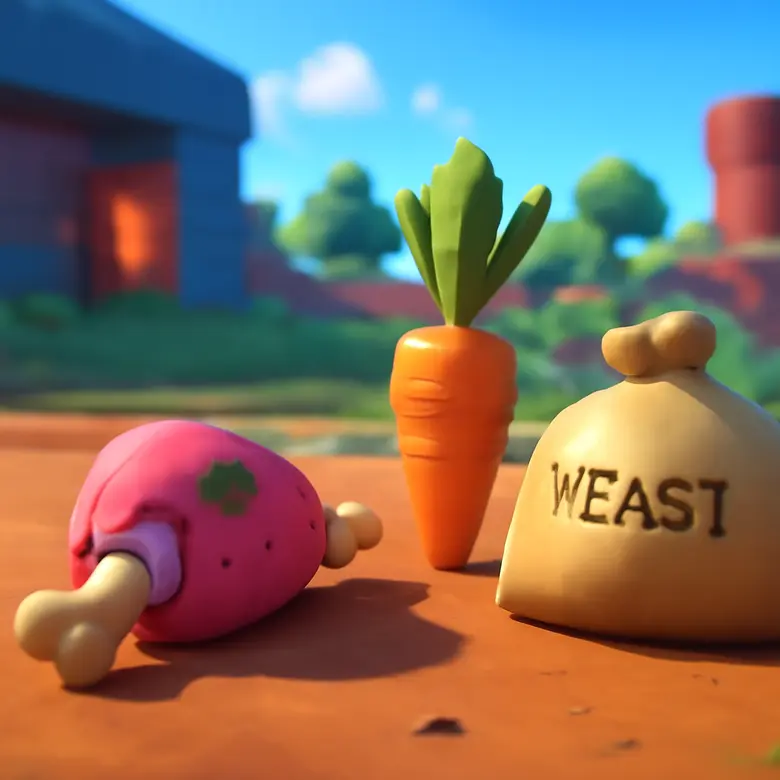
Bake or Die Roblox ingredient collection -- Zombie Meat, Carrots, and Yeast on the ground after a wave
Zombie Meat and Yeast drop from kills; Carrots spawn in the environment and need to be tracked down

Diner Defense and the Repair Shop

Your diner is more than a backdrop -- it's the engine of your entire gold income. If zombies destroy your oven or shredder, you lose the ability to bake pies and your income for the next day phase drops to zero. Protecting those two pieces of equipment is the non-negotiable priority during every night wave.

Understanding Zombie Pathing

Zombies don't attack randomly. They path toward the diner and concentrate on whatever wall or entry point gives them the most direct route to your equipment. Watch where zombies consistently breach your defenses over the first few night waves and you'll quickly identify your problem spots. Those are where you focus your Repair Shop spending.

Wooden Planks vs Metal Bars

The Repair Shop sells two reinforcement materials. Wooden planks are cheap and perfectly adequate for the first several night waves. They won't hold forever, but they don't need to -- you just need them to hold long enough for you to clear the wave. Metal bars cost more gold but provide substantially tougher reinforcement. Invest in metal bars on the entry points and walls that zombies repeatedly demolish. The ROI is better than it looks because a wall that survives an extra wave means one less repair cycle you're paying for.

The practical approach: use wooden planks everywhere in early game to keep costs low, then selectively upgrade your highest-traffic breach points to metal bars as your gold income stabilizes. Don't try to metal-bar your entire diner at once -- the gold cost isn't justified when you're still in the early-wave money-building phase.

Equipment Priority During Waves

If zombies breach your diner and you can't fight all of them at once, protect in this order: oven first, shredder second, everything else third. The oven is where pies actually get baked; losing it costs you more than losing a wall. The shredder is close behind -- no shredder means no pie filling, which means the oven is useless even if it survives. A player who understands this priority order will instinctively position between the zombie breach and the oven rather than chasing stragglers across the map.

Revive Kits matter here too: If a teammate gets downed while they're protecting the oven during a tough wave, using a Revive Kit on them immediately is usually the right call. One extra player between the zombies and your kitchen equipment is often the difference between keeping your oven and losing it to a swarm.

Bosses -- Mad Scientist, Pumpkin, Doomberry

Bake or Die has three boss encounters in its current ALPHA build: the Mad Scientist, the Pumpkin, and Doomberry. Each tests a different aspect of your team's combat capability, and each one drops or enables access to something meaningful. Don't skip them.

Mad Scientist

The Mad Scientist is one of the two loot-priority bosses. He doesn't have a weapon to drop directly, but he carries the Ray Gun Blueprint, which is arguably more valuable than any direct weapon drop. Blueprint-in-hand, you head to your workbench and craft the Ray Gun -- the strongest weapon currently in the game. The Mad Scientist encounter is harder than standard waves but not the hardest boss in the game. Bring your whole team, focus fire, and keep at least one player rotating back to protect the diner if zombies are spawning alongside the boss event.

Pumpkin

The Pumpkin boss drops the Bat Rifle, your mid-game ranged upgrade. The Pumpkin encounter tends to be more chaotic than the Mad Scientist fight because of how the boss moves and the concurrent zombie pressure that typically accompanies it. Coordinate with your team beforehand: who is on the boss, who is on ambient zombie control, and who is keeping the oven alive if things get messy. If you're running the Ninja class for this fight, be cautious -- the Pumpkin's attack patterns punish players who stay too close for extended periods.

Doomberry

Doomberry is the durability check. Where the Mad Scientist and Pumpkin fights are primarily combat encounters, Doomberry is designed to test whether your diner is actually reinforced properly. The boss's attacks put sustained pressure on your structure in ways that the standard zombie waves don't. A diner with wooden plank walls on every entry point will struggle; one with metal bar reinforcement on the key breach points will hold up much better. Treat Doomberry as the game's way of telling you whether your Repair Shop investment has been adequate. If your diner collapses during this encounter, you know exactly where to spend your gold before the next attempt.

Game Passes -- Are They Worth It in 2026?

Bake or Die currently offers two game passes. Neither is required to enjoy the full game, but both have real utility depending on how you play.

Larger Lobby -- 40 Robux

The Larger Lobby pass increases server capacity beyond the standard 32-player maximum. At just 40 Robux, this is the cheapest game pass in the game and the easiest to justify. Whether it's worth it comes down entirely to your social situation. If you regularly play with a friend group larger than what a standard 32-player server can accommodate, this pass solves that problem directly. For solo players or small groups of 2 to 4, the default server size handles everything fine. At 40 Robux this isn't a meaningful financial commitment either way -- it's the kind of purchase you make because your Discord server decided to run a Bake or Die session together.

Clutch Revive -- 299 Robux

The Clutch Revive pass is the more impactful of the two, and at 299 Robux it's the one that requires more thought. This pass lets you revive downed teammates during active combat. Without it, a downed player has to wait for a teammate to reach them with a Revive Kit item -- which requires having a kit in your inventory at the right moment. The Clutch Revive pass removes that item dependency and makes reviving an instant, always-available action.

In practice, this matters most during boss encounters and the hardest wave nights when team members are most likely to go down. A team where at least one player has Clutch Revive is noticeably more resilient than a team relying purely on Revive Kit items. The 299 Robux cost is higher, but if you're a dedicated player who runs Bake or Die regularly with the same group, the value stacks up quickly. If you're a casual player who hops in occasionally, it's less essential -- Revive Kits do the job adequately when you have them.

Need Robux for Bake or Die Game Passes?

Both game passes cost real Robux -- 40 for Larger Lobby and 299 for Clutch Revive. Earnaldo lets you earn free Robux by completing simple tasks, so you can grab either pass without spending a dollar. It takes a few minutes to understand how it works, and the Robux is real.

Codes for Bake or Die (2026)

As of April 2026, Bake or Die does not have a code redemption system. Big Bakers hasn't built the interface yet, which is common for ALPHA-stage games on Roblox where the core mechanics take priority over QoL features like code systems. There are no valid codes to share and no redemption button to press.

This will almost certainly change once the game exits ALPHA and the developer starts running promotional campaigns. Code systems on Roblox typically launch alongside major updates, milestone announcements (like hitting 200 million visits), or collaborations with content creators. When codes do arrive for Bake or Die, they'll most likely give gold, premium currency, or exclusive cosmetics tied to the baking theme of the game.

Bookmark this page. We'll update it the moment a code system goes live and the first codes drop. In the meantime, your best path to Robux for game passes is through Earnaldo, where you can earn free Robux to cover the 40 Robux Larger Lobby pass or save up toward the 299 Robux Clutch Revive without waiting on developer promotions.

Similar survival games with active codes: If you're looking for games in the same genre that currently have code redemption, check our guides for Survive the Apocalypse, Dead Rails, and Forsaken -- all three have working codes as of April 2026.

Team Play and Revive Kits

Bake or Die's 32-player server cap is generous, but the game doesn't require anywhere near a full lobby to function well. Most coordinated groups run 4 to 8 players and handle the content effectively. What matters more than numbers is how you divide responsibilities during night waves.

Role Division

A well-coordinated Bake or Die team splits into roughly two functions: combat and operations. Combat players focus entirely on fighting zombies during the night -- killing, collecting drops, and keeping pressure off the diner. Operations players (typically one per team) split time between processing collected Zombie Meat through the shredder, loading the oven with completed filling plus Carrots and Yeast, and watching the diner's vulnerable entry points. In a team of four, two dedicated combat players and one flexible operations player with one person rotating between both roles is a strong setup.

Revive Kits

Revive Kits are the mechanic that keeps downed teammates in the fight during night waves. When a player gets overwhelmed by zombies and goes down, a teammate with a Revive Kit can pick them back up on the spot. The kit is a consumable item, so managing your stock matters. Don't blow through your Revive Kits on the first few waves when dying is less consequential. Save them for the boss encounters and the late-stage waves where getting a key teammate back on their feet mid-fight can actually decide the outcome.

If one player on your team has the Clutch Revive game pass (299 Robux), they become your designated reviver -- no inventory slot required, no item management, always available. That player should position themselves as a floater who can reach downed teammates quickly rather than committing to a single defensive position.

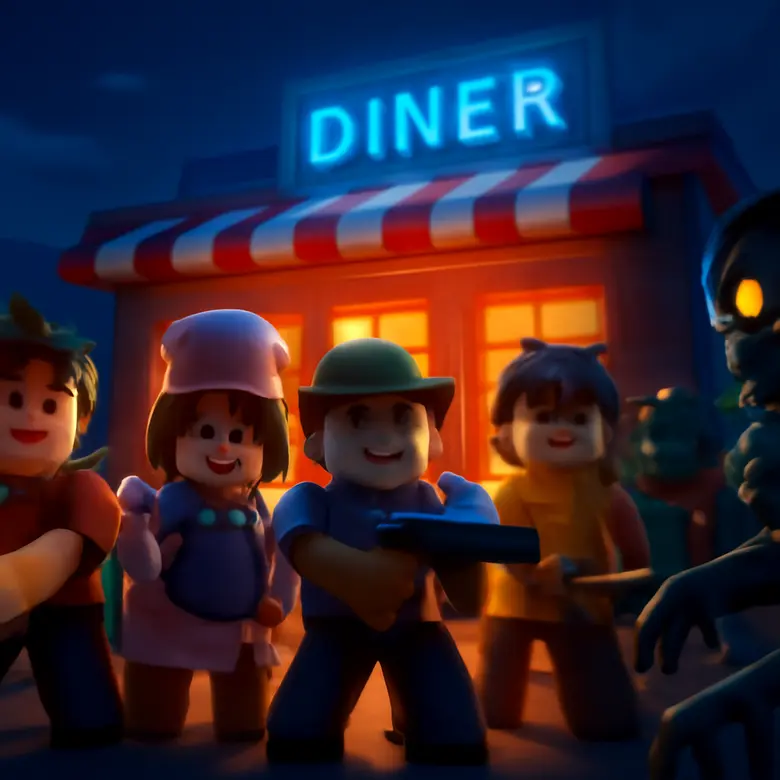
Bake or Die Roblox team of players defending the diner entrance against a zombie horde at night
A coordinated team holds the diner entrance while one player keeps the shredder running inside

How to Get Free Robux for Bake or Die

Both Bake or Die game passes cost Robux. The Larger Lobby pass is 40 Robux -- the equivalent of pocket change if you have any Robux saved up. The Clutch Revive is 299 Robux, which is more meaningful for players who don't buy Robux regularly.

Earnaldo is a legit platform where you earn free Robux by completing simple tasks like surveys, app installs, and short activities. It's not a generator scam or a fake giveaway -- the Robux is real and pays out through verified Roblox mechanisms. You can learn exactly how it works at earnaldo.com/how-earnaldo-works. Most players cover the Larger Lobby pass in a single session, and the Clutch Revive takes a bit longer but is fully achievable without spending real money.

If you want to see how other survival games in this genre handle their Robux costs and whether their passes are worth buying, check out our guides for Doors, Murder Mystery 2, and 99 Nights in the Forest. The analysis format is the same as this guide, so you can directly compare pass value across games before deciding where your Robux goes.

Frequently Asked Questions

Are there any working codes for Bake or Die?

No. As of April 2026, Bake or Die does not have a code redemption system. The game is still in ALPHA and Big Bakers has not added a code redemption interface yet. Check back once the game exits alpha, as codes are commonly introduced around major milestone updates.

What are the best classes in Bake or Die?

The Gunslinger and Ninja are the two starting classes available to all players. The Gunslinger uses a Revolver for consistent ranged damage and is the safer pick for beginners -- you keep your distance from zombies and reduce the risk of getting surrounded. The Ninja uses a Katana for higher melee damage at close range and rewards aggressive players who can manage their positioning. The remaining four classes unlock through achievements and gold accumulation as you progress.

How does the day and night cycle work in Bake or Die?

Night is your combat and production phase: zombies attack, you fight them, collect their drops (Zombie Meat and Yeast), grind the meat in the shredder, and bake pies in the oven. Day is your income phase: customers arrive and buy your pies for gold. That gold funds Repair Shop purchases and class progression. The cycle repeats with each night wave getting harder, so reinforcing your diner between cycles is essential.

How do I get the Bat Rifle and Ray Gun in Bake or Die?

The Bat Rifle drops directly from the Pumpkin boss -- defeat the Pumpkin and you have a chance to pick it up. The Ray Gun requires an extra step: defeat the Mad Scientist boss to receive a Blueprint, then take that Blueprint to your workbench and craft the Ray Gun from it. Both weapons are significant power upgrades over your starting gear and are worth pursuing once your diner is reinforced enough to handle boss encounter pressure.

What ingredients do I need to bake pies in Bake or Die?

Baking a pie requires three ingredients: Zombie Meat (dropped by all zombies), Carrots (found spawning around the environment), and Yeast (a rarer zombie drop). The Zombie Meat goes through the shredder first to become pie filling before it can be used in the oven. Carrots and Yeast are used directly. Managing your supply of all three -- especially Yeast, which is the rarest -- determines how many pies you can bake each night cycle.

Is the Larger Lobby game pass worth 40 Robux?

The Larger Lobby pass costs 40 Robux and increases server capacity beyond the 32-player default. It's worth it if you regularly play with a large friend group and need everyone in the same server. For solo players or small groups, the default 32-player cap is more than sufficient. The Clutch Revive pass at 299 Robux is the more impactful purchase for active players since it eliminates the need for Revive Kit items and can save a run during tough boss encounters.

How do I reinforce my diner in Bake or Die?

Visit the Repair Shop and purchase wooden planks or metal bars using gold earned from selling pies. Wooden planks are cheaper and handle early waves fine. Metal bars provide stronger reinforcement for harder waves and boss encounters. Focus spending on the walls and entry points that zombies consistently breach -- if you keep losing the same section of wall each night, that's where you upgrade to metal bars first.

What are the bosses in Bake or Die and how hard are they?

There are three bosses: Mad Scientist, Pumpkin, and Doomberry. The Mad Scientist drops a Ray Gun Blueprint (used to craft the game's best weapon). The Pumpkin drops the Bat Rifle directly. Doomberry is primarily a structural durability check that tests whether your diner reinforcement is adequate -- weak walls tend to collapse during this encounter. All three benefit from team coordination, with at least one player maintaining diner protection while others focus fire on the boss.

More Roblox Survival Game Guides

Bake or Die sits in a broader category of Roblox survival games that share similar mechanics and monetization patterns. If you enjoy the genre, these guides cover games with comparable gameplay loops and active player bases in 2026: