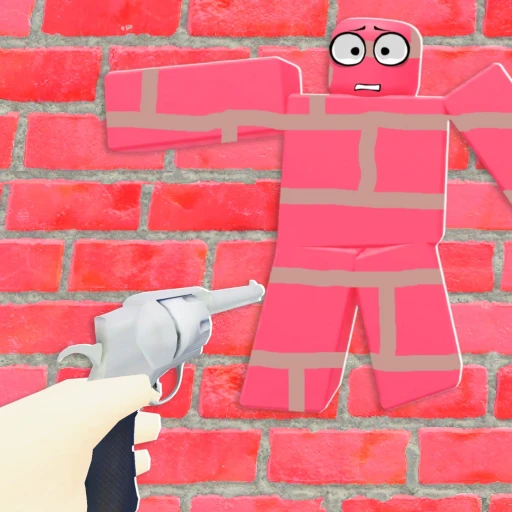
Chameleon! vs Paint To Hide (2026) — Which Hide-and-Seek Wins?
Chameleon! and Paint To Hide are both Roblox hide-and-seek games with the same delicious hook: paint yourself, blend into the scenery, and fool the Seekers. They are close cousins, so the differences come down to painting tools, map design, and feel. This 2026 comparison breaks down the loops, accessibility, codes, and which one fits you.
In This Comparison
Quick Overview
| Feature | Chameleon! | Paint To Hide |
|---|---|---|
| Genre | Camouflage hide-and-seek | Paint-and-hide hide-and-seek |
| Painting | Color pools (or Color Picker) | Paint-based blending |
| Core action | Blend into walls/floors/objects | Paint and hide from Seekers |
| Roles | Hiders vs Seekers | Hiders vs Seekers |
| Age | New (July 2026) | Established |
| Codes (Jul 2026) | None (no system) | Check codes page |

Gameplay & Loop
Chameleon! puts precise color-matching front and center. You move through color pools to coat your dummy, then camouflage into a wall, floor, or object so both your shade and shape vanish, and you survive by holding still while Seekers sweep the map. The Color Picker pass lets you dial in an exact color for an even cleaner blend.
Paint To Hide runs the same paint-and-blend hide-and-seek core with its own maps, tools, and pacing. The fundamental loop — disguise yourself, freeze, and dodge the Seeker’s eye — is shared, so choosing between them is less about mechanics and more about which game’s environments and feel you prefer. Both deliver that heart-pounding moment of a Seeker walking right past your perfect blend.
Blending & Replayability
Depth in both games comes from mastering the blend. In Chameleon!, that means learning which surfaces are easiest to match, getting your color exactly right through the pools, and choosing objects that break up your silhouette. Its newness means frequent updates and a fresh, growing playerbase, so the meta of best hiding spots is still being discovered.
In Paint To Hide, replayability comes from its established map pool and the same escalating cat-and-mouse between clever Hiders and sharp Seekers. Neither is a deep systems game — they are pick-up-and-play hide-and-seek titles — but Chameleon!’s rapid growth and precise color tools give it a fresh edge, while Paint To Hide offers the comfort of a proven, polished experience.
Codes & Community
On codes, Chameleon! has no code system as of July 2026, so there is nothing to redeem there yet. Paint To Hide may have codes on its own page — check it for the current status. As always, only trust codes confirmed through official channels.
On community, Chameleon! is the rising newcomer — 643,000+ visits and around 4,600 concurrent players within days of launch — riding a wave of interest in camouflage hide-and-seek. Paint To Hide brings the stability of an established game with a familiar playerbase. Both are free, so it comes down to whether you want the new-and-growing or the proven-and-polished.
The Verdict
There is no clear winner — these are close cousins, so it comes down to feel. Choose Chameleon! for precise color-pool painting, camouflage into objects, the optional Color Picker for exact shades, and a fast-rising new community. Choose Paint To Hide for its established maps and take on the paint-and-hide formula. Both are free hide-and-seek games built on the same satisfying blend-and-freeze tension, so the best move is to try each and keep whichever you enjoy more — or simply play both.
Earn Free Robux for Either Game
Want Robux for passes in either hide-and-seek game? Earnaldo lets you earn free Robux by completing simple tasks — no surveys spam, no downloads.
Frequently Asked Questions
Both are Roblox hide-and-seek games built on painting and blending, with a small twist between them. Chameleon! (place ID 74511210941284) has you navigate color pools to paint your dummy and camouflage into walls, floors, and objects to fool Seekers. Paint To Hide runs the same paint-and-blend hide-and-seek idea with its own maps and features. They are close cousins — the differences are in map design, tools, and feel.
Both are easy to pick up since the core loop — paint yourself, blend, hold still — is intuitive. Chameleon! leans into precise color matching through its color pools, while Paint To Hide offers its own take on the same concept. If you like fine color control, Chameleon! (especially with the Color Picker pass) suits you; if you prefer Paint To Hide's style, that works just as well.
As of July 2026, Chameleon! has no code system. Paint To Hide's code status is tracked on its own codes page, so check there for any current rewards. Neither game needs codes to enjoy — both are about blending skill in the moment.
Play Chameleon! if you want precise color-pool painting, camouflage into objects, and a fast-rising new game (643K+ visits). Play Paint To Hide if you prefer its maps and take on the paint-and-hide formula. Both are free hide-and-seek games, so the easiest answer is to try each and keep whichever blending experience you enjoy more — or play both.
Dig deeper with our full Chameleon! guide and Paint To Hide guide, see the Chameleon! codes page, or visit the hub. You can also learn how to get free Robux in 2026.