DIG Free Robux Guide (2026) -- Tips, Treasure & Strategy
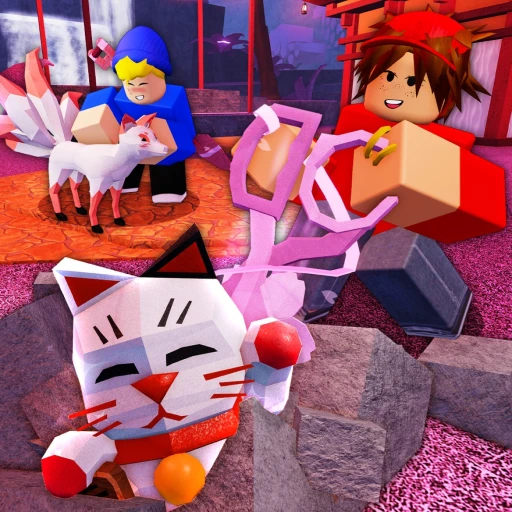
DIG is one of 2026's standout digging-and-treasure games on Roblox: you grab a shovel, hunt down hidden treasures across a huge open world, sell what you uncover, and build out powerful charm loadouts that make every dig more rewarding. The whole game lives or dies on one timing mini-game, the dig itself, and the players who climb fastest are the ones who nail the weak-spot click every time and never let their endurance bar run dry. This guide breaks down the dig mechanic in detail, how treasures and selling work, how to build a charm loadout that fits your playstyle, an early-to-late strategy plan, an honest look at codes and monetization, and how to bank real Robux on the side.
What's in this guide
Getting Started
DIG hands you a shovel and an open world full of buried treasure, and your job is to dig it all up. You explore, find a promising spot, dig down through a quick timing mini-game, pull out whatever treasure is hiding there, and sell it for money. That money funds better gear and charms, which let you dig faster and find more valuable loot, and the loop tightens from there.
The single most important thing to learn on day one is the dig itself. Every bit of money you make starts with a successful dig, and a successful dig comes down to hitting the weak spot cleanly while keeping your endurance bar alive. Get that timing down and the rest of the game opens up fast. Fumble it and you'll watch treasures slip away just as you're about to pull them out.
When you first load in, don't sprint off to the far corners of the map. Spend a few digs near the starting area getting a feel for the timing and the bars, then start ranging out as your gear improves. Here's the order we'd run on a fresh save:
- Equip your starter shovel and find a likely dig spot near spawn.
- Run a few practice digs to learn the weak-spot timing without much at stake.
- Sell your first treasures to get money flowing.
- Buy a better shovel as soon as you can afford one, since it speeds up every dig.
- Start slotting charms, prioritizing dig speed and luck early.
- Range out into the wider world once your gear can handle tougher, richer dig spots.
Controls are simple Roblox fare. You move with WASD on PC or the on-screen stick on mobile, hold out your shovel from the hotbar, and click or tap to dig. There's no twitchy combat here. The skill is all in the timing of the dig and the loadout decisions you make around it, which makes DIG easy to pick up but rewarding to master.
The Dig Mechanic
The dig is a timing mini-game, and it's the heart of DIG. You hold out your shovel and click to start digging, then a colored weak spot appears with a line moving across it. You click again when that line is centered in the weak spot for the best result. Master this one interaction and you've mastered the game.
There are two bars to track while you dig, and they pull in opposite directions. The progress bar on the left is your goal: every clean hit chips away at it, and when it empties, you dig up your treasure. The endurance bar at the bottom is your timer: it drains as you work, and if it hits zero before the progress bar empties, you can lose the treasure entirely. So the dig is a race between filling out your progress and running down your endurance, and accurate clicks are what tip that race in your favor.
Nailing the weak spot
The weak spot is the colored zone that appears each time you click, with a line sweeping across it. Click when the line sits dead-center in that zone for the cleanest hit. A centered click does the most to advance your progress bar and is gentlest on your endurance, while an off-center or mistimed click does less progress and bleeds more endurance. Treat the center of the weak spot as the only target that matters and you'll dig faster and safer.
The rhythm takes a few digs to internalize because the line's speed and the size of the weak spot can vary. Don't rush the click to beat the line. Watch one full pass if you need to, learn the tempo, then commit to the center. A handful of accurate hits will out-dig a flurry of sloppy ones every time, because sloppy hits drain endurance for less progress.
Managing the endurance bar
The endurance bar is what stands between you and a lost treasure, so respect it. Because clean, centered hits cost less endurance than mistimed ones, your accuracy directly controls how long you can keep digging. On a tough treasure with a long progress bar, the difference between a player who hits center consistently and one who flails is the difference between pulling the loot out and watching the endurance bar empty inches from the finish.
If you feel a dig slipping, slow down rather than panic-clicking. Each rushed, off-center click drains more endurance than it earns in progress, which only speeds up the loss. Calm, centered hits are your best recovery move when endurance is running low.
Treasures & Selling
Treasures are the payoff for every successful dig, and selling them is how you turn that loot into money. Once the progress bar empties and you pull a treasure out of the ground, it goes into your inventory, and you cash it in to fund your next round of upgrades. The better and rarer the treasure, the more money it brings, so the value of a dig isn't just whether you finish it, it's what you pull out.
Different spots and deeper or harder digs tend to yield more valuable treasures, which is why ranging out into the wider world matters as your gear improves. A risky dig in a richer area with a long progress bar can pay off far more than a safe, shallow one near spawn, as long as your endurance and timing are up to it. Balancing risk against reward is a big part of how you grow your money over a session.
Sell, then reinvest
The money from selling treasure should rarely sit idle. The whole progression loop is dig, sell, upgrade, repeat, and every dollar you're hoarding is a dollar not making your next dig faster or more lucrative. Sell your treasures, then funnel the money straight into the gear and charms that raise your earning rate. A better shovel and a sharper charm loadout pay for themselves quickly because they make every future dig more productive.
Carry capacity matters here too. If you can hold more treasures before you have to sell, you spend less time running back and forth and more time digging. That's one reason capacity-style charms become valuable once your core loop is humming, since they cut down on interruptions and keep you in the action.
Charms & Loadout Buildcraft
Charms are where DIG gets its depth. They're equippable items that let you build a custom loadout, and they grant bonuses that shape how you dig and what you find. Building the right combination of charms for your playstyle is the main buildcraft layer in the game, and it's what separates a player who's just digging from one who's digging efficiently.
The bonuses charms provide cluster around a few familiar pillars for the genre. Luck charms push you toward rarer, more valuable treasures. Dig speed charms make the dig mini-game go faster, so you finish treasures sooner and fit more digs into a session. Capacity-style charms let you carry more before you have to sell, cutting down on trips. The art is in choosing which of these to lean into and how to balance them against each other.
Building around your playstyle
There's no single best loadout, only the best loadout for how you want to play. If you like grinding fast and steady, a dig-speed-heavy build keeps you churning through treasures. If you're hunting for the big-ticket rare finds, luck takes priority so each dig has a better shot at something special. If you hate the interruption of selling, capacity charms keep you in the field longer. Most strong loadouts blend two of these, with a primary focus and a secondary support.
As you collect more charms, treat your loadout as something you tune rather than set once. A build that's great for grinding cheap treasures near spawn might not be ideal for hunting rare loot deep in the world. Swapping charms to match what you're doing right now is a habit that good DIG players pick up quickly, and it squeezes a lot more value out of the charms you've already earned.
Early loadout priorities
Early on, you want charms that compound on every single dig, which means dig speed and luck first. Faster digs mean more treasures sold per minute, which funds your next upgrade sooner, and higher luck means those treasures are worth more on average. Capacity and more niche charms are worth slotting later, once your core dig loop is fast and reliable enough that running back to sell is your main bottleneck.
Tips & Strategy
Early game: learn the timing, build money
The early game is about getting the dig down cold and getting money flowing. Don't overthink your loadout yet, just dig clean and sell often so you can afford your first real upgrades.
- Master the weak-spot click first. Everything else in DIG depends on consistently hitting center, so put your early digs toward learning the timing before anything else.
- Buy a better shovel early. A faster shovel speeds up every dig you'll ever do, so it's one of the highest-value early purchases.
- Slot dig speed and luck charms. These two compound on every dig, raising both how fast and how valuably you earn.
- Sell often. Keep your money moving into upgrades rather than letting treasures pile up unsold.
Mid game: tune the loadout, range out
Once your timing is reliable and you've got a few charms, the goal shifts to optimizing your loadout and pushing into richer dig spots. This is where buildcraft starts to matter and where your money should start climbing faster.
- Tune your charm loadout to the job. Lean luck for rare-treasure hunts, lean dig speed for steady grinding, and add capacity when selling trips become your bottleneck.
- Push into harder dig spots. Richer areas yield more valuable treasures, and your improved gear and endurance can now handle the longer progress bars.
- Mind risk versus reward. A long, valuable dig is only worth it if your timing and endurance can finish it, so know your limits before you commit.
- Upgrade your shovel again. Keep your dig speed climbing as your money allows, since it pays back on every dig.
Late game: optimize and chase rares
Deeper into a save, your dig is fast and your loadout is strong, so the focus moves to squeezing maximum value out of every session. With a high-tier shovel and a tuned charm loadout, you're chasing the most valuable treasures the world has to offer and minimizing wasted time between digs.
At this stage, fine-tune your loadout around whatever you're hunting. A luck-heavy build pays off most when you're going after the rarest finds, while a capacity-and-speed setup keeps a grinding session flowing with fewer interruptions. Treat charm swapping as a normal part of play rather than a one-time setup, and you'll always be running the loadout that fits the moment.
Late game is also where consistency really compounds. A player who hits center on nearly every click loses far fewer treasures and finishes long digs that a sloppier player would lose to the endurance bar. The timing skill you built early keeps paying off, just on bigger and more valuable treasures.
Endurance discipline at every stage
No matter how good your gear gets, the endurance bar can still cost you a treasure if you get careless. The fix is the same from the first dig to the last: hit the center of the weak spot, and slow down rather than panic when endurance runs low. Gear makes digs faster, but only your timing keeps endurance healthy enough to finish them. The best players treat clean clicks as non-negotiable, because a lost treasure deep in a session is a real chunk of money gone.
Game Passes & Monetization
The honest picture: DIG almost certainly sells some optional game passes and convenience items, but we're not going to invent specific Robux prices for passes we can't confirm. Treat the table below as "what's typical for a digging game" and check the in-game shop for the exact current passes and costs before you spend anything.
What matters is that the core of DIG isn't locked behind a purchase. Money, treasures, gear, and charms are all earned by digging and selling, so a free player who masters the timing and builds a smart loadout can progress fully. Any passes are about speeding things up or adding convenience, not gating the game.
| Typical pass / perk | What it might do | Confirmed? |
|---|---|---|
| Luck boost | Better odds at rarer, more valuable treasures | Not confirmed -- check in-game shop |
| Dig speed boost | Faster digs, more treasures per session | Not confirmed -- check in-game shop |
| Extra capacity | Carry more treasure before selling | Not confirmed -- check in-game shop |
| Auto-sell / convenience | Quality-of-life perks that cut downtime | Not confirmed -- check in-game shop |
The takeaway: don't trust made-up prices, and don't feel you need to spend to enjoy DIG. If you do decide to buy, open the in-game shop and read the actual current offers. Digging-game monetization shifts with updates, so what's on sale today may look different next month.
DIG Codes
Here's the straight answer: as of June 17, 2026 there are no verified active promo codes for the main DIG game. We won't list made-up codes, because entering codes that don't exist just wastes your time, and unverified lists floating around elsewhere are usually wrong or stale.
It's entirely possible DIG doesn't use a public code system yet, or that the developer only drops codes around specific milestones or events. Plenty of newer Roblox games launch without codes and add them later, so the absence of a code list right now isn't a problem, just the current state of the game. If and when real codes appear, they'll typically be redeemed somewhere obvious in the menu, and the rewards would likely be in-game money or gear rather than anything outside the game.
The two places worth checking for any future code drops are the official DIG Roblox game page (where update notes and codes sometimes appear in the description) and the developer's Discord, where milestone and update announcements usually go up first. We track the same sources and keep our dedicated DIG codes page current, so check there before trusting any code you see elsewhere.
Earning Real Robux
Digging treasure and selling it earns you in-game money, but none of that is Robux. If you want actual Robux for any game passes DIG sells, for Roblox Premium, or for anything else across the platform, that's a separate pipeline from the dig grind.
Earn Free Robux with Earnaldo
Earnaldo lets you rack up real Robux by completing simple tasks, offers, and surveys, then withdraw straight to your account. It's a clean way to fund the perks you actually want.
Run both tracks at once and you're covered. Let clean digging and smart selling handle your in-game money, and use Earnaldo Robux for any passes or convenience perks you'd otherwise skip.
If you like digging and treasure-hunting games, there's plenty more to read. See how DIG stacks up in our DIG vs Desert Detectors and DIG vs Prospecting comparisons, or jump to the DIG hub for every article in one place. For more digging and gathering strategy, our Prospecting guide, Fisch guide, and Grow a Garden guide are all worth a look.
Frequently Asked Questions
You hold out your shovel and click to start digging. A colored weak spot appears with a line moving across it, and you click again when the line is centered in the weak spot for the best result. Each good hit chips away the progress bar on the left, and when that bar empties you dig up your treasure.
The endurance bar sits at the bottom of the screen during a dig and drains as you work. If it hits zero before the progress bar empties, you can lose the treasure entirely. Hitting the weak spot cleanly is what keeps endurance from draining too fast, so accurate timing protects both your progress and your loot.
Treasures you dig up are sold for money, which is the main currency of the game. You spend that money upgrading your gear, such as better shovels, and building out your charm loadout. Selling consistently and reinvesting into upgrades is the core progression loop in DIG.
Charms are equippable items that let you build a custom loadout. They grant bonuses like better luck, faster dig speed, or larger carry capacity, and you mix and match them to suit your playstyle. Building the right charm loadout is the main buildcraft layer in DIG and shapes how efficiently you dig and earn.
As of June 17, 2026 there are no verified active promo codes for the main DIG game. The game may not use a public code system yet. Check the official Roblox game page and the developer's Discord for any future code drops rather than trusting unverified lists.
No. Money, treasures, and gear upgrades are all earned by digging and selling, so a free player who masters weak-spot timing and builds a smart charm loadout can progress fully. Any game passes in the in-game shop are convenience boosts, not requirements.
You lose a treasure when the endurance bar at the bottom drains to zero before you finish the dig. Poor timing on the weak spot drains endurance faster, so sloppy clicks are the usual cause. Clean, centered hits keep endurance healthy and make sure you actually pull the treasure out of the ground.
Prioritize a better shovel and the charms that boost dig speed and luck early on, since those compound every single dig. A faster shovel and higher luck mean more valuable treasures per minute, which funds the next upgrade. Save capacity and niche charms for once your core dig loop is fast and reliable.
About This Guide
This guide reflects DIG as of June 17, 2026, a digging-and-treasure game where you uncover hidden loot through a timing mini-game, sell it for money, and build charm loadouts to dig faster and find more. Because games like this update often, the gear lineup, charm options, dig spots, and any code or pass offerings can shift, so check the in-game shop and menu for the latest. You can play it on its official Roblox page, where new content and any future codes roll out with updates.