Lost Currents Free Robux Guide (2026) -- Codes, Diving Tips & Survival Strategies
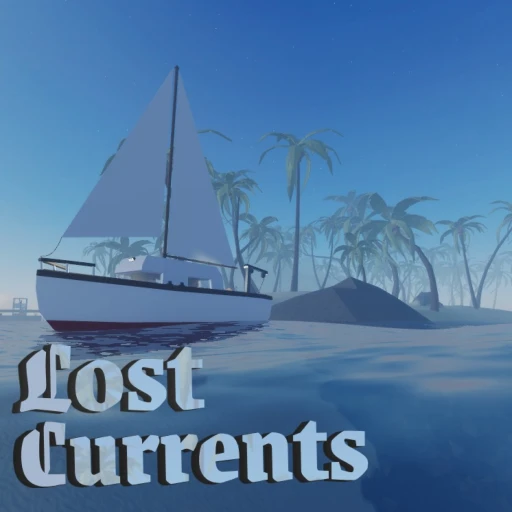
Lost Currents by flMindworks drops you and your friends onto a boat in the middle of the AZR sea with one objective: dive into the pitch-black ocean wearing nothing but an old diving helmet, grab as many gold bars as you can carry, and get back to the surface before something drags you under. With roughly 4.6 million visits and growing, a 90% approval rating, and frequent Alpha updates adding new depths to explore, this cooperative survival game has carved out a distinct niche on Roblox. This guide covers all 25 active codes, the best diving strategies, predator survival tactics, boat management tips, crafting priorities, and everything else you need to thrive in the dark waters below.
Table of Contents
- What Is Lost Currents?
- All 25 Active Lost Currents Codes (July 2026)
- How to Redeem Codes in Lost Currents
- Getting Started: Your First Dive
- Deep-Sea Diving Guide
- Predator Survival Tactics
- Boat Sailing & Management
- Crafting & Equipment Upgrades
- Team Strategies & Role Assignments
- Dark Ocean Secrets & Hidden Areas
- Frequently Asked Questions
What Is Lost Currents?
Lost Currents is a cooperative survival and exploration game on Roblox developed by flMindworks. The premise is straightforward but the execution is anything but simple. You and your crew sail a boat across the AZR sea, an open expanse of dark water hiding gold bars scattered across the ocean floor. One player straps on an old-fashioned diving helmet and descends into the murky depths while the rest of the crew stays topside, managing the boat and keeping watch.
The catch -- and the reason the game has a 90% approval rating -- is that you are not alone down there. Predators lurk in the deep, and the further you venture from the surface, the more dangerous the water becomes. Your diving helmet provides limited oxygen, your visibility decreases with depth, and the ocean floor is littered with hazards that can end a dive in seconds. Every trip underwater is a calculated risk: grab the gold and get out, or push deeper for bigger payouts and risk never surfacing again.
The game launched in Alpha and has been receiving consistent updates from flMindworks. New predator types, dive zones, crafting recipes, and boat upgrades arrive regularly. With around 4.6 million visits and a dedicated playerbase growing alongside each update, Lost Currents sits comfortably in the survival genre alongside games like Forsaken and Fisch, though it carves its own identity with the cooperative diving mechanic that no other Roblox game replicates quite the same way.

All 25 Active Lost Currents Codes (July 2026)
Lost Currents codes give you free gold, diving equipment boosts, exclusive cosmetics, and crafting materials. All 25 codes below are confirmed working as of July 2026. They are case-sensitive, so copy-pasting is the safest approach to avoid typos.
| Code | Rewards | Status |
|---|---|---|
| DEEPDIVE | 500 Gold, Oxygen Tank Boost | Active |
| AZRSEA | 750 Gold, Rare Diving Helmet Skin | Active |
| GOLDBAR | 1,000 Gold | Active |
| ALPHATEST | 500 Gold, Alpha Tester Badge | Active |
| CURRENTS | 300 Gold, Speed Fins | Active |
| SURVIVE | 400 Gold, Flare Gun (1x) | Active |
| SAILAWAY | 600 Gold, Boat Lantern | Active |
| DARKWATER | 500 Gold, Depth Gauge | Active |
| PREDATOR | 750 Gold, Predator Sonar (1x) | Active |
| HELMETON | 300 Gold, Bronze Helmet Skin | Active |
| CREWUP | 500 Gold, Crew Banner | Active |
| FLMIND | 1,000 Gold, Developer Sticker | Active |
| ANCHOR | 400 Gold, Anchor Charm | Active |
| OXYGEN | 300 Gold, Extra Air Canister (2x) | Active |
| SEAFLOOR | 500 Gold, Seafloor Map Fragment | Active |
| TREASURE | 800 Gold, Treasure Chest Cosmetic | Active |
| DIVERDOWN | 600 Gold, Weighted Boots | Active |
| NEWUPDATE | 500 Gold, Update Celebration Flare | Active (NEW) |
| MIDNIGHT | 400 Gold, Night Vision Goggles (1x) | Active |
| BOATLIFE | 350 Gold, Boat Horn | Active |
| GOLDRUSH | 1,200 Gold | Active |
| LURKER | 500 Gold, Camouflage Suit Skin | Active |
| SURFACE | 300 Gold, Life Preserver | Active |
| ABYSSAL | 900 Gold, Abyssal Lantern | Active |
| THANKYOU | 750 Gold, Exclusive Thank You Badge | Active |
Redeeming all 25 codes gives you a combined total of over 14,000 gold, plus a collection of diving equipment, cosmetics, and consumable items. That is a massive head start. The gold alone funds several rounds of equipment upgrades, and items like the Oxygen Tank Boost, Speed Fins, and Weighted Boots directly improve your diving performance from your very first session.
How to Redeem Codes in Lost Currents
The code redemption process in Lost Currents is straightforward once you know where to look. Follow these steps:
- Launch Lost Currents and wait for the game to fully load into the world.
- Open the game menu by clicking the menu icon on your screen.
- Locate the Codes button or input field within the menu interface.
- Type or paste your code into the text field exactly as shown (codes are case-sensitive).
- Press Redeem and your rewards will appear in your inventory immediately.
- Repeat for all 25 codes listed above to maximize your starting resources.
If a code fails, check the capitalization first. "DEEPDIVE" will not register as "deepdive" or "DeepDive." Copy-pasting directly from this guide eliminates that problem entirely. If a correctly typed code still fails, it may have expired since this guide was published -- Lost Currents is in active Alpha development, and the developer occasionally rotates codes with updates.
Getting Started: Your First Dive
Your first session in Lost Currents determines whether you understand the core gameplay loop or spend 30 minutes confused on the surface. Here is a focused plan for new players that covers the essentials without wasting time.
Spawning and Finding Your Boat
When you join a server, you spawn near the dock area. Your boat is your primary base of operations throughout the entire game. Walk to the dock, board your boat, and familiarize yourself with the controls. Sailing in Lost Currents is wind-dependent, so pay attention to wind direction indicators on your screen. Sailing with the wind moves you faster; sailing against it is slow and burns resources.
If you are playing with friends, have everyone board the same boat before setting off. The cooperative element is not optional flavor text -- it is the core design of the game. Solo diving is possible but significantly harder and less efficient than having a crew watching the boat while you are underwater.
Choosing Your First Dive Spot
Not all water is created equal in the AZR sea. Near the spawn area, the water is relatively shallow and the predator density is low. This is where you should do your first few dives. The gold bars near the surface are worth less than those in deeper waters, but surviving to collect them is what matters when you are learning the mechanics.
Avoid the temptation to sail far from spawn on your first session. Deep water means more valuable gold, but it also means less visibility, more aggressive predators, and longer ascent times back to the surface. Build your skills in shallow water first.

Understanding the Diving Mechanic
Diving in Lost Currents is deliberate and tense by design. You equip your old diving helmet, step off the boat, and sink. The helmet provides a limited oxygen supply that ticks down steadily. Your oxygen timer is the single most important number on your screen -- lose track of it and you will drown before reaching the surface.
Movement underwater is slower than on the surface. The Speed Fins from the CURRENTS code help considerably, but even with them, you cannot sprint through the water. Plan your route before you descend. Identify gold bar clusters on the ocean floor, swim directly to them, collect what you can, and ascend. Wandering aimlessly underwater is how new players run out of oxygen with pockets full of nothing.
Your First Gold Collection
Gold bars sit on the ocean floor, glinting faintly in the murky water. You can carry a limited number per dive, and that carrying capacity increases as you upgrade your equipment. On your first dives, focus on grabbing the closest gold bars and returning to the boat. Do not be greedy. A successful dive that nets 3 gold bars is better than an ambitious dive that gets you killed at 8.
When you surface, your crew should help you aboard quickly. Hand off your collected gold and take a moment to assess whether the area has been picked clean or if another dive at the same spot is worthwhile. If gold density is low, sail to a new location and repeat the process.
Deep-Sea Diving Guide
Once you have completed a few beginner dives and upgraded your basic equipment, deeper waters open up with significantly higher gold payouts. Here is how to maximize your returns while minimizing risk.
Oxygen Management
Oxygen is the hard limit on every dive. Your base diving helmet provides enough air for approximately 60-90 seconds underwater, depending on upgrades and consumables. The Extra Air Canisters from the OXYGEN code extend this, and upgraded helmets purchased with gold increase your base supply further.
A reliable rule of thumb: when your oxygen hits 40%, start ascending. This accounts for the swim time back to the surface plus a margin for unexpected delays like dodging a predator or getting disoriented. Cutting it to 20% is possible with experience, but new divers should build the 40% habit first.
Depth Tiers and Gold Values
The AZR sea is structured in rough depth tiers. Shallow water near the surface holds common gold bars worth base value. Mid-depth water, where the light starts fading, contains gold clusters worth two to three times as much. The deep zones -- where visibility drops to almost nothing -- hold the highest-value gold bars and rare salvage items, but predator activity in these zones is intense.
Progress through the depth tiers gradually. Each tier demands better equipment and more familiarity with predator behavior. Skipping from shallow to deep without adequate upgrades is a recipe for losing everything.
Navigation Underwater
Getting lost underwater is one of the most common causes of death in Lost Currents. The ocean floor has limited landmarks, and once visibility drops, every direction looks the same. The Depth Gauge from the DARKWATER code helps by showing your current depth, but directional awareness is still on you.
Before diving, orient yourself relative to the boat. Note which direction you descend and maintain a mental compass. If your crew is using voice chat, have someone on the boat call out your position relative to the hull. The Seafloor Map Fragment from the SEAFLOOR code reveals portions of the ocean floor layout, which becomes invaluable in deep zones where natural navigation cues disappear entirely.
Predator Survival Tactics
Predators are the primary threat in Lost Currents, and they are not scripted jump scares. These are AI-driven entities that patrol specific depth zones, react to movement, and can end your dive in a single attack. Understanding predator behavior is the difference between a productive session and a frustrating one.
Predator Types and Behavior
Lost Currents features several predator categories, each with distinct behavior patterns. Surface predators patrol the upper water column and are the first threat new players encounter. They tend to move in predictable patrol routes and are relatively easy to avoid once you learn their patterns. Mid-depth predators are faster and more aggressive, often attracted by rapid movement or the glow of collected gold bars. Deep-zone predators are the most dangerous -- they can appear from any direction, move erratically, and are difficult to spot in the low-visibility environment.
Avoidance Strategies
The most effective survival strategy is not fighting predators -- it is avoiding them entirely. Move slowly when you spot a predator in the distance. Rapid swimming attracts attention, while slow, deliberate movement often lets you slip past unnoticed. Use the seafloor terrain as cover. Rock formations, coral structures, and shipwreck debris block predator line-of-sight and create safe corridors for navigation.
The Predator Sonar item from the PREDATOR code gives you a one-time use ping that reveals all predators within a certain radius. Save this for deep dives where the stakes are highest. The Camouflage Suit Skin from the LURKER code, despite being listed as a cosmetic, may also reduce predator detection range -- test this during shallow dives before relying on it in the deep.

Emergency Ascent Protocol
If a predator spots you and begins closing in, your priority shifts from gold collection to survival. Drop any excess weight if the game allows it and swim upward toward the boat at full speed. The Flare Gun from the SURVIVE code can be fired underwater to temporarily disorient predators, buying you critical seconds during an emergency ascent. Your crew on the boat should be ready to pull you aboard the moment you surface.
Panicking and swimming in random directions is the worst possible response. Predators track erratic movement. A straight-line ascent toward your boat gives you the shortest path to safety and reduces the time you spend in the predator's engagement range.
Boat Sailing & Management
Your boat is more than a spawn point -- it is your lifeline, your storage, and your mobile base. Neglecting boat management is as dangerous as ignoring predators below the surface.
Sailing Fundamentals
Wind direction affects your sailing speed significantly. The wind indicator on your screen shows the current direction. Sailing with the wind at your back is fastest. Sailing perpendicular to the wind (beam reach) is moderate speed. Sailing directly into the wind is extremely slow and should be avoided when possible. Plan your routes between dive sites to take advantage of favorable wind angles.
The Boat Lantern from the SAILAWAY code illuminates the water around your boat at night, which serves two purposes: it helps your diver find the boat during ascent, and it reveals surface predators before they reach the hull. The Boat Horn from BOATLIFE can signal to your diver underwater that something is wrong on the surface, creating an audible warning to ascend immediately.
Positioning During Dives
Where you anchor the boat relative to the dive site matters. Position the boat directly above the highest concentration of gold bars so your diver has the shortest possible descent and ascent path. Drifting too far from the dive site while your partner is underwater can add 20-30 seconds to their ascent time -- seconds that could mean the difference between surfacing safely and running out of oxygen.
If conditions change while someone is diving -- a storm rolling in, predators surfacing near the boat, or the wind shifting unfavorably -- the boat crew needs to make a call: hold position and manage the situation, or signal the diver to abort. Clear communication between surface and diver is the backbone of successful Lost Currents gameplay.
Boat Upgrades
Gold bars can be invested into boat upgrades that improve sailing speed, hull durability, storage capacity, and onboard equipment. Prioritize storage capacity early, since carrying more gold per trip means fewer return voyages to sell your haul. After that, invest in hull durability -- losing your boat to a surface predator or storm damage is a devastating setback that costs more gold than the upgrade would have.
Crafting & Equipment Upgrades
Lost Currents has a crafting system that lets you build and upgrade diving equipment, boat components, and survival tools using materials gathered during dives.
Essential Equipment Upgrades
Your upgrade priority should follow this order for maximum impact on your gold-per-hour rate:
- Diving Helmet (Oxygen Capacity) -- More air means longer dives, which means more gold per trip. This is always the top priority.
- Fins (Swim Speed) -- Faster movement underwater reduces transit time and helps you escape predators. The Speed Fins from codes are a starter version; crafted fins are significantly better.
- Carrying Capacity -- Upgrades that let you hold more gold bars per dive directly increase your income without requiring you to dive more often.
- Boat Storage -- Once your personal carrying capacity increases, your boat storage needs to keep pace so you do not hit the cap and waste dive time.
- Visibility Gear -- Upgraded lanterns, depth gauges, and sonar tools make deep dives safer and more productive. Invest in these before attempting the deepest zones.
- Hull Durability -- Protects your boat from damage during storms and surface predator encounters. Not glamorous, but losing your boat is catastrophic.
Material Gathering
Crafting materials spawn alongside gold bars on the ocean floor, though they are less common. Some materials only appear in specific depth tiers, which creates a natural progression loop: you need mid-depth materials to craft gear for deep dives, and deep materials to craft the highest-tier equipment. Keep an eye out for unusual objects on the seabed that are not gold bars -- these are often crafting components that veteran players value more than the gold itself.
Team Strategies & Role Assignments
Lost Currents is built around teamwork, and the most efficient crews assign clear roles rather than improvising every session. Here is a breakdown of the key roles and how to execute them well.
The Diver
The diver does the dangerous work: descending into the ocean, collecting gold, avoiding predators, and managing oxygen. The best divers are methodical rather than reckless. They plan their routes before descending, communicate their depth and status to the surface crew, and know exactly when to abort a dive. If you are the diver, your job is not to be a hero -- it is to bring gold back alive.
The Boat Captain
The captain manages boat positioning, watches for surface threats, and maintains communication with the diver. This role requires patience and situational awareness. A good captain keeps the boat directly above the diver, adjusts for wind drift, and is ready to signal an emergency ascent at the first sign of danger. The captain also manages stored gold and tracks the crew's overall haul for the session.
The Lookout
On larger crews, a dedicated lookout scans the water for predator activity, incoming weather, and other players. The lookout relays information to both the captain and the diver. In rough conditions or predator-heavy zones, having a lookout frees the captain to focus on boat handling while someone else tracks threats.

Rotating Roles
The smartest crews rotate roles between dives. Diving is mentally exhausting -- maintaining constant awareness of oxygen, predators, and navigation simultaneously drains focus. Swapping the diver out every 3-4 dives keeps everyone sharp and gives each player experience in all three roles. This cross-training also means your crew can adapt if someone disconnects mid-session.
Dark Ocean Secrets & Hidden Areas
The AZR sea hides more than gold bars. flMindworks has scattered secrets throughout the game world that reward exploration beyond the standard dive-collect-sell loop.
Shipwrecks and Salvage
Sunken shipwrecks appear at various depths across the map. These wrecks contain high-value salvage items, rare crafting materials, and occasionally unique equipment that cannot be obtained through normal crafting. Shipwrecks are also some of the most dangerous locations in the game, as predators tend to congregate around them. Approach wrecks with full oxygen, use the Predator Sonar if available, and have your crew on high alert.
The Deep Zones
Beyond the standard depth tiers lie areas that most players never reach during casual sessions. These deep zones are characterized by near-total darkness, unique ambient sounds, and gold deposits worth ten times or more compared to surface finds. Reaching them requires fully upgraded oxygen capacity, advanced visibility gear, and a crew that communicates flawlessly. The rewards justify the risk, but only if your equipment and team coordination are both at peak performance.
Environmental Events
Lost Currents features dynamic events that change the ocean conditions during gameplay. Storms reduce visibility on the surface and create dangerous waves that can damage unupgraded boats. Predator migration events temporarily increase or decrease predator density in specific zones. Tidal shifts can reveal previously inaccessible cave systems along underwater cliff faces. Staying aware of these events and adapting your strategy accordingly separates experienced players from beginners.
The game's Alpha status means new secrets and environmental events are added with each update. Follow the Lost Currents Roblox page for update announcements, and check community channels for player discoveries that may not be documented in official patch notes.
Want Free Robux for Lost Currents Game Passes?
Earn free Robux through Earnaldo and grab game passes, equipment upgrades, or other Roblox items without spending your own money.
Frequently Asked Questions
Lost Currents is a cooperative survival and exploration game developed by flMindworks. You sail a boat with friends across the AZR sea, dive into the deep ocean wearing an old diving helmet to collect gold bars, and fight to survive against underwater predators. The game is currently in Alpha with frequent updates adding new content.
Open the game menu, locate the Codes button or input field, type or paste your code exactly as shown (codes are case-sensitive), and press Redeem. Your rewards will appear in your inventory immediately. If a code does not work, double-check spelling and capitalization.
Yes, Lost Currents is completely free to play on Roblox. All core gameplay features including boat sailing, diving, and gold collecting are available without spending Robux. Optional game passes provide convenience boosts, but nothing essential is locked behind a paywall.
Stay aware of your surroundings by scanning the water before descending. Move slowly to avoid attracting attention, and use the seafloor terrain as cover. Always dive with a partner who can watch for threats from the boat. If a predator spots you, swim directly toward the surface and your boat rather than panicking and moving erratically.
Gold bars are the primary currency. You collect them from the ocean floor during dives and use them to upgrade your diving helmet for more oxygen, improve your boat for better sailing performance, craft new equipment, and unlock access to deeper dive zones with higher-value rewards.
Lost Currents is in Alpha and receives frequent updates from flMindworks. Updates typically add new dive zones, predator types, crafting recipes, boat upgrades, and gameplay mechanics. Check the game's Roblox page and community channels for patch notes and announcements.
Solo play is possible but significantly harder. Without a crew managing the boat and watching for surface threats, you are responsible for everything yourself. Solo divers need to be more cautious with oxygen, more aware of predators, and more strategic about boat positioning. Playing with at least one other person is strongly recommended.
You can earn free Robux through platforms like Earnaldo. Complete simple tasks, earn credits, and withdraw Robux directly to your Roblox account. This lets you pick up Lost Currents game passes or other items without spending your own money.
Final Thoughts
Lost Currents occupies a space on Roblox that few other games touch. The cooperative diving mechanic, the tension of managing oxygen while predators circle below, and the satisfaction of surfacing with a full haul of gold bars create a gameplay loop that rewards patience, communication, and preparation over speed or reflexes. flMindworks has built something genuinely different in the survival genre, and the consistent Alpha updates suggest the game's best content is still ahead of it.
Start by redeeming all 25 active codes for over 14,000 gold and a collection of diving equipment that will carry you through your first several sessions. Focus on shallow-water dives while learning the mechanics. Upgrade your helmet oxygen capacity first, then your fins, then your carrying capacity. Play with friends whenever possible -- the cooperative design is not a suggestion, it is the foundation the entire game is built on.
If you want to grab game passes or other Roblox upgrades for Lost Currents without spending your own money, Earnaldo lets you earn free Robux through straightforward tasks. It is a practical way to enhance your experience without opening your wallet.
For more Roblox game guides, check out our coverage of Fisch, Forsaken, and Fish It! -- all solid picks if you enjoy ocean-themed games on the platform.
Stay sharp out there, and keep your oxygen in check.