Nok Piece Free Robux Guide (2026) — Devil Fruits, Codes & Leveling
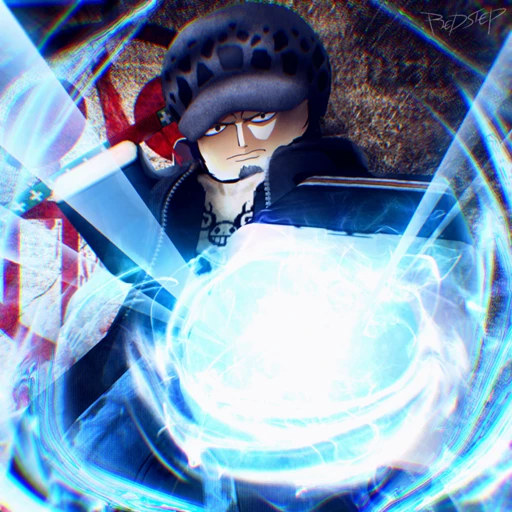
Nok Piece has pulled in over 28 million visits on Roblox since Nok Studio launched it in March 2021. Built around the One Piece universe, the game drops you into a pirate adventure where devil fruits spawn every 30 minutes, the max level sits at 750, and stat training caps at 1,000. Whether you're hunting Legendary Logias, grinding through ten islands of quests, or saving up a million Beli for Armament Haki, this guide covers the complete breakdown for 2026: every active code, the devil fruit tier list, a full island-by-island leveling path, weapon locations, boss strategies, and combat controls that give you an edge from your first fight.
Table of Contents
What Is Nok Piece?
Nok Piece is a One Piece-inspired adventure RPG developed by Nok Studio on Roblox. The game launched in March 2021 and has been growing steadily, crossing 28 million visits and attracting a dedicated community of anime RPG fans. The core gameplay loop revolves around exploring pirate-themed islands, completing quests from NPCs, fighting increasingly powerful enemies, and hunting for devil fruits that grant supernatural abilities.
What separates Nok Piece from the crowded field of One Piece Roblox games is its grounded approach to progression. The level cap of 750 paired with a 1,000-point stat cap means your build decisions carry real weight. You cannot max everything. Choosing where to invest your stat points shapes whether you become a devastating fruit user, a Haki-wielding brawler, or a sword-slashing combatant. That constraint forces meaningful choices that many similar games avoid.
The game currently features ten islands, each with its own level range, quest NPCs, enemy types, and boss encounters. You sail between islands on your own boat, picking up quests and farming enemies along the way. Devil fruits spawn on a fixed 30-minute timer and despawn after 15 minutes, creating a constant tension between grinding quests and checking known fruit spawn points. It is a balancing act that keeps the gameplay loop engaging across dozens of hours.

The controls are built for action combat. Press CTRL to sprint, Q to dash (essential for dodging attacks), Space for Geppo (air jump), and B to activate Armament Haki. These movement options give fights a fluid feel that rewards timing and positioning over raw stat numbers, especially in PvP encounters where a well-timed dash can save your life.
If you enjoy One Piece games on Roblox, you should also check out our guides on Grand Piece Online, Blox Fruits, and King Legacy. Each takes the source material in a different direction, and playing multiple games gives you a clearer picture of what Nok Piece does particularly well — namely, its tighter stat system and the urgency of its fruit spawn timers.
You can play Nok Piece right now on Roblox. The game supports mobile devices and continues to receive updates from Nok Studio.
All Active Nok Piece Codes (July 2026)
Nok Piece codes hand out free Beli (the in-game currency) and stat resets. Both are valuable: Beli funds everything from Haki purchases to weapon upgrades, and stat resets let you rebuild your character without starting over. These codes expire without warning, so redeem them the moment you see them.
| Code | Reward | Status |
|---|---|---|
| !UPDATE1 | Stat Reset | Active |
| !5KLike | 250K Beli (Requires Level 50) | Active |
| !Mocco | Stat Reset | Active |
| !PBack | 50K Beli | Active |
| !Flop | 100K Beli | Active |
How to Redeem Codes in Nok Piece
Unlike most Roblox games that use a dedicated code redemption UI, Nok Piece handles codes through the chat system. Here is the exact process.
- Launch Nok Piece from the Roblox game page and wait for your character to load into the world.
- Open the chat window by pressing the / key or clicking the chat icon in the top-left corner.
- Type the code exactly as shown, including the exclamation mark at the beginning (for example, !UPDATE1).
- Press Enter to send the message. Your reward applies immediately.
- Check your Beli balance or stat menu to confirm the reward was received.
If a code does not work, double-check that you included the exclamation mark and that the capitalization matches exactly. Nok Piece codes are case-sensitive. If the code is typed correctly and still fails, it has likely expired. The developers at Nok Studio do not announce code expirations in advance, so speed matters.
Devil Fruit Tier List (July 2026)
Devil fruits are one of the three primary combat paths in Nok Piece, alongside swords and fighting styles. They spawn across the map every 30 minutes and are grouped into four rarity tiers: Common, Uncommon, Rare, and Legendary. The rarity directly correlates with power — Legendary fruits outperform everything else in the game, and the gap is substantial.
S-Tier: Legendary Logias
Goro-Goro no Mi (Lightning) sits at the top of the Nok Piece fruit hierarchy. Lightning attacks deal massive burst damage with built-in stun effects that lock opponents in place. The AoE coverage is excellent for clearing groups of enemies during quest grinds, and the Logia intangibility means non-Haki enemies cannot touch you. In PvP, the stun chains create openings that skilled players turn into guaranteed kills.
Pika-Pika no Mi (Light) combines lethal damage with unmatched mobility. Light-based attacks hit hard at range, and the movement abilities let you cross islands in seconds. For players who prioritize speed — getting to fruit spawns first, escaping bad fights, and covering ground during quests — Pika-Pika is the ideal choice. The Logia intangibility adds a defensive layer that makes it forgiving for newer players to use effectively.
Mera-Mera no Mi (Fire) delivers consistent damage through fire-based attacks that deal both initial hit damage and burn effects over time. The area-denial properties make it strong in both PvE mob farming and PvP fights. Fire walls and explosions control space in ways that force opponents to reposition. As a Logia type, you gain intangibility against all non-Haki attacks.
Hie-Hie no Mi (Ice) focuses on crowd control. Ice attacks freeze enemies in place, creating windows for follow-up damage or safe repositioning. In group content, a Hie-Hie user can lock down an entire pack of enemies while teammates deal damage. The freezing effect also works in PvP, though experienced players can break free faster. Like all Logias, you are intangible against physical attacks from anyone without Haki.

A-Tier: Legendary Zoans and Paramecias
Tori-Tori no Mi (Phoenix) is the standout Zoan fruit. The Phoenix transformation grants flight, which opens up vertical movement options that no other fruit provides. The regeneration passive keeps you alive through fights that would end other builds. For long grinding sessions where you want to minimize downtime between encounters, Phoenix is the most consistent choice in the game.
Gura-Gura no Mi (Quake) brings pure destructive force. Quake punches create shockwaves that deal heavy AoE damage, making it the best Paramecia for farming dense groups of enemies. In PvP, the wide hitboxes make Gura-Gura hard to dodge. The tradeoff is that you lack Logia intangibility, so you need to actively dodge attacks rather than walking through them.
Hito Hito no Mi: Model Daibutsu (Buddha) transforms you into a massive golden statue with increased reach and defense. The size increase makes your melee attacks cover a wider area, turning basic punches into pseudo-AoE moves. The defensive boost from the transformation makes you surprisingly tanky. It is a strong pick for players who prefer a tanky brawler playstyle over pure damage.
B-Tier: Solid Rare Picks
Bari-Bari no Mi (Barrier) creates defensive barriers that block incoming damage. While not a high-damage fruit, the utility is significant — you can protect yourself during healing, block chokepoints in PvP, and create safe zones during boss fights. Bomb-Bomb no Mi turns your body into a living explosive, with punches that detonate on contact. The raw damage is respectable, and it pairs well with melee stat investment. Suke-Suke no Mi (Invisibility) grants stealth, which has obvious PvP applications for ambushes and escaping bad situations, though it offers less in straight combat.
C-Tier: Common and Uncommon Fruits
The lower-tier fruits are worth eating if you find them early and have nothing better. Any fruit is better than no fruit, and even a Common devil fruit gives you abilities that enhance your combat kit. The mistake new players make is holding out for a Legendary fruit while ignoring everything else. Eat what you find, and replace it when something better shows up.
Devil Fruit Spawn Mechanics
Understanding how fruit spawns work in Nok Piece gives you a real advantage over players who rely on luck. The spawn system operates on two timers that every serious fruit hunter needs to internalize.
Spawn timer: A devil fruit appears somewhere on the map every 30 minutes. The location is random, pulling from a set of predetermined spawn points scattered across all ten islands. There is no way to predict exactly where a fruit will appear, but learning the common spawn points on each island narrows your search area dramatically.
Despawn timer: Once a fruit spawns, it remains on the ground for 15 minutes before disappearing. This creates urgency — if you hear the spawn notification, you have a 15-minute window to find it before it vanishes. On busy servers with many players hunting fruits, that window effectively shrinks to whatever it takes for the fastest player to reach the spawn point.
The fruit rarity determines how likely you are to get a specific tier from the spawn pool. Common fruits appear most frequently, followed by Uncommon, Rare, and Legendary in decreasing order. Pulling a Legendary Logia like Goro-Goro or Pika-Pika from a random spawn is rare, which is exactly why those fruits dominate the tier list — supply is limited, and demand is constant.
Leveling Guide: 1 to 750
Reaching the max level of 750 in Nok Piece requires grinding through a structured island progression. Each island has specific level ranges, quest NPCs, and enemy types. Here is the complete path from your first quest to endgame content.
Levels 1-25: Bandit Island (Starting Area)
You spawn on Bandit Island. Walk to the center and talk to the Bandit NPC to pick up your first quest. Farm Bandits from levels 1 through 15 — each kill gives you 100 Beli and a solid chunk of XP. The enemies here go down quickly and pose minimal threat to fresh characters.
At level 15, head to the western part of the island and speak to the Blue Hair Pirate NPC. This opens up the level 15-25 quest chain. Blue Hair Pirates hit harder than Bandits but give proportionally more XP. Clear them until level 25, then prepare to sail.
Levels 25-75: Clown Island
Sail east from Bandit Island to reach Clown Island. On the eastern part of the island, find the Clown Pirate NPC offering quests for levels 25-50. These pirates cluster in the island's center, making them easy to farm in groups if you have an AoE devil fruit.
At level 50, switch to the Clown Captain NPC located on the opposite side of the street. The Captain quest covers levels 50-75 and introduces your first real difficulty spike. Clown Captains deal significantly more damage than regular Clown Pirates, so keep your health topped up and use Q-dashing to avoid their attacks.

Levels 75-150: Fishman Island
Sail east from Clown Island to find Fishman Island. Speak to the Fishman Pirate NPC for quests covering levels 75-100. Clear the pirates scattered around the island, then approach the Fishman Captain NPC standing near a wall that protects the mansion. The Captain quest covers levels 100-150.
The Fishman Captain is also a boss encounter. After completing enough quests, you will enter the courtyard and fight the Fishman Captain in a one-on-one duel. This boss hits hard and has a larger health pool than anything you have faced so far. Save your strongest abilities for this fight, use Q-dashes to avoid his heaviest attacks, and bring healing items if you have them.
Levels 150-250: Marine Island
From Clown Island, sail southwest to reach Marine Island. The Marine enemies here are a significant step up in difficulty — they deal more damage, have more health, and some use Haki-enhanced attacks that bypass Logia intangibility. This is the island where Logia users first learn that their intangibility is not an invincibility cheat. The Marine NPCs provide quests that take you through levels 150 to 250 in a steady progression.
Marine Island is also where many players save up their first million Beli to purchase Armament Haki. The enemies here drop more currency than earlier islands, so this is a natural farming spot for both XP and Beli.
Levels 250-300: Restaurant Island
After Marine Island, sail east to Restaurant Island. Talk to the Chef Pirate NPC on the first level to receive quests for levels 250-300. Chef Pirates are aggressive and fast, so stay on your toes and use Geppo (Space) to create distance when needed. The food-themed aesthetic of this island is a welcome change of scenery from the marine base grind.
Levels 300-750: Advanced Islands and Endgame
Beyond Restaurant Island, the remaining islands push you through increasingly difficult content toward the level 750 cap. Each island follows the same pattern: find the quest NPC, farm the local enemies, defeat any boss encounters, then sail to the next destination. The XP requirements per level increase substantially past 300, so expect each island to take longer than the ones before it.
Key endgame locations include Monkey Island, where monkeys drop the Mysterious Key (1% chance) needed to access Prison Island, and Boss Island, where high-value weapon drops spawn on a timer. Sky Island provides aerial combat challenges and unique drops found nowhere else in the game.
Haki & Combat Controls
Haki is the single most important system in Nok Piece outside of devil fruits. Without it, you cannot hit Logia users, and you are leaving significant damage on the table in every fight. Understanding both Haki and the combat controls transforms how you play.
Armament Haki (Buso Haki)
Armament Haki costs 1 million Beli and is purchased from the Buso Haki User NPC. Once bought, press B to activate it. Your character's arms coat in black energy, and your attacks gain two benefits: they can now damage Logia fruit users through their intangibility, and they deal increased damage to all targets.
Saving up 1 million Beli feels like a grind, but it is worth every coin. Once you have Haki, you gain a massive advantage in PvP because you can fight back against Logia users. Without Haki, a Goro-Goro or Pika-Pika user is functionally invincible against you. Prioritize Haki as soon as you can afford it.
Combat Controls Reference
| Key | Action | Usage |
|---|---|---|
| CTRL | Sprint | Faster movement across islands and during combat |
| Q | Dash | Quick directional dodge; essential for avoiding boss attacks |
| Space | Geppo (Air Jump) | Jump while airborne; chain multiple air jumps for vertical mobility |
| B | Armament Haki | Coat attacks in Haki energy; hit Logia users and increase damage |
| Click | Basic Attack | Standard melee punch or sword strike |
Combat Tips for PvP and PvE
The dash on Q is your most important defensive tool. Every boss in Nok Piece telegraphs their heavy attacks with a brief animation wind-up. Learning these tells and Q-dashing at the right moment turns fights from damage races into controlled encounters where you take minimal hits. This matters most on Marine Island and beyond, where enemies hit hard enough to chunk significant health.
Geppo chains (repeated Space presses while airborne) let you fight from the air against grounded enemies. Several devil fruit abilities can be cast while airborne, giving you a safe angle of attack against melee-focused enemies and bosses. Not every fruit benefits from aerial combat, but Mera-Mera and Goro-Goro users should be fighting from the sky whenever possible.
In PvP, the player who lands the first combo usually wins. Opening with a dash into a devil fruit stun ability creates a window for follow-up attacks. If your opponent dashes first, use Geppo to go airborne and punish their recovery frames. Fights between skilled players become a dance of dashes, air jumps, and ability timing.
Weapons Guide & Boss Drops
Weapons in Nok Piece complement your devil fruit abilities and Haki. The best weapons drop from specific bosses, and knowing which bosses to farm saves you hours of wasted effort.
Bisento — The Top Weapon
The Bisento is a massive halberd that drops from White Mustache, the boss of Prison Island. The drop rate is 10%, which sounds reasonable until you factor in the access requirements. To reach Prison Island, you need the Mysterious Key, which drops from monkeys on Monkey Island at a brutal 1% rate. Plan on farming monkeys for several hours before you even get to attempt the boss.
Once you have the key, sail to the southwestern corner of the map to find Prison Island. Unlock the castle gate, enter, and fight White Mustache. The boss hits extremely hard and has a large health pool. Come prepared with maxed Haki, a strong devil fruit build, and full health items. The Bisento's damage output and range make it the best weapon in the game for melee-focused builds.
Gryphon Sword — Boss Island Drop
The Gryphon is a katana with an elongated blade that spawns every hour on Boss Island with a 25% chance of appearing. Unlike the Bisento, you do not need to defeat a boss to obtain it — the sword spawns as a physical item on the island. The catch is that every player on the server can see it, so competition for Gryphon spawns is fierce on populated servers.

Other Notable Weapons
Several other weapons spawn across the islands or drop from specific enemies. Katanas, cutlasses, and other bladed weapons appear at various locations and offer different attack speeds and damage profiles. For most players, your goal is to pick up whatever weapon you find first, then upgrade to the Bisento or Gryphon as your level and gear allow. A basic weapon with strong stats behind it outperforms a rare weapon with bad stat allocation every time.
Stat Allocation & Training
Nok Piece caps your stats at 1,000 points total, distributed across multiple categories. This cap means you cannot max everything, so your allocation needs to be deliberate. Making the wrong choices here can stall your progression, which is why those stat reset codes are so valuable.
Recommended Builds
Fruit User Build: Pour the majority of your points into the devil fruit stat to maximize your ability damage. Supplement with enough health and defense to survive boss fights. This build dominates at range and excels with Logia fruits. Skip melee and sword stats entirely — your devil fruit does all the damage.
Sword Build: Invest heavily in sword mastery and melee damage. Add defense and health for survivability. Sword builds rely on close-range combos and benefit from weapons like the Bisento and Gryphon. This build becomes strongest at endgame when you have a top-tier weapon and maxed sword stats.
Hybrid Build: Split points between devil fruit and melee or sword stats. This is the most flexible but also the weakest at any one thing. Hybrid works for casual players who want to experience both combat styles, but it falls off in high-level PvP where focused builds dominate.
Training Stats to 1,000
Stats in Nok Piece increase through use. Swinging a sword trains your sword stat. Using devil fruit abilities trains your fruit stat. Taking damage trains your defense. The training system means that your stats grow organically as you play, but they grow faster if you focus on one activity. A player who exclusively uses devil fruit attacks will cap their fruit stat long before someone who splits time between fruits and swords.
The 1,000-point cap applies across all stats combined, not per individual stat. This means every point you put into one area is a point you cannot put into another. Plan your build around your primary combat style and commit to it. Spreading points evenly across all stats leaves you mediocre at everything.
How to Earn Free Robux for Nok Piece
Nok Piece is entirely free to play — you can reach max level, find every devil fruit, and unlock Haki without spending a single Robux. That said, game passes and cosmetic upgrades cost Robux, and having extra Robux gives you options. Earnaldo lets you earn free Robux by completing straightforward tasks, giving you currency for game passes without opening your wallet. Visit earnaldo.com/earn to see what is available today.
Earn Free Robux for Nok Piece
Stack Robux toward game passes and upgrades — no spending required.
Nok Piece FAQ (July 2026)
The best devil fruits are the Legendary Logias: Goro-Goro (Lightning), Pika-Pika (Light), Mera-Mera (Fire), and Hie-Hie (Ice). Goro-Goro stands out for raw damage and stun potential. Pika-Pika offers unmatched mobility. Tori-Tori (Phoenix) is the best Zoan for flight and regeneration. Gura-Gura (Quake) delivers the best AoE damage among Paramecias. For beginners, any Logia fruit grants intangibility against non-Haki attacks, which transforms the early game experience.
Yes. Active codes include !UPDATE1 (Stat Reset), !5KLike (250K Beli, requires level 50), !Mocco (Stat Reset), !PBack (50K Beli), and !Flop (100K Beli). Type the code directly into the in-game chat, including the exclamation mark. Codes are case-sensitive and expire without notice.
Follow the island progression: Bandit Island (1-25), Clown Island (25-75), Fishman Island (75-150), Marine Island (150-250), Restaurant Island (250-300), then advanced islands to 750. Focus on one damage stat rather than splitting points. Use stat resets from codes to optimize your build at each stage. Always fight enemies within your level range for maximum XP efficiency.
Devil fruits spawn randomly across the map every 30 minutes and despawn after 15 minutes. They appear at predetermined spawn points on various islands. Learn the spawn locations on your favorite grinding island and check them between quest runs. Fruits range from Common to Legendary rarity, with Legendary Logias being the rarest and most powerful.
Armament Haki costs 1 million Beli and is purchased from the Buso Haki User NPC. Once purchased, press B to activate it. Haki lets you hit Logia fruit users through their intangibility and increases your overall damage. Save up Beli from quests and enemy drops — Marine Island is the best farming spot for Beli due to higher enemy payouts.
The Bisento drops from White Mustache on Prison Island at a 10% rate. To access Prison Island, farm monkeys on Monkey Island for the Mysterious Key (1% drop rate). Once you have the key, sail to the southwestern corner of the map, unlock the castle gate on Prison Island, and defeat White Mustache. The boss is tough, so come prepared with strong stats and Haki.
The maximum level is 750, and the maximum stat cap is 1,000 points total across all stat categories. Reaching max level requires grinding through all island quest chains. Focus your stat points into one or two primary stats for the most effective build rather than spreading them across every category.
Yes, Nok Piece is completely free to play. You can find devil fruits on the map, complete all quests, unlock Haki, obtain boss weapons, and reach the max level of 750 without spending Robux. Optional game passes exist for convenience, but all core content is accessible to free players from day one.