PARANORMAL vs Doors (2026) -- Which Roblox Game Is Better?
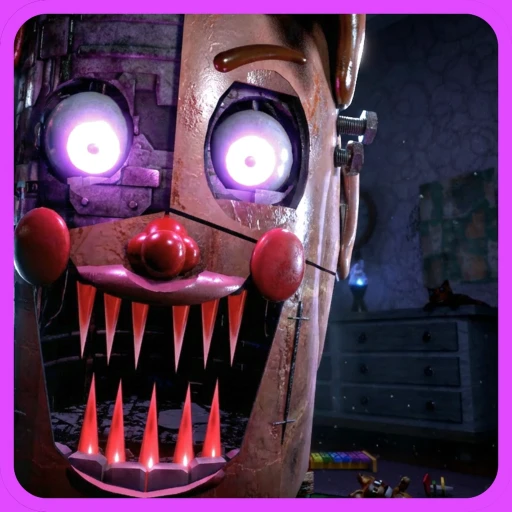
Two of Roblox's most talked-about horror games pull you into the dark in completely different ways. PARANORMAL is a slow, found-footage haunted-house investigation built by MetroPunk Studio, where you play as Nathan trying to rescue your sister from a demon. Doors, made by LSPLASH, is a corridor survival run where you open numbered door after numbered door and react to entities like Rush, Seek, and Ambush before they catch you.
Together these two have racked up well over 7.4 billion combined visits, and they sit at opposite ends of the horror spectrum. One is methodical and atmospheric; the other is fast, twitchy, and endlessly replayable. This comparison breaks down gameplay, progression, player counts, monetization, and community so you can pick the right scare for you in June 2026.
PARANORMAL vs Doors -- Quick Stats (2026)
| Category | PARANORMAL | Doors |
|---|---|---|
| Genre | Co-op haunted-house investigation horror | Corridor survival horror |
| Place ID | 16426359665 | 6516141723 |
| Developer | MetroPunk Studio | LSPLASH |
| Concurrent Players | ~1,842 | ~7,000 |
| Total Visits | 24M+ | 7.4B+ |
| Core Loop | Explore rooms, gather clues, manage battery, avoid the demon | Open numbered doors, dodge entities, push deeper |
| Key Features | Found-footage camera, act story, token store, Revolver | Rush, Ambush, Seek, Figure, Knobs, Jeff's Shop |
| Trading System | No player trading | No player trading |
| Mobile-Friendly | Yes | Yes |
| Free-to-Play | Yes | Yes |
Gameplay -- What Do You Actually Do?
PARANORMAL
PARANORMAL is a first-person investigation where exploration is the whole game. You start with a flashlight and a draining battery, and your job is to search every drawer, cabinet, and shelf for the clues that advance the story. There is no power fantasy here. Most of your run is spent looking, listening, and deciding when to move and when to freeze in the dark.
The controls are short enough to learn in one session. Press F to toggle the flashlight, E to interact, Q to drop an item, and hold Control to crouch and move quietly. The demon and other entities react to light and sound, so a sprinting player with the flashlight blazing is the easiest target in the house. Survival comes from patience, not reflexes.
Resource management ties it all together. Tokens you scavenge during a run buy batteries, Revolver ammo, and healing from the in-game store. Spending with intent matters, since blowing tokens on the first item you see leaves you short when an act actually demands ammo or light. PARANORMAL plays like a horror puzzle you slowly solve.
Combat exists, but it is a last resort rather than a strategy. The Revolver and melee items you buy with tokens are situational tools for the moment an entity corners you, not a way to clear rooms. Block with Space to buy the half-second you need to break line of sight, then slip away. Players who treat every encounter as a fight burn through ammo and die; players who treat the demon as a hazard to dodge last far longer.
Doors
Doors is reaction horror. You progress through a hotel of numbered rooms, opening one door after another, and each door can spawn an entity that wants you dead. The first big threat is Rush, a black-fog entity that screams down the hallway and forces you into a closet or under a bed before it passes. Miss the tell and the run ends.
The entity roster is what makes Doors special. Ambush behaves like Rush but glows green and pink and rebounds several times instead of passing once. Seek triggers a chase sequence where you sprint and dodge obstacles, and Figure forces you to hide and hold your breath in the library and dungeon. Learning each entity's tell is the core skill loop.
Structure-wise, Doors spans multiple areas: The Hotel, The Mines, The Rooms, and The Backdoor. The Hotel runs from Door 1 to Door 100, then The Mines takes over with darker, lantern-lit caverns and new threats. A standard run is 1 to 4 players in matchmaking, though personal elevators support up to 50. The April 1, 2026 update even added a permanent Rush Mode where every entity looks and sounds like Rush, Figure and Seek move significantly faster, and a shooting mechanic enters the picture.
Hiding is the verb that defines Doors. Closets and beds are your safe spots, and learning which entity demands which reaction is the difference between Door 50 and a fresh run. Halt forces you to reverse direction in a hallway, Eyes punishes you for looking at it, and Timothy is a harmless jump scare that teaches you not to panic at every drawer. The skill ceiling is reading tells in under a second.
Progression -- How Quickly Does It Hook You? (2026)
These two hook you on different timelines. Doors grabs you within the first 50 doors, because the Hotel teaches Rush, Ambush, and Seek fast and gives you a clear target: survive to Door 100 and reach The Mines. The loop is short, punchy, and immediately replayable, so a first death usually leads straight into a retry.
PARANORMAL is a slower burn built around acts. The opening act, Mind Games, eases you into exploration and the core mechanics while scares stay manageable. The later Ghost Hunters act ramps the intensity hard as you close in on saving your sister. Each act gates you behind clues, so you cannot rush, and that deliberate pacing is the point.
For instant gratification, Doors wins. For a building, story-driven sense of dread that pays off over a longer session, PARANORMAL pulls ahead. New players tend to bounce off PARANORMAL faster because it asks for patience before it rewards you.
Graphics and Audio (2026)
PARANORMAL commits hard to a found-footage look, with realistic camera shake, heavy grain, and dynamic lighting that makes a dark hallway genuinely uncomfortable. The audio design leans on ambient creaks and sudden stings, and playing solo with headphones is where it lands hardest. It is one of the more atmospheric horror titles on the platform.
Doors counters with razor-sharp sound design that doubles as a gameplay mechanic. Rush's scream, Ambush's chime, and the door rumble are all audio tells you learn to read, so good headphones literally keep you alive. The visuals are cleaner and more stylized than PARANORMAL's grime, but the lighting and entity design still sell the scares.
Edge: PARANORMAL for raw atmospheric immersion, but Doors for audio that is woven directly into survival. If you judge purely on mood, PARANORMAL edges it; if you judge on functional sound design, Doors wins.
Player Count and Community (July 2026)
The gap here is enormous. Doors is one of the biggest horror games in Roblox history, having passed 7.4 billion total visits and holding roughly 7,000 concurrent players as of July 2026. It ranks among the most-visited experiences on the platform, and matchmaking fills instantly at any hour.
PARANORMAL is a strong but much smaller and newer title, sitting near 24 million visits with around 1,842 players in at a given moment. Its community approval hovers around 92 percent, which is high for a jump-scare horror game. You will still find co-op lobbies, just not the wall-to-wall population Doors enjoys.
Community support follows the size. Doors has a sprawling ecosystem of wikis, speedrun leaderboards, and active Discords, plus a steady stream of YouTube and Twitch content built around its entities. PARANORMAL's resources are thinner and centered on the MetroPunk Studio Discord and YouTube channel, which is where new codes and updates get announced first.
That size gap also shapes how each game evolves. Doors ships large milestone updates that the whole community dissects within hours, like the April 2026 Rush Mode launch. PARANORMAL updates land quieter and reach a smaller crowd, so news travels through a tighter circle of dedicated players rather than a platform-wide buzz.
Edge: Doors, decisively, on both population and community depth.
Game Passes and Monetization (2026)
Both games are free to finish, and both sell optional extras rather than pay-to-win advantages. PARANORMAL offers around four game passes covering bonus box bundles and alternate ending content, layered on top of a story you can complete entirely for free with scavenged tokens and code rewards.
Doors monetizes through Knobs, the currency spent in Jeff's Shop on items like the Lockpick, the Vitamins, and the Lighter, plus optional Robux passes for cosmetics and quality-of-life perks. Knobs are earned in-run or topped up with Robux, and the game also hands out free Knobs, Stardust, and Revivals through occasional codes. Neither game locks the ending behind a paywall.
Edge: Doors, for a deeper and more rewarding in-game economy that still respects free players. PARANORMAL's passes are fine but lighter and less central to the experience.
Social Features (2026)
PARANORMAL supports co-op for up to six players, and splitting up to cover puzzles faster is genuinely useful in the larger acts. The catch is that six flashlights blazing in one room is a beacon for entities, so coordinating light and silence becomes a social skill of its own. Solo play, though, is where the horror bites hardest.
Doors is built for 1 to 4 players in standard matchmaking, with personal elevators stretching to 50 for big group runs. Reviving downed teammates, sharing Knobs, and calling out entity tells make Doors the more naturally cooperative experience. The chaos of a four-player closet scramble during a Rush is a big part of its appeal.
Edge: Doors, for tighter, more replayable group play. PARANORMAL co-op is good, but the game is at its best alone.
Replay Value (2026)
Doors is built to be replayed forever. Procedural room layouts, randomized entity spawns, a growing list of floors, and the permanent Rush Mode from April 2026 mean no two runs feel identical. Chasing achievements, faster clears, and deeper floors keeps the loop alive for hundreds of sessions.
PARANORMAL is more finite. It is a story you work through across acts, and once you have rescued your sister and seen the endings, the replay pull drops. Hunting alternate endings and replaying for the atmosphere with friends extends it, but it is a curated experience rather than an endless one.
Edge: Doors, by a wide margin, for sheer longevity.
Earning Free Robux While You Play
Both games have optional passes worth a little Robux, whether that is a PARANORMAL ending pass or Knobs and cosmetics in Doors. You can read the full breakdown of each game in our PARANORMAL free Robux guide and our Doors free Robux guide, and our roundup of every legit method lives in the 2026 guide to getting free Robux. Earnaldo lets you fund those passes by completing simple tasks and withdrawing real Robux.
Earn Free Robux for PARANORMAL or Doors
Complete simple tasks on Earnaldo and withdraw real Robux -- no surveys, no downloads.
Head-to-Head Verdict -- PARANORMAL vs Doors in 2026
The Verdict
Choose PARANORMAL if you want a slow, atmospheric, story-driven scare. It rewards patience, careful exploration, and tight battery management, and it is at its most terrifying when you play solo with headphones in a dark room.
Choose Doors if you want fast, replayable, reaction-based horror with a deep roster of entities and a massive active community. The floor-by-floor structure and procedural runs mean it almost never gets stale.
Overall: Doors is the bigger, more replayable, more polished package and the easier first pick for most players in June 2026. PARANORMAL wins on pure atmospheric dread and a narrative payoff, so the genuinely scary answer is to keep both installed for different moods.
Who Should Play What?
- You love story and atmosphere: PARANORMAL, because its act-based haunted-house narrative builds dread over a full session.
- You want fast, replayable runs: Doors, because procedural floors and randomized entities keep every run fresh.
- You are a solo player: PARANORMAL, because the horror is sharpest when no teammate can steady your nerve.
- You play in a group: Doors, because reviving teammates and calling out entity tells make it the better co-op chaos.
- You create content: Doors, because its huge audience and recognizable entities pull the bigger viewership.
- You want to earn Robux: Both work with Earnaldo.
Frequently Asked Questions
Doors is far larger by raw numbers. As of June 2026 Doors has passed 7.4 billion total visits and routinely holds around 7,000 concurrent players, while PARANORMAL sits near 24 million visits with roughly 1,842 players at a given moment. Doors is one of Roblox's biggest horror hits ever; PARANORMAL is a strong but much newer and smaller co-op horror title.
PARANORMAL is a slow-burn haunted-house investigation where you play as Nathan exploring rooms, managing flashlight battery, gathering clues, and avoiding a demon to rescue your sister. Doors is a corridor survival run where you open numbered doors one after another and react to entities like Rush, Seek, and Ambush. PARANORMAL rewards patience and exploration; Doors rewards fast reactions and memory.
Both work solo, but they feel different alone. PARANORMAL is arguably scarier solo because no teammate can steady your nerve when the demon appears in a dark room. Doors is fully playable alone and its entities are tuned for one to four players, so solo runs are tense but fair. For pure atmospheric dread, PARANORMAL wins solo; for replayable solo runs, Doors edges ahead.
Doors has the deeper and more iconic roster, with named entities like Rush, Ambush, Seek, Figure, and the Halt corridor, each with its own tell and counter. PARANORMAL leans on a smaller cast led by the demon and a found-footage atmosphere rather than a long enemy list. If you want a variety of distinct threats to learn, Doors has the edge. You can read more on the Doors entity wiki.
Yes, both are free to play on Roblox. PARANORMAL offers around four optional game passes for bonus boxes and ending content, and Doors sells optional passes and Knobs through Jeff's Shop. Neither game requires Robux to finish, since the core experience in both is fully playable for free.
If you have never played either, start with Doors. It has a gentler learning curve, a massive active community, and a clear floor-by-floor structure that teaches horror-survival basics fast. Once you want a slower, story-driven scare with resource management, move to PARANORMAL. Many players keep both installed for different moods.