Last checked: June 10, 2026
PETAPETA Free Robux Guide (2026) — All 6 Levels, Codes & Survival Tips
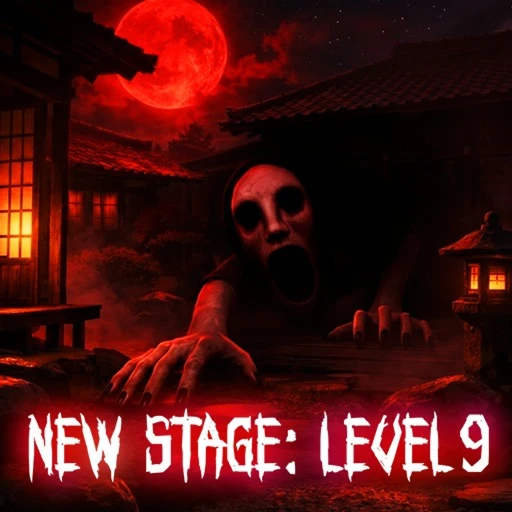
PETAPETA is a Japanese-inspired horror puzzle game on Roblox where you're trapped inside a haunted building and need to exorcise a terrifying creature across 6 increasingly brutal levels. Developed by Omochi Studio, the game has racked up over 553 million visits and consistently holds around 5,000 concurrent players — numbers that put it firmly in the upper tier of Roblox horror games. The premise is straightforward: solve puzzles, find ritual items, place Ofuda charms, and get out alive. The execution is anything but straightforward.
This guide breaks down every level of PETAPETA from start to finish — puzzle solutions, monster behavior patterns, the best items to buy with your Zeni, and strategies that'll keep you alive through the game's hardest sections. Whether you're stuck on Level 3's creepy wall hole or getting demolished by Level 6's obstacle course, everything you need is covered below.
Table of Contents
1. PETAPETA Overview & Stats (2026)
PETAPETA was created by Omochi Studio and sits in the horror/puzzle genre on Roblox. The game's name comes from the Japanese onomatopoeia for the sound of bare feet slapping against a floor — which is exactly what you'll hear when the creature is nearby. That audio design choice sets the tone for a game that relies heavily on atmosphere and sound cues rather than cheap jump scares (though those happen too).
With 553 million total visits, PETAPETA has outpaced many other horror titles on the platform. The consistent player count of around 5,000 concurrent players shows this isn't a game that spiked and died — people keep coming back, partly because the 6-level structure gives genuine progression to work through, and partly because later levels are hard enough that most players need multiple attempts to clear them.

The game draws from Japanese horror traditions — Ofuda charms (the paper talismans you see in Shinto shrines), ritual exorcism mechanics, and a building that feels pulled from a J-horror film. If you've played games like Fatal Frame or watched movies like Ju-On, the atmosphere will feel familiar. Omochi Studio nailed the vibe in a way that most Roblox horror games don't even attempt.
PETAPETA supports all platforms that run Roblox: Windows, macOS, iOS, Android, Xbox, PlayStation, and Meta Quest. The horror atmosphere works surprisingly well on mobile, though you'll want headphones for the full experience. Sound design carries a lot of weight in this game, and playing without audio means missing critical warning cues.
2. How PETAPETA Works — Core Mechanics
Each level of PETAPETA follows the same basic loop: you're inside a haunted building, you need to find specific items and solve puzzles, and the PETAPETA creature is actively hunting you while you work. The twist is that each level changes the puzzle structure and makes the monster faster and more aggressive. What works in Level 1 won't save you in Level 5.
The core mechanics break down into three pillars:
Puzzle Solving
Every level has a sequence of objects to find and actions to perform. Keys open doors. Codes open safes. Ritual items need to be placed in specific locations. The puzzles aren't brain-melting logic challenges — they're scavenger hunts with a time pressure. You need to explore the building, locate items, and figure out where they go, all while a monster is patrolling the halls.
The puzzle difficulty comes from the environment, not the puzzles themselves. Finding a key in a dimly lit room while your screen is shaking red because the creature is two rooms away is a different experience than finding a key in a calm, well-lit space. PETAPETA understands that horror and puzzle-solving create tension when layered together.
Monster Evasion
The PETAPETA creature patrols the building on a semi-random path. When it gets close to you, your screen turns red and starts shaking. You'll also hear audio cues — the footstep sounds that give the game its name get louder as the monster approaches. These warnings give you a few seconds to react before the creature reaches you.
Your primary evasion tools are hiding spots. Closets and desks are scattered throughout the building. When you hear or see the warning signs, you need to get into the nearest hiding spot and wait until the creature passes. Timing is everything — hide too early and you waste time you could be solving puzzles. Hide too late and the monster catches you.
Progression and Currency
Completing levels and collecting pickups throughout runs earns you Zeni, the in-game currency. Zeni lets you buy items from the shop that make future runs easier — things like Onigiri for faster movement, better flashlights for visibility, and Party Poppers that can stun the monster. The currency system creates a natural progression loop: even failed runs earn you some Zeni, so every attempt brings you closer to being better equipped for the next one.
3. Complete Level-by-Level Walkthrough
Here's what each of PETAPETA's 6 levels throws at you, along with the specific puzzle solutions and strategies that'll get you through them.
Level 1 — The Introduction
Level 1 teaches you the fundamentals without overwhelming you. The monster moves at its slowest speed, and the puzzle sequence is linear. Your objectives are:
- Find the key and box. These are in the early rooms of the building. The key unlocks a door to a new area, and the box contains your first Ofuda charm — the paper talisman used for exorcism.
- Get the Ofuda charm from the box. Interact with the box once you've found it to receive the charm.
- Place the Ofuda in the hallway. The charm needs to go in a specific spot in the main hallway. This acts as bait for the PETAPETA creature.
- Bait the monster to the charm. Once placed, the Ofuda draws the creature toward it. You need to lure PETAPETA into the hallway where the charm is placed to complete the exorcism.
Level 1 is forgiving. The monster is slow, hiding spots are plentiful, and the building layout is small enough that you won't get lost. Use this level to learn the rhythm of the game: explore, find items, watch for warning signs, hide when needed, continue exploring.
Level 2 — Safe Cracking
Level 2 introduces combination codes. The core objective is finding a safe code that unlocks a safe containing a key. The code is hidden somewhere in the environment — look at objects, walls, and notes scattered around the building. The monster is slightly faster than Level 1, but the biggest change is the puzzle complexity. You're no longer just finding items and placing them; you need to observe the environment for clues.

The safe code changes between games, so you can't just memorize a single combination from a YouTube video. You need to actually search the building each time. This is a smart design choice that keeps Level 2 interesting on repeat plays rather than becoming a speedrun through memorized steps.
Level 3 — The Creepy Hole
Level 3 is where PETAPETA starts getting real. The monster moves noticeably faster, and the key puzzle mechanic involves staring into a creepy hole in the wall to find a code. Yes, you have to put your face up to a hole in a wall in a haunted building while a monster is hunting you. The developers knew exactly what they were doing with this one.
The hole reveals a code that you need for progression. The tension here is psychological — while you're staring into the hole and waiting for the code to appear, you're completely vulnerable. You can't see behind you, you can't check for warning signs easily, and the camera angle makes the experience genuinely unsettling. Have a hiding spot located before you approach the hole, and make sure your screen isn't already showing red warning signs before you commit to looking inside.
Level 4 — Root of Grudges
Level 4 adds a multi-step puzzle chain. You need to solve an initial puzzle to obtain a photograph called the "Root of Grudges," then use that photo in combination with an Ofuda charm to progress the exorcism. The puzzle-to-placement pipeline is longer than previous levels, meaning you spend more time in the open and more time at risk.
The monster's speed continues to increase, and the building layout in Level 4 is more complex with additional rooms and corridors. The added space means more ground to cover when searching for items, but it also means more hiding spots. Balance your exploration between thorough searching and staying near cover.
Level 5 — The Ritual
Level 5 is the most complex puzzle in the game. The monster is significantly faster, and you need to complete a full ritual to progress. Here's the sequence:
- Find the Ritual Rope in the safelocker. The safelocker code is displayed on TV screens throughout the building. Check every TV you pass — the code appears on one of them.
- Find the Lighter. Search desks and shelves throughout the building.
- Find the Plate. Another item hidden in the building's rooms.
- Tie the Ritual Rope around the pillars. Specific pillars in the building need to be wrapped with the rope.
- Burn the picture. Use the Lighter on the Root of Grudges photograph to complete the ritual.
Level 5 is where most players hit a wall. The number of items you need to find is higher than any previous level, the monster is fast enough that you can't outrun it without Onigiri, and the multi-step ritual means you're spending a long time exposed. This is the level where your Zeni shop purchases start paying for themselves — Party Poppers to stun the monster and Onigiri for speed are close to mandatory here.

Level 6 — The Gauntlet
Level 6 changes the formula entirely. Party Poppers are disabled — you can't stun the monster at all. Instead of a puzzle-focused level, you're thrown into an obstacle course that you need to complete while PETAPETA actively chases you. On top of that, you need to find 4 colored blocks hidden in lockers throughout the building.
You get exactly 2 revives per run in Level 6. That's it. Die three times and you're starting over. The combination of no stun items, an aggressive monster, obstacle course mechanics, and a strict revive limit makes Level 6 the hardest content in the game by a wide margin.
The 4 colored blocks are each in different lockers scattered around the level. Finding them requires exploration, which means spending time in the open while a fast monster chases you through an obstacle course. The key to Level 6 is memorizing locker locations across multiple attempts. Your first few runs will be reconnaissance — learn where the blocks are, learn the obstacle course layout, learn the monster's patrol patterns. Then execute on a clean run with that knowledge.
4. Understanding the PETAPETA Monster
The PETAPETA creature is the constant threat across all 6 levels. Understanding its behavior is the difference between smooth clears and frustrating deaths. Here's what you need to know about how the monster operates.
Warning System
PETAPETA gives you two types of warnings before it reaches you. First, your screen turns red and begins shaking — this is the visual warning that the creature is in your area. Second, audio cues intensify as the monster gets closer. The pattering footstep sounds that give the game its name grow louder based on proximity. Both warnings trigger at roughly the same range, so you'll usually notice them simultaneously.
The warning window gives you approximately 3-5 seconds to find cover before the monster reaches your location. In Levels 1 and 2, that's plenty of time. By Level 5, the monster moves fast enough that 3 seconds feels like nothing. Your reaction time to these warnings needs to improve as you progress.
Speed Scaling
The monster gets faster with each level. In Level 1, you can outrun PETAPETA at normal walking speed with room to spare. By Level 3, the creature matches your base walking speed, meaning you need to sprint to create distance. In Level 5, the monster is fast enough that even sprinting only buys you a few extra seconds. By Level 6, Onigiri's speed boost is practically required to stay ahead.
This speed scaling is the primary difficulty driver in PETAPETA. The puzzles don't get dramatically harder — they get more complex and time-consuming, yes, but they're not requiring you to solve differential equations. The difficulty comes from doing those same types of tasks while a progressively faster threat bears down on you.
Patrol Patterns
PETAPETA follows semi-random patrol routes through the building. The creature doesn't beeline straight to your location (except in certain scripted moments). Instead, it wanders through hallways and rooms on a patrol path that occasionally intersects with your position. This means you can sometimes avoid the monster entirely by staying in areas it hasn't patrolled to yet.
Learning the general flow of patrol routes for each level helps you plan your puzzle-solving sequence. If you know the monster tends to patrol the east wing first, start your puzzle work in the west wing and move east after the creature has passed through. This isn't foolproof — the randomness means the monster sometimes breaks pattern — but it gives you better odds than wandering blindly.

5. Zeni Currency & Shop Guide
Zeni is PETAPETA's in-game currency, earned by collecting pickups scattered throughout levels and by completing levels successfully. You don't need to spend real money to earn Zeni — it's entirely gameplay-driven. How you spend it, though, makes a significant difference in your ability to clear later levels.
| Item | Cost | Effect | Priority |
|---|---|---|---|
| Paint Spray | 500 Zeni | Cosmetic customization | Low |
| Onigiri | Varies | Faster running speed | High |
| Flashlight Upgrades | Varies | Better visibility in dark areas | Medium |
| Revives | Varies | Extra lives per run | High |
| Party Poppers | Varies | Stun PETAPETA temporarily | High (Levels 1-5) |
What to Buy First
Onigiri should be your first purchase priority. The faster running speed it provides is useful in every single level and becomes close to mandatory from Level 3 onward. When the monster's speed scales up, your base movement speed isn't enough to create safe distance. Onigiri closes that gap and keeps you viable in the later levels.
Party Poppers are your second priority. The ability to stun PETAPETA when it gets too close is a lifesaver, especially in Levels 4 and 5 where the puzzles require you to stay in one spot for extended periods. One well-timed Party Popper can buy you the 5 seconds you need to finish placing an Ofuda charm or entering a safe code. Remember that Party Poppers don't work in Level 6, so don't stockpile them exclusively.
Flashlight upgrades are a quality-of-life improvement. The default flashlight works fine, but better flashlights illuminate a wider area, making it easier to spot items and navigate rooms quickly. In a game where speed of exploration directly impacts your survival, seeing more of each room at a glance saves meaningful time.
Revives are situational. They're most valuable when you're learning a new level and expect to die a few times before you figure out the puzzle sequence. Once you've memorized a level's layout and puzzles, you'll die less frequently and revives become less necessary. Save your Zeni for Onigiri and Party Poppers instead.
Paint Spray at 500 Zeni is purely cosmetic. It lets you customize your character's appearance but provides zero gameplay benefit. Buy it if you've already purchased everything else and have Zeni to spare. Otherwise, skip it entirely.
6. Codes & Rewards
As of May 2026, PETAPETA does not have any active codes. The game doesn't currently feature a code redemption system. There's no text box to enter codes, no social media promotional codes, and no special unlock codes of any kind.
All progression in PETAPETA is earned through gameplay. Zeni comes from collecting pickups during runs and completing levels. There are no shortcuts through codes, and any website or social media post claiming to have "PETAPETA codes" or "free Zeni codes" is not legitimate.
This could change in a future update — Omochi Studio may decide to add a code system for promotional events or community milestones. If that happens, this section will be updated immediately with every working code.
7. Advanced Survival Tips
Beyond the level-specific strategies covered above, these general tips apply across all 6 levels and will improve your consistency in PETAPETA.
Always Wear Headphones
This can't be overstated. PETAPETA's sound design is a core gameplay mechanic, not just atmosphere. The footstep audio cues tell you how close the monster is and roughly which direction it's coming from. Playing without audio is like playing with half your screen covered — you're missing critical information that directly impacts your survival. Stereo headphones are ideal because they let you distinguish left-channel versus right-channel sounds, giving you directional awareness.
Map the Building on Your First Run
Every new level, your first priority should be learning the layout rather than solving puzzles. Run through the building, note where doors lead, find all hiding spots, and get a feel for the room connections. This reconnaissance run will cost you a life or two, but the spatial awareness it builds saves you far more time on subsequent attempts. Knowing that there's a closet two rooms to the left means you can commit to exploring in that direction with confidence.
Don't Panic When the Screen Goes Red
The red screen effect is designed to create panic, and it works. Your instinct when the screen goes red is to sprint in a random direction, but that's the worst possible response. Instead, calmly identify the nearest hiding spot (which you've already memorized from your mapping run) and walk directly to it. Sprinting creates noise that can attract the monster's attention. A calm, direct path to a hiding spot is more reliable than a panicked sprint into a dead end.
Manage Your Party Poppers Like a Resource
Don't throw a Party Popper every time the monster gets close. You have a limited supply per run, and wasting them early means having none when you need them most — typically during the final puzzle steps when you're committed to a specific location and can't easily run to a hiding spot. Save Party Poppers for moments when you're mid-puzzle and can't afford to hide.
Use Failed Runs as Information
Every death in PETAPETA teaches you something. Where were you when the monster caught you? What were you doing? Could you have chosen a different route? Were you too far from a hiding spot? Treat each failed run as data collection rather than failure. The players who clear Level 6 aren't necessarily more skilled — they've just accumulated more information about the level through repeated attempts.
Coordinate in Multiplayer
PETAPETA can be played with other people. If you're in a server with other players, coordinate your puzzle-solving. One player can watch for the monster while another works on a puzzle. One player can act as bait while another grabs an item from a dangerous room. Communication turns PETAPETA from a solo survival game into a cooperative strategy game, and it makes the harder levels significantly more manageable.
8. Similar Horror Games on Roblox
If PETAPETA's blend of horror and puzzle-solving clicks with you, several other Roblox games scratch a similar itch. Each one takes a slightly different approach to the genre, but they all share the core tension of solving problems while something dangerous hunts you.
Doors
Doors is one of the biggest horror games on Roblox, featuring procedurally generated rooms filled with different entities that each require specific responses to survive. Where PETAPETA focuses on a single persistent monster, Doors throws a variety of threats at you — some you need to hide from, some you need to look at, and some you need to ignore entirely. The entity variety keeps you on edge because you never know what's behind the next door.
Forsaken
Forsaken delivers a more atmospheric horror experience with survival mechanics. The pacing is slower and more deliberate than PETAPETA, with a heavier emphasis on exploration and resource management. If you enjoy the tension of PETAPETA but want something that lingers longer in the dread phase rather than jumping straight to chase sequences, Forsaken is worth your time.
Dandy's World
Dandy's World takes horror in a different visual direction with cartoon aesthetics that mask genuinely unsettling gameplay. The contrast between the cheerful art style and the threatening gameplay creates a unique kind of tension that's different from PETAPETA's straight horror approach. It's a good palate cleanser if you want horror mechanics without the dark, atmospheric environments.
All three games share PETAPETA's fundamental loop of navigating environments while avoiding threats, but each one varies the formula enough to feel distinct. If you burn through PETAPETA's 6 levels and want more, these are your best next stops.
9. How to Earn Free Robux for PETAPETA
PETAPETA's in-game purchases are primarily cosmetic and convenience items bought with Zeni, which you earn through gameplay. However, if you're looking to pick up Robux for game passes, cosmetics, or other Roblox experiences alongside PETAPETA, Earnaldo offers a way to earn Robux for free by completing simple tasks like surveys and app trials. The Robux gets deposited directly to your Roblox account — no password sharing required.
Earn Free Robux for Your Favorite Roblox Games
Whether you need Robux for game passes, avatar items, or other horror games like Doors and Forsaken, Earnaldo lets you earn it through quick tasks. No downloads, no hidden fees.
The process is straightforward — sign up on Earnaldo, complete available offers, and accumulate Robux at your own pace. It takes a few minutes per task, and there's no limit on how much you can earn. If you're playing multiple Roblox games alongside PETAPETA, having a steady Robux income lets you grab game passes without spending real money.
10. Frequently Asked Questions
PETAPETA is a horror/puzzle game on Roblox developed by Omochi Studio. Players navigate 6 levels inside a haunted building, solving puzzles and exorcising a creature called PETAPETA using Ofuda charms, ritual items, and environmental clues. The game has over 553 million visits and averages around 5,000 concurrent players.
PETAPETA has 6 levels, each set in the same haunted building but with increasing difficulty. Each level introduces new puzzle mechanics — from simple key hunts in Level 1 to multi-step rituals in Level 5 and a full obstacle course in Level 6. The monster becomes progressively faster and more aggressive with each level, and Level 6 removes your ability to stun it with Party Poppers entirely.
As of May 2026, there are no active codes for PETAPETA. The game does not currently have a code redemption system. Zeni, the in-game currency, is earned entirely through gameplay by collecting pickups during runs and completing levels. We check for updates regularly and will list any new codes here if Omochi Studio adds a code system.
Zeni is PETAPETA's in-game currency. You earn it by collecting glowing pickups scattered throughout levels and by successfully completing levels. Zeni can be spent in the shop on gameplay items like Onigiri (faster running), upgraded flashlights (better visibility), Party Poppers (monster stun), revives, and cosmetic items like Paint Spray (500 Zeni). Farming earlier levels is a viable strategy for building up your Zeni reserves.
When the monster approaches, your screen turns red and shakes, and you'll hear audio cues — the pattering footstep sounds get louder. Find the nearest closet or desk and interact with it to hide. Stay hidden until the screen effects stop and the audio cues fade. Memorize hiding spot locations early in each level so you always know where the nearest cover is.
Party Poppers are consumable items from the Zeni shop that stun the PETAPETA creature temporarily when used. They give you a few seconds of breathing room to escape or finish a puzzle step. Party Poppers are extremely valuable in Levels 3 through 5 where the monster is fast. However, they're completely disabled in Level 6 — the game forces you to rely on hiding, movement speed, and level knowledge instead.
PETAPETA is one of the more genuinely unsettling horror games on Roblox. The screen turns red and shakes when the monster is nearby, the sound design builds tension with footstep audio that gets louder as the creature approaches, and the Japanese horror-inspired atmosphere is well-crafted. Jump scares happen when you encounter the creature unexpectedly, and moments like Level 3's creepy wall hole are designed to make you uncomfortable. Playing with headphones amplifies the horror significantly.
If you enjoy PETAPETA, check out Doors for procedurally generated horror rooms with varied entity mechanics, Forsaken for atmospheric horror survival with resource management, and Dandy's World for horror with a contrasting cartoon art style. All three share PETAPETA's core loop of solving challenges while avoiding threats.
PETAPETA is available now on Roblox. You can play it directly at the official Roblox game page.