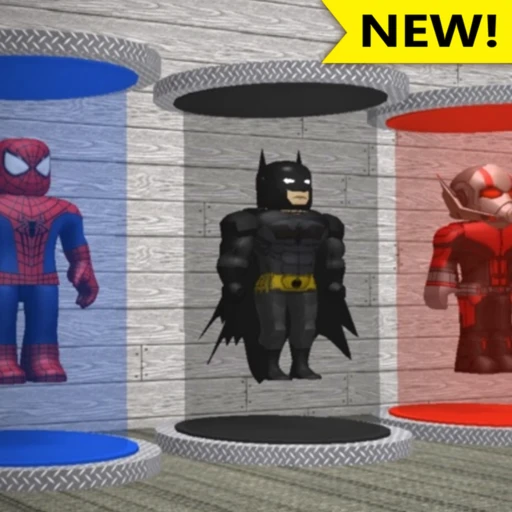
Super Hero Tycoon vs Clone Tycoon 2 (2026) — Which Is Better?
Super Hero Tycoon and Clone Tycoon 2 are two of the most recognizable tycoon games on Roblox, and both have held their ground on the platform for years. Super Hero Tycoon by the Super Heroes group lets you pick from 10 iconic heroes, build a themed base, unlock superhero abilities, and fight other players in direct PvP combat. Clone Tycoon 2 by Ultraw takes a different path entirely: you build a futuristic base, spawn an army of clones that mirror your character, arm them with weapons, and pit them against other players' clone armies. One game puts you in the driver's seat of every fight. The other turns you into a general commanding an army from behind the scenes.
Both games have proven their staying power. Super Hero Tycoon has crossed 2.4 billion visits and regularly pulls 5,000 to 15,000 concurrent players. Clone Tycoon 2 has surpassed 1 billion visits with a steady 3,000 to 8,000 concurrent players. They share the tycoon DNA of stepping on pads, collecting cash, and upgrading a base, but the endgame experience in each title is dramatically different. This comparison covers gameplay mechanics, hero selection versus clone armies, base building, combat systems, progression depth, game passes, and community health to help you figure out which one fits your playstyle in 2026.
Table of Contents
Super Hero Tycoon vs Clone Tycoon 2 — Quick Stats (2026)
| Category | Super Hero Tycoon | Clone Tycoon 2 |
|---|---|---|
| Genre | Tycoon / Fighting / Superhero | Tycoon / Army Building |
| Place ID | 574407221 | 485498735 |
| Developer | Super Heroes (group) | Ultraw |
| Total Visits | 2.4B+ | 1B+ |
| Concurrent Players | ~5K–15K | ~3K–8K |
| Core Loop | Pick hero, build base, unlock abilities, PvP | Build base, spawn clones, upgrade army, fight |
| Playable Characters | 10 superheroes | Your avatar (cloned) |
| PvP Style | Direct player combat | Army-vs-army battles |
| Mobile-Friendly | Yes | Yes |
| Free-to-Play | Yes | Yes |
Gameplay — Heroes vs Clone Armies
Super Hero Tycoon
Super Hero Tycoon starts with a choice that defines your entire session: which superhero do you want to be? The roster includes 10 heroes drawn from major comic franchises — Ant-Man, Batman, Black Panther, Green Lantern, Iron Man, Spider-Man, Superman, The Flash, The Hulk, and Thor. Each hero comes with a unique base layout, a distinct set of abilities, and a visual theme that carries through every structure you build. Picking Spider-Man gives you web-based traversal and agility-focused combat. Choosing The Hulk trades speed for raw destructive power. Iron Man grants you ranged energy attacks and a tech-themed compound. The hero selection screen is essentially a difficulty and playstyle selector wrapped in a familiar comic book coat.
Once you've picked your hero, the tycoon phase begins. You claim a plot, step on purchase pads, and watch your superhero headquarters grow from an empty lot into a fully themed base. The pads follow a linear upgrade path that matches your chosen character. Spider-Man's base builds out with web shooters and wall-climbing training areas. Thor's base features Asgardian-inspired structures and hammer forges. The theming makes each hero feel distinct during the build phase, which adds replay value for players who want to experience all 10 paths. Cash flows in from droppers on your base, and the pace accelerates as you unlock higher-tier structures. A full base build takes roughly 30 to 45 minutes of focused play, depending on the hero and how much time you spend fighting other players along the way.
The real hook arrives after you've unlocked your hero's abilities. Super Hero Tycoon transitions from a building game into an open-world PvP arena where you test your powers against other players' heroes on the same server. A fully powered Superman player clashing with an Iron Man player creates the kind of comic book showdown that keeps people coming back. The combat is straightforward, with ability cooldowns, health pools, and positioning all playing a role in who wins. It's not a deep fighting game by competitive standards, but the fantasy of controlling a recognizable superhero and proving yours is the strongest on the server has an undeniable pull. For more strategies and tips on getting the most out of your sessions, check our Super Hero Tycoon free Robux guide.
Clone Tycoon 2
Clone Tycoon 2 takes the tycoon formula and bolts on a strategy layer that sets it apart from nearly every other game in the genre. You start on a base pad just like any tycoon, stepping on pads to purchase structures and collect cash from droppers. But the structures you build aren't just decorative or income-generating. The core structure is the clone generator, a machine that spawns copies of your Roblox avatar. These clones become your fighting force, and the game shifts from "build a base" to "build an army" faster than most new players expect.
The clone system is where the depth lives. Your clones spawn automatically and can be equipped with different weapons, from basic swords to ranged firearms and explosive ordnance. Higher-tier weapons cost more but make your clones significantly more effective in combat. You also upgrade the clones themselves, boosting their health, damage output, and spawn rate through base investments. The result is a feedback loop where every upgrade you purchase makes your army noticeably stronger, and you can see the improvement in real time as your clones mow through enemies more efficiently. The progression from a handful of sword-wielding clones to a platoon of heavily armed soldiers is satisfying in a way that pure income tycoons rarely achieve.
Base progression in Clone Tycoon 2 follows a tiered system that keeps the grind structured. You work through multiple base tiers, each one unlocking new clone types, weapons, and base structures. Reaching a new tier feels like a genuine milestone because it changes how your army operates and what combat scenarios you can handle. The game also features vehicles and special equipment that add tactical options during the army-versus-army fights. Players who invest time into understanding which weapon combinations and clone configurations work best gain a real advantage, giving the game more strategic depth than its simple tycoon exterior suggests. Our Clone Tycoon 2 free Robux guide breaks down the most efficient upgrade paths and base strategies.
Edge: Super Hero Tycoon for instant gratification and recognizable characters. Clone Tycoon 2 for players who want more strategic depth and a longer progression curve. Super Hero Tycoon gives you the power fantasy immediately; Clone Tycoon 2 makes you earn it through army management.
Base Building and Progression
Both games use the step-on-pad tycoon model that Roblox popularized years ago, but the base-building experience diverges significantly once you get past the first few minutes.
Super Hero Tycoon's base building is themed, visual, and relatively fast. Each of the 10 heroes has a unique base layout with structures that match their comic book identity. Building out Iron Man's base reveals a sleek, tech-forward compound with metallic surfaces and glowing energy lines. The Hulk's base is rougher, with destruction-themed structures and heavy-duty equipment. This theming makes the build phase more engaging because you're not just watching generic buildings appear on a plot. You're constructing a recognizable headquarters for a specific superhero. The flip side is that the build path is essentially linear for each hero. There aren't meaningful branching choices or strategic decisions during construction. You step on pads in order, watch your base grow, and eventually reach the end of the upgrade tree. The full build is achievable in a single session, which is both a strength for casual players and a limitation for players who want longer-term base progression.
Clone Tycoon 2's base building is less visually flashy but mechanically deeper. The base itself has a more utilitarian, sci-fi aesthetic. Structures serve functional purposes: clone generators produce your army, weapon racks determine their loadout, upgrade stations boost their stats, and defensive structures protect your compound from enemy attacks. The tiered progression system means you're not just building one base. You're effectively building multiple bases as you advance through tiers, with each new tier expanding what's possible and resetting parts of the loop. This structure gives the game significantly more longevity per playthrough. Where Super Hero Tycoon's base is done in under an hour, Clone Tycoon 2's full progression across all tiers can take many sessions to complete. The trade-off is that the early game can feel slow for new players who haven't yet reached the tier where army combat starts to click.
The income systems reflect each game's priorities. Super Hero Tycoon generates cash through base droppers at a steady rate that accelerates with upgrades, keeping you purchasing new structures every few minutes. Clone Tycoon 2 also uses droppers but layers on income from combat performance. Your clones generate resources through successful fights, so players who actively manage their army earn faster than those who sit idle. This active-versus-passive split gives Clone Tycoon 2 a more dynamic economic feel.
Edge: Super Hero Tycoon for visual appeal and themed builds that feel connected to the superhero fantasy. Clone Tycoon 2 for mechanical depth, longer progression, and a base-building system where your decisions directly affect combat performance.
Combat — Direct PvP vs Army Warfare
This is where Super Hero Tycoon and Clone Tycoon 2 feel like entirely different games, despite sharing the tycoon label.
Super Hero Tycoon puts you directly into the fight. Once your hero's abilities are unlocked through base building, you leave your compound and engage other players in open-world PvP. The combat revolves around each hero's unique ability kit. Spider-Man uses web-based attacks that control space and allow for hit-and-run tactics. Superman brings raw power with flight and devastating melee strikes. The Flash relies on speed to outmaneuver opponents and land combos before they can react. Thor combines ranged lightning attacks with close-range hammer swings. Every hero matchup plays differently, and learning how your chosen hero handles each opponent is part of the long-term appeal.
The PvP creates natural server drama. When a skilled Thor player starts dominating, other players band together or switch to counter-heroes. These organic rivalries keep servers lively without structured matchmaking. The downside is that combat balance across 10 heroes is tough to maintain, and some heroes feel stronger than others in the current meta. Players who master a single hero's movement and ability timing will consistently outperform newcomers.
Clone Tycoon 2's combat is strategic rather than skill-based. Your clone army fights on your behalf, and the outcome depends on army size, weapon quality, clone upgrades, and how well you've optimized your base. When two players' armies clash, the battle plays out based on these factors rather than individual player reflexes. This makes Clone Tycoon 2 more accessible to players who aren't confident in action combat. Your contribution to the fight happens during the preparation phase, choosing the right weapons, upgrading clones efficiently, and building a balanced army that can handle different threats. The fights themselves are spectacles where dozens of clones charge into each other with swords, guns, and explosives, and watching your carefully built army demolish an opponent's forces is deeply rewarding.
The army-versus-army system also creates different social dynamics. In Super Hero Tycoon, losing a fight means you personally got outplayed. In Clone Tycoon 2, losing means your army composition or upgrade level fell short, framing the loss as a progression challenge rather than a skill gap. This distinction matters for younger and casual players. Clone Tycoon 2 lets everyone feel effective as long as they've invested time into their base, while Super Hero Tycoon rewards those who practice combat mechanics.
Edge: Super Hero Tycoon for players who want the adrenaline of direct combat and the satisfaction of outplaying opponents with skill. Clone Tycoon 2 for players who prefer strategic preparation and army management over twitch reflexes. Neither system is objectively better; they scratch different itches entirely.
Game Passes and Monetization
Both games are fully free-to-play with optional game passes that speed up progression or add cosmetic value. Neither game gates core content behind a paywall, which is why both have maintained healthy player counts for this long.
Super Hero Tycoon's monetization is relatively straightforward. Game passes typically focus on boosting income generation, unlocking exclusive cosmetic items for your hero base, and providing quality-of-life improvements like faster cash collection. Some passes grant access to enhanced versions of hero abilities or exclusive visual effects during combat, giving paying players flashier movesets without fundamentally changing the power balance. The pricing structure sits in the standard Roblox tycoon range, with most passes costing between 50 and 500 Robux. The game doesn't push monetization aggressively, and free players can experience everything from base building to PvP combat without spending a single Robux.
Clone Tycoon 2's game passes offer more variety because the game itself has more systems to enhance. Passes can boost clone spawn rates, unlock premium weapon types for your army, increase base income, or provide exclusive clone skins that make your army visually distinct on the battlefield. The VIP pass is the most popular option, granting a bundle of benefits including increased cash flow and faster progression through base tiers. Weapon-specific passes let you equip your clones with premium armaments earlier than the normal unlock schedule allows, which provides a noticeable combat advantage in the mid-game before free players catch up through natural progression. Prices range from around 50 to 600 Robux, with bundle passes offering the best value for players who plan to invest significant time in the game.
| Game Pass Type | Super Hero Tycoon | Clone Tycoon 2 |
|---|---|---|
| Income Boost | 2x Cash (~100–300 R$) | 2x Cash (~100–300 R$) |
| VIP / Premium | ~200–500 R$ | ~200–500 R$ |
| Exclusive Content | Hero cosmetics & effects | Premium weapons & clone skins |
| Progression Speed | Moderate boost | Significant boost |
| Pay-to-Win? | No | No |
Edge: Clone Tycoon 2 for the breadth of options and the way passes integrate with the army-building system. Super Hero Tycoon for a cleaner, simpler monetization model that doesn't ask you to think about which pass to buy. Both games are generous with their free-to-play offerings, and neither requires spending Robux to enjoy the full experience. If you want to grab passes for either game without spending your own money, our Military Tycoon free Robux guide covers earning strategies that apply across all tycoon games.
Community and Longevity
Both Super Hero Tycoon and Clone Tycoon 2 have been on Roblox long enough to build entrenched communities, but the nature of those communities differs based on each game's design.
Super Hero Tycoon's community is built around the superhero fantasy and PvP culture. Server chat is filled with debates about which hero is the strongest, challenges between players to settle the question through combat, and discussions about ability matchups. The game's 10-hero roster creates natural fan camps, with Spider-Man mains, Iron Man loyalists, and Hulk enthusiasts each defending their choice. This kind of character allegiance drives repeat sessions because players develop personal attachment to their preferred hero and want to prove their mastery. Content creators on YouTube regularly produce tier lists ranking the heroes, ability showcases for each character, and PvP montages that pull in views from the game's massive visit count. With 2.4 billion visits under its belt, the install base is enormous, and there are always enough players online to find populated servers.
Clone Tycoon 2's community is smaller but arguably more dedicated. The game rewards long-term investment, which means active players tend to stick around for extended periods rather than dropping in for a single session. Discussions center on optimal base configurations, weapon tier rankings, and clone army strategies. The community has a more collaborative feel compared to Super Hero Tycoon's competitive atmosphere. Players share upgrade guides, debate the most efficient path through base tiers, and help newer players understand the clone system. Ultraw has maintained the game with updates that introduce new weapons, base features, and balance adjustments over the years, keeping the existing player base engaged. The 1 billion visit milestone confirms that Clone Tycoon 2 continues to attract new players even as it ages.
Update frequency matters for long-term players. Super Hero Tycoon receives updates less frequently than some newer titles, but its 10-hero system provides built-in variety that reduces the need for constant content drops. Clone Tycoon 2 benefits from Ultraw's ongoing attention with balance patches and content additions at a steady cadence. Neither game is abandoned, and both deliver the kind of stability that comes from years of refinement rather than constant overhauls.
Edge: Super Hero Tycoon for community size and the built-in replayability of its hero roster. Clone Tycoon 2 for community depth and player retention among dedicated fans. Both games have proven they can hold an audience over the long haul.
Head-to-Head Verdict — Super Hero Tycoon vs Clone Tycoon 2 in 2026
The Verdict
Choose Super Hero Tycoon if you want to step into the boots of a recognizable superhero and fight other players with iconic abilities. It's the right pick for players who enjoy fast-paced sessions, direct PvP combat, and the thrill of mastering a specific character. The 10-hero roster provides enough variety to keep things fresh across multiple playthroughs, and the ability to build a themed base for each hero gives you a reason to come back. Full sessions run about 30 to 60 minutes from base building to PvP domination, making it an excellent choice for players with limited time.
Choose Clone Tycoon 2 if you prefer strategy over reflexes and want a tycoon game with genuine depth beyond the surface-level build loop. The clone army system turns base building into a meaningful preparation phase where every upgrade translates directly into battlefield performance. The tiered progression gives you clear long-term goals that take multiple sessions to achieve, and the army-versus-army combat creates satisfying payoff moments when your carefully optimized force crushes the competition. It's the better pick for players who want to think about optimization and army composition rather than personal combat skill.
Overall: These two tycoons occupy different spaces within the genre despite sharing core mechanics. Super Hero Tycoon is a broader, more accessible experience with a higher player ceiling thanks to its massive visit count and recognizable character roster. Clone Tycoon 2 is a deeper, more niche experience that rewards invested players with a richer strategic layer. For casual tycoon sessions with action-packed PvP, Super Hero Tycoon wins. For long-term progression with strategic army management, Clone Tycoon 2 wins. If you enjoy tycoon games in general, both are worth your time in 2026.
Earn Free Robux for Game Passes
Want to unlock game passes for Super Hero Tycoon or Clone Tycoon 2 without spending your own cash? Earnaldo lets you earn free Robux by completing simple tasks and surveys.
Frequently Asked Questions
Super Hero Tycoon is more popular, averaging 5,000 to 15,000 concurrent players and surpassing 2.4 billion total visits. Clone Tycoon 2 sits at 3,000 to 8,000 concurrent players with over 1 billion visits. Both remain active and well-populated enough to find full servers at any time of day.
Super Hero Tycoon offers direct player-versus-player combat where you fight other players using superhero abilities. Clone Tycoon 2 takes an indirect approach where your clone army fights other players' armies. If you want hands-on action combat, Super Hero Tycoon is the stronger pick. If you prefer strategy-based PvP where army composition matters, Clone Tycoon 2 delivers that experience.
Both games are playable on mobile through the Roblox app. Super Hero Tycoon's base-building works well on touchscreens, though PvP combat with superhero abilities can feel less precise without a mouse and keyboard. Clone Tycoon 2's tycoon mechanics and army management translate smoothly to mobile since most interactions involve stepping on pads and watching your clones fight.
Both games use the step-on-pad tycoon model that Roblox players already understand. Super Hero Tycoon has a slight edge for beginners because choosing a recognizable superhero gives you immediate context for what your abilities will be. Clone Tycoon 2 requires a bit more experimentation to understand clone types, weapon tiers, and army composition, but neither game has a steep learning curve.
Clone Tycoon 2 has historically offered redeemable codes for in-game cash and boosts, though active codes rotate regularly. Super Hero Tycoon does not have a traditional code system. For the latest working codes and earning strategies for both games, check the Earnaldo free Robux guides for each title.
Clone Tycoon 2 offers more long-term replay value thanks to its deeper progression system with multiple base tiers, clone upgrades, weapon unlocks, and army composition strategy. Super Hero Tycoon's replay value comes from trying all 10 different superheroes and their unique ability sets, but the base-building path is more straightforward once you have learned the loop with one hero.