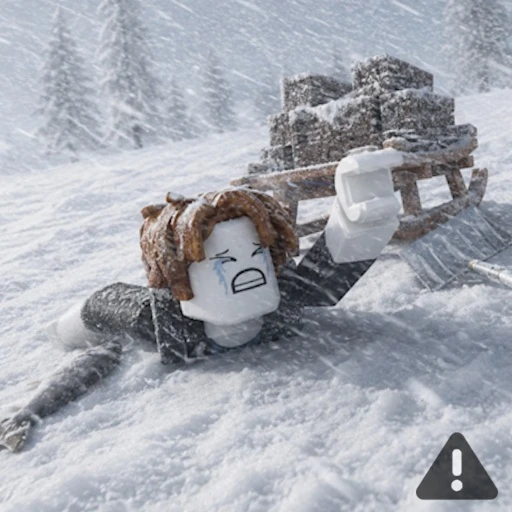
Updated July 19, 2026 — Alpha build
Survive 7 Days In Arctic Tier List (2026) — Best Items, Tools & Resources Ranked
Survive 7 Days In Arctic drops up to 25 players into a frozen map where heat, hunger and thirst all drain at once, and rescue only comes around 1 PM on Day 7. This tier list ranks the items, tools and resources that actually keep you alive — judged by real survival utility, not damage numbers. We weighted fire uptime, food value and blizzard readiness, using the game's own resource-priority order: wood, food, fuel, water, then crafting.
The game, from developer 10K Steps, has held around 15,000 concurrent players as of July 19, 2026, with peaks near 17,000 on the live Roblox page. It's still in Alpha, so exact values can shift between patches. Everything below is drawn from in-game behavior and community sources like the Survive 7 Days In Arctic wiki — if you also want the moment-to-moment routine, our Survive 7 Days In Arctic survival guide walks the full 7-day loop.
S Tier — Must-Have Items in Survive 7 Days In Arctic
S-tier items are the ones every survivor needs before Day 2. Skip any of these and your run usually ends when the first hard blizzard rolls in. If you're triaging your first hour, chase these down in order.
Fuel Canister & Oil Drum
The fuel canister and its bigger cousin the oil drum are the best fire items in the game. Both burn far longer and hotter than wood or cloth, pushing your campfire into its "Roaring Fire" state where it holds body temperature through the worst weather. That heat output is exactly what you want when the temperature drops below -25°C at night.
What makes them S tier is scarcity. You can't chop these out of the environment like wood — they only spawn at points of interest scattered across the map, so grabbing one on an early scouting run is a huge tempo swing. Hold your canisters and drums for the deep-night hours and the Day 4–6 blizzard rather than burning them at noon. One saved drum is often the reason a squad reaches the Day 7 helicopter.
Axe
The axe is the most important tool on this list, full stop. Wood is the resource you burn constantly, and the axe is how you fell trees to get it. No axe means no steady fuel, which means no fire, which means you freeze. It's that direct.
Grab or craft an axe in your opening minutes, before you even think about food. Experienced players fell whole trees and drag the roughly 90 kg logs back rather than chopping them into small pieces in the field, since a full log stores more burn time per trip. Keep the axe on you at all times — a broken supply chain here cascades into everything else.
Cooked Fish
Cooked fish is the backbone of your food economy. One grilled fish restores roughly 60–70% of your hunger bar, so two per day comfortably keeps the meter topped with a little buffer. Across a full run you'll want about 13–15 fish banked.
Raw fish doesn't count for much until you grill it over the fire, so the value is really in the cooked, stored version. Prep a stack in advance and keep it inside your shelter. That way you're eating during a blizzard instead of standing at a fishing hole in a whiteout, which is exactly when the cold kills careless players.
Wood & Logs
Wood sits in S tier because it's the fuel you touch more than anything else. It's low heat and short duration per piece, but it's also the only fuel you can gather on demand with an axe, which makes it the foundation of every fire you'll ever light. The wiki's own priority order lists wood first for a reason.
Full logs are the efficient form: one 90 kg log dragged home outlasts a handful of loose sticks and cuts down on trips into the cold. Keep at least three logs in reserve near your fire at all times, especially heading into night. Wood won't win the blizzard alone, but you can't survive a single day without it.
A Tier — Strong Picks
A-tier items aren't quite survival-critical from minute one, but they raise your ceiling a lot. Once your fire and food are stable, these are the next things to lock in.
Cloth
Cloth is the quiet MVP of the late game. It burns for a moderate duration — better than wood, short of a fuel canister — but its real value is insulation. Using cloth to upgrade your shelter reduces the wind chill that otherwise slices straight through basic walls during a blizzard.
The catch is that cloth is rare and usually scavenged from wreckage and points of interest rather than gathered freely. That scarcity is the only thing keeping it out of S tier. If you find a good stash early, split it between emergency fuel and insulation upgrades before the Day 4–6 cold snap.
Fishing Rod
The fishing rod unlocks your entire food supply, and you can craft one early from sticks. Without it, cooked fish simply isn't on the menu, so in a sense the rod is a prerequisite for your best food source.
It lands in A rather than S because it's a means to an end — once you've caught your 13–15 fish for the run, the rod's job is largely done and it stops earning fire or heat directly. Craft one, secure your fish stockpile, then shift your attention back to fuel and shelter.
Sledge
The sledge is a logistics tool that pays for itself fast. Those 90 kg logs are heavy and slow to move on foot; the sledge lets you drag whole logs and haul supplies back to camp in fewer, safer trips. Fewer trips into the open means less exposure to cold and weather.
It's not something you need in your first five minutes, which is why it sits in A tier, but on a serious run aiming for all seven days it turns wood-gathering from a chore into a routine. Pair it with the axe and your fuel supply basically manages itself.
B Tier — Situational
B-tier items matter, but only in specific windows or as backups. Don't build your whole plan around them, and don't ignore them either.
Water (Melted Snow)
Water keeps your third meter — thirst — from bottoming out, and in this game snow is everywhere, so it's rarely the thing that kills you. You drink to keep the thirst bar up, and refills are cheap compared to fuel or food.
It's B tier precisely because it's abundant and low-friction. Heat is the priority, food is second, and water sits comfortably behind both in the game's resource order. Keep an eye on the meter, top it off when you're already at camp, and otherwise spend your attention on fire and fish.
Stone
Stone is a crafting material used for tools and sturdier building pieces. You'll want a small stack — gathering roughly 8–10 pieces early covers your basic tool and shelter needs — but past that it's not something you're constantly farming.
It earns a solid B because good tools depend on it, yet it doesn't directly produce heat, food or water. Grab enough to craft what you need, then get back to the resources that keep your meters alive.
C Tier — Skippable / Low Priority
C-tier items are situationally useful at best. They're worth understanding so you don't waste time hoarding them when your real priorities are fire and food.
Raw Fish
Raw fish is really just an intermediate step, not a finished resource. It restores very little hunger on its own and only becomes valuable once grilled into cooked fish. Eating it raw to save time is a rookie trap.
The only reason to think about raw fish at all is inventory management — catch it, cook it, store it, done. Never treat an uncooked pile as your food reserve heading into a blizzard, because the meaningful satiation only shows up after the fire does its work.
Sticks
Sticks are abundant and cheap, useful mainly as crafting input — you can craft a fishing rod from them, and they help with early tools. As a direct survival resource, though, they're near the bottom.
They burn poorly compared to logs and offer little heat per piece, so leaning on sticks for fire is a losing game. Pick up 10–15 for your early crafting, then let the axe and full logs carry your fuel supply from there.
Tier List Summary Table
| Item | Tier | Key Use | How to Get |
|---|---|---|---|
| Fuel Canister & Oil Drum | S | Longest, hottest burn — blizzard lifesaver | Scavenge at points of interest |
| Axe | S | Fells trees for constant wood supply | Craft/grab early |
| Cooked Fish | S | ~60–70% hunger each; ~13–15 per run | Grill raw fish on the fire |
| Wood & Logs | S | On-demand fuel foundation | Chop trees with an axe |
| Cloth | A | Moderate burn + shelter insulation | Scavenge wreckage/POIs |
| Fishing Rod | A | Unlocks the fish food supply | Craft from sticks |
| Sledge | A | Hauls ~90 kg logs in fewer trips | Craft/find at camp |
| Water (Melted Snow) | B | Keeps thirst meter topped | Abundant from snow |
| Stone | B | Tool and building crafting | Gather ~8–10 early |
| Raw Fish | C | Intermediate — cook before eating | Catch with a rod |
| Sticks | C | Basic crafting input, weak fuel | Gather anywhere |
How We Ranked These Items
Survive 7 Days In Arctic isn't a combat game, so damage stats mean nothing here. What matters is whether an item keeps your three meters — heat, hunger and thirst — out of the red long enough to reach the Day 7 helicopter. We ranked every item on that single question: how much does it move you toward surviving all seven days?
Heat carried the most weight because it's the fastest killer, especially once temperatures fall below -25°C at night. That's why the fuel canister, axe and wood dominate the top — they're the fire supply chain, and the fire is the whole game. Food came next, which puts cooked fish and the fishing rod high, followed by water and crafting materials near the bottom, mirroring the resource-priority order the community wiki teaches new players.
We also factored in scarcity and timing. An item that's rare but decisive during the Day 4–6 blizzard — like a saved oil drum or a cloth insulation upgrade — ranks above something abundant and forgiving like snow-melt water. Because the game is still in Alpha, 10K Steps may rebalance fuel burn times or hunger values in a future patch, and we'll revisit these placements when that happens. For the exact daily routine that ties these items together, see our full survival and Robux guide, or check the latest Survive 7 Days In Arctic codes for any freebies.
Earn Free Robux While You Play
Want more Robux for Survive 7 Days In Arctic and other Roblox games? Earnaldo lets you earn free Robux by completing simple tasks — no surveys, no downloads, just real rewards.
More Survive 7 Days In Arctic Guides
Survive 7 Days In Arctic Hub
Codes, updates, guides and live player numbers, all in one place.
GuideSurvival & Free Robux Guide
The full 7-day loop: shelter, fire, fishing and staying warm.
CodesSurvive 7 Days In Arctic Codes
Every working code and how to redeem it, checked and dated.
ComparisonArctic vs Expedition Antarctica
Which frozen survival game deserves your next session?
Into cold-weather and co-op survival more broadly? Compare notes with our tier lists and guides for Dead Rails, 99 Nights in the Forest, and 100 Days at Sea — all built on the same "keep your meters alive" survival loop.
FAQ
Fuel canisters and oil drums are the single best items in the game. They burn far longer and hotter than wood or cloth, and because they can't be harvested from the environment, saving one for a night blizzard can be the difference between rescue on Day 7 and freezing out. The axe is the most important tool, since it keeps your wood supply flowing all game.
You need roughly 13 to 15 fish for a full 7-day run. One cooked fish restores about 60 to 70 percent of your hunger bar, so two fish per day covers most players with a small buffer. Grill your fish in advance and store them so you're not fishing in the open during a blizzard.
The heaviest blizzards land in the mid-to-late game, roughly Days 4 through 6, when temperatures push below -25°C. The blizzard is the deadliest event in the game because it drains heat fast and cuts visibility. Stockpile at least three high-grade fuel items and a roofed shelter before it arrives.