The Forge Free Robux Guide (2026) — Tips, Codes & Strategies
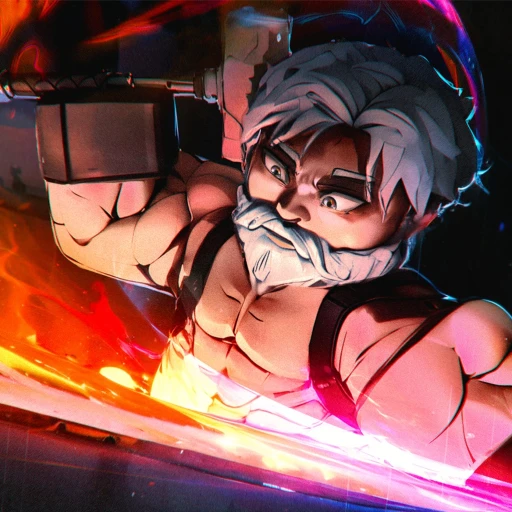
The Forge is one of the most satisfying crafting games on Roblox right now, pulling in over 1 billion total visits and holding a 94.6% approval rating from the community. Built by The Forge Community, the game puts you in a world where every weapon you wield is one you built yourself — from raw ore pulled out of a mine to a finished blade hammered on an anvil. The loop is simple on the surface (mine, smelt, forge, sell) but the depth comes from ore tiers, trait rolls, weapon quality, and the hunt for mythical-tier materials that can produce gear worth hundreds of thousands of coins in the trading market.
This guide breaks down every major system in The Forge for July 2026, including the full ore tier list, weapon forging mechanics, all working codes, game pass costs, rare race drops, and strategies for progressing without spending Robux. If you play other Roblox games, check out our guides for Blox Fruits, Grow a Garden, and Rivals. We also briefly cover how Earnaldo lets players earn free Robux to put toward game passes, but the primary focus here is game knowledge and strategy.
Table of Contents
1. The Forge Overview — Stats, Core Loop & Why Players Stay
The Forge is a crafting RPG developed by The Forge Community where you mine ores from underground veins, smelt them into ingots at a furnace, hammer those ingots into weapons on an anvil, and then sell or trade the finished products. It launched as a relatively small project but snowballed into one of Roblox's most popular crafting experiences, thanks to a progression system that rewards patience and knowledge over raw spending.
Unlike combat-focused Roblox games where you grind enemies for drops, The Forge puts the crafting itself at the center. Every weapon in the game is player-made. The quality of what you produce depends on three things: the ore tier you use, your forging accuracy during the anvil minigame, and the random trait roll that happens when the weapon is complete. This creates a loop where experienced players consistently produce better gear than newcomers, even when using the same materials.
Here is a snapshot of where the game stands right now:
| Stat | Value |
|---|---|
| Total visits | 1 billion+ |
| Approval rating | 94.6% |
| Developer | The Forge Community |
| Place ID | 76558904092080 |
| Core loop | Mine → Smelt → Forge → Sell/Trade |
| Ore tiers | 7+ (Stone through Arcane Crystal) |
| Weapon categories | Swords, Katanas, Gauntlets, and more |
| Game passes | 6 (249–549 Robux) |
The game is entirely free to play. Every ore, weapon blueprint, and piece of content is accessible without spending Robux. Game passes speed up specific parts of the loop — faster forging, more storage, higher quality rolls — but none of them gate content. You can forge the best weapons in the game with zero Robux spent, and many of the top traders on the community leaderboards are free-to-play players who simply put in more sessions at the anvil.
You can play The Forge here: The Forge on Roblox.
2. Getting Started — Your First Forge Session
Your first 30 minutes in The Forge set the tone for everything that follows. New players who rush through the early steps often waste ore, produce low-quality weapons, and get frustrated when their gear sells for almost nothing. Follow this progression path instead, and you will have a solid foundation by the end of your first session.

Step 1: Grab Your Pickaxe and Head to the Starter Mine
When you spawn in, you already have a basic pickaxe in your inventory. Walk toward the mine entrance — it is marked on the minimap and usually has a cluster of other players heading in the same direction. The starter mine contains Stone and Iron veins, both of which respawn quickly and require no level to mine. Hit a vein until it breaks, and the raw ore goes directly into your inventory.
Grab at least 15-20 pieces of Iron before leaving the mine. Stone is practically worthless for forging, but Iron produces usable starter weapons. Do not waste time mining Stone beyond the first few pieces — it exists mainly as a tutorial resource.
Step 2: Smelt Your Ore at the Furnace
Head to the furnace area (again, marked on the map). Place your raw Iron ore inside and wait for it to smelt into ingots. Iron smelts in about 5 seconds per piece, so a batch of 20 takes under 2 minutes. While you wait, look around the furnace area — experienced players often smelt rare ores here, giving you a preview of what higher-tier materials look like.
Step 3: Forge Your First Weapon
Walk to an open anvil, select a weapon blueprint (start with a basic Sword — it requires the fewest ingots), and begin the forging minigame. The minigame involves timing your hammer strikes to hit a moving indicator within a target zone. Hitting the sweet spot increases weapon quality, while missing it reduces the final stats. Practice getting consistent timing here — it matters more than most new players realize.
Your first few weapons will likely be Common quality with no traits. That is fine. Sell them to the nearby NPC vendor for coins and repeat the cycle. Each forge attempt builds familiarity with the timing, and by your fifth or sixth weapon you should be hitting the sweet spot more consistently.
Step 4: Upgrade to Tin and Start Exploring
Once you have forged and sold 5-10 Iron weapons, you should have enough coins and experience to push deeper into the mine where Tin veins spawn. Tin produces slightly better weapons than Iron and sells for more. It also introduces you to the concept of ore-specific weapon appearances — Tin weapons have a distinct look that makes them identifiable in trades.
Your goal for the first session: mine Tin consistently, forge weapons with at least 70% quality from the anvil minigame, and start accumulating coins for storage upgrades and deeper mine access.
Pro tip: Do not sell every weapon you forge. Keep your best-quality piece equipped for any combat encounters while exploring deeper mines. Some mine sections have mobs that defend rare ore veins, and a decent weapon makes clearing them much faster.
3. Ore Tier List & Mining Guide
Ore quality is the single biggest factor in weapon power. A perfectly forged Stone weapon will always lose to a mediocre Demonite weapon because base stats scale with ore tier. Understanding the full ore progression helps you plan which mines to target and when to push deeper.

| Ore | Tier | Trait Threshold | Smelt Time | Best For |
|---|---|---|---|---|
| Stone | Common | 0% | 3s | Tutorial only — sell immediately |
| Iron | Common | 2% | 5s | First real weapons, learning the anvil |
| Tin | Uncommon | 5% | 8s | Early coin farming, better base stats |
| Basalt | Rare | 12% | 15s | Mid-game workhorse — solid stats and decent trait odds |
| Demonite | Mythical | 30% | 25s | High-tier weapon crafting with strong trait potential |
| Darkryte | Mythical | 30% | 28s | Similar to Demonite, slightly different weapon pool |
| Arcane Crystal | Mythical | 30% | 30s | Top-tier ore, best base stats, rarest spawn |
Early Game Ores: Stone, Iron, and Tin
Stone and Iron are everywhere in the starter mine and require no special tools or levels to harvest. Iron is worth keeping — Stone is not. Once you can mine Tin consistently, stop mining Iron entirely. Tin offers roughly 40% better base stats on forged weapons and sells for 2-3 times more coins to NPC vendors. The Tin veins are located in the second layer of the mine, past the first set of tunnels.
Mid-Game: Basalt
Basalt is the first ore where trait rolls become meaningful. At a 12% trait threshold, roughly 1 in 8 Basalt weapons will roll at least one trait. That might not sound like much, but traits like Critical Strike (+15% crit chance) or Speed (+10% attack speed) can double a weapon's trade value. Basalt veins spawn in the deeper mine zones and sometimes require clearing mobs to access. Bring a decent Tin weapon before attempting Basalt mining.
Most players spend the bulk of their mid-game forging Basalt weapons. The sweet spot is to forge 8-10 Basalt weapons per session, keep any that roll traits, and sell the rest. Over a week of regular play, you will accumulate enough coins and trait-rolled weapons to start building toward mythical-tier mining.
Late Game: Demonite, Darkryte, and Arcane Crystal
The mythical ores are where the real economy lives. With a 30% trait threshold, nearly one in three weapons forged from Demonite, Darkryte, or Arcane Crystal will roll traits. Double-trait weapons from these ores are the most valuable items in the trading market, with top-rolled Arcane Crystal swords selling for six-figure coin values in player-to-player trades.
Mining mythical ores requires reaching the deepest mine zones, which are gated by both skill and gear. The enemies guarding mythical veins hit hard, and the veins themselves take longer to break. You will need a high-quality Basalt or better weapon equipped, and ideally the Fast Forge pass or a party of other miners to share the mob-clearing load.
Arcane Crystal is the rarest spawn in the game. It appears in fixed locations but on a long respawn timer, and multiple players often camp the spawn points waiting for it to appear. If you see an Arcane Crystal vein, drop everything and mine it — the opportunity cost of ignoring it is enormous.
4. Weapon Forging — Best Weapons & Traits
Forging is where your ore investment pays off or gets wasted. Two players using the same Demonite ingots can produce wildly different weapons depending on their anvil accuracy, the blueprint they choose, and the trait roll. Understanding which weapons are worth forging and which traits to chase separates casual players from serious traders.
Top Weapons in The Forge (July 2026)
| Weapon | Category | Min Ore Tier | Why It's Strong |
|---|---|---|---|
| Infernal Chaos Sword | Sword | Mythical | Highest base damage of any sword, fire proc deals burn DOT, excellent range |
| Relevator | Gauntlets | Mythical | Fastest attack speed in melee, stunlock potential, pairs well with Lifesteal trait |
| Tachi | Katana | Mythical | Best speed-to-damage ratio, clean moveset, dominant in PvP duels |
The Infernal Chaos Sword is the weapon most endgame players grind toward. Its fire proc adds a burning damage-over-time effect to every hit, meaning even glancing blows deal meaningful damage over the next few seconds. When rolled with Critical Strike and Lifesteal traits, it becomes arguably the strongest weapon in the game — high burst from crits, sustained damage from the burn, and self-healing from Lifesteal that keeps you alive in extended fights.
The Relevator gauntlets take a different approach. Their attack speed is roughly 35% faster than swords, which means more hits per second and more chances to proc traits. A Relevator with Lifesteal essentially lets you out-sustain anything that does not one-shot you, because each rapid hit heals a portion of damage dealt. For players who prefer close-range brawling over the more measured sword playstyle, Relevator is the pick.
The Tachi katana sits between the two. It does not hit as hard as the Infernal Chaos Sword per swing, and it is not as fast as the Relevator, but its speed-to-damage ratio is the best of any weapon. In PvP, Tachi users can weave in and out of range with quick slashes, making them hard to pin down. It is also the most forgiving weapon for players who are still improving their anvil timing, because even a slightly lower-quality Tachi remains competitive.
Understanding Weapon Traits
Traits are random bonuses applied when you complete a forge. The trait pool includes:
- Critical Strike: +15% chance for hits to deal 2x damage. The most universally useful trait.
- Lifesteal: Heals a percentage of damage dealt. Essential for extended combat and farming.
- Elemental Damage: Adds fire, ice, or lightning damage on hit. The element is random per roll.
- Durability: Weapon degrades slower with use. Nice quality of life but not a priority.
- Speed: +10% attack animation speed. Stacks multiplicatively with fast weapon categories.
The ideal trait combination depends on the weapon. For the Infernal Chaos Sword, Critical Strike + Lifesteal is the gold standard. For Relevator, Speed + Lifesteal turns the already-fast gauntlets into a healing machine. For Tachi, Critical Strike + Speed creates burst windows where you can shred opponents before they react.
Reroll strategy: Codes like FORGEWEEKENDS4 grant free Rerolls, which let you re-randomize a weapon's traits without consuming more ore. Save your Rerolls for mythical-tier weapons only — using them on Basalt gear is a waste because the base stats cap out too low to matter at endgame.
Anvil Timing Tips
The forging minigame is not purely cosmetic. Your accuracy directly affects weapon quality, which scales from 0% to 100%. Quality above 90% adds a visible stat bonus to the weapon, while quality below 50% actually reduces stats below the ore's baseline. Here are the timing patterns most experienced forgers follow:
- Watch the indicator for two full cycles before your first swing to learn its speed.
- Swing slightly before the indicator reaches the sweet spot — there is a small input delay between pressing the button and the hammer landing.
- The sweet spot shrinks slightly with each successive swing in a single forge. By the final swing, you need near-perfect timing.
- If you miss one swing badly, do not panic. Missing one out of five swings still results in 80%+ quality, which is perfectly usable.

5. Game Passes & Robux Costs
The Forge offers six game passes ranging from 249 to 549 Robux. None are required to access any content or forge any weapon, but several of them provide meaningful quality-of-life upgrades that save time over hundreds of forging sessions.
| Game Pass | Price (Robux) | What It Does | Worth It? |
|---|---|---|---|
| Double Storage | 249 | Doubles your inventory slots for ores and weapons | Yes — reduces trips between mine and furnace |
| Fast Forge | 299 | Reduces forging time at the anvil | Yes — more weapons per session means more trait rolls |
| Sell Anywhere | 349 | Sell weapons to NPCs from any location | Nice convenience — saves walking time |
| Supporter | 379 | +10% XP and +10% Luck on trait rolls | Strong — the Luck bonus compounds over many forges |
| Better Forge | 499 | +30% weapon quality on all forges | Best pass for serious players — raises your floor quality |
| Forge Anywhere | 549 | Access an anvil from any location | Great for efficiency — forge directly in the mine |
If you are buying one pass, get Better Forge at 499 Robux. The +30% quality bonus applies to every single weapon you make, which means your average quality jumps from around 75% (for a skilled player) to effectively 97%. At high quality levels, weapons gain bonus stats that push them above the ore tier's normal ceiling. Over hundreds of forges, this translates to significantly more trait-rolled weapons worth keeping and trading.
If you can afford two passes, add Fast Forge at 299 Robux. Forging is the bottleneck in the mine-smelt-forge-sell loop. Cutting the anvil time means you can produce more weapons per hour, which directly increases your chances of rolling good traits. Combined with Better Forge, you are producing higher-quality weapons faster — a multiplicative advantage.
The Supporter pass at 379 Robux is the sleeper pick. The +10% Luck bonus does not sound dramatic, but trait rolls are the most impactful RNG in the game. On mythical ores with a 30% trait threshold, that 10% Luck boost pushes your effective threshold to roughly 33%, meaning you get about 10% more trait-rolled weapons over time. The +10% XP also speeds up level progression, unlocking deeper mines and better blueprints faster.
Double Storage at 249 Robux is the budget option. Without it, you make frequent trips between the mine and the furnace because your ore inventory fills up quickly. With it, you can stay in the mine longer per trip, which is especially valuable when mining in contested mythical zones where leaving means losing your position to another player.
Sell Anywhere and Forge Anywhere are pure convenience. They eliminate travel time and let you run the entire loop without returning to town. Forge Anywhere is the more impactful of the two because it lets you forge directly in the mine after smelting at a portable furnace station, but at 549 Robux it is also the most expensive pass in the game.
6. Active Codes (July 2026)
There are currently 2 confirmed working codes for The Forge as of April 5, 2026. Both codes grant useful consumables that directly improve your forging outcomes.
| Code | Reward | Status |
|---|---|---|
| FORGEWEEKENDS4 | Rerolls + Luck Totems | Active |
| FORGEWEEKEND5 | Rerolls + Luck Totems | Active |
Rerolls let you re-randomize a weapon's traits without using more ore. This is extremely valuable on mythical-tier weapons where the ore cost per forge is high. If you forge a Demonite sword and it rolls Durability instead of Critical Strike, use a Reroll to try again rather than burning another set of ingots.
Luck Totems are temporary buffs that increase your trait roll chance for a limited number of forges. Activate a Luck Totem right before a batch of mythical forges to maximize the value — do not waste them on Iron or Tin weapons where trait rolls barely matter anyway.
Note: Codes in The Forge are case-sensitive. Type them exactly as shown, including capital letters. Codes are released through The Forge Community's social media channels and the official Discord server. They can expire without warning, so redeem them as soon as you see them listed.
How to Redeem Codes
- Open The Forge on Roblox.
- Click the Settings button (gear icon).
- Tap the Codes section.
- Type or paste the code into the "Type Here" text field exactly as shown.
- Press Claim and check for a confirmation message.
Redeem both codes immediately when you start a session. The Rerolls stack in your inventory and do not expire, so there is no reason to wait. Luck Totems are time-limited once activated, so save those for when you have a batch of mythical ore ready to forge.
7. Races & Rare Drops
Races in The Forge are cosmetic and functional upgrades that change your character's appearance and grant passive bonuses. They drop randomly during gameplay, with rarer races offering stronger perks. Unlike weapon traits, you cannot Reroll a race drop — you either get it or you do not.
Race Drop Rates and Bonuses
| Race | Rarity | Drop Rate | Passive Bonus |
|---|---|---|---|
| Human (default) | Common | N/A | None |
| Dragonborn | Rare | ~1-2% | Fire resistance, bonus damage to mobs in deep mines |
| Archangel | Legendary | 0.1% | Increased Luck, glowing wings visual, bonus XP gain |
The Archangel race is the white whale of The Forge. At a 0.1% drop rate, you need an average of 1,000 qualifying actions (forges, rare drops, high-level completions) before probability says you should get one. Some players grind for weeks without seeing it. Others get it on their twentieth forge. That is the nature of a 0.1% roll.
The practical approach to Archangel hunting is to not hunt for it specifically. Instead, focus on forging mythical weapons (which you should be doing anyway for trait-rolled gear), and let the Archangel roll happen organically. Using Luck Totems from codes and the Supporter pass's +10% Luck both slightly improve your odds, but even with those boosts the drop rate is so low that targeted farming is not time-efficient.
Dragonborn is the more attainable rare race. At roughly 1-2% drop rate, most active players unlock it within their first week or two of serious play. The fire resistance is useful in the deepest mine zones where lava hazards exist, and the bonus damage to mobs makes clearing mythical ore defenders noticeably faster. If you get Dragonborn, equip it immediately — the benefits are real and noticeable.

Other Notable Drops
Beyond races, The Forge has several rare drops worth knowing about:
- Blueprint drops: Certain boss enemies and mine events can drop exclusive weapon blueprints not available from the standard anvil menu. These blueprints are tradeable and some are worth more than the weapons themselves.
- Cosmetic hammers: Rare anvil skins that change the appearance of your forging hammer. Purely cosmetic but highly valued in the trading community for their rarity.
- Title drops: Completing specific milestones (1,000 forges, first Arcane Crystal weapon, etc.) awards unique titles displayed next to your name. These are untradeable but serve as status symbols in the community.
8. Earning Free Robux for The Forge
Passes like Better Forge (499 Robux) and Forge Anywhere (549 Robux) make a meaningful difference in your crafting efficiency, but they cost real money at standard Robux pricing. Earnaldo lets you earn free Robux by completing simple offers and tasks, which you can then spend on any game pass. See how the process works at earnaldo.com/how-earnaldo-works.
That said, the rest of this section focuses on in-game strategies for progressing without spending Robux at all.
Free Alternatives to Every Game Pass
Each game pass has a free workaround that achieves a similar result with more effort:
- Instead of Double Storage: Make more frequent trips between the mine and furnace. It is slower, but you lose nothing except time. Prioritize high-tier ores when your inventory is limited — drop Stone and Iron to make room for Basalt or mythical ores.
- Instead of Fast Forge: Optimize your anvil timing to reduce wasted swings. A skilled free player who nails every swing produces weapons almost as fast as a Fast Forge pass user who misses a few.
- Instead of Better Forge: Focus on perfecting your anvil minigame accuracy. The +30% quality bonus is powerful, but a free player hitting 95%+ accuracy on the minigame still produces competitive weapons.
- Instead of Supporter: Use Luck Totems from codes to boost trait chance during key forging batches. The +10% Luck from the pass is always-on, but Totems provide a similar burst of luck when you need it most.
- Instead of Sell Anywhere / Forge Anywhere: Plan efficient routes between the mine, furnace, anvil, and vendor. Experienced free players develop muscle-memory paths that minimize downtime between each step of the loop.
Maximizing Coin Income Without Passes
Coins fuel everything in The Forge — storage upgrades, deeper mine access, and premium blueprints from NPC vendors. The fastest free-to-play coin strategy is to focus on volume over quality in the mid-game. Forge as many Basalt weapons as possible per session, sell the ones without traits, and bank the trait-rolled ones for player trades. A single Basalt weapon with Critical Strike sells for 3-5 times more in player trades than it does at the NPC vendor, so always check the trading board before dumping gear at a vendor.
At the mythical tier, flip the strategy. Forge fewer weapons but only from Demonite, Darkryte, or Arcane Crystal. Every mythical weapon has value — even traitless mythical swords sell for meaningful coin amounts because the base stats are high enough to be useful. Trait-rolled mythical weapons are where the real wealth is, and a double-trait Arcane Crystal sword can fund weeks of gameplay.
Want Free Robux for The Forge Passes?
Earn Robux by completing simple tasks on Earnaldo — then spend them on Better Forge, Fast Forge, or any pass you want.
9. Frequently Asked Questions About The Forge
What is The Forge on Roblox?
The Forge is a crafting RPG where you mine ores, smelt them into ingots, forge weapons at an anvil, and sell or trade your creations. It has over 1 billion visits and a 94.6% approval rating. The core loop revolves around collecting increasingly rare ores, rolling for weapon traits during the forging process, and building the strongest gear possible through a combination of ore quality, anvil accuracy, and trait RNG.
What are the best ores in The Forge?
The best ores are the mythical-tier materials: Demonite, Darkryte, and Arcane Crystal. These ores have a 30% threshold for rolling weapon traits, meaning weapons forged from them have a much higher chance of receiving powerful bonuses like Critical Strike, Lifesteal, or Elemental Damage. Basalt is the best mid-tier ore and serves as the gateway to late-game content, with a 12% trait threshold that makes it the first ore where trait farming becomes viable.
What are the best weapons in The Forge in 2026?
The Infernal Chaos Sword is widely considered the top weapon due to its high base damage and fire proc that adds burning damage over time. Relevator gauntlets are the best melee option for close-range builds thanks to their fast attack speed and stunlock potential. The Tachi katana offers the best speed-to-damage ratio and dominates in PvP duels. All three require mythical ores and strong trait rolls to reach their full potential.
Are there any active codes for The Forge in April 2026?
Yes. Active codes include FORGEWEEKENDS4 and FORGEWEEKEND5, both of which grant Rerolls and Luck Totems. To redeem codes, go to Settings, tap the Codes button, type the code into the text field, and press Claim. Codes are case-sensitive and can expire without notice, so redeem them as soon as possible.
How do I get the Archangel race in The Forge?
The Archangel race has a 0.1% drop rate, making it one of the rarest items in the game. It drops randomly when forging weapons or completing certain high-level activities. There is no guaranteed method to obtain it — the best strategy is to use Luck Totems from codes and the Supporter game pass (+10% Luck) to slightly improve your odds over many forging sessions. Most players who have it simply forged hundreds or thousands of weapons before it appeared.
Is The Forge free to play?
Yes. The Forge is entirely free to play. You can mine every ore, forge every weapon, and access all content without spending Robux. Game passes like Double Storage (249 Robux), Fast Forge (299 Robux), and Better Forge (499 Robux) speed up progression and improve quality of life, but they are not required. Many of the top traders in the community are free-to-play players who simply invest more time at the anvil.
How do weapon traits work in The Forge?
Weapon traits are random bonuses applied when you complete a forge at the anvil. Each weapon can roll one or more traits from a pool that includes Critical Strike, Lifesteal, Elemental Damage, Durability, and Speed. The chance and quality of traits depend on the ore tier used — mythical ores like Demonite, Darkryte, and Arcane Crystal have a 30% trait threshold, meaning roughly 1 in 3 forges produces a weapon with at least one trait. Rerolls from codes let you re-randomize traits without consuming more ore.
The Forge has carved out a unique niche on Roblox by putting craftsmanship at the center of its gameplay instead of combat or collecting. With over 1 billion visits and a community that actively trades, theorycrafts ore routes, and chases that 0.1% Archangel drop, it is one of the most engaging crafting experiences on the platform. Use the ore tiers, forging strategies, codes, and trait knowledge in this guide to produce better weapons, make smarter trades, and get the most out of every session at the anvil.