The Intruder Free Robux Guide (2026) -- Survival Tips, Chapters & Walkthrough
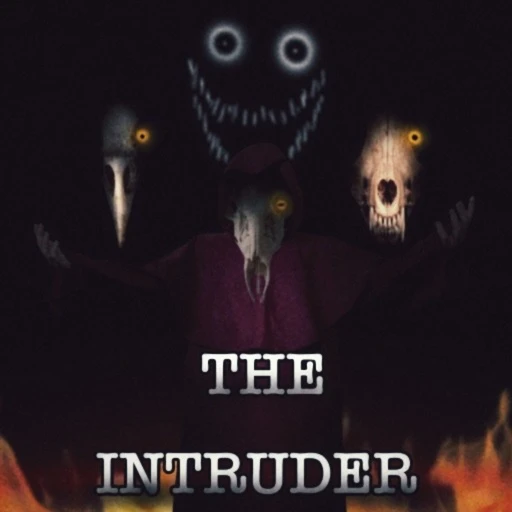
The Intruder has quietly become one of the most terrifying Roblox horror games ever made, pulling in over 447 million visits and an 89% approval rating. Unlike most Roblox horror titles that rely on cheap jump scares, The Intruder builds real tension through dual meter management, audio-driven gameplay, and an antagonist that can shapeshift, mimic voices, and type in the chat to trick you. This guide breaks down every chapter from The House through Dis Manibus, walks you through the meter mechanics that kill most new players, and shows you how to earn free Robux without spending a dime.
What's in This Guide
- What Is The Intruder?
- Core Mechanics: Anxiety & Awareness Meters
- Chapter 1: The House -- Full Walkthrough
- Chapter 2: The Mall -- Security Guard Survival
- Chapter 3: The Mineshaft -- Multiplayer Strategy
- Chapters 4-9: The End? Through Dis Manibus
- Advanced Pro Tips & Pattern Recognition
- The Intruder Codes (2026 Status)
- How to Get Free Robux for Roblox
- The Intruder's Abilities: Mimicry & Shapeshifting
- FAQ
What Is The Intruder and Why Does It Stand Out?
The Intruder is a horror survival game on Roblox developed by Official_Bulderme. The premise varies by chapter, but the central thread stays the same: something is hunting you, and your only tools are security cameras, hiding spots, and your own ability to stay calm under pressure. With 447 million visits and 238,000 likes, it sits comfortably among the most popular horror experiences on the platform.
What separates The Intruder from games like DOORS or 99 Nights in the Forest is the dual meter system. Instead of just running and hiding, you are constantly managing two opposing gauges that will kill you if either one maxes out. The Anxiety meter rises when you stop watching cameras. The Awareness meter rises when the Intruder figures out where you are. Balancing both at once is the core gameplay loop, and it creates a level of sustained dread that few other Roblox games match.
The game launched with a single chapter, The House, but has since expanded to nine full chapters. Each chapter introduces new settings, mechanics, and enemy types. The Mineshaft brought multiplayer co-op. The End? added puzzle-platforming. Mental Hospital introduced the Vent Dweller and Unhinged enemies. Later chapters like Satan's Lodge, Oak Deer Inn, The Subway, and Dis Manibus continue to push the formula in new directions. This is not a one-trick game. It is a full horror anthology built on a foundation of tension and pattern recognition.

Core Mechanics: The Anxiety & Awareness Meters
Before diving into specific chapters, you need to understand the two meters that define The Intruder's gameplay. These meters appear primarily in The House and The Mall, but understanding the philosophy behind them will help you in every chapter.
The Anxiety Meter
Your Anxiety meter rises whenever you are NOT actively watching the security cameras. Step away from the camera feed to answer the phone, fix the fuse box, or hide in the closet, and Anxiety starts climbing. If it reaches 100, the game ends. No second chances, no minigame to save yourself. Just game over.
The trick is understanding that Anxiety punishes you for doing other necessary tasks. You cannot just sit at the camera monitor all night. The phone rings and needs answering. The power goes out and needs fixing. The Intruder approaches and forces you to hide. Every time you leave the cameras, you are racing against the Anxiety meter to finish your task and get back to monitoring.
The Awareness Meter
While Anxiety punishes you for leaving cameras, Awareness punishes you for being detected. This meter tracks how much the Intruder knows about your location. It rises when you make noise, move around unnecessarily, or expose yourself. If Awareness hits 100, the Intruder finds you and kills you.
The tension comes from the fact that these two meters pull you in opposite directions. Anxiety wants you glued to the cameras. Awareness wants you to stay perfectly still and silent. But you cannot do both simultaneously when the phone rings or the power drops. Learning to balance these competing demands is what separates players who survive The House from those who never make it past the first night.
Chapter 1: The House -- Full Walkthrough
The House is where every player starts, and it is the most refined chapter in terms of pure meter-management gameplay. You are alone in a suburban house, watching 9 security cameras throughout the night while the Intruder stalks the exterior and eventually tries to break in.
- Establish a camera rotation pattern. There are 9 cameras covering the house. Develop a consistent cycle so you check each camera at regular intervals. Start from camera 1 and sweep through to camera 9, then repeat. This keeps your Anxiety meter stable and maximizes your chance of spotting the Intruder early.
- Answer the phone the instant it rings. The phone will ring periodically throughout the night. Drop whatever you are doing and pick it up immediately. Ignoring the phone has consequences that compound quickly. The call is usually brief, so you can get back to cameras within seconds.
- Watch for the Intruder at the door. Through your camera feed, you will eventually see the Intruder approach your front door. When this happens, leave the cameras immediately and hide in the closet. Stay inside the closet until you hear or see confirmation that the Intruder has moved away. Leaving too early is fatal.
- Fix the fuse box during power outages. The power will go out at certain points during the night, disabling all cameras. Your Anxiety meter will start climbing rapidly. Locate the fuse box and repair it as fast as possible. Every second without cameras is a second closer to 100 Anxiety.
- Minimize all unnecessary movement. Every step you take, every noise you make, feeds the Awareness meter. Walk when you need to move. Stand still when you do not. Avoid running unless you are rushing to the closet because the Intruder is at the door.
- Keep calm during the final stretch. The last portion of the night ramps up in intensity. The Intruder becomes more aggressive, power outages happen more frequently, and the phone rings at worse times. Stay disciplined with your camera rotation and prioritize threats in this order: Intruder at door (hide immediately) > power outage (fix fuse box) > phone (answer) > cameras (return to monitoring).

Chapter 2: The Mall -- Security Guard Survival
The Mall shifts the setting from a residential house to a commercial space, casting you as a mall security guard working the midnight to 7 AM shift. The core meter mechanics carry over from The House, but the environment is larger and introduces new tasks.
Key Differences from The House
The Mall's layout is significantly bigger than The House, which means camera rotations take longer and the distance between you and hiding spots increases. The security office serves as your base of operations, but you will need to leave it periodically to disable alarms that trigger throughout the building.
Alarm management is the biggest new mechanic. Alarms go off at random intervals in different sections of the Mall. Leaving them active raises your Awareness meter because the noise attracts the Intruder to your general area. You need to physically leave the security office, navigate to the alarm location, disable it, and get back to your cameras before Anxiety spikes too high.
Lockers replace closets as your hiding option. When the Intruder gets close, duck into the nearest locker and wait. The same rules apply as The House: stay inside until the coast is clear, and resist the urge to leave early.
Mall Survival Strategy
Map out the alarm locations during your first few attempts. You will fail The Mall multiple times before you learn the layout well enough to navigate efficiently. Knowing the shortest path from the security office to each alarm panel saves critical seconds. When an alarm triggers, take the most direct route, disable it, and sprint back to cameras. Your Anxiety meter is your primary enemy in The Mall because the larger environment means more time away from the monitors.
Divide each 7-hour shift into mental segments. The Intruder's behavior escalates as the night progresses. Between midnight and 2 AM, the pace is relatively calm. From 2 AM to 5 AM, alarms become more frequent and the Intruder patrols more aggressively. The 5 AM to 7 AM stretch is pure survival mode. Conserve your energy and composure for the final two hours.
Chapter 3: The Mineshaft -- Multiplayer Strategy
The Mineshaft is the first multiplayer chapter in The Intruder, and it changes the dynamic completely. Instead of a solo surveillance experience, you and your teammates are dropped into an underground mine with one objective: repair 5 generators to restore enough power to operate the elevator and escape.
Generator Repair Strategy
The 5 generators are scattered across the mineshaft, and each one needs to be individually repaired. The total power level needs to reach 100% before the elevator becomes operational. The key decision is whether to split up or stick together.
Splitting up is faster but riskier. The Intruder hunts players individually in the mineshaft, and isolated players are easy targets. Sticking together is safer but slower, and a slow game gives the Intruder more time to pick you off. The optimal strategy is to move in pairs: one pair repairs generators on the left side of the mine while the other pair handles the right side. This balances speed with safety.
Audio Cues Are Critical
The Mineshaft relies heavily on audio to communicate danger. Listen for footstep patterns that indicate the Intruder's position. The Intruder's footsteps have a distinct heavy quality compared to player footsteps. Use headphones. Seriously. Players who use speakers instead of headphones in The Mineshaft have a significantly harder time because directional audio is your primary warning system.
Communicate the Intruder's position to your team constantly. Call out which tunnel you heard footsteps in, which direction they were moving, and whether they are getting louder or softer. Good communication turns The Mineshaft from a tense horror experience into a manageable team challenge.

Chapters 4-9: The End? Through Dis Manibus
Chapter 4: The End?
The End? breaks from the surveillance formula entirely. This chapter is a puzzle-and-story experience with platforming sections, word puzzles, and item collection. Your goal is to gather specific items and arrange them on a dining table. The tone shifts from pure horror to something more atmospheric and unsettling. Take your time with The End? because rushing through the puzzles usually results in missing critical items. Explore every room thoroughly and interact with objects that seem out of place.
Chapter 5: Mental Hospital
Mental Hospital introduces two new enemy types that are distinct from the standard Intruder. The Vent Dweller lurks inside the ventilation system and can appear from ceiling vents without warning. Listen for scraping and crawling sounds that indicate the Vent Dweller is moving through the ducts above you. The Unhinged is an aggressive, fast-moving enemy that patrols the hallways. When you hear its approach, find cover immediately. Unlike the main Intruder, the Unhinged does not use stealth or deception; it hunts you through speed and aggression.
Chapter 6: Satan's Lodge
Satan's Lodge takes the horror in a more supernatural direction. The setting is an isolated cabin deep in the woods, and the threats extend beyond just the Intruder. The atmosphere is oppressive, and environmental storytelling plays a larger role. Pay attention to notes and objects scattered throughout the lodge, as they provide context for what is happening and occasionally hint at solutions to progression obstacles.
Chapter 7: Oak Deer Inn
Oak Deer Inn is set in a roadside motel and returns to a more grounded horror style. The chapter plays with isolation and paranoia, and the Intruder's behavior patterns shift compared to earlier chapters. Room exploration is central to this chapter. Check every drawer, every closet, and every bathroom. The chapter rewards thorough players who do not rush through rooms looking only for the exit.
Chapter 8: The Subway
The Subway takes the action underground into a metro system. The linear layout of subway tunnels creates a unique gameplay dynamic where you cannot easily loop around or backtrack. Sound echoes differently in the tunnels, which makes audio cues both more important and harder to read accurately. Keep moving forward and avoid lingering on platforms for too long.
Chapter 9: Dis Manibus
Dis Manibus is the latest chapter and pushes the horror and narrative elements further than any previous entry. The name references the Roman spirits of the dead, and the chapter leans into that mythology. Without spoiling the experience, Dis Manibus is best approached after completing all previous chapters, as it builds on mechanics and story threads from earlier in the game.
Advanced Pro Tips & Pattern Recognition
If you have beaten The House and The Mall but are struggling with later chapters, these advanced strategies will sharpen your gameplay across the entire game.
1. Master the Audio Landscape
The Intruder is an audio-driven game at its core. Every attack type has a distinct sound that precedes it. Door knocks, footsteps, ambient changes, phone rings, power fluctuations -- they all communicate specific information. Play with headphones at a moderate volume. Not too loud (you need to hear subtle cues without blowing out your ears on jump scares), not too quiet (you will miss distant footsteps). After 5-10 runs of any chapter, you should be able to identify threats by sound alone before seeing them on camera.
2. Recognize the Intruder's Deception Toolkit
The Intruder is not a brainless monster. It can mimic voices, making you think a teammate is calling for help. It can shapeshift to look like another character. It can even type messages in the in-game chat to lure you out of hiding. In multiplayer chapters, never trust a message or voice call without visual confirmation on camera. If a teammate asks you to come to their location but you cannot verify their position through cameras, treat it as a trap.
3. Build Muscle Memory for Emergency Responses
When the Intruder appears at your door, you should not be thinking about where the closet is. You should already know. When the power goes out, you should not be looking for the fuse box. You should be running to it on autopilot. Practice the emergency response sequence until it becomes automatic: threat detected, evaluate type, execute appropriate response, return to cameras. The players who die most often in The Intruder are the ones who hesitate.
4. Study Your Own Deaths
Every death in The Intruder teaches you something. Did your Anxiety hit 100? You spent too long away from cameras, so figure out which task took too long. Did Awareness kill you? You made too much noise or moved when you should have stayed still. Did the Intruder catch you directly? You either left hiding too early or failed to recognize the audio cue in time. Treat each death as data, not failure.
5. Difficulty Scaling Across Chapters
The chapters do not simply get harder in a linear way. Each one changes the rules. The House and The Mall are meter-management games. The Mineshaft is a team coordination challenge. The End? is a puzzle. Mental Hospital is a stealth-action hybrid. Approaching later chapters with the same strategy you used in The House will get you killed. Adapt your playstyle to match each chapter's specific mechanics.

The Intruder Codes (2026 Status)
There are currently no active codes for The Intruder. The game does not have a code redemption system built into it. This is intentional -- developer Official_Bulderme designed The Intruder as a pure skill-based horror experience without promotional code mechanics, currency systems, or redeemable rewards.
| Feature | Status | Notes |
|---|---|---|
| Code Redemption System | Not Available | No code entry interface exists in the game |
| In-Game Currency | Not Available | No coins, gems, or tokens to collect |
| Game Passes | Not Available | No pay-to-win mechanics or purchasable advantages |
If you see any website or YouTube video claiming to have "The Intruder codes," they are misleading you. The game simply does not support codes. This is actually a strength of the game -- there is no grind, no premium currency, and no paywall. Every player starts on equal footing, and your survival depends entirely on your skills.
How to Get Free Robux for Roblox
Since The Intruder does not have in-game purchases, you will not need Robux specifically for this game. But if you play other Roblox games alongside The Intruder -- and most players do -- having Robux in your account opens up game passes, cosmetics, and items across the platform. Here are legitimate ways to earn Robux without spending money.
1. Earn Robux Through Reward Platforms
Platforms like Earnaldo let you complete tasks and earn Robux that get deposited into your account. It works straightforwardly: finish tasks, accumulate points, and withdraw Robux. No shady downloads, no "human verification" traps that steal your account.
2. Use the Roblox Affiliate Program
Share game links with your referral code attached. When new players sign up through your link and spend Robux, you earn a percentage. If you have a YouTube channel, Discord server, or social media following, this can generate a steady passive income of Robux over time.
3. Create and Sell UGC Items
If you have design skills, the Roblox UGC (User Generated Content) program lets you create and sell accessories, clothing, and avatar items on the marketplace. Horror-themed items inspired by games like The Intruder tend to sell well because the horror community on Roblox is large and passionate.
4. Participate in Roblox Events
Roblox frequently runs platform-wide events that reward free items and occasionally Robux. Keep an eye on the official Roblox events page. These events cycle regularly, and consistent participation adds up over time.
5. Premium Payouts for Game Developers
If you develop Roblox games yourself (even simple ones), Premium Payouts reward you based on how long Roblox Premium members spend in your game. It takes effort to build a player base, but once established, it can become a reliable source of Robux income.
Want Free Robux for Your Roblox Account?
The Intruder may not need Robux, but your other favorite games do. Earn Robux for free and spend them wherever you want across Roblox.
The Intruder's Abilities: Mimicry, Shapeshifting & Chat Deception
The Intruder is one of the most intelligent antagonists in any Roblox horror game. Understanding its full ability set is critical for surviving the later chapters, especially in multiplayer.
Voice Mimicry
The Intruder can replicate the voices of other characters and, in multiplayer, can produce sounds that resemble your teammates calling out. If you hear a voice calling you toward a specific location but cannot visually confirm the source, do not go. Verify through cameras first. If camera access is unavailable, stay where you are and wait for a second confirmation.
Shapeshifting
In certain chapters, the Intruder can alter its appearance to look like a non-threatening character or even blend into the environment. Pay attention to subtle differences: movement patterns that seem slightly off, characters appearing in locations they should not be, or figures standing unusually still. If something looks wrong, it probably is.
Chat Manipulation
This is the ability that catches experienced players off guard. The Intruder can type messages into the in-game chat, posing as a fellow player. In multiplayer sessions, this creates genuine paranoia. Establish a verification system with your team before starting a chapter. Use a code word or specific phrasing that only real players would know. If someone types a generic message like "come here" or "I found something," treat it with suspicion until verified.
These deception mechanics are what give The Intruder its reputation as one of the smartest horror games on Roblox. The antagonist is not just fast or powerful -- it is manipulative, and overcoming that manipulation requires awareness, communication, and discipline.
If you enjoy horror games with intelligent enemies, you might also want to check out our guides for DOORS and 99 Nights in the Forest, which feature their own unique enemy behavior systems.
Frequently Asked Questions
The Anxiety meter rises whenever you are NOT watching the security cameras. If it hits 100, the game ends immediately. To manage it, return to the camera feed as frequently as possible between tasks. Establish a camera rotation pattern and keep your time away from monitors as short as possible. The meter appears in The House and The Mall chapters.
The Awareness meter tracks how much the Intruder knows about your exact location. It increases when you make noise, move unnecessarily, or expose yourself. If Awareness reaches 100, the Intruder finds and kills you. Keep movement to a minimum, avoid running unless absolutely necessary, and stay hidden when the Intruder is nearby. It works alongside the Anxiety meter in The House and The Mall.
The Intruder currently has 9 chapters: The House (Ch1), The Mall (Ch2), The Mineshaft (Ch3, multiplayer), The End? (Ch4, puzzle/story), Mental Hospital (Ch5), Satan's Lodge (Ch6), Oak Deer Inn (Ch7), The Subway (Ch8), and Dis Manibus (Ch9). Each chapter introduces different mechanics, settings, and enemy types. You do not need to complete them in order.
No. The Intruder does not have a code redemption system. There are no active codes and no way to enter codes in the game. Any website or video claiming to have codes for The Intruder is misleading. The game is a purely skill-based horror experience without promotional code mechanics.
Yes. The Intruder can mimic voices, shapeshift to look like other characters, and type fake messages in the in-game chat. This is especially dangerous in multiplayer chapters like The Mineshaft. Always verify suspicious behavior through cameras or pre-arranged code words with your team. Never blindly follow a voice or chat message to a new location.
The Mineshaft requires your team to repair 5 generators to reach 100% power, then escape via the elevator. Split into pairs for efficient generator coverage. Use headphones to track the Intruder's footsteps through the tunnels. Designate one player as a listener who focuses on calling out the Intruder's position. Communication is more important than speed in this chapter.
No. The Intruder has no traditional game passes, no in-game currency, and no pay-to-win mechanics. Every player has the same tools and abilities. Your survival depends entirely on skill, knowledge, and pattern recognition. This is a deliberate design choice by the developer to keep the horror experience fair and focused.
When the power goes out, your cameras stop working and your Anxiety meter starts climbing rapidly. Locate the fuse box and repair it as fast as possible. While moving to the fuse box, stay alert for the Intruder. If you detect the Intruder near your door during a power outage, hide in the closet first, wait for it to pass, then fix the fuse box. Prioritize survival over speed.