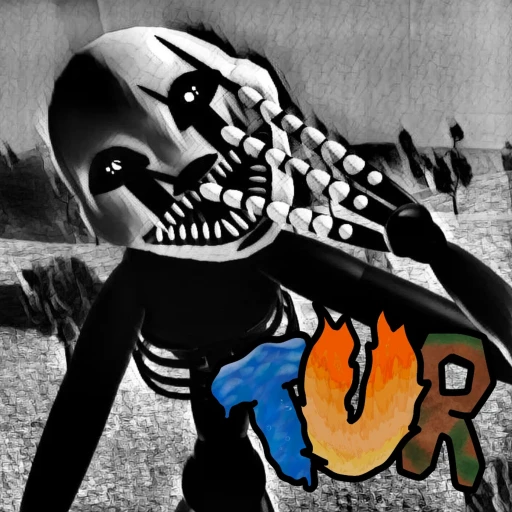
Tiny Universe Roleplay vs Kaiju Universe (2026) — Which Monster Game Wins?
Tiny Universe Roleplay and Kaiju Universe are both Roblox giant-monster games built on the same fantasy: become a towering creature. One is a morph-based roleplay sandbox; the other a combat-focused kaiju fighter. This 2026 comparison breaks down the focus, progression, codes, and which fits you.
In This Comparison
Quick Overview
| Feature | Tiny Universe Roleplay | Kaiju Universe |
|---|---|---|
| Genre | Monster roleplay sandbox | Kaiju battle progression |
| Focus | Roleplay + collecting morphs | Fighting & growing kaiju |
| Roster | 100+ morphs | Distinct kaiju roster |
| Style | Open sandbox | Combat-driven |
| Codes (Jul 2026) | None verified | Progression-based |
| Best for | Roleplayers & collectors | Battle fans |

Gameplay & Focus
Tiny Universe Roleplay is an open sandbox. You pick from 100-plus morphs and choose your own vibe — peaceful roleplay with emotes and abilities, or free-form monster brawls in the city. There is no forced objective, which makes it a creative hangout as much as a fight game.
Kaiju Universe is more combat-and-progression focused. It is built around growing and battling specific kaiju, with a clearer sense of advancement and power scaling. The emphasis is on becoming a stronger monster and winning fights rather than open roleplay.
Progression & Depth
Tiny Universe Roleplay progresses through morphs and badges — roughly 60 badges tie to unlocking creatures and completing objectives, steadily growing your roster. The depth is in collection and creative expression.
Kaiju Universe leans into battle progression — developing your kaiju and climbing through fights. Which feels deeper depends on whether you value a huge collectible roster and roleplay freedom, or focused combat advancement.
Codes & Value
Neither game is code-driven. Tiny Universe Roleplay has no verified codes as of July 2026, and Kaiju Universe is similarly built around in-game progression. Both are free, so the value is the monster fantasy itself — collection and roleplay in one, battle progression in the other.
The Verdict
There is no wrong pick — both live the giant-monster fantasy. Choose Tiny Universe Roleplay for a creative morph sandbox with 100-plus creatures where roleplay and brawls both fit. Choose Kaiju Universe for a deeper, combat-focused kaiju battler with real power progression. One rewards collection and imagination, the other fighting mastery — try both and keep whichever monster experience you prefer.
Earn Free Robux for Either Game
Want Robux for morphs or kaiju perks? Earnaldo lets you earn free Robux by completing simple tasks — no surveys spam, no downloads.
Frequently Asked Questions
Both are giant-monster games, but the focus differs. Tiny Universe Roleplay (place ID 100453351939863) is a morph-based roleplay sandbox with 100-plus creatures where you can roleplay or brawl freely. Kaiju Universe is a more combat-and-progression-focused kaiju fighter built around growing and battling specific monsters. One leans roleplay-and-collection, the other leans monster-battle progression.
Neither is code-driven. Tiny Universe Roleplay has no verified codes as of July 2026, and Kaiju Universe similarly focuses on in-game progression. In both, your monster roster grows from playing, not from redeeming codes.
Tiny Universe Roleplay is the stronger roleplay pick by design — its emotes, huge morph roster, and open sandbox are built for storytelling and hangouts. Kaiju Universe is more about battling and progressing your kaiju, so it appeals more to combat-focused players.
Play Tiny Universe Roleplay for a creative morph sandbox where roleplay and monster brawls both fit, with 100-plus creatures to collect. Play Kaiju Universe for a deeper monster-battle experience focused on growing and fighting kaiju. They overlap on the giant-monster fantasy but deliver it differently, so many fans enjoy both.
Dig deeper with our full Tiny Universe Roleplay guide and Kaiju Universe guide, see the codes page, or visit the hub. You can also learn how to get free Robux in 2026.