99 Nights in the Forest vs Evade (2026) -- Which Roblox Horror Game Wins?
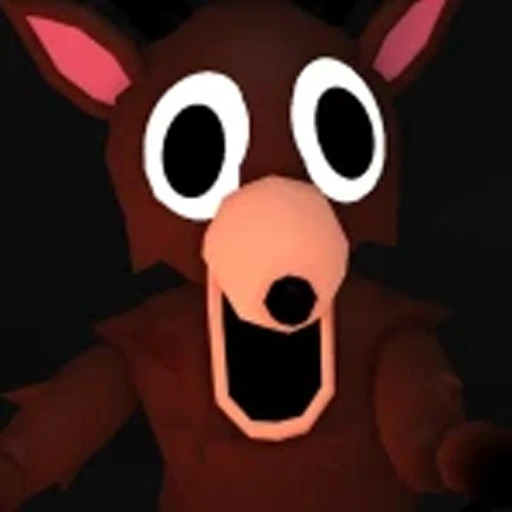
Roblox horror in 2026 is defined by two very different approaches to scaring players. 99 Nights in the Forest drops you into a vast wilderness where you build camp, tame animals, craft weapons, and survive increasingly brutal nights alongside your co-op team. Evade throws you into maps filled with relentless nextbot characters and tells you to run -- no crafting, no building, just raw survival instinct and split-second decision making.
Both games are free to play, both generate genuine fear, and both have carved out massive audiences. But the experiences they deliver are on opposite ends of the horror spectrum. 99 Nights is a slow-burn survival game that builds tension over hours. Evade is a sprint-based panic simulator that hits maximum intensity within seconds of spawning.
This comparison breaks down every meaningful category so you can figure out which game fits the way you want to play -- or whether both deserve a spot in your favorites bar.
99 Nights in the Forest vs Evade -- Quick Stats (2026)
| Category | 99 Nights in the Forest | Evade |
|---|---|---|
| Genre | Co-op horror survival | Nextbot horror chase |
| Place ID | 79546208627805 | 9872472334 |
| Developer | Grandma's Favourite Games | Hexagon Development |
| Concurrent Players | ~205K CCU | ~30K CCU |
| Core Loop | Build camp, survive nights, explore biomes | Run from nextbots, survive rounds |
| Session Length | 30-90+ minutes | 5-15 minutes per round |
| Team Format | Co-op squad (PvE) | All players vs nextbots (PvE) |
| Key Game Pass | Decorator (199R) | Radio (250R) |
| Horror Style | Atmospheric slow-burn dread | Frantic chase panic |
| Breakout Year | 2026 | 2022 (still active) |
| Mobile-Friendly | Yes | Yes |
| Free-to-Play | Yes | Yes |
Gameplay -- What Do You Actually Do?
99 Nights in the Forest
99 Nights in the Forest is one of the deepest survival games on Roblox. You start with nothing in a dense forest environment and have to build your way toward sustainable survival through resource gathering, camp construction, weapon crafting, and strategic planning. The nights get progressively more dangerous -- creatures become more aggressive, new threat types appear, and the margin for error shrinks with each passing cycle.
Camp building is the backbone of the experience. You are not just placing random structures. You need to think about campfire placement for warmth and light radius, defensive wall positioning to create choke points against incoming threats, storage organization for quick access to critical supplies, and crafting station layout for efficient production chains. The base you build on night five looks nothing like the fortress you maintain on night forty, and that visible progression is central to the appeal.
Biome exploration gives the map genuine scale. Different regions of the forest contain unique resources, creatures, and environmental hazards. A dense pine section might offer abundant building materials but limited food. A foggy swamp might hide rare crafting components behind dangerous wildlife encounters. Learning which biomes to prioritize at different stages of your survival run is a strategic layer that keeps long-term players engaged well past the initial learning curve.
Animal taming adds a companion system that goes beyond cosmetic pets. Tamed animals serve functional roles -- carrying resources, alerting you to approaching threats, or providing warmth during cold nights. Each species requires specific approach methods and resources to earn its trust, making every successful taming feel like an accomplishment rather than a checkbox.
Weapon crafting gives you tools to fight back. Finding rare materials, learning recipes, and building effective weapons creates tangible power progression that pairs with the camp-building loop. The best weapons require exploration into the most dangerous biomes, creating natural risk-reward decisions throughout every session.
The co-op design ties everything together. Splitting duties across a squad -- one player gathering wood, another hunting for food, a third fortifying defenses, a fourth scouting for children to rescue -- creates natural teamwork dynamics that few Roblox games achieve. The division of labor is not assigned by the game. It emerges organically from player communication and the pressure of survival.
Evade
Evade strips horror down to its most primal mechanic: something is chasing you, and if it touches you, you die. Nextbot characters -- AI-driven entities using real face images rendered at terrifying scale -- spawn into the map and pursue players relentlessly. Your only job is to not get caught.
The brilliance of Evade is in its simplicity. There are no resources to manage, no bases to build, no crafting systems to learn. You spawn, you hear the nextbot approaching, and you run. Movement is everything. Learning when to sprint, when to walk to conserve stamina, when to take a risky shortcut through a narrow corridor, and when to sacrifice a clear path for a harder route that buys you distance -- these micro-decisions are the entire game, and they are endlessly engaging.
Map variety keeps the chase formula from going stale. Evade rotates through a collection of environments ranging from office buildings and warehouses to outdoor landscapes and industrial complexes. Each map has its own geometry, sight lines, hiding spots, and death traps. A strategy that works perfectly on one map might get you killed in the first thirty seconds on another. Map knowledge is arguably the single biggest skill differentiator between new and experienced players.
Nextbot variety adds unpredictability to every round. Different nextbots move at different speeds, follow different pathing logic, and produce different audio cues. Some are slow but persistent, never losing track of you once they lock on. Others are blindingly fast but can be juked with sharp directional changes. A few have special behaviors that break expected patterns -- cutting through walls, teleporting short distances, or spawning in unusual locations. You learn the roster over time, but the randomized spawning ensures you can never fully predict what combination you will face.
The social dynamic is cooperative by default. All human players share the same goal -- survive -- and the nextbots target everyone equally. There is no betrayal mechanic, no competitive angle between players. You help each other by calling out nextbot positions, sharing hiding spots, and occasionally sacrificing your own safety to draw attention away from a teammate about to be cornered. The camaraderie happens naturally under pressure.
Rounds are fast. A typical Evade session runs between five and fifteen minutes, depending on the map and how quickly the nextbots overwhelm the lobby. Getting eliminated does not sting because you are back in a new round within minutes. This quick-cycle structure makes Evade ideal for short play sessions or as a warm-up before diving into a longer game.
Edge: 99 Nights in the Forest for mechanical depth and long-session value. Evade for immediate accessibility and pick-up-and-play intensity. 99 Nights asks you to invest time learning interconnected systems. Evade asks you to run. Both deliver, but for fundamentally different player moods.
Progression -- How Does Each Game Keep You Playing?
99 Nights in the Forest
99 Nights ties progression to tangible, visible outcomes. Your camp is the physical record of your time investment. Night one is a campfire and maybe a crude wall. Night twenty is a multi-room structure with dedicated crafting areas, storage systems, and layered defenses. Night fifty is a fortress that other players walk through with genuine appreciation for the work it represents.
The weapon tier system provides a parallel progression track. Early weapons are basic -- improvised tools that barely hold off the weakest creatures. Mid-game weapons let you confidently clear standard threats. Late-game weapons, built from rare materials found in the most dangerous biomes, turn you from prey into a force that the forest respects. The 2026 best weapons meta keeps shifting as updates add new crafting recipes and material sources.
Animal collection tracks your exploration breadth. Each biome contains species you cannot find elsewhere, so a full roster represents thorough engagement with the entire map. Animals are not just trophies -- they provide functional benefits that scale with your survival needs, making collection strategically meaningful.
Child rescue missions serve as structured quests within the open survival sandbox. Each child is in a specific location with specific surrounding threats, giving you clear objectives when the open-ended loop starts to feel directionless. Rescued children contribute to your camp, creating a reward feedback loop that reinforces the exploration you were already doing.
Evade
Evade handles progression through cosmetics, badges, and skill mastery. Surviving rounds earns currency that unlocks skins, emotes, and customization options. The Radio game pass (250 Robux) lets you play custom audio during matches, which has become a core part of the Evade social experience -- running from a terrifying nextbot while someone blasts absurd music creates the specific brand of chaotic fun that defines the game.
Badge hunting provides collectible goals for completionists. Surviving specific maps, outlasting a certain number of nextbots, reaching survival milestones, and achieving challenge conditions all award badges that serve as social proof of your experience level. A player with a full badge collection has demonstrably survived situations that eliminated most of the lobby.
The real progression in Evade is skill-based and invisible on paper but obvious in practice. A player with hundreds of hours moves differently. They take corners wider, they anticipate nextbot pathing before hearing audio cues, they know exactly when their stamina will run out and plan routes accordingly. This mechanical mastery is the actual progression system, and it has no ceiling. There is always a harder map, a faster nextbot combination, or a tighter survival scenario that tests your limits.
Map knowledge compounds over time. Experienced players know every hiding spot, every shortcut, every dead end that will get you killed. They know which surfaces block nextbot line of sight and which ones only look safe. This accumulated knowledge makes the same maps play differently at different skill levels, creating natural difficulty scaling without artificial adjustments.
Edge: 99 Nights in the Forest. The camp-building progression creates a visible, shareable record of your dedication that Evade's cosmetic and skill-based systems cannot replicate. Walking through a camp you spent fifty hours building is one of the most satisfying feelings on Roblox. Evade's progression is real and meaningful, but it lives in your muscle memory and badge list rather than in a structure you can show off to friends.
Graphics and Audio
99 Nights in the Forest
99 Nights makes its natural setting work hard. Daytime scenes feature sunlight filtering through dense canopy, casting realistic shadow patterns across the forest floor. Different biomes carry distinct visual identities -- the color palette shifts from deep greens in dense woodland to muted browns in arid clearings to blue-grey tones in foggy swampland. Weather systems add visual variety within individual biomes, with rain changing the mood of a familiar area significantly.
Nighttime is where the visual design earns its horror credentials. Darkness in 99 Nights is not just a filter overlay -- it genuinely limits visibility. Your campfire creates a warm circle of safety surrounded by absolute black, and anything moving at the edge of that light boundary triggers a primal unease that the developers clearly understand. The transition from safe daylight to threatening darkness is gradual and atmospheric, building dread naturally rather than through jump-scare gimmicks.
Audio design supports the atmosphere with layered environmental sound. Wind through trees, distant animal calls, water flowing through nearby streams -- the forest feels alive during the day. At night, those comforting sounds shift. Branches crack in directions you cannot see. Creature vocalizations grow louder and more aggressive. The absence of birdsong after sunset is a subtle detail that registers subconsciously and makes the night feel genuinely hostile.
Evade
Evade takes a different visual approach that serves its gameplay perfectly. Environments are clean, readable, and designed for navigation under pressure. You need to see exits, judge distances, and identify obstacles while sprinting at full speed -- visual clutter would work against the core experience. The map designs prioritize functional clarity over atmospheric density.
Nextbot visual design is intentionally unsettling. The oversized face images rendered on 3D models create an uncanny valley effect that remains disturbing even after hundreds of encounters. The contrast between realistic photographic faces and the blocky Roblox environment produces a visual dissonance that the brain never fully normalizes. New nextbot additions keep this unease fresh by introducing faces and expressions players have not built tolerance to.
Lighting varies by map but generally serves gameplay over mood. Well-lit areas give you clear sightlines but leave you exposed. Darker sections offer hiding potential but limit your ability to see approaching nextbots. Some maps use lighting transitions -- moving from bright lobbies to dark corridors -- to create natural tension shifts within a single round.
Audio in Evade is a survival tool first and an atmosphere builder second. Nextbot footsteps and ambient sounds provide directional information that experienced players read constantly. The volume and frequency of nextbot audio tells you roughly how close the nearest threat is and from which direction it is approaching. Players who play without sound are at a measurable disadvantage because they lose access to information that headphone users process automatically.
The contrast between terrifying chase audio and the community's tendency to blast joke songs through the Radio pass creates a tonal whiplash that is uniquely Evade. Running for your life while someone plays a meme track at full volume should not work, but it does -- it creates a specific brand of horror-comedy that no other Roblox game replicates.
Edge: 99 Nights in the Forest for environmental beauty and atmospheric immersion. Evade for functional visual design and audio that directly serves gameplay. 99 Nights wants you to feel present in its world. Evade wants you to process information fast enough to survive. Both accomplish their goals at a high level for the Roblox platform.
Player Count and Community (July 2026)
99 Nights in the Forest is the dominant title by raw numbers. With roughly 205K concurrent players, it stands as 2026's biggest horror breakout and one of the most-played experiences on the entire platform. Grandma's Favourite Games built something that appeals beyond the horror audience -- the crafting, building, and taming elements draw players who might never touch a pure scare game. The community leans cooperative and creative, with players sharing camp designs, weapon tier lists, and biome exploration strategies across social media and Discord.
Evade maintains a steady 30K CCU, which represents remarkable staying power for a game that launched in 2022. Where many Roblox games spike and fade, Evade has maintained consistent engagement through regular nextbot additions and map updates. The community thrives on clip culture -- short videos of narrow escapes, hilarious deaths, and clutch survivals perform consistently well on TikTok and YouTube Shorts. The player base skews toward casual horror fans who want quick thrills without the time commitment of survival crafting.
Community culture differs substantially between the two. 99 Nights fosters long-term relationships -- squad members who play together regularly develop communication shortcuts and inside jokes through shared survival experiences. Evade generates communal chaos -- lobbies full of strangers screaming, laughing, and dying together create a party atmosphere that refreshes with every new round and every new lobby.
Content creation serves both games well but in different formats. 99 Nights generates long-form content that performs on YouTube -- camp tours, survival challenge runs, weapon guides, and biome exploration videos that run 15-30 minutes. Evade generates short-form content that thrives on TikTok -- 30-second clips of insane chases, unexpected nextbot encounters, and comedic deaths that are endlessly shareable.
Edge: 99 Nights in the Forest. Nearly seven times the concurrent player count reflects broader appeal and stronger retention in 2026. Evade's longevity since 2022 is impressive, but 99 Nights is operating at a fundamentally different scale right now.
Game Passes and Monetization
99 Nights in the Forest
99 Nights takes a minimalist approach to monetization. The primary game pass is the Decorator (199 Robux), which unlocks cosmetic customization options for your camp. You get decorative items, alternative material skins for structures, and visual flourishes that let you personalize your base. No gameplay advantage is attached -- every weapon, every crafting recipe, every biome, and every animal taming mechanic is available to free players.
This philosophy is notably player-friendly. The developers could monetize resource boosters, survival shortcuts, or exclusive weapons, but they chose to limit paid content to pure expression. At roughly $2.50 USD, the Decorator pass is priced as an optional thank-you purchase rather than a mandatory upgrade. Long-term players tend to pick it up naturally as a way to support development while adding personality to camps they have already invested hours in building.
Evade
Evade offers several game passes that enhance the social experience without affecting survival mechanics. The Radio (250 Robux) is the standout purchase, letting you play custom audio tracks during matches. This pass has become culturally central to Evade -- the combination of horror chases and absurd music is the game's signature vibe, and Radio pass holders contribute significantly to the communal atmosphere.
Additional passes cover cosmetic categories like character skins, emotes, and visual effects. None provide gameplay advantages. The total potential spend is higher than 99 Nights if you want everything, but each individual pass is reasonably priced and entirely optional.
Evade's monetization fits its quick-session format. Players who drop in for a few rounds are unlikely to feel pressured to spend. Players who make it a regular game tend to grab the Radio pass for the social value it adds. The system is fair and non-predatory across the board.
Edge: 99 Nights in the Forest. Simpler monetization with a single low-cost pass versus Evade's broader but pricier lineup. Both games are fully enjoyable without spending Robux, but 99 Nights makes the no-spend experience feel complete while Evade's Radio pass is so culturally embedded that playing without it can feel like missing part of the experience.
Social Features -- Playing with Friends
99 Nights in the Forest
99 Nights is built for cooperative play, and the social design reflects that priority throughout every system. Building camp together creates shared ownership -- every wall, every crafting station, every defensive barricade has a player behind it, and the team knows who built what. Walking through a camp your squad constructed from scratch generates pride that solo building cannot replicate.
Role specialization emerges naturally from the survival pressure. One player becomes the builder, maintaining and expanding camp infrastructure. Another becomes the hunter, tracking animals and gathering food. A third becomes the explorer, pushing into dangerous biomes for rare resources. A fourth becomes the defender, organizing nighttime strategy and weapon distribution. These roles are not assigned by the game -- they develop organically through communication and complement each other's strengths.
The shared crisis of nighttime survival bonds squads in ways that cooperative games rarely achieve. Barely surviving a brutal night attack with resources depleted and structures damaged -- then laughing about it while rebuilding the next morning -- creates the kind of stories that keep friend groups returning week after week. The emotional arc of tension, release, and recovery is powerful social glue.
Animal taming is a shared adventure. Discovering a new species, figuring out its taming requirements, and successfully adding it to camp is a collaborative achievement that generates natural celebration. Losing a tamed animal to a night raid creates genuine shared loss. These emotional stakes make the social experience richer than games where cooperation is purely mechanical.
Evade
Evade's social experience is chaotic, immediate, and surprisingly deep for a game with no formal communication systems. Lobbies of players running from the same nextbots develop instant camaraderie -- you do not need to know someone's username to feel connected when you both barely survived the same chase around a warehouse corner.
Playing with friends on voice chat turns Evade into a social highlight reel generator. Screaming warnings, celebrating survivals, mourning hilarious deaths, and recounting close calls happen continuously throughout every session. The short round structure means emotional resets happen frequently -- you can go from mourning a death to laughing about it to panicking about a new chase within two minutes.
The Radio pass adds a unique social dimension. Radio holders become DJs for the lobby, and the music choice becomes part of the shared experience. Running from nextbots while someone plays perfectly timed dramatic music, or absurdly inappropriate comedy tracks, adds a layer of social expression that is distinctly Evade. Music selection becomes a form of personality broadcast.
Evade is also an outstanding spectator experience. Watching from the eliminated player view as surviving friends navigate increasingly dangerous situations is entertaining in a way that most Roblox games' spectator modes are not. The spectator chat during tense moments generates its own social content.
Edge: 99 Nights in the Forest for deep cooperative bonding and long-term squad cohesion. Evade for immediate social energy and laugh-per-minute ratio. If you want a game that strengthens friendships over months, choose 99 Nights. If you want a game that generates stories your friend group will reference for weeks, choose Evade. Both are exceptional social experiences built on completely different foundations.
Replay Value -- Will You Still Play Next Month?
99 Nights in the Forest
99 Nights has a long-tail replay value curve that rewards dedication. The early game teaches survival fundamentals across ten to fifteen hours. The mid-game opens up with deeper biomes, weapon tiers, and animal species across the next thirty to fifty hours. The late game is optimization and mastery -- pushing survival streaks, perfecting camp layouts, collecting everything the forest offers, and helping newer players through their own journeys.
Content updates from Grandma's Favourite Games extend the curve further. New biomes, creatures, weapons, and seasonal events have maintained a consistent cadence through 2026, ensuring that even veteran players have reasons to return. The game is not resting on its breakout success -- it is actively expanding the world that drove that success.
The co-op element provides natural replay value beyond content. Running a new friend through their first nights, experimenting with different squad compositions, or challenging yourself to survive with self-imposed restrictions all generate fresh experiences from familiar systems. Content you mastered solo plays differently with a new squad member who needs guidance.
Evade
Evade's replay value is structural rather than content-driven. The AI-controlled nextbots create genuinely different encounters every round. Two back-to-back rounds on the same map with the same nextbot roster will play out differently because player positioning, decision timing, and spawn locations create unique scenarios from identical ingredients.
New nextbot additions and map releases refresh the experience periodically, but Evade does not depend on updates to stay replayable. The core chase mechanic is inherently variable in a way that survival loops have to work harder to achieve. You stop playing Evade when you stop finding the chases exciting, and for most players, the nextbot AI provides enough unpredictability to keep that excitement alive for a long time.
The low commitment per session supports replay through accessibility. Playing one Evade round takes five to fifteen minutes. There is no gear to lose, no camp progress to protect, no stakes beyond the current round. This frictionless structure means you can play Evade casually for months without ever feeling behind or overwhelmed by missed content.
Skill mastery provides indefinite replay value for competitive players. Learning to survive harder maps, developing better pathing instincts, and pushing survival times against increasingly difficult nextbot combinations gives dedicated players a self-directed challenge curve with no cap.
Edge: Evade. The structural unpredictability of AI chases creates replay value that does not depend on developer content cadence. 99 Nights has excellent long-term progression and strong update support, but Evade's chase mechanic is self-renewing in a way that crafting loops need constant new ingredients to match. For pure replayability divorced from progression systems, Evade has the advantage.
Earning Potential -- Free Robux While You Play
Both games pair well with Earnaldo for earning free Robux during natural gameplay breaks. 99 Nights in the Forest has built-in downtime during daytime phases when threats are minimal and your squad handles camp maintenance -- perfect windows to tab over and complete quick earning tasks. Evade's fast round cycles with short matchmaking gaps between games provide frequent micro-breaks that fit earning sessions without interrupting your flow.
For game-specific earning strategies, check out our 99 Nights in the Forest free Robux guide and Evade free Robux guide. Stay current with working codes: 99 Nights codes | Evade codes.
Earn Free Robux for 99 Nights or Evade
Earnaldo lets you complete simple tasks and withdraw real Robux -- no generators, no downloads, no nonsense. Use your earnings to grab game passes in either title.
Head-to-Head Verdict -- 99 Nights in the Forest vs Evade in 2026
The Verdict
Choose 99 Nights in the Forest if you want a deep, layered survival experience that rewards patience, planning, and teamwork. The camp-building progression is among the most satisfying on Roblox, the biome variety keeps the world feeling enormous, and the co-op mechanics make it one of the strongest squad games available. With 205K concurrent players in 2026, its breakout success reflects genuine depth rather than hype. Best for players who want to commit to a game that grows and evolves alongside their skill level over weeks and months of dedicated play.
Choose Evade if you want immediate, accessible horror that delivers maximum adrenaline with minimum setup. The nextbot chase formula is endlessly replayable, the short round structure fits any schedule, and the community atmosphere is uniquely entertaining. Its sustained 30K CCU years after launch proves the core loop holds up without relying on constant content drops. Best for players who want quick thrills, low commitment, and a game they can jump into for fifteen minutes or three hours with equal satisfaction.
Overall winner: 99 Nights in the Forest -- by a substantial margin. The depth of its survival systems, the visible camp progression, the weapon crafting and animal taming layers, the broader player base, and the more accessible monetization make it the stronger recommendation for most Roblox players. Evade excels at what it does -- pure chase horror with outstanding accessibility -- but it operates at a smaller scale in both player count and mechanical complexity. That said, these games are not competitors in the traditional sense. 99 Nights is a main course. Evade is a palate cleanser between sessions. The smartest move is keeping both in your favorites because they scratch entirely different itches, and switching between them prevents burnout in either direction.
Who Should Play What?
- You love building and crafting: 99 Nights in the Forest. The camp system is deep, the weapon crafting provides meaningful power progression, and the visual transformation of your base over dozens of nights is genuinely rewarding.
- You want instant action with zero learning curve: Evade. You spawn, you run, you survive or you do not. The mechanics are immediately clear and immediately engaging.
- You have a regular co-op squad: 99 Nights in the Forest. The division of labor, shared base building, and collaborative survival create bonds that deepen with every session together.
- You have short play sessions (under 20 minutes): Evade. Quick five-to-fifteen minute rounds mean you always have time for at least one meaningful session.
- You want sustained atmospheric horror: 99 Nights in the Forest. The nighttime survival sequences build dread over minutes and hours, not seconds.
- You want chaotic social energy: Evade. Lobbies full of players screaming, laughing, and dying together while meme songs blast through the Radio pass is an atmosphere no other Roblox game replicates.
- You want long-term progression you can see: 99 Nights in the Forest. Your camp is a physical monument to your investment. Nothing in Evade provides that same visual record.
- You want to earn Robux while playing: Both work with Earnaldo. 99 Nights has daytime lulls for earning tasks. Evade has between-round gaps. Pick whichever fits your earning style.
Frequently Asked Questions
Is 99 Nights in the Forest or Evade more popular on Roblox in 2026?
99 Nights in the Forest is significantly more popular. It pulls roughly 205K concurrent players, making it 2026's biggest horror breakout on the platform. Evade maintains a steady 30K CCU, which is strong for its category but represents a fraction of 99 Nights' active player base. Both are well-populated enough that you will never have trouble finding a lobby.
Which game is scarier -- 99 Nights in the Forest or Evade?
They deliver scares differently. 99 Nights builds atmospheric dread through dark forests, dwindling resources, and creatures that attack without warning during nighttime survival. Evade delivers pure panic through relentless nextbot chases where a single wrong turn means instant death. Evade hits harder in short bursts with jump-scare intensity. 99 Nights sustains tension over longer sessions with environmental horror. Your preference depends on whether you find slow dread or sudden chases more frightening.
Can you play 99 Nights in the Forest and Evade solo?
99 Nights supports solo play but is designed for co-op teams -- going alone is much harder because survival tasks demand the coordination a squad provides naturally. Evade works well on public servers since all players share the same survival objective and cooperation happens organically. Neither game requires a premade group, but 99 Nights benefits more from having friends along.
Which game runs better on mobile -- 99 Nights or Evade?
Evade generally runs smoother on mobile because its environments are simpler and the game focuses on movement rather than complex building interfaces. 99 Nights in the Forest works on mobile but the resource management, camp building, and inventory systems are more comfortable with keyboard and mouse. Both are playable on all Roblox-supported platforms, but Evade is the more mobile-friendly option.
Do 99 Nights in the Forest and Evade get regular updates?
Both games receive ongoing developer support. 99 Nights in the Forest from Grandma's Favourite Games frequently adds new biomes, creatures, weapons, and seasonal events that expand the survival experience. Evade from Hexagon Development regularly introduces new nextbot characters, maps, and game modes that keep the chase formula fresh. Both studios have maintained consistent update cadences throughout 2026.
Which Roblox horror game should I play first -- 99 Nights or Evade?
If you want to jump into action immediately with zero learning curve, start with Evade. The mechanics are instantly clear -- run from the thing chasing you. If you prefer a deeper experience with crafting, base building, and exploration layered into your horror, start with 99 Nights in the Forest. Evade is the better pick-up-and-play option. 99 Nights rewards players willing to invest time mastering its interconnected systems. Both are free, so trying each takes nothing but a few minutes.