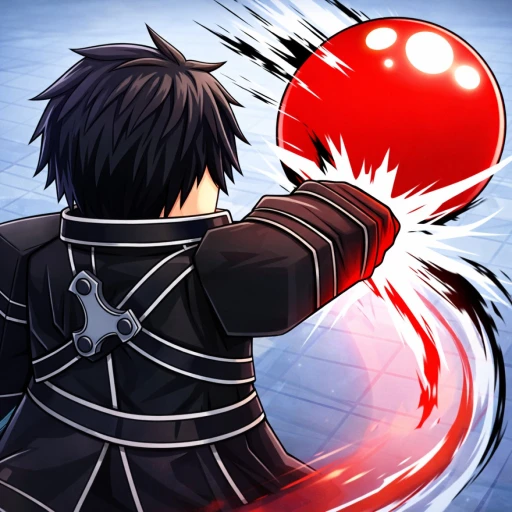
Anime Ball vs Blade Ball (2026) -- Which Roblox Game Is Better?
Two Roblox games, one shared concept: deflect the homing ball or get eliminated. Anime Ball, developed by Ewber, wraps that formula in anime-themed abilities drawn from popular series, with Yen as its in-game currency and seasonal content updates that keep fans coming back. Blade Ball, built by Wiggly Games, is the original phenomenon that brought homing ball deflection to the mainstream -- pulling over 110,000 concurrent players at its peak, complete with a ranked competitive mode and one of the largest active communities on the platform. Both games are free, both are addictive, and both will test your reflexes. But they deliver the experience in very different ways. Here is our full comparison to help you figure out which one deserves your time.
Quick Stats: Anime Ball vs Blade Ball
| Feature | Anime Ball | Blade Ball |
|---|---|---|
| Developer | Ewber | Wiggly Games |
| Roblox Place ID | 14861721759 | 13772394625 |
| Genre | Anime Dodgeball / Deflection | PvP Deflection Arena |
| Player Base | Growing, niche | Massive (110K+ peak concurrent) |
| Core Mechanic | Anime ability-based ball deflection | Timed sword deflection |
| In-Game Currency | Yen | Coins |
| Abilities | Anime series-themed powers | Sword-based with unique effects |
| Ranked Mode | Not yet available | Full seasonal ranked system |
| Content Updates | Seasonal anime themes | Frequent events and drops |
Core Gameplay: How the Ball Works
At the heart of both games is the same fundamental loop: a ball appears, it locks onto a player, and that player must deflect it at the right moment or face elimination. Last player standing wins. This shared DNA is what makes comparing the two so natural -- and what makes the differences between them so telling.
Anime Ball takes the homing ball concept and layers anime-themed abilities on top of it. When you load into a match, you are not just a player with a deflect button. You have a loadout of abilities inspired by popular anime series -- think energy blasts, teleportation dashes, shield barriers, and speed boosts that reference well-known characters and moves. These abilities run on cooldowns and cost Yen to upgrade between matches. The result is a game where deflecting the ball is only half the battle. Positioning yourself using movement abilities, shielding at the right moment to survive a close call, or using an offensive ability to redirect the ball's trajectory all factor into winning. Each round feels different depending on which abilities you and your opponents bring to the arena.
Blade Ball strips the concept down to its most refined form. You have a sword, and when the ball targets you, you swing to deflect it. The timing window is tight, and the ball accelerates throughout each round, making late-game deflects a genuine test of reflexes. Where depth comes in is through the sword system -- different swords alter how your deflect works. Some curve the ball on contact, others add a speed burst, and rare legendary swords have special activated abilities with lengthy cooldowns. The simplicity of the core interaction is Blade Ball's greatest strength. You understand the game within your first ten seconds of playing it, but mastering the timing, positioning, and sword selection takes real dedication.
The philosophical difference is clear: Anime Ball adds complexity through layered ability systems. Blade Ball keeps the core loop tight and lets depth emerge from mastery of a few variables.
Edge: Anime Ball for players who want variety and ability-driven strategy in every match. Edge: Blade Ball for players who want a clean competitive loop where skill expression comes from precision rather than loadout choices.
Abilities and Customization
The ability systems in these two games represent fundamentally different design philosophies, and your preference here will likely determine which game you gravitate toward.
Anime Ball's ability system is its defining feature. The game draws from a wide catalog of anime series to create abilities that feel thematically authentic. You might equip a dash ability that mirrors a famous shonen teleportation technique, pair it with a defensive barrier inspired by a well-known energy shield, and top it off with an ultimate ability that references an iconic finishing move. The developers at Ewber rotate which anime series are featured with each seasonal update, meaning the ability pool grows over time and the meta shifts regularly. Abilities are unlocked and upgraded using Yen earned through gameplay, and the upgrade path is meaningful -- a fully upgraded ability performs noticeably better than its base version in terms of cooldown reduction, range, or effect duration.
Blade Ball takes a more restrained approach. Your primary customization comes through sword selection. Each sword has a base deflect mechanic plus a unique property. The Inferno sword adds a burning trail to deflected balls. The Phantom sword lets you phase through the ball once per round to reposition. The Velocity sword increases the ball speed on your deflect, making it harder for your target to react. These sword properties create strategic diversity without overwhelming players with options. Beyond swords, you can unlock cosmetic auras, victory animations, and trail effects that personalize your appearance without affecting gameplay. The system is intentionally streamlined -- you make one meaningful strategic choice (your sword) and then your performance comes down to execution.
For players who love theorycrafting loadouts, testing ability combinations, and adapting their build to counter opponents, Anime Ball delivers that experience. For players who want to pick their preferred tool and then focus entirely on outplaying opponents through raw skill, Blade Ball is the better fit. For guides on earning Robux for ability upgrades or sword purchases, check out our Anime Ball free Robux guide and Blade Ball free Robux guide.
Edge: Anime Ball -- the depth and variety of its anime-themed ability system gives it significantly more customization options for players who enjoy build crafting.
Competitive Play and Ranked Systems
If you are the type of player who wants to climb a ladder and measure your progress against the broader community, this section matters a lot.
Blade Ball has a fully developed ranked mode with seasonal divisions, placement matches, and end-of-season rewards. You start each season by playing placement matches that establish your initial rank, then grind through tiers by winning matches against similarly ranked opponents. The system uses skill-based matchmaking, so as you improve, your opponents improve with you. Reaching the highest tiers requires consistent performance under pressure -- the ball moves faster, opponents deflect more reliably, and mistakes are punished immediately. Seasonal rewards include exclusive swords, auras, and titles that show other players your competitive achievements. The ranked mode has become one of Blade Ball's strongest retention tools, giving dedicated players a reason to keep coming back season after season.
Anime Ball does not currently have a formal ranked system. Competitive play happens through regular lobbies, community-organized tournaments on Discord, and occasional developer-hosted events during seasonal updates. The lack of built-in ranked play is the most common piece of feedback from the Anime Ball community, and the developers at Ewber have acknowledged it as a priority for future updates. For now, the competitive experience in Anime Ball is more informal -- you play public lobbies, learn the meta, and test yourself against whoever happens to be in your server. This can be frustrating for players who want structured competition, but it also means the casual experience is never disrupted by ranked anxiety or sweaty lobbies.
This is not a close comparison. If competitive progression and ranked play are important to you, Blade Ball is the only option right now.
Edge: Blade Ball -- its ranked system is polished, rewarding, and gives competitive players exactly what they need to stay invested long-term.
Progression, Currency, and Unlocks
Both games give you meaningful things to work toward beyond just surviving each round, but the progression systems feel different in practice.
Anime Ball uses Yen as its universal currency. You earn Yen by playing matches, completing daily challenges, and participating in seasonal events. Yen buys new abilities, upgrades existing ones, and unlocks cosmetic items. The seasonal structure means new ability sets drop periodically, giving returning players fresh content to chase. The upgrade system creates a satisfying loop -- you try a new ability at base level, decide if it fits your playstyle, and then invest Yen to make it stronger over time. Codes also provide Yen boosts, and the developers release them regularly through social media. For the latest, visit our Anime Ball codes page.
Blade Ball's progression revolves around coins earned through gameplay, which you spend on sword spins, direct sword purchases, and cosmetic items. The spin system is the primary way to acquire new swords -- you spend coins (or Robux, if you choose) for a random chance at different rarity tiers. Legendary swords are rare and exciting to pull, but the randomness can feel frustrating compared to a direct purchase system. The battle pass, refreshed each season, provides a structured progression track with guaranteed rewards at each tier. The combination of random spins, direct purchases, and battle pass progression gives players multiple paths to acquire what they want. Check our Blade Ball codes page for free coin codes that help accelerate your progress.
Anime Ball's progression feels more predictable and player-friendly -- you earn Yen, you spend it on what you want, and you upgrade at your own pace. Blade Ball's progression has more variety and excitement (that legendary sword spin hit is genuinely thrilling) but the RNG element can make it feel less respectful of your time.
Edge: Anime Ball -- the direct Yen-based upgrade system gives players more control over their progression path without relying on random spins.
Community Size and Social Experience
The size difference between these two communities is the elephant in the room, and it affects nearly every aspect of the social experience.
Blade Ball is one of the most-played games on Roblox. With concurrent player counts regularly exceeding 110,000 players, you never wait for a match, never struggle to find a full server, and never feel like you are playing a dead game. The community extends well beyond Roblox itself -- Blade Ball content creators on YouTube and TikTok generate millions of views with montage videos, trick shot compilations, and competitive highlights. This content ecosystem feeds new players into the game constantly, creating a self-sustaining growth cycle. The in-game social experience benefits from the massive population too. Lobbies are active, chat is lively, and there is always someone at your skill level to compete against. Playing with friends is effortless because servers are plentiful and easy to join.
Anime Ball has a smaller but passionate community. Servers are active, but you will occasionally notice the same players in your lobbies across multiple sessions -- something that rarely happens in Blade Ball. The upside of a smaller community is that it tends to be more tight-knit. The Discord server is active with strategy discussion, ability tier lists, and genuine conversation between players and developers. Ewber is accessible and responsive, frequently asking the community which anime series should inspire the next ability set. Content creation around Anime Ball is growing, with dedicated YouTubers covering each seasonal update, but the volume does not compare to Blade Ball's massive creator ecosystem.
The social dynamics during gameplay differ too. Blade Ball's large lobbies create a spectator sport atmosphere -- after you are eliminated, you watch the remaining players battle it out, and those final moments generate genuine excitement in chat. Anime Ball's matches feel more personal. The anime ability system creates natural conversation starters ("what abilities are you running?"), and the themed content gives players shared reference points to bond over.
Edge: Blade Ball -- the sheer scale of its community means faster matchmaking, more content, and a more vibrant social ecosystem at every level.
Want Free Robux for Abilities and Swords?
Earn Robux through Earnaldo and unlock your favorite anime abilities or legendary swords without spending real money.
Game Passes and Monetization
Both games are free to play, but each offers paid options for players who want to accelerate their progress or customize their appearance. How each game handles monetization says a lot about its priorities.
Anime Ball sells ability packs, Yen multipliers, and cosmetic bundles through its game pass store. The most popular purchase is the VIP pass, which doubles Yen earnings from every match and grants access to an exclusive lobby area. Ability packs let you instantly unlock a themed set of abilities from a specific anime series, skipping the Yen grind. The developers have been careful to ensure that paid abilities are not inherently stronger than free ones -- they just offer different strategic options. Cosmetic items include custom ball trails, elimination effects, and character outfits themed around anime series. The monetization feels fair overall, with free players able to access every ability through normal gameplay.
Blade Ball monetizes through direct sword purchases, cosmetic bundles, spin tokens, and the seasonal battle pass. The spin system is the most aggressive monetization element -- it offers the chance to spend Robux directly for random sword pulls, which can feel predatory when targeting rare legendary items. However, the developers offer enough free coins through gameplay and codes that patient players can participate in the spin system without spending real money. The battle pass costs Robux but provides strong value for regular players, with exclusive swords and cosmetics at each tier. Direct sword purchases are available for some items, giving players a non-random path to specific weapons.
Neither game is pay-to-win in a meaningful sense. You can compete effectively in both titles without spending anything. Anime Ball's approach feels slightly more transparent -- you see what you are buying and you buy it directly. Blade Ball's spin system introduces a gambling-adjacent element that some players and parents may find concerning, even though the gameplay items are eventually earnable for free.
Edge: Anime Ball -- its direct-purchase model is more straightforward and avoids the gacha-style spin mechanics that Blade Ball relies on.
Content Updates and Longevity
A competitive game is only as good as its ongoing support. Both development teams are active, but the scale and style of their updates differ considerably.
Anime Ball operates on a seasonal update model tied to anime themes. Each season introduces a new set of abilities inspired by a specific anime series (or group of series), along with balance adjustments to existing abilities, new cosmetic items, and limited-time event challenges. The seasonal structure gives the game a natural rhythm -- returning players know that each season brings fresh content to explore. The downside is that updates are less frequent than Blade Ball's, with roughly four to six weeks between major content drops. Between seasons, smaller patches address bugs and minor balance tweaks, but the content pipeline is slower.
Blade Ball benefits from a larger development team and the revenue that comes with a massive player base. Updates are frequent and varied -- new swords, limited-time game modes, crossover events with other Roblox games, holiday celebrations, and competitive tournament seasons all keep the content calendar full. The developers respond to community feedback quickly, with balance patches often arriving within days of a community-identified issue. The content creator partnerships also generate unique in-game items and events that keep the game in the conversation on social media. The cadence of updates is one of the key reasons Blade Ball has maintained its enormous player base over time.
Anime Ball has the advantage of a strong thematic hook -- anime fans are loyal, and each new season that draws from a beloved series generates genuine excitement. But in terms of raw update volume and responsiveness, Blade Ball's resources give it a clear advantage.
Edge: Blade Ball -- more frequent updates, faster balance patches, and a wider variety of content keeps the game feeling fresh week after week.
Visual Style and Presentation
The visual identity of each game reflects its core philosophy. Anime Ball embraces spectacle. Blade Ball prioritizes clarity.
Anime Ball's arenas are colorful and themed around anime aesthetics, with particle effects on abilities that are designed to look flashy and satisfying. When a player activates an ultimate ability, the screen fills with energy effects and dramatic animations that reference iconic anime moments. The character customization options lean into anime styling, with outfits, hairstyles, and accessories that let players create their own anime-inspired look. The visual presentation is a significant part of what makes Anime Ball feel distinct from Blade Ball -- it is not just a ball deflection game, it is an anime experience that happens to center on ball deflection.
Blade Ball takes a cleaner, more modern approach. Arenas are geometric and uncluttered. The ball has a bright, glowing trail that makes it easy to track at all times, even when it reaches maximum speed. Deflect animations are crisp and responsive, giving players clear visual feedback on their timing. Sword effects add personality without compromising readability. The design philosophy here is competitive-first: nothing on screen should ever make you miss a deflect because you could not see what was happening. This visual clarity is one of the reasons Blade Ball works so well on mobile and appeals to competitive players who prioritize performance over aesthetics.
Edge: Anime Ball for players who want a visually rich, thematically immersive experience. Edge: Blade Ball for players who want clean, readable visuals that never interfere with competitive play.
Who Should Play What?
After spending significant time with both games, here is a straightforward breakdown of which game suits which type of player:
Choose Anime Ball if you:
- Love anime and want your gameplay abilities to reference your favorite series
- Enjoy experimenting with different ability loadouts and build strategies
- Prefer a direct currency system where you earn Yen and spend it on what you choose
- Want a tighter-knit community where developers are accessible and responsive
- Like seasonal content updates that introduce fresh themed abilities
- Value visual spectacle and anime-inspired aesthetics in your games
Choose Blade Ball if you:
- Want a game you can learn in seconds and spend months mastering
- Crave ranked competitive play with seasonal divisions and meaningful progression
- Prefer massive active servers where you never wait for a match
- Enjoy watching and creating content -- montages, trick shots, and highlights
- Want frequent updates, events, and a game that stays in the conversation
- Value competitive visual clarity over flashy effects
Our Verdict
Blade Ball wins on community size, ranked infrastructure, update frequency, and competitive polish. It is the safer recommendation for most players and the better game for anyone who wants structured competitive progression. Anime Ball wins on thematic identity, ability variety, progression fairness, and monetization transparency. If you are an anime fan who wants more strategic depth in your loadout decisions and a developer team that builds every update around the series you love, Anime Ball delivers an experience Blade Ball does not attempt to match. For competitive grinders, Blade Ball is the clear pick. For anime fans who want a themed deflection game with genuine build-crafting depth, Anime Ball is worth your time -- and worth watching as it continues to grow.
Frequently Asked Questions
Blade Ball is far more popular, regularly pulling over 110,000 concurrent players and trending on the Roblox front page. Anime Ball has a smaller but growing community that appeals to anime fans looking for a themed alternative to the standard ball deflection format.
No, they are separate games by different developers. Both feature a homing ball that players must deflect, but Anime Ball adds anime-themed abilities from popular series and uses Yen as its in-game currency, while Blade Ball focuses on sword-based deflection with ranked competitive modes. The core mechanic is shared, but the surrounding systems and theming are distinct.
Anime Ball is built specifically for anime fans. Every ability, skin, and seasonal update draws from popular anime series, making it the clear choice if you want anime theming baked into every aspect of gameplay. Blade Ball has cosmetic variety but no anime focus whatsoever.
Yes, both Anime Ball and Blade Ball are completely free to play. Game passes offer cosmetic items and convenience features in both titles, but neither game requires spending Robux to be competitive. Earnaldo offers ways to earn free Robux if you want to purchase optional game passes in either game.
Yes, Blade Ball has a fully developed ranked competitive mode with seasonal rankings, tiered divisions, placement matches, and exclusive end-of-season rewards. Anime Ball does not currently offer a formal ranked system, though competitive lobbies and community-organized tournaments exist on Discord.
Both games run well on mobile devices. Blade Ball has a slight edge due to its single-button deflect mechanic being perfect for touchscreens. Anime Ball's multiple ability buttons can feel cramped on smaller screens, though the developers have optimized the mobile layout over time to make the experience comfortable.