Anime Girl RNG vs Sol's RNG (2026) — Which Roblox RNG Game Is Better?
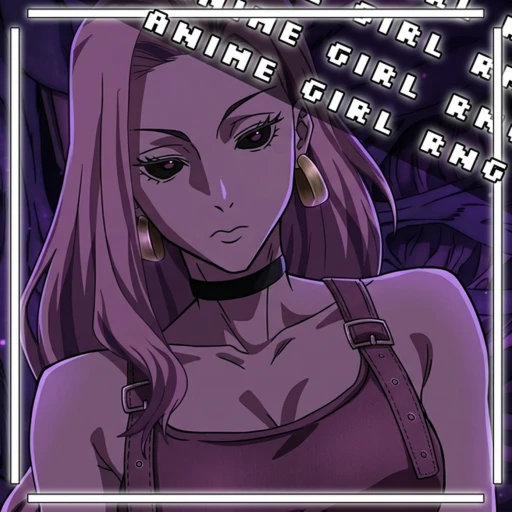
Anime Girl RNG and Sol's RNG occupy the same RNG-rolling niche on Roblox, yet they target different audiences and deliver the dopamine hit in very different ways. Anime Girl RNG is a gacha-style roller where you summon anime-themed characters and auras, craft relics, and chase increasingly rare pulls across 150+ collectible auras. Sol's RNG is the genre-defining luck simulator that started the Roblox RNG craze, featuring 400+ auras, biome exploration, potion brewing, boss raids, and rarity tiers that stretch into the billions. Together they represent two sides of the same coin: one built around anime aesthetics and accessible summoning, the other around depth, scale, and absurd rarity ceilings.
Picking between them depends on what you want from an RNG game. If you want a focused, anime-flavored rolling experience with a clean interface and gacha familiarity, Anime Girl RNG delivers that in a polished package. If you want the deepest luck-based game on Roblox with systems layered on top of systems and a community that measures progress in odds that defy comprehension, Sol's RNG has held that crown since its launch. This comparison breaks down gameplay, aura systems, progression, community, monetization, and more so you can decide where to spend your rolls.
Table of Contents
- Quick Stats (2026)
- Gameplay — What Do You Actually Do?
- Aura Systems — Rarity, Design, and the Chase
- Progression — How Quickly Does It Hook You?
- Graphics and Audio
- Player Count and Community
- Game Passes and Monetization
- Replay Value and Endgame
- Earning Free Robux While You Play
- Head-to-Head Verdict
- Who Should Play What?
- Frequently Asked Questions
Anime Girl RNG vs Sol's RNG — Quick Stats (2026)
| Category | Anime Girl RNG | Sol's RNG |
|---|---|---|
| Genre | RNG / Gacha Roller | RNG Luck Simulator |
| Place ID | 89100823864844 | 15532962292 |
| Developer | JustMicka | solarshift (Sol's Studio) |
| Concurrent Players | 100–300 typical | 54K–63K typical |
| Total Visits | 18.3M+ | 1.8B+ |
| Aura Count | 150+ | 400+ |
| Core Loop | Roll, collect anime auras, craft relics | Roll, brew potions, explore biomes, craft gloves |
| Rarest Drop Odds | Extremely low (high millions) | ~1 in 3 billion (Monarch) |
| Trading | Limited | Yes — aura trading |
| Mobile-Friendly | Yes | Yes |
| Free-to-Play | Yes | Yes |
Gameplay — What Do You Actually Do?
Anime Girl RNG
Anime Girl RNG puts the rolling mechanic front and center with an anime twist. You press the Summon button to roll for characters and auras inspired by popular anime series. Each roll assigns you a random aura from the pool, with rarity determining how visually impressive and statistically valuable the result is. The core loop is straightforward: roll, collect, and repeat. Where the game adds texture is through its relic crafting system, which lets you combine auras you've collected into unique relics that serve as permanent progression markers.
The shop plays a meaningful role in pacing your sessions. Luck potions are available for purchase using in-game currency, and these potions temporarily boost your odds of landing rarer pulls. Knowing when to pop a potion and when to save your currency for bigger boosts later creates a layer of resource management that pure rolling games often lack. The anime aesthetic runs through everything — character designs reference well-known series, and each rarity tier has its own visual flair that makes landing a rare pull feel rewarding on a visual level before you even check the stats.
The game also features an upgrade system where you can attempt to enhance your existing auras. These upgrades carry a failure risk, which adds tension to the decision. Do you attempt to upgrade a solid mid-tier aura and risk losing it, or do you keep rolling for something better? That risk-reward calculation keeps sessions from becoming mindless button-pressing. For a deeper look at the game's mechanics and active codes, check our Anime Girl RNG guide.
Sol's RNG
Sol's RNG by solarshift is the game that turned RNG rolling into a genre on Roblox. At its surface, the mechanic is identical to Anime Girl RNG: press a button, receive a random aura. But Sol's RNG has built an entire ecosystem around that core action. The game features 400+ auras spread across 13+ rarity tiers that range from Common (1 in 2 chance) all the way down to Transcendent auras with odds in the hundreds of millions, and the legendary Monarch aura sitting at roughly 1 in 3 billion.
Biomes add an exploration layer that most RNG games skip entirely. Different areas of the game world have different aura pools, environmental effects, and visual themes. Moving between biomes changes what you can roll, which turns the game from a stationary button-clicker into something closer to an adventure title where location matters. The potion brewing system lets you craft luck-boosting potions from gathered ingredients, and the glove crafting system provides permanent luck increases that carry across sessions. Boss raids offer group content where players team up to defeat powerful enemies for exclusive rewards and aura drops that cannot be obtained through normal rolling.
The Eon update system keeps the game expanding on a regular cadence. As of May 2026, Sol's RNG has reached Eon 21, with each Eon introducing new biomes, auras, mechanics, and quality-of-life improvements. This update pipeline is one of the most consistent on Roblox and keeps the veteran player base engaged month after month. Our Sol's RNG guide covers the latest Eon changes and active codes.
Aura Systems — Rarity, Design, and the Chase
Anime Girl RNG
Anime Girl RNG's aura system leans into the gacha tradition. Each aura is tied to an anime-inspired character design, and rarity determines both the visual effects surrounding the character and its value in the game's economy. The 150+ auras cover a range from common pulls you'll see every few rolls to ultra-rare pulls that require thousands of attempts and significant luck boosts to realistically land. The anime theme gives each aura a distinct personality — you're not collecting abstract glowing orbs, you're collecting characters that fans of the source material will recognize and want to display.
The relic crafting system extends the aura system beyond collection. By combining specific auras, you can create relics that emit their own unique visual effects and serve as status symbols within the community. The crafting recipes are not always obvious, encouraging players to experiment with combinations or share discoveries through social channels. This creates a secondary meta-game around knowledge and experimentation that adds depth beyond raw luck.
Sol's RNG
Sol's RNG takes the opposite approach to aura design. Instead of character-based pulls, auras are abstract visual effects that range from subtle color shifts at lower rarities to screen-filling particle explosions at the highest tiers. The rarity system is staggeringly deep: Common, Uncommon, Good, Natural, Rare, Divinus, Crystallized, Rage, Epic, Legendary, Mythic, Exotic, Exalted, Glorious, and Transcendent. Each tier represents an exponential jump in rarity, and the five core Transcendent auras — Nyctophobia, Pixelation, Luminosity, Breakthrough, and Equinox — have become status symbols that most players will never obtain through normal play.
The Monarch aura deserves its own mention. At roughly 1 in 3 billion odds, it stands as one of the rarest obtainable items in any Roblox game. The community tracks confirmed Monarch holders, and obtaining one generates server-wide celebrations and social media attention. This extreme rarity ceiling gives Sol's RNG a sense of scale that keeps even veteran players chasing something. Event-exclusive auras from seasonal updates like the Easter Event 2026 add limited-time pulls that create urgency and FOMO-driven engagement cycles.
Edge: Sol's RNG, for sheer depth and the emotional weight of its rarity system. The 13+ tier structure and billion-to-one odds create aspirational targets that Anime Girl RNG's system cannot match. Anime Girl RNG wins on character-driven appeal if you prefer collecting recognizable anime figures over abstract visual effects.
Progression — How Quickly Does It Hook You?
Anime Girl RNG hooks you within the first minute. You press Summon, you get an aura, and the visual feedback tells you immediately whether you've pulled something worth keeping. The first few sessions are satisfying because Common and Uncommon auras drop frequently, filling out your collection and making you feel like you're building toward something. The luck potion system becomes relevant within the first 30 minutes once you've accumulated enough in-game currency to buy your first boost. Progression feels tangible early on because the gap between tiers is manageable, and upgrading auras gives you something to do between rolls.
Sol's RNG also starts fast — Common auras drop on roughly every other roll — but the real hook takes longer to develop. Your first session teaches you the rolling mechanic, but the depth of the game doesn't reveal itself until you start exploring biomes, brewing your first potion, and understanding how glove crafting works. The first time you land a Rare or Divinus aura feels like a milestone, and from that point the game has its hooks in you. The progression curve steepens dramatically as you push into higher tiers. Getting from Rare to Epic might take days. Getting from Legendary to Mythic might take weeks. This extended curve is part of the design — Sol's RNG is built for players who measure their commitment in months, not hours.
The crafting and potion systems in Sol's RNG add non-luck-based progression paths that Anime Girl RNG lacks in equal depth. You can grind ingredients, brew potions, and craft gloves that permanently improve your luck stat. These systems mean that even sessions where you don't land a notable aura still move you forward, because the materials you gather contribute to future success. Anime Girl RNG's potion system exists but feels thinner by comparison, offering temporary boosts without the layered crafting pipeline that Sol's RNG has refined over 21 Eons of updates.
Edge: Sol's RNG, for providing multiple progression tracks that keep you moving forward even when luck is not on your side. Anime Girl RNG's early game is more immediately gratifying, but Sol's RNG sustains engagement over a much longer timeline.
Graphics and Audio
Anime Girl RNG leans hard into its anime identity, and the visual execution delivers on that promise. Character designs are colorful, expressive, and clearly reference popular anime aesthetics without crossing into direct copyright territory. The summoning animation has weight — a brief buildup followed by a reveal that varies in intensity based on the rarity of the pull. Higher-rarity summons trigger more dramatic animations with particle effects, screen flashes, and character poses that make the moment feel earned. The UI is clean and readable, with rarity colors that instantly communicate value at a glance.
Sol's RNG takes a different visual path. The game's strength is in its environmental design and aura effects. Biomes each have distinct color palettes, weather systems, and ambient visual details that make exploration feel rewarding even outside of rolling. Aura effects are where Sol's RNG truly shines — higher-tier auras produce increasingly complex particle systems, light trails, and spatial distortions that transform your character into a walking spectacle. A player wearing a Transcendent aura is visible from across the map, and the visual language communicates status instantly. The Eon 21 update brought improved lighting and environmental effects that push the game's presentation further.
On the audio side, Anime Girl RNG uses upbeat J-pop-inspired background music and satisfying summoning sound effects that match the anime theme. The audio ramps up during rare pulls, reinforcing the excitement with escalating musical cues. Sol's RNG opts for more ambient, atmospheric audio that shifts between biomes. The rolling sound design is precise — you can hear the difference between a common roll and a rare one before the visual even appears, which adds tension to every press of the button. Both games handle audio well within their respective aesthetics, though Sol's RNG's biome-specific audio creates a more immersive overall soundscape.
Edge: Anime Girl RNG for character design and anime-specific appeal. Sol's RNG for environmental art, aura effects, and overall immersion. This one comes down to personal taste between anime-styled characters and abstract visual spectacle.
Player Count and Community (July 2026)
The player count gap between these two games is substantial, and it tells a clear story about market position. Sol's RNG consistently runs between 54,000 and 63,000 concurrent players during normal hours, with spikes above 80,000 during major Eon updates. Its historical peak reached 112,000 concurrent players in early May 2026. With over 1.8 billion total visits, Sol's RNG sits comfortably in the Roblox top 20 and has maintained that position for over a year. The game has become the reference point for the entire RNG genre on the platform.
Anime Girl RNG operates at a much smaller scale. Typical concurrent player counts sit between 100 and 300, with peaks reaching a few hundred during code drops and updates. The game has accumulated 18.3 million total visits since its February 2025 launch, which represents solid growth for an indie Roblox title but places it in a different league than Sol's RNG. The smaller player base means servers feel more intimate, and the community is tighter-knit, but it also means less content creation around the game and fewer community resources like wikis and tier lists.
Community culture differs as a result of scale. Sol's RNG has an extensive Fandom wiki, active Discord servers, YouTube creators producing daily content, Reddit discussions, and a trading economy that functions as its own micro-community. The developer, solarshift, communicates through update logs and community channels, and major Eon releases generate significant buzz across Roblox social media. Anime Girl RNG's community is smaller but enthusiastic, with a Fandom wiki maintained by dedicated players and a growing presence on YouTube where RNG content creators have started covering the game alongside Sol's RNG for variety content.
Edge: Sol's RNG, overwhelmingly. The 200x difference in concurrent players translates to a richer community, more resources, more active trading, and more content creation. Anime Girl RNG's smaller community has its own charm, but Sol's RNG's ecosystem is in another tier.
Game Passes and Monetization
Both games follow the standard Roblox free-to-play model where the core experience is accessible without spending Robux, but optional purchases accelerate progression or add convenience features.
Anime Girl RNG offers game passes focused on luck boosts and quality-of-life improvements. Auto-roll passes let you step away from the keyboard while the game rolls for you, which is a significant convenience for a game built around repetitive button presses. Luck multiplier passes increase your base odds for rarer pulls. VIP passes provide cosmetic perks and server access. The pricing is generally modest by Roblox standards, and the passes feel like genuine optional extras rather than requirements for meaningful progression. The in-game currency economy is balanced well enough that free players can access luck potions and upgrades through normal play.
Sol's RNG has a broader monetization ecosystem that matches its larger scope. Game passes range from auto-roll functionality to expanded inventory slots, luck boosts, and exclusive cosmetic effects. The Robux shop offers potions and boosters that can also be obtained through gameplay, maintaining the free-to-play integrity. Sol's RNG also benefits from a robust trading economy where rare auras carry real value within the community, creating an organic player-driven marketplace that exists alongside the developer's monetization. Limited-time event passes during Eon updates create seasonal spending opportunities that align with content drops.
Edge: Roughly even. Both games monetize fairly without locking core mechanics behind paywalls. Sol's RNG offers more purchase options due to its larger feature set, while Anime Girl RNG keeps things simple and affordable. Neither game feels pay-to-win, and both let free players access all auras through gameplay alone.
Replay Value and Endgame
Anime Girl RNG's replay value is driven by collection completionism and the relic crafting system. The goal of collecting all 150+ auras provides a clear target that keeps you rolling, and the upgrade system adds risk-reward decisions to every session. Once you've collected the common and uncommon tiers, the game shifts into a grind for mid-tier and rare auras that can take significant time. The relic crafting system provides a secondary goal track that rewards experimentation. For players who enjoy the gacha loop of summoning and collecting, the replay value is strong. The game's sessions tend to be shorter and more focused — you can log in, pop a luck potion, roll for 20 minutes, and log off feeling like you made progress.
Sol's RNG is built for long-term retention in a way that few Roblox games attempt. The 400+ aura collection spans rarity tiers that take months to fully explore. Biome discovery adds exploration goals alongside rolling goals. Potion brewing and glove crafting create progression systems that reward daily engagement. Boss raids provide group content that breaks up the rolling loop with cooperative combat. And the Eon update cycle means the game expands faster than most players can exhaust its content. The endgame for Sol's RNG is chasing Transcendent and Exotic auras with astronomical odds, a pursuit that can sustain engagement for hundreds of hours without the game running out of carrots to dangle.
The content creator ecosystem around Sol's RNG also extends its replay value externally. Watching someone land a rare aura on stream, discovering a new potion recipe in a video, or seeing tier list debates on social media pulls players back in to chase what they've seen. Anime Girl RNG is starting to build this external content loop but has not yet reached the critical mass where the game generates its own marketing through community content on a large scale.
Edge: Sol's RNG, for its layered endgame systems and the sheer amount of content available through 21 Eons of updates. Anime Girl RNG offers satisfying shorter sessions, but Sol's RNG provides a longer-lasting engagement arc for dedicated players.
Earning Free Robux While You Play
Whether you want to grab an auto-roll pass in Anime Girl RNG or a luck booster in Sol's RNG, extra Robux stretches your progression further in both games. Our Anime Girl RNG guide and Sol's RNG guide cover game-specific tips for codes and maximizing your free resources.
Earn Free Robux for Anime Girl RNG or Sol's RNG
Want more Robux for game passes and luck boosts? Earnaldo lets you earn free Robux by completing simple tasks — no generators, no scams, just real rewards sent to your account.
Head-to-Head Verdict — Anime Girl RNG vs Sol's RNG in 2026
The Verdict
Choose Anime Girl RNG if you want a focused, anime-themed gacha rolling experience with clean visuals, recognizable character designs, and shorter play sessions. It is the right pick for anime fans who enjoy the summoning loop without needing layered systems around it, and for players who prefer a smaller, tighter community where you can stand out more easily.
Choose Sol's RNG if you want the deepest, most content-rich RNG experience on Roblox. Its 400+ auras, biome system, potion brewing, glove crafting, boss raids, and consistent Eon updates make it the gold standard for luck-based games on the platform. The massive community, active trading scene, and absurd rarity ceilings give Sol's RNG a scope that no competitor has matched.
Overall: Sol's RNG is the stronger game by most measurable metrics — player count, content depth, community size, and update frequency. But Anime Girl RNG fills a niche that Sol's RNG does not: the intersection of anime fandom and RNG rolling. If your primary draw is anime aesthetics and gacha-style collecting, Anime Girl RNG delivers that experience with polish. If you want the definitive Roblox RNG game with the most to do and the most to chase, Sol's RNG has earned that title and continues to defend it.
Who Should Play What?
- You love anime aesthetics: Anime Girl RNG, because every aura and character is designed around anime-inspired visuals that gacha fans will immediately connect with.
- You want maximum depth: Sol's RNG, because biomes, potions, crafting, boss raids, and 21 Eons of content give you systems to explore for months.
- You prefer short sessions: Anime Girl RNG, because its focused rolling loop lets you make progress in 15–20 minutes without needing to engage multiple systems.
- You want to chase extreme rarity: Sol's RNG, because odds like 1 in 3 billion for Monarch create aspirational targets that no other RNG game on Roblox offers.
- You want an active trading scene: Sol's RNG, because its larger player base supports a functioning aura trading economy with established values and demand tiers.
- You want to earn Robux: Both work with Earnaldo to help you earn free Robux for game passes, luck boosts, and in-game items.
Frequently Asked Questions
Sol's RNG is far more popular. It regularly pulls 54,000 to 63,000 concurrent players and has surpassed 1.8 billion total visits. Anime Girl RNG has accumulated 18.3 million visits but typically runs with a few hundred concurrent players, making Sol's RNG the dominant title by a wide margin.
Sol's RNG has significantly rarer auras. The rarest aura in Sol's RNG, Monarch, has a drop chance of roughly 1 in 3 billion. Anime Girl RNG's rarest pulls are extremely rare by normal standards but do not reach the astronomical odds that Sol's RNG is known for.
Anime Girl RNG is inspired by the RNG rolling format that Sol's RNG popularized, but it adds its own identity through anime-themed characters, a gacha-style summoning system, and a relic crafting mechanic. The core loop of rolling for rare items is shared, but the presentation and progression systems differ enough to give each game its own feel.
Both games are playable on mobile through the Roblox app. Since both rely on simple roll mechanics rather than precise aim or complex controls, the mobile experience is solid for both titles. Neither game puts mobile players at a meaningful disadvantage compared to PC users.
Sol's RNG receives frequent major updates called Eons, with Eon 21 being the latest as of July 2026. These introduce new biomes, auras, bosses, and mechanics. Anime Girl RNG also receives updates with new characters and auras, though on a smaller scale compared to Sol's RNG's content pipeline.
Anime Girl RNG is slightly more beginner-friendly because its anime theme is immediately appealing and the summoning system feels intuitive for anyone familiar with gacha games. Sol's RNG has deeper systems like biomes, potions, and crafting that take longer to learn, but the core rolling mechanic is equally simple in both games.