Anime Spirits vs Blade Ball (2026) — Which Roblox Game Is Better?
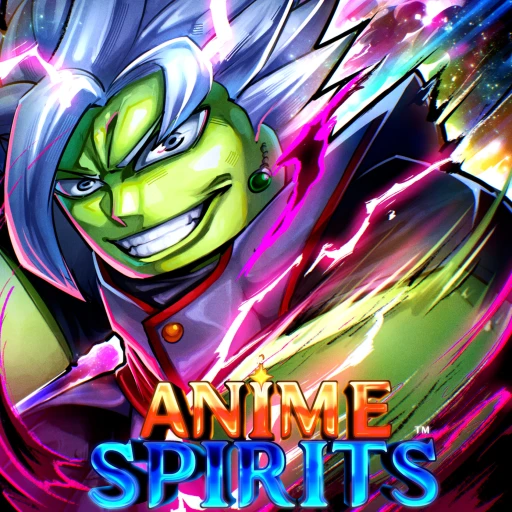
Anime Spirits and Blade Ball represent two radically different approaches to what makes a Roblox game worth playing in 2026. Anime Spirits is a deep anime combat RPG built around collecting souls from iconic anime franchises, unlocking awakening tiers, and battling through PvE raids and PvP arenas with layered progression systems. Blade Ball strips everything down to a single, addictive core mechanic: deflect the ball or get eliminated. One game asks for hours of investment before it fully opens up. The other hooks you in the first ten seconds.
Despite sitting in completely different genres, these two games constantly appear together in Roblox recommendation feeds and player debates. Both attract massive audiences, both rely on skill-based combat, and both have built fiercely loyal communities. This comparison breaks down the gameplay, progression, visuals, community, monetization, and replay value of each game so you can figure out where your Roblox time is best spent.
Anime Spirits vs Blade Ball — Quick Stats (2026)
| Category | Anime Spirits | Blade Ball |
|---|---|---|
| Genre | Anime Combat RPG | Deflection PvP |
| Place ID | 11756036029 | 13772394625 |
| Developer | Anime Spirits Studio | WinterStudio |
| Concurrent Players | 30K–70K peak | 50K–120K peak |
| Total Visits | 3B+ | 16B+ |
| Core Loop | Collect souls, awaken, raid bosses | Deflect ball, survive, win rounds |
| Key Features | Soul tiers, awakenings, PvP arenas, raids | Abilities, skins, ranked mode, custom maps |
| Session Length | 30–90 minutes | 5–20 minutes |
| Mobile-Friendly | Playable, PC-favored | Yes, strong on mobile |
| Free-to-Play | Yes | Yes |
Gameplay — What Do You Actually Do?
Anime Spirits
Anime Spirits is a full-scale anime RPG where the central mechanic is collecting and upgrading souls inspired by characters from popular anime series. You start the game with a basic soul and work your way up through a tiered rarity system that ranges from Common all the way to Mythical and beyond. Each soul comes with its own moveset, stat distribution, and visual design pulled from recognizable anime archetypes. The combat system blends melee combos with special abilities that are unique to each soul, creating distinct playstyles depending on which character you equip.
The awakening system adds a significant layer of depth. Once you hit certain level thresholds with a soul, you can unlock awakened forms that dramatically change the character's abilities and appearance. A soul that starts as a solid mid-tier fighter can become a raid-clearing powerhouse after full awakening, but getting there requires dedicated grinding through quests, boss fights, and material farming. The progression feels rewarding precisely because it takes effort. Nothing in Anime Spirits is handed to you, and the gap between a freshly rolled soul and a fully awakened one is enormous in terms of both power and visual spectacle.
PvE content forms the backbone of the experience. Story quests guide you through different zones themed around various anime worlds, each with escalating difficulty and new enemy types. Boss raids test your understanding of mechanics and timing, and the hardest raids genuinely require coordinated teams to clear. PvP arenas exist for players who want to test their builds against others, and the competitive scene has developed its own meta around which souls and awakening paths perform best in one-on-one and team fights. For more on maximizing your Anime Spirits experience, check our Anime Spirits free Robux guide.
Blade Ball
Blade Ball takes the opposite design philosophy. Instead of layering systems on top of systems, it builds the entire game around one mechanic: a glowing ball bounces between players, accelerating with each deflection, and you need to click at the precise moment it reaches you to send it toward someone else. Miss the timing and you are eliminated. Last player standing wins the round. That is the core of Blade Ball, and it works because the execution demands genuine skill under pressure.
What makes the deflection mechanic compelling is how it scales with the number of players and the speed of the ball. Early in a round, the ball moves at a manageable pace and you have time to react. As players get eliminated, the ball speeds up and the remaining players have less time to prepare for each deflection. The final two players in a round experience some of the most intense moments in any Roblox game — the ball is screaming between them, reaction windows shrink to fractions of a second, and the entire server is watching. That tension is what keeps players queueing into round after round.
Abilities add strategic variety without overcomplicating the formula. Each ability grants a special power you can use during a round, such as teleporting behind the targeted player, curving the ball's trajectory, creating a shield that auto-deflects once, or slowing the ball temporarily. Learning when to deploy your ability versus saving it for a critical moment is where the strategic depth lives. The ability system means experienced players aren't just faster at clicking — they're smarter about positioning, timing, and reading their opponents. Custom maps and seasonal game modes keep the format fresh, and you can stay up to date on new content through our Blade Ball free Robux guide.
Progression — How Quickly Does It Hook You?
These two games could not be more different in how they handle the early player experience. Blade Ball hooks you in under thirty seconds. You join a server, the ball starts bouncing, you click to deflect, and you either survive or get eliminated. Either way, a new round starts almost immediately. There is zero friction between launching the game and having fun. The dopamine loop is tight and immediate: survive, feel the rush, get eliminated, queue again. Within ten minutes, you understand the game completely. Within an hour, you start noticing the skill gaps between yourself and better players, and you want to close that gap.
Anime Spirits requires more patience. Your first session involves learning the soul system, understanding stat allocation, running introductory quests, and getting familiar with the combat controls. The first hour can feel overwhelming because there are multiple progression tracks running simultaneously — soul levels, player levels, quest completions, material gathering, and awakening requirements. But once those systems click into place, usually somewhere around the two to three hour mark, the depth becomes the hook. You start planning which souls to prioritize, which awakening paths to pursue, and which bosses to farm for materials. The complexity that initially feels like friction transforms into the reason you keep logging in.
Endgame looks completely different for each title. Blade Ball's endgame is the ranked competitive ladder, where you face progressively better opponents and climb through divisions. Your skill ceiling is the only limit, and the best players develop prediction patterns and ability timing that separate them from casual deflectors. Anime Spirits' endgame revolves around collecting every soul at every awakening tier, clearing the hardest raid content, and competing in high-level PvP with optimized builds. Both endgames have depth, but they reward different types of player investment.
Edge: Blade Ball, for accessibility. It respects your time from the very first second and never asks you to grind before the fun starts. Anime Spirits has the deeper long-term hook, but it takes real commitment to reach it.
Graphics and Audio
Anime Spirits is one of the more visually ambitious games on Roblox. The anime-inspired character models are detailed by platform standards, with awakened forms featuring particle effects, aura trails, and transformation sequences that genuinely look impressive. Each zone has a distinct visual theme — lush forests, volcanic wastelands, floating islands, and dark dungeons all create varied backdrops for exploration and combat. Boss encounters feature large-scale enemies with attack animations that fill the screen, and the visual spectacle of a fully awakened soul unleashing its ultimate ability is designed to make you feel powerful. The art direction clearly draws from established anime aesthetics, and fans of the source material will recognize the visual language immediately.
Blade Ball is visually cleaner and more minimalist. The arenas are well-designed with clear sightlines so you can always track the ball and other players. Character customization focuses on skins, auras, and trail effects that give your avatar visual flair without cluttering the gameplay space. The ball itself has a satisfying glow that intensifies as it accelerates, giving you a visual read on how fast it is moving. Limited-edition skins and seasonal cosmetics are where Blade Ball's visual identity shines — rare deflection effects and kill animations become status symbols in every lobby.
Audio design follows the same split. Anime Spirits uses orchestral combat music, ability sound effects with distinct audio cues for each soul, and ambient zone music that shifts based on your location. It sounds like an anime game should. Blade Ball keeps its audio design functional and punchy. The sound of a successful deflection is crisp and satisfying, the ball's hum grows higher-pitched as it speeds up, and the elimination sound effect is sharp enough to make nearby players flinch. Both games use audio well, but for entirely different purposes — atmosphere versus feedback.
Edge: Anime Spirits, for visual ambition and variety. It simply has more to look at, and the awakening transformations deliver genuine spectacle. Blade Ball's minimalism serves its gameplay perfectly, but it cannot match the sheer visual density of a fully built anime RPG world.
Player Count and Community (July 2026)
Blade Ball is one of the most-visited games in Roblox history. With over 16 billion total visits as of July 2026, it sits among the platform's all-time heavyweights. Concurrent player counts regularly hit 50,000 to 120,000 during peak hours, with major spikes during seasonal events and ability releases. The game's accessibility means its player base spans every age group and skill level on the platform. Casual players drop in for a few rounds during breaks, while dedicated competitors grind ranked mode for hours.
Anime Spirits has carved out a strong position in the anime game niche on Roblox. With over 3 billion total visits and 30,000 to 70,000 concurrent players during peak hours, it has established itself as a top-tier anime RPG on the platform. The player base skews toward anime fans and RPG enthusiasts who enjoy layered progression systems. Player retention tends to be high among those who make it past the initial learning curve, because the soul collection and awakening mechanics create long-term goals that keep players engaged across months rather than individual sessions.
Community culture reflects each game's design. Blade Ball's community is fast-paced and competitive, centered around clips of clutch deflections, ability tier lists, and ranked ladder discussions. Content creators on YouTube and TikTok thrive on the format because a single highlight clip captures the full arc of tension and payoff in under sixty seconds. Anime Spirits' community is more discussion-oriented, with player forums and Discord servers focused on soul tier rankings, awakening path optimization, boss raid strategies, and build theorycrafting. Trading rare souls and comparing collection progress drives social interaction in a way that mirrors other collector-style games on Roblox.
Edge: Blade Ball, by volume. Its total visit count and concurrent player numbers are substantially higher. Anime Spirits punches well above its weight for a newer title and dominates its genre niche, but Blade Ball's mainstream appeal gives it a clear numbers advantage.
Game Passes and Monetization
Both games are free-to-play and avoid pay-to-win mechanics, but their monetization strategies target different player motivations.
Anime Spirits offers game passes that accelerate progression and expand convenience. The 2x EXP pass speeds up leveling for all your souls, which matters significantly given the amount of grinding required for awakening tiers. The Extra Inventory Slots pass lets you hold more souls simultaneously, which becomes valuable once you start collecting across multiple rarity tiers. The Auto-Farm pass reduces the manual repetition of material gathering. A VIP pass provides bonus rewards from quests and access to exclusive areas. These passes save time rather than granting power directly, though the time savings compound meaningfully over extended play.
Blade Ball's monetization leans heavily into cosmetics. Ability skins change the visual effect of your deflection without altering its mechanics. Auras, trails, and elimination effects let you customize how your character looks and how your victories feel. The Ability Reroll pass gives you more chances to get the specific ability you want. Seasonal battle passes introduce limited-time cosmetics that become status symbols in lobbies. The VIP pass grants bonus coins after rounds and access to VIP servers. Because Blade Ball matches are short and rewards come quickly, the monetization feels less intrusive — you are never stuck behind a paywall while trying to have fun.
Edge: Blade Ball, for keeping monetization purely cosmetic and never creating a perceived need to spend. Anime Spirits' progression-boosting passes walk the line carefully — they are not pay-to-win, but they address grind frustrations that are baked into the game's design, which can make them feel closer to necessary than optional for committed players.
Social Features
Anime Spirits builds social interaction into its core systems. Boss raids require groups, and organizing a team for the hardest content creates natural friendships and rivalries. Guilds give players a persistent social structure with shared objectives and leaderboards. The soul trading system generates player-to-player negotiation that can get surprisingly intense when rare mythical souls are involved. Every trade negotiation is a social moment — evaluating rarity, assessing value, and reading the other player's desperation level. PvP arenas function as social spaces where reputations are built and tested, and the best players in any server develop a following of spectators.
Blade Ball's social dynamics are simpler but surprisingly effective. The free-for-all format means every player in the lobby is simultaneously your opponent and your audience. Clutch deflections at high speed generate reactions in the chat, and the final two players in a round perform for everyone who has already been eliminated. Custom lobbies let friend groups set up private tournaments with specific rules and ability restrictions. The spectator experience is strong because rounds are short, the action is easy to follow, and you are always moments away from jumping into the next round yourself.
Edge: Anime Spirits, for the depth of its social systems. Trading, guilds, and cooperative raids create layered social experiences that Blade Ball's lobby-based format cannot replicate. Blade Ball generates great moments of shared excitement, but Anime Spirits builds lasting player relationships through its systems.
Replay Value
Anime Spirits has the kind of replay value that measures in months. The soul collection alone provides hundreds of hours of content — rolling for rare souls, leveling each one, unlocking awakening tiers, and experimenting with different builds across PvE and PvP. Regular content updates introduce new souls from trending anime series, new boss encounters, and expanded story zones. The meta shifts with each update as new souls enter the tier list and old strategies get adjusted. For players who enjoy the grind, Anime Spirits provides a nearly bottomless well of content to work through.
Blade Ball's replay value is built on competitive mastery rather than content volume. Because the core mechanic demands precise timing under pressure, there is always room to improve. The ranked ladder provides external motivation through visible progression through competitive tiers. New abilities, maps, and seasonal modes refresh the gameplay without changing the fundamentals that make it work. The short session format means Blade Ball stays relevant as a "drop in for a few rounds" game even when you have other titles competing for your attention. It coexists with other games in your rotation rather than demanding exclusive commitment.
Both games benefit from active content creator ecosystems. Anime Spirits YouTubers produce soul tier lists, awakening guides, and boss raid walkthroughs that send viewers straight into the game. Blade Ball content creators capture highlight clips that rack up millions of views on TikTok and YouTube Shorts. That external content pipeline keeps both games visible and drives re-engagement from players who may have taken a break.
Earning Free Robux While You Play
Whether you are saving for an awakening boost in Anime Spirits or eyeing a limited-edition skin in Blade Ball, extra Robux stretches your spending power further. Our Anime Spirits free Robux guide and Blade Ball free Robux guide cover game-specific strategies for making the most of your Robux budget.
Earn Free Robux for Anime Spirits or Blade Ball
Want more Robux for game passes, abilities, and in-game cosmetics? Earnaldo lets you earn free Robux by completing simple tasks — no generators, no scams, just real rewards sent to your account.
Head-to-Head Verdict — Anime Spirits vs Blade Ball in 2026
The Verdict
Choose Anime Spirits if you want a deep, layered RPG experience with long-term progression, anime-inspired combat, and the satisfaction of building a powerful soul collection over time. It rewards patience, planning, and dedication with some of the most visually spectacular abilities and transformations on Roblox. It is the right pick for players who enjoy grinding toward meaningful power milestones and cooperating with others in challenging raid content.
Choose Blade Ball if you want instant, skill-based competition with zero barriers to entry. Every round delivers tension, every deflection demands precision, and every victory feels earned. It is the right pick for players who value tight gameplay loops, competitive ladders, and the ability to jump in for five minutes or five hours with equal satisfaction.
Overall: These games serve fundamentally different purposes and many players actively enjoy both. Blade Ball wins on accessibility, player count, and instant fun. Anime Spirits wins on depth, progression, and long-term engagement. If you only have fifteen minutes, play Blade Ball. If you have an entire afternoon and want to feel invested in something, load up Anime Spirits. Neither choice is wrong — they simply scratch different itches.
Who Should Play What?
- You love anime and RPGs: Anime Spirits, because its soul collection, awakening system, and anime-themed combat are built specifically for fans of the genre.
- You want quick competitive matches: Blade Ball, because rounds last minutes and every session delivers satisfying skill-based gameplay from the first click.
- You are a solo player: Blade Ball, because free-for-all rounds require no team coordination. Anime Spirits works solo for quests but benefits from group play for raids.
- You enjoy collecting and trading: Anime Spirits, because the soul rarity system and trading economy give collectors hundreds of hours of content.
- You play on mobile: Blade Ball, because the single-tap deflection mechanic translates naturally to touchscreen controls with minimal disadvantage.
- You want to earn Robux: Both work with Earnaldo to help you earn free Robux for game passes and in-game items.
Frequently Asked Questions
Both games maintain strong player bases in 2026. Blade Ball has accumulated over 16 billion total visits and typically runs 50,000 to 120,000 concurrent players. Anime Spirits has grown rapidly with over 3 billion visits and 30,000 to 70,000 concurrent players during peak hours. Blade Ball holds the edge in raw numbers, but Anime Spirits is one of the fastest-growing anime games on the platform.
Both games work well for solo players, but in different ways. Blade Ball is inherently a solo experience since you deflect the ball on your own in free-for-all matches. Anime Spirits can be played solo through its PvE content and quest system, though some boss raids benefit from having a group. Solo players will find Blade Ball easier to jump into without needing to coordinate with others.
Blade Ball is more beginner-friendly because of its simple core mechanic: click to deflect the ball at the right time. You can start having fun within seconds of joining. Anime Spirits has a steeper learning curve with soul tier systems, awakening paths, stat allocation, and combat combos that take time to understand. New Anime Spirits players should expect to spend their first hour learning the basics before the game fully clicks.
Both games are playable on mobile through the Roblox app. Blade Ball translates well to mobile since the core mechanic is a single timed tap to deflect. Anime Spirits is more demanding on mobile due to its combat combos, ability rotations, and open-world navigation, but it remains fully playable with touchscreen controls.
Anime Spirits offers passes focused on progression speed, including 2x EXP and extra inventory slots. Blade Ball's passes center on cosmetic abilities and visual effects like custom deflection skins and auras. Neither game is pay-to-win. Blade Ball's passes are more cosmetic-focused, while Anime Spirits passes provide more tangible gameplay benefits like faster leveling.
Both games receive frequent updates as of July 2026. Anime Spirits adds new soul characters, awakening tiers, boss fights, and story content on a regular cycle. Blade Ball introduces new abilities, maps, game modes, and seasonal events. Both development teams maintain active communication with their player bases through Discord and social media.