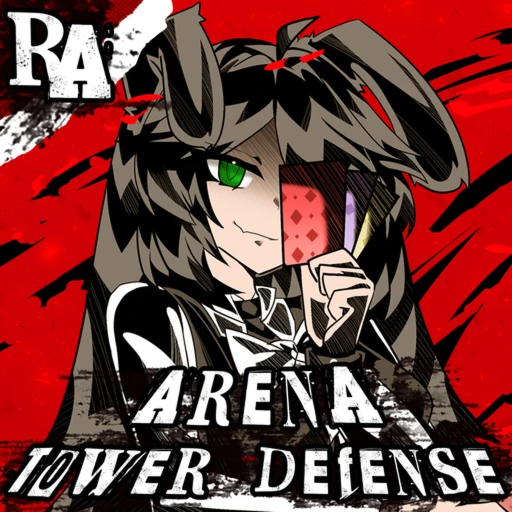
Arena Tower Defense vs All Star Tower Defense: Which One Is Worth Your Time?
Two tower defense games, two very different identities. Arena Tower Defense leans into cooperative strategy, original hero designs, and a competitive clan structure. All Star Tower Defense built its reputation on anime character collection, a massive player base, and years of consistent updates. If you're trying to choose where to spend your time — or your Robux — this comparison should make the decision a lot easier.
We've broken down both games across every angle that actually matters: how they play, how they monetize, what the communities look like, and where each one stands out. Neither game is universally better. It really depends on what you're after.
Quick Stats Comparison
| Stat | Arena Tower Defense | All Star Tower Defense |
|---|---|---|
| Place ID | 7396774756 | 4996049426 |
| Developer | ArenaDev | Top Down Games |
| Genre | Cooperative Tower Defense | Anime Tower Defense |
| Total Visits | ~71 million | ~11.5 billion |
| Concurrent Players | ~5,000 | ~40,000 |
| VIP Pass | 599 Robux | 399 Robux |
| Extra Slot Pass | 249 Robux | 199 Robux |
| Mobile Support | Yes | Yes |
| Trading System | No | Yes |
| Clan / Social System | Clan System | Community Events |
| Unit Types | Original hero units | Anime characters |
| Free to Play | Yes | Yes |
Gameplay
Arena Tower Defense
Arena Tower Defense centers on cooperative matches where you and teammates place hero units along the edges of arena-shaped maps to stop waves of enemies. The maps themselves are one of the more distinctive things about this game — they're not simple straight paths. You'll encounter winding arena corridors, multi-lane layouts, and choke points that reward careful coordination with your team. Each hero unit comes with a set of special abilities you can activate during a wave, adding an active layer to what could otherwise be a passive experience.
The elemental damage system adds meaningful depth. Certain enemy types are resistant or vulnerable to specific elements, which means you can't just place the highest-damage units and walk away. You're constantly thinking about composition. The unit fusion mechanic takes this further — combining compatible units creates stronger hybrid towers with combined elemental effects. It's a system that rewards players who take the time to understand it.
Seasonal events rotate in regularly and bring limited-time maps and exclusive heroes. The competitive arena rankings give veteran players something to chase beyond just clearing waves, and the clan system adds a cooperative social element that keeps teams organized around common goals.
All Star Tower Defense
ASTD operates on a more familiar tower defense formula, but its execution is polished. You place anime-inspired units along paths, upgrade them across multiple tiers, and push through story mode chapters or grind infinite mode for resources. The pull of the game isn't just the strategic layer — it's the collection aspect. New characters get added regularly, often inspired by popular anime series, and players chase rare evolved forms with the same energy as a gacha game.
Story mode gives new players a clear progression path with gradually escalating difficulty. Infinite mode is where the real endgame lives, pushing your unit composition to its limits for better rewards. The trading system is deeply embedded in the community — rare units hold real value, and building a strong trade portfolio is almost a separate game within the game. Unit evolution requires specific materials and stars, creating a grind loop that keeps players logging in consistently.
Edge: Arena Tower Defense — for players who want active, strategic gameplay. ASTD's formula is well-executed, but Arena TD's elemental system, unit fusion, and arena map design offer more genuine tactical variety per session.
Progression Systems
Both games reward continued play, but the shape of that progression is very different.
In Arena Tower Defense, you're climbing a skill-and-upgrade ladder. Hero units gain experience and can be upgraded through multiple tiers. The fusion system means some of your best towers only become available after you've invested significant resources into base units. The clan system ties into progression too — clan membership can unlock collective bonuses and seasonal clan rankings give your grind a purpose beyond personal advancement. The upgrade path feels deliberate, each step noticeably improving your performance on the arena maps.
All Star Tower Defense's progression is driven by the star system and unit evolution. You summon units, build duplicate copies to raise their star level, and eventually evolve them into far more powerful forms. It's a loop that's satisfying but also openly grindy. The trading system partially offsets this — if you're willing to engage with it, you can acquire evolved units faster by trading duplicates or lower-value characters. Newer players can benefit from the established trading economy almost immediately if they know what they're doing.
Edge: All Star Tower Defense — the combination of story mode structure, a real trading economy, and the satisfying pull of unit evolution creates a progression system that's easier to stay invested in over the long term.
Graphics and Audio
Arena Tower Defense has a clean, stylized look. The arena maps are well-designed with readable layouts — you can see enemy paths clearly without visual clutter getting in the way. Hero unit designs are original and recognizable, each with distinct visual silhouettes that help you track the battlefield at a glance. Ability effects are flashy enough to feel impactful without making the screen unreadable during busy waves. The audio design matches the tone: punchy sound effects on abilities, ambient music that ramps up during harder waves.
All Star Tower Defense leans into anime aesthetics, which means vibrant colors, exaggerated attack animations, and character designs that fans of the source material will recognize immediately. The visual style is busier — during late-game waves with multiple characters attacking simultaneously, the screen can get crowded. That chaos is part of the appeal for many players, but it can be disorienting. The audio varies depending on which characters are in play, with each unit having its own attack sounds.
Neither game pushes Roblox's graphical limits, but both use the engine's capabilities effectively for their respective styles. Arena TD prioritizes clarity; ASTD prioritizes spectacle.
Player Count and Community
The numbers here tell a stark story. All Star Tower Defense sits at roughly 11.5 billion total visits and around 40,000 concurrent players. Arena Tower Defense has about 71 million total visits and 5,000 concurrent. That's not a knock on Arena TD — most Roblox games never come close to those numbers — but it has real practical implications.
A larger player base means faster matchmaking in ASTD, a more active trading market, and more community content: YouTube guides, Discord servers, tier lists, wiki pages. The information ecosystem around ASTD is significantly richer. If you hit a wall in ASTD, there's likely a community resource explaining exactly how to get past it.
Arena Tower Defense's smaller community is tight-knit. The clan system concentrates players into organized groups, which means the social experience within a clan can actually feel more personal than ASTD's sprawling playerbase. Finding a good clan in Arena TD is worth the effort — it changes the game substantially.
Edge: All Star Tower Defense — the sheer scale of the community, the depth of community resources, and the practical matchmaking benefits of 40K concurrent players give ASTD a clear advantage here.
Game Passes and Monetization
Both games follow a free-to-play model with optional Robux purchases layered on top. Neither requires spending to enjoy the core experience, but the pass offerings differ in price and practical impact.
Arena Tower Defense's pass lineup: VIP at 599 Robux, Auto Play at 449 Robux, 2x Coins at 349 Robux, and Extra Slot at 249 Robux. The Auto Play pass is Arena TD's most unique offering — it automates unit placement, which is genuinely useful for grinding sessions when you want to farm resources without active management. VIP is the most expensive pass in either game and provides a range of perks.
All Star Tower Defense's passes: Lucky at 499 Robux, VIP at 399 Robux, 2x EXP at 299 Robux, and Extra Slot at 199 Robux. ASTD's passes are consistently cheaper. The Lucky pass affects summon outcomes, making it relevant specifically to the collection side of the game. The 2x EXP pass accelerates unit leveling, which is genuinely valuable given how EXP-hungry unit evolution can be. The Extra Slot pass at 199 Robux is one of the better value purchases in either game — more unit slots mean more flexibility in your loadout.
Neither game has aggressive pay-to-win mechanics that lock essential content behind Robux. Paid players have conveniences and small advantages, but free players can clear the same content with more time invested.
Social Features
Arena Tower Defense's standout social feature is the clan system. Clans are organized groups that can compete in seasonal rankings, share resources, and coordinate cooperative play. It's a more structured social system than most Roblox tower defense games offer. If you're the type of player who wants a regular group to play with rather than random teammates, Arena TD's clan infrastructure supports that directly within the game itself.
All Star Tower Defense's social layer is more player-driven. The trading system is its most social feature — negotiating trades, building relationships with reliable traders, and participating in the broader community economy. There's no built-in clan system equivalent, but the community has self-organized around Discord servers and trading hubs that are extremely active given the game's player count.
Seasonal events in both games function as community moments. Arena TD's seasonal events often tie into clan rankings, giving organized groups a reason to push hard during event windows. ASTD's events typically introduce new characters and limited-time modes that create shared goals across the wider playerbase.
Replay Value
Replay value is where the two games take fundamentally different approaches to keeping players coming back.
Arena Tower Defense's replayability comes from mastery and coordination. The elemental system and unit fusion mean there's genuine depth in optimizing your arena composition. The competitive ranking system gives high-skill players a reason to keep playing well beyond the point where basic progression is done. Seasonal content rotates the map pool and introduces limited heroes, keeping the meta fresh. For players who enjoy the feeling of getting better at something tactical, Arena TD has strong staying power.
All Star Tower Defense's replayability is tied to its collection loop. There's always a new character to chase, a new evolution to complete, or a richer trade to execute. Infinite mode provides a skill-based ceiling that dedicated players spend months pushing against. The regularity of updates — new characters tied to ongoing anime series, new story chapters, seasonal events — means there's almost always a current reason to log in. This is partly why ASTD has maintained 40K concurrent players years into its lifespan.
Both games have solid replay value, but for different player types. Arena TD rewards players who want to master a system; ASTD rewards players who want to collect and grow a roster over a long time horizon.
Earning Free Robux for Either Game
Whether you're playing Arena Tower Defense or All Star Tower Defense, Robux can accelerate your experience. The extra unit slot alone makes a noticeable difference in both games, and neither requires a massive spend to feel the benefit.
One option that doesn't involve spending real money is Earnaldo. The platform lets you complete tasks and offers to earn Robux without buying it directly. It's a legitimate way to fund game passes or unit summons, and it works for both games covered in this article.
If you want game-specific guides on making the most of free Robux in each title, we've covered both:
Earn Free Robux for Arena TD or ASTD
Complete tasks on Earnaldo to earn Robux you can use in either game. No purchases required — just time and effort.
Overall Verdict
All Star Tower Defense is the better choice for most players. Its established playerbase, structured progression, trading economy, and consistent update schedule make it easier to get into and harder to put down. The anime character collection hook is genuinely compelling, and the community infrastructure around ASTD is one of the best on Roblox.
Arena Tower Defense is the better choice if you want a game that rewards coordination and tactical thinking over collecting characters. The elemental combat system, unit fusion, and clan structure offer a more strategically engaging session-by-session experience. It's a smaller game, but a good one — and its lower player population means the community you do find there tends to be more focused.
Who Should Play Which Game
Play Arena Tower Defense if you...
- Prefer active, coordination-heavy gameplay over passive collection
- Want a clan system built directly into the game
- Enjoy elemental strategy and unit fusion mechanics
- Like competitive seasonal rankings as a long-term goal
- Prefer a smaller, tighter community with less noise
Play All Star Tower Defense if you...
- Are a fan of anime and enjoy character collection as a core loop
- Want a rich trading economy to participate in
- Prefer story mode progression with a clear narrative structure
- Value fast matchmaking and an active playerbase
- Want lower-cost game passes with strong value
There's no wrong answer. Both games are free to try, both run on mobile, and both have enough content to justify serious time investment. If you're genuinely unsure, start with ASTD given its easier onboarding and larger community, then pick up Arena TD once you've got the tower defense fundamentals down.
Frequently Asked Questions
All Star Tower Defense has a gentler onboarding curve thanks to its structured story mode, which teaches mechanics gradually. Arena Tower Defense throws you into cooperative matches quickly, which can feel chaotic if you're new to the genre. ASTD is the safer starting point, and its larger community means finding help is straightforward.
Yes, Arena Tower Defense is free to play on Roblox. Optional game passes like VIP (599 Robux) and Auto Play (449 Robux) offer convenience boosts, but none of them are required to progress or enjoy the core experience. You can clear all standard content without spending anything.
Yes. ASTD features one of the more active trading economies on Roblox, letting players exchange units with each other. Rare evolved characters can carry significant trade value, which adds a collector-driven dimension that's separate from the core gameplay loop. Many players treat the trading market as a significant part of their time in the game.
Yes, Arena Tower Defense supports mobile play through the Roblox app. The interface is functional on touchscreens, though some players find placing towers during fast-paced waves easier with a mouse and keyboard. The game's cooperative nature means teammates can cover for slower placements if you're on a less optimal input device.
Top Down Games pushes regular updates to ASTD, typically tied to new anime character releases or seasonal events. The update cadence has been one of the main reasons the game has retained such a large concurrent player base over the years. Major updates often coincide with new anime seasons, keeping the character roster current.
It depends on what you value. ASTD's game passes start cheaper — VIP at 399 Robux versus Arena TD's 599 Robux — and the Extra Slot pass at 199 Robux is a strong investment in ASTD given how many units the game expects you to manage. Arena TD's Auto Play pass is useful for grinding sessions and has no equivalent in ASTD. If you're on a tight Robux budget, ASTD generally offers more practical value per Robux. Either way, check the free codes pages first — for Arena Tower Defense codes and All Star Tower Defense codes — before spending anything.