Aura Ascension vs Sol's RNG (2026) -- Which Roblox Game Is Better?
Two aura-themed Roblox games have taken over the platform in 2026, and both pull in tens of thousands of players at all hours of the day. Aura Ascension, developed by Gamefave, is an incremental simulator where you grind through training zones and rebirth to stack aura power. Sol's RNG flips the script entirely -- it drops you into a luck-based roller where every second could produce an aura rarer than anything in any other Roblox game. Together these two titles account for over 100,000 concurrent players and a combined 1.7 billion-plus total visits.
If you have been bouncing between both games or trying to decide which one deserves your time, this comparison breaks down every angle that matters. We will cover the core gameplay loop, progression speed, visuals, community size, monetization, and replay value. By the end you will know exactly which game fits the way you play -- or whether you should be running both at the same time.
Aura Ascension vs Sol's RNG -- Quick Stats (2026)
| Category | Aura Ascension | Sol's RNG |
|---|---|---|
| Genre | Incremental Simulator | AFK RNG Luck-Roll Simulator |
| Place ID | 77393318863643 | 15532962292 |
| Developer | Gamefave | Solar Studios |
| Concurrent Players | ~40,000 | ~62,000 |
| Total Visits | 45M+ | 1.7B+ |
| Rating | 94.88% | 90.7% |
| Core Loop | Train in zones, earn aura, rebirth for multipliers | AFK roll for random aura drops at varying rarities |
| Key Features | 8 training zones, rebirth system, KOTH mode | Biome multipliers, gear upgrades, aura rarity up to 1/3B |
| Codes System | No codes | Active codes |
| Game Passes | None | Available |
| Mobile-Friendly | Yes | Yes |
| Free-to-Play | 100% free, no passes | Free core, optional passes |
The stats alone tell a clear story. Sol's RNG has the raw numbers because it has been around longer and benefits from the massive RNG genre trend. Aura Ascension punches above its weight with a 94.88% approval rating -- one of the highest on the platform for any game in its category -- despite having no paid advantages at all.
Gameplay -- What Do You Actually Do?
Aura Ascension
Aura Ascension is built around a straightforward but deeply satisfying loop: you pick a training zone, your character starts accumulating aura, and once you hit certain thresholds you unlock the next zone. There are 8 training zones in total as of July 2026, and each one provides faster aura gains than the last. The zones themselves have distinct visual themes and difficulty levels, and moving from the starter field to the end-game areas takes genuine time investment.
The rebirth system is where the strategy comes in. Once you build up enough aura, you can rebirth to reset your progress in exchange for permanent multipliers. Timing your rebirths correctly is the difference between a casual player and someone climbing the leaderboards at top speed. Each rebirth makes your next run faster, creating that classic incremental game loop where the numbers keep getting bigger and the dopamine hits keep coming.
On top of the standard grind, Aura Ascension includes a King of the Hill (KOTH) mode that gives competitive players something to fight over. KOTH drops you into a contested zone where players battle for control, and the winner earns boosted aura rates. It adds a PvP dimension that most idle games completely lack, and it keeps the community engaged beyond pure number-chasing.
Sol's RNG
Sol's RNG takes an entirely different approach. You join a server, your character starts rolling for auras automatically, and the game generates random drops based on a probability table that stretches from common (1 in 2) all the way to impossibly rare (1 in 3 billion). There is no skill involved in the rolling itself -- your luck stat and any active biome multipliers determine your odds, and then you wait.
What makes Sol's RNG compelling is the sheer scale of its rarity system. Getting a common aura happens every few seconds. Getting something in the 1-in-1-million range might take a few hours. Landing one of the legendary 1-in-1-billion-plus auras is the kind of event that gets clipped and uploaded to YouTube with millions of views. The game is designed around that moment of shock when something absurdly rare drops, and it executes that feeling better than almost any other RNG game on the platform.
Biome multipliers add a layer of strategy to the randomness. Different server biomes activate at different times, and each one modifies the drop rates for certain aura tiers. Experienced Sol's RNG players learn the biome rotation and server-hop to maximize their odds during favorable windows. Gear upgrades also improve your base luck stat over time, so there is a secondary progression system underneath the primary random rolls.
Progression -- How Quickly Does It Hook You?
This is the fundamental split between these two games, and it is where most players will immediately know which one is for them. Aura Ascension offers deterministic progression. Every minute you spend in a training zone adds a predictable amount of aura to your total. You can calculate exactly how long it will take to reach the next zone or the next rebirth. There are no dry streaks, no bad luck, and no wasted sessions. If you put in the time, you get the reward.
Sol's RNG offers probabilistic progression. You might join a server and pull a 1-in-10-million aura within the first five minutes. Or you might grind for eight hours straight and never see anything above 1-in-100,000. The highs are astronomically higher than anything Aura Ascension can deliver, but the lows are genuinely frustrating. Players who thrive on slot-machine psychology will find Sol's RNG almost addictive. Players who prefer steady, visible progress will burn out quickly.
From a first-session perspective, Aura Ascension hooks you faster. Within 10 minutes you have already trained in the first zone, earned enough aura to see real progress, and you understand exactly what the game is asking you to do. Sol's RNG takes a bit longer to click because the early common drops feel meaningless -- the game only starts to feel exciting once you understand the rarity scale and start chasing the white-whale auras. Most Sol's RNG players report that the game "clicked" for them after their first rare drop, which could take anywhere from 30 minutes to several hours.
Edge: Aura Ascension for consistent satisfaction. Sol's RNG for peak excitement.
Graphics and Audio
Neither game is pushing the boundaries of what Roblox can do visually, but they take different approaches to presentation. Aura Ascension leans into clean, colorful environments across its 8 training zones. Each zone has a distinct palette and atmosphere -- the starter zone is bright and inviting while the higher-tier areas use darker tones and more dramatic lighting to signal that you are in end-game territory. The aura effects surrounding your character scale up visually as your power increases, which provides a satisfying visual representation of your progress.
Sol's RNG goes heavier on particle effects and screen-filling visual feedback. When a rare aura drops, the screen erupts with light, color, and sound. The rarer the drop, the more dramatic the animation. This is a deliberate design choice -- the visual spectacle of a rare drop is half the reason people play the game. The biome system also changes the entire server's visual atmosphere, which keeps the environment from feeling static during long AFK sessions.
Audio follows the same pattern. Aura Ascension uses ambient background tracks that are pleasant but understated. Sol's RNG ties its audio cues directly to drop rarity, so you learn to listen for specific sounds that tell you something valuable just dropped without even looking at the screen.
Edge: Sol's RNG for visual spectacle and audio design. Aura Ascension for cleaner, less cluttered environments.
Player Count and Community (July 2026)
Sol's RNG leads by a wide margin in total numbers. With roughly 62,000 concurrent players and over 1.7 billion lifetime visits, it is one of the most-played RNG games in Roblox history. The community is massive -- there are active Discord servers with hundreds of thousands of members, a steady stream of YouTube and TikTok content, and a thriving trading scene built around rare auras. When a new update drops or a limited-time biome appears, concurrent numbers spike well above 80,000.
Aura Ascension is the newcomer with serious momentum. At around 40,000 concurrent players and 45 million visits, it has grown at an impressive rate for a game with no paid promotion, no codes to drive engagement, and no game passes generating buzz. The player rating of 94.88% is noteworthy -- it means that nearly 19 out of every 20 players who try it leave a positive review. For comparison, Sol's RNG sits at 90.7%, which is still strong but indicates a slightly higher proportion of frustrated players (likely those who hit long dry streaks without rare drops).
Both communities are active and engaged, but they have different vibes. Sol's RNG has a louder, more hype-driven community centered on flexing rare auras and sharing insane pull clips. Aura Ascension's community is more focused on optimization, rebirth timing strategies, and KOTH competitions. If you want clout from a big audience, Sol's RNG is the place to be. If you want thoughtful discussions about gameplay strategy, Aura Ascension's community delivers that.
Edge: Sol's RNG for sheer community size. Aura Ascension for community quality and player satisfaction.
Game Passes and Monetization
This is one of the starkest contrasts between the two games. Aura Ascension has zero game passes. None. There is no VIP pass, no luck boost, no auto-rebirth shortcut, no cosmetic store. Every player starts on the same footing, and the only way to progress is to play the game. Gamefave has made a deliberate choice to keep the playing field completely level, and the community has responded by giving the game one of the highest ratings on the platform.
Sol's RNG takes the more conventional Roblox approach with multiple game passes available for purchase. These passes typically provide luck multipliers, auto-roll enhancements, and quality-of-life features that make the grinding experience smoother. None of them are strictly necessary to enjoy the game, and free-to-play players can still pull the rarest auras given enough time. But the passes do create a gap between paying and non-paying players in terms of efficiency. Sol's RNG also has an active codes system -- developers periodically release codes through social media that grant temporary boosts or small amounts of in-game currency. Check our Sol's RNG codes page for the latest working codes.
For players who care about fairness, this comparison is not even close. Aura Ascension is the purest free-to-play experience you will find in the aura genre. Sol's RNG is generous by Roblox standards but still gives a meaningful edge to players who spend Robux. Neither game is pay-to-win in the strictest sense, but Aura Ascension eliminates the question entirely.
Edge: Aura Ascension by a wide margin for free-to-play fairness.
Social Features
Aura Ascension's standout social feature is the KOTH mode. It transforms the game from a solo idle experience into something competitive and interactive. Players fight over a contested zone for boosted aura rates, which creates natural rivalries, alliances, and community moments that pure idle games typically cannot generate. Beyond KOTH, the game supports standard Roblox social features -- you can see other players in training zones and compare progress on leaderboards, but the KOTH mode is where the real social energy lives.
Sol's RNG leans into social features through its trading system and the shared server experience. When someone on your server pulls a rare aura, everyone sees it. That shared moment of excitement -- or jealousy -- is a core part of the Sol's RNG experience. The trading community is also a major social pillar. Rare auras have established values, and negotiating trades in-game or through Discord adds a social metagame that extends well beyond the rolling itself. Content creators regularly showcase their pulls, and the community has built an entire economy around aura trading.
Edge: Sol's RNG for trading and shared community moments. Aura Ascension for competitive PvP interaction.
Replay Value
Both games are designed for long-term play, but they retain players for different reasons. Aura Ascension keeps you coming back through its layered rebirth system and the steady drip of new content. Each rebirth makes your next run faster and more powerful, and the developers have been consistent about adding new training zones and features. The KOTH mode provides additional replay value because every match plays out differently depending on who shows up. As long as Gamefave keeps adding zones and features, the game has a long runway ahead of it.
Sol's RNG has a fundamentally different relationship with replay value. The entire game is built on the idea that you have not gotten your rarest aura yet. There is always a tier above whatever you currently own, and the odds are so extreme at the top end that most players will never complete a full collection. This creates a loop where you are always one roll away from the best moment of your gaming career. That psychological hook is incredibly powerful, and it explains why Sol's RNG has maintained its player count for so long despite having a mechanically simple core loop.
The risk with Sol's RNG is burnout. Deterministic games like Aura Ascension reward every session with visible progress. RNG games reward some sessions massively and others not at all. Over weeks and months, the dry streaks in Sol's RNG can wear players down, which may explain the 4-point gap in approval ratings between the two games. Aura Ascension's progression curve is designed so that you always feel like you accomplished something, even in a short session.
Edge: Tie. Sol's RNG has higher peak retention. Aura Ascension has more consistent session-to-session satisfaction.
Earning Free Robux While You Play
Since both Aura Ascension and Sol's RNG support AFK gameplay, they pair well with earning free Robux on the side. While your character trains in an Aura Ascension zone or rolls for auras in Sol's RNG, you can complete tasks on Earnaldo using a second device or browser tab. The Robux you earn can go toward Sol's RNG game passes if you play that game, or toward cosmetics and other Roblox items for your account.
We have dedicated guides for both games if you want to maximize your Robux while playing. Check out our Aura Ascension free Robux guide and our Sol's RNG free Robux guide for step-by-step instructions on earning while you grind.
Earn Free Robux for Aura Ascension or Sol's RNG
Complete simple tasks on Earnaldo and withdraw real Robux -- no surveys, no scams.
Head-to-Head Verdict -- Aura Ascension vs Sol's RNG in 2026
The Verdict
Choose Aura Ascension if you want guaranteed progress every session, a completely fair free-to-play experience, and a competitive KOTH mode. It is the better game for players who find RNG frustrating and prefer knowing that their time investment always pays off.
Choose Sol's RNG if you live for those once-in-a-lifetime moments, enjoy trading rare items, and want to be part of the biggest aura community on Roblox. It is the better game for players who find deterministic grinding boring and crave the adrenaline spike of a rare pull.
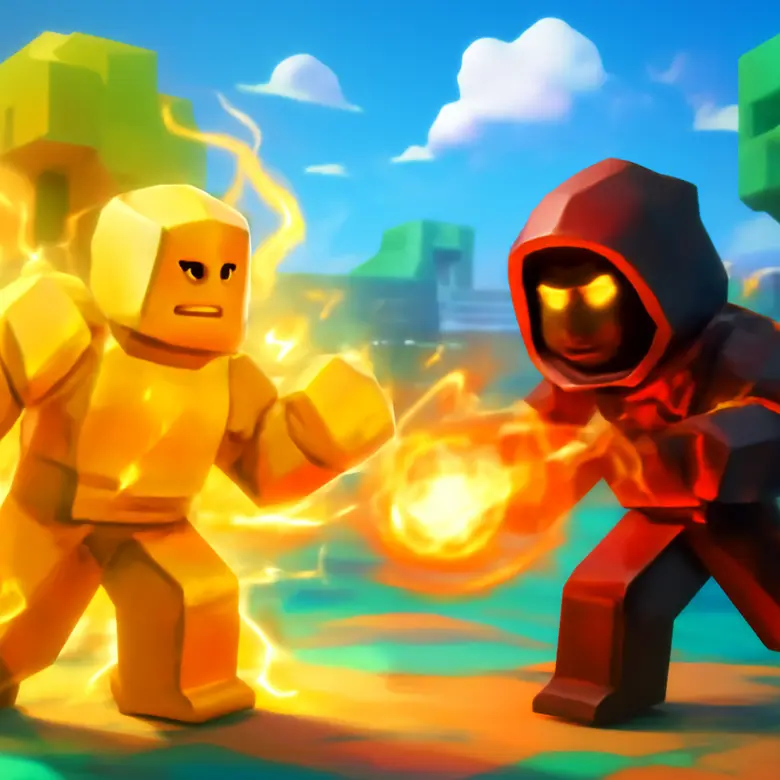
Overall: Neither game is objectively better. They scratch fundamentally different itches using the same aura theme. Aura Ascension is the tighter, more polished experience with an outstanding approval rating and zero monetization pressure. Sol's RNG is the cultural juggernaut with an unmatched community and the most extreme rarity system on the platform. Many players end up running both -- AFK in Sol's RNG while actively playing Aura Ascension -- and that might be the smartest approach of all.
Who Should Play What?
- You love steady, measurable progress: Aura Ascension, because every minute of training directly increases your aura and you can calculate exactly when your next milestone arrives.
- You want the thrill of rare drops: Sol's RNG, because nothing in Roblox matches the rush of landing a 1-in-1-billion aura after hours of rolling.
- You are a competitive player: Aura Ascension, because the KOTH mode gives you a PvP outlet that Sol's RNG does not offer.
- You enjoy trading and collecting: Sol's RNG, because the trading community is massive and rare auras hold real social value.
- You refuse to spend Robux: Aura Ascension, because there are literally no game passes to feel pressured into buying.
- You create content: Sol's RNG, because rare pull moments generate views and the larger community means a bigger potential audience.
- You want to earn Robux while playing: Both work with Earnaldo since they both support AFK play.
Frequently Asked Questions
Sol's RNG has the larger player base with roughly 62,000 concurrent players and over 1.7 billion total visits. Aura Ascension sits at around 40,000 concurrent players with 45 million visits, though it launched much more recently and is growing fast.
Aura Ascension is completely free-to-play with zero game passes and no code system. Sol's RNG is also free to play but offers optional game passes and codes that can give paying players or code-redeemers small advantages. Both games can be enjoyed without spending any Robux.
Yes. Both games support AFK gameplay. In Aura Ascension you passively earn aura in your current training zone while away, and in Sol's RNG the luck rolls happen automatically so you can leave your character idle and check back for rare aura drops.
No. As of April 2026, Aura Ascension by Gamefave does not have a code system. Sol's RNG regularly releases codes that grant small in-game boosts. Check our Sol's RNG codes page for the latest working codes.
It depends on what you prefer. Aura Ascension uses deterministic progression where every minute of training directly increases your aura count, making it feel consistent and rewarding. Sol's RNG relies on random luck rolls, so you might get a one-in-a-million aura quickly or spend hours without a rare drop. Players who want guaranteed progress prefer Aura Ascension, while players who enjoy the thrill of gambling on rare drops lean toward Sol's RNG.
Yes. Platforms like Earnaldo let you complete simple tasks to earn free Robux, which you can then spend on game passes or other Roblox items for either game. Since both games support AFK play, you can complete Earnaldo tasks on a second device while your character farms aura in the background.