Bee Swarm Simulator vs King Legacy (2026) — Which Roblox Game Should You Play?
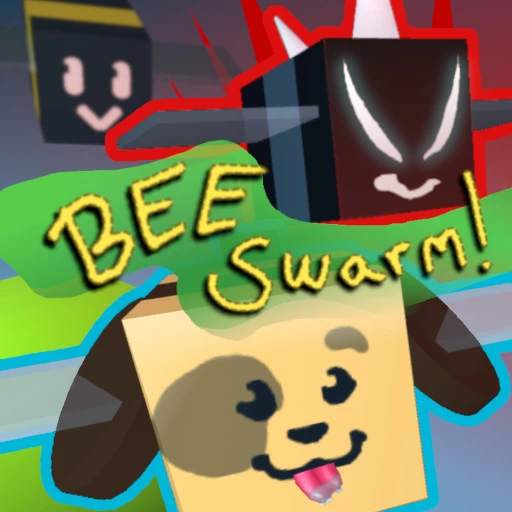
On the surface, Bee Swarm Simulator and King Legacy look like they belong on different planets. One hands you a hive full of bees and sends you into flower fields to collect pollen. The other drops you into an ocean world inspired by One Piece, where you eat devil fruits, fight bosses, and sail between islands hunting for power. They share a platform — Roblox — and they share massive, dedicated communities. But the experience of playing them could not be more different, and that is exactly what makes this comparison worth doing.
Bee Swarm Simulator, created by Onett, has been a fixture on Roblox for years, building one of the most intricate collection and optimization systems on the platform. With over 50 bee types, layered hive management, seasonal events, and a progression curve that rewards patience and strategy, it pulls in roughly 78,000 concurrent players who keep coming back day after day. King Legacy, developed by Tier5 Studio, takes players into an anime-inspired adventure RPG where devil fruit powers, sword combat, and open-sea exploration form the backbone of a grind that feels completely different in texture and tone.
We compared both games across every dimension that matters to Roblox players in 2026: gameplay loops, progression depth, content variety, graphics, player counts, game passes, community strength, and long-term replay value. Whether you are deciding where to spend your next hundred hours or figuring out where your Robux (or free Robux earned through Earnaldo) will go the furthest, this breakdown covers everything you need.
Bee Swarm Simulator vs King Legacy — Quick Stats (2026)
| Category | Bee Swarm Simulator | King Legacy |
|---|---|---|
| Genre | Simulator / Collection | Adventure RPG / Anime |
| Place ID | 1537690962 | 4520749081 |
| Developer | Onett | Tier5 Studio |
| Concurrent Players | ~78K | ~55K |
| Inspiration | Original concept | One Piece anime |
| Core Loop | Collect bees, gather pollen, make honey | Eat fruits, fight bosses, explore seas |
| Combat | Boss fights, mob clearing | Melee, sword, gun, devil fruit powers |
| PvP | No | Yes — open-world and arenas |
| Collection Depth | 50+ bee types with unique abilities | Devil fruits, swords, fighting styles |
| Events | Seasonal events (Beesmas, Egg Hunt) | Update-driven content drops |
| Free-to-Play | Yes | Yes |
Gameplay — Two Entirely Different Philosophies
Bee Swarm Simulator
Bee Swarm Simulator is built around a loop that sounds simple on paper but reveals remarkable depth the longer you play. You start with a small hive, a handful of basic bees, and access to a few flower fields. Your bees fly out, collect pollen from flowers, and return it to the hive where it converts into honey — the primary currency. You spend honey on new bees, field upgrades, equipment, and access to higher-level zones. That is the first hour. The next five hundred hours are where the game shows what it is actually made of.
Each of the 50-plus bee types has unique abilities, stats, and synergies. Some bees generate bonus tokens on the field. Others boost pollen collection speed for nearby bees. Gifted bees unlock hive-wide passive bonuses that fundamentally change your farming efficiency. Building an optimized hive means understanding which bees complement each other, which ability combinations produce the highest output, and how to balance your roster for different field types and boss encounters. It is a strategy game disguised as a cute simulator.
Beyond the core farming loop, Bee Swarm Simulator layers in quest lines from multiple NPC quest givers, each with their own storylines and reward tracks. Boss fights against creatures like the Stump Snail, Coconut Crab, and Tunnel Bear require specific hive configurations and strategies to defeat efficiently. Seasonal events — particularly Beesmas, which runs during the winter months — add limited-time content, exclusive bees, and community challenges that keep veteran players engaged. The game has a crafting system, a badge collection system, and endgame content that takes months of consistent play to reach.
King Legacy
King Legacy puts a sword in your hand and an ocean at your feet. Inspired directly by One Piece, the game drops you into a world of islands connected by open water, where you level up by completing quests, defeating increasingly powerful enemies, and hunting for devil fruits that grant supernatural abilities. The core loop is straightforward RPG fare — accept a quest, defeat the required enemies, collect experience and money, level up, move to the next island — but the devil fruit system adds a layer of unpredictability and excitement that keeps every session interesting.
Devil fruits spawn randomly across the map, and finding one is always a charged moment. Each fruit grants a completely different set of combat abilities. Eat the Ice fruit and you can freeze enemies and create glacial structures. Pick up the Magma fruit and your attacks leave burning trails across the ground. The Leopard fruit transforms you into a speed-focused predator with devastating melee combos. There are dozens of fruits in the game, categorized into Paramecia, Logia, and Zoan types, and the fruit you carry defines your combat identity. Trading fruits with other players has created its own economy within the community.
Combat in King Legacy operates on multiple axes. You have your devil fruit abilities, a melee fighting style, sword techniques, and gun attacks, all of which can be combined in combat sequences. Boss fights against named characters — many inspired by One Piece villains — test your ability to dodge, time your attacks, and manage cooldowns under pressure. PvP adds another dimension entirely, with players testing their fruit builds and combat skills against each other in open-world encounters and dedicated arenas. Raids offer group content for players looking for cooperative challenges at higher levels.
The sea exploration component sets King Legacy apart from other anime RPGs on Roblox. Sailing between islands on your boat, watching the horizon for new landmasses, and docking at unfamiliar shores to discover new quest lines and enemy types creates an adventure feel that pure combat games do not deliver. The world is large enough that even experienced players discover areas and secrets they previously missed.
Edge: Bee Swarm Simulator for strategic depth and long-term optimization. King Legacy for combat variety and adventure.
Progression — How the Grind Feels in Each Game
Progression in Bee Swarm Simulator is a slow burn by design, and that is one of its greatest strengths for the right player. Early progress comes quickly — your first few bees, your first field upgrades, your first quest completions all happen within the first play session. But the game is structured so that each new tier of content takes meaningfully longer to reach than the last. Upgrading from a 25-bee hive to a 35-bee hive requires exponentially more honey than the jump from 15 to 25. Reaching endgame zones like the Pepper Patch or the Coconut Field demands not just resources but specific combinations of gifted bees, high-level equipment, and quest completions across multiple NPC storylines.
This progression curve works because the game gives you multiple parallel tracks to pursue at any given time. If you hit a wall on one quest line, you can switch to farming a different field, working toward a badge, leveling up a specific bee, or grinding materials for a crafting recipe. You are never stuck doing exactly one thing, and the variety within the pollen-to-honey framework keeps sessions from feeling repetitive even when you are technically doing the same core activity for hours.
King Legacy handles progression more traditionally. You gain experience from quests and combat, level up in a linear fashion, and unlock access to new islands and content as your level climbs. The early game moves at a comfortable pace — the first few islands introduce mechanics gradually, and you start feeling powerful relatively quickly once you acquire a decent devil fruit. The mid-game is where King Legacy's grind intensifies. Level requirements between islands increase sharply, quest mobs take longer to defeat, and the gap between meaningful rewards widens. Without the 2x EXP game pass, the mid-game grind can feel like a wall that requires sustained commitment to push through.
The saving grace in King Legacy's progression is that finding a new devil fruit can transform your entire experience overnight. A lucky spawn can give you a fruit that dramatically increases your combat efficiency, effectively accelerating your progression through raw power rather than incremental stat gains. This lottery-style excitement is something Bee Swarm Simulator does not replicate — its progression is more predictable and plannable, while King Legacy's can swing wildly based on fruit luck.
Edge: Bee Swarm Simulator for structured, multi-track progression that always gives you something to work toward. King Legacy for moments of explosive progress tied to fruit discoveries.
Graphics and Audio — Visual and Sound Design
Bee Swarm Simulator commits fully to a bright, cheerful visual style that matches its gameplay perfectly. Flower fields pop with saturated colors — red for roses, white for daisies, blue for the pine tree clearing. Bees are distinctly designed so you can identify types at a glance, which matters during active gameplay when you need to track token spawns and ability procs across a busy field. The hive interface is clean and functional, displaying critical information about each bee slot without overwhelming the screen. Particle effects for pollen collection, ability activations, and boss attacks are visible without being distracting. The soundtrack is relaxed and unobtrusive, sitting in the background during farming sessions without becoming irritating over extended play.
King Legacy goes for a different visual register entirely. The world is built around ocean blues, island greens, and the dramatic visual effects of devil fruit abilities in action. Fruit attacks produce satisfying particle effects — ice formations, magma eruptions, lightning strikes, and energy waves that make combat feel impactful. Island environments range from tropical harbors to snowy mountain fortresses to volcanic wastelands, each with distinct visual identities. Character models support a range of equipment and accessories that give your avatar a personalized anime protagonist look. The audio is action-oriented, with combat sound effects carrying weight and ambient ocean sounds filling the quieter moments of sea travel.
Neither game is trying to push Roblox to its graphical limits, but both make strong artistic choices that serve their respective gameplay loops. Bee Swarm Simulator's visuals are functional and pleasant — designed for long play sessions where clarity matters more than spectacle. King Legacy's visuals prioritize impact and atmosphere — designed to make combat feel exciting and exploration feel grand.
Edge: King Legacy for visual spectacle and environmental variety. Bee Swarm Simulator for clarity and long-session comfort.
Player Count and Community (July 2026)
Bee Swarm Simulator maintains a strong and consistent player base, averaging approximately 78,000 concurrent players during peak hours. For a game that has been on Roblox for years, this kind of sustained engagement is remarkable. The community skews toward players who enjoy optimization, long-term goal setting, and collaborative problem-solving. The game's subreddit, Discord server, and YouTube presence are all active, with experienced players sharing hive builds, farming strategies, and guides for seasonal event content. Onett communicates through the game's Discord and periodic in-game announcements, and major updates generate genuine excitement because they arrive with careful spacing that makes each one feel substantial.
King Legacy averages around 55,000 concurrent players, a strong number that reflects a dedicated and active community. The player base leans toward anime fans and RPG enthusiasts who enjoy combat-focused gameplay. King Legacy content creators on YouTube and TikTok produce fruit tier lists, boss guides, code compilations, and PvP showcases. The fruit trading community operates through Discord servers with established value hierarchies, middleman services, and active negotiation channels. Tier5 Studio maintains communication through Discord and delivers content updates that the community tracks closely.
The community cultures differ in notable ways. Bee Swarm Simulator's community is cooperative almost by default — there is no PvP, so players interact through sharing strategies, helping newcomers with quest advice, and collaborating during events. King Legacy's community has a competitive streak driven by its PvP systems and fruit trading economy, though PvE cooperation during boss fights and raids provides a collaborative counterbalance. Both communities are welcoming to new players, but Bee Swarm Simulator's lower barrier to entry means new players integrate more smoothly.
Game Passes and Monetization
Bee Swarm Simulator Game Passes
- Bear Bee — 800 Robux: Grants a unique event bee with strong abilities and a passive hive bonus. Bear Bee produces special tokens during field farming that boost the entire hive's output, making it one of the most impactful single purchases in the game.
- Photon Bee — 800 Robux: A fast-moving bee that generates beamstorm tokens, providing AoE pollen collection that accelerates farming speed significantly. Photon Bee becomes increasingly valuable as you progress to larger, higher-level fields.
- Tabby Bee — 800 Robux: Builds stacking tabby love over time, which increases pollen collection the longer you play in a session. The most rewarding pass for players who commit to longer play sessions, as its bonus scales with playtime investment.
King Legacy Game Passes
- 2x EXP — 450 Robux: Doubles all experience gained from quests and combat. The single most impactful purchase for reducing the mid-game grind, and it remains valuable at every level. If you buy one pass in King Legacy, this is the one most players recommend.
- Fruit Storage — 350 Robux: Allows you to store extra devil fruits without eating them. Essential for players who want to participate in the fruit trading economy, as it lets you hold fruits for later trades or strategic use without losing your current abilities.
The monetization approaches reveal different design philosophies. Bee Swarm Simulator's passes are priced identically at 800 Robux each and all add unique bees that integrate into the hive system — they feel like content expansions rather than shortcuts. King Legacy's passes are more affordable at 350-450 Robux and function as quality-of-life boosters that smooth out the grind. Neither game forces purchases — both are fully playable and enjoyable without spending Robux. But players who want to optimize their experience will find value in both games' pass offerings.
Content Depth — What Keeps You Busy
Bee Swarm Simulator
The content volume in Bee Swarm Simulator is staggering when you lay it all out. Over 50 bee types, each with individual stats, abilities, and gifted variants. Multiple flower fields spanning different biomes and difficulty tiers. Quest lines from NPCs including Black Bear, Brown Bear, Mother Bear, Polar Bear, Spirit Bear, and others, each with dozens of individual quests that unlock rewards and progression milestones. Boss monsters that require real strategy — the Stump Snail alone takes hours of sustained damage to defeat and drops one of the most coveted items in the game. A crafting system that converts raw materials into powerful equipment. Badges that track hundreds of individual accomplishments. Seasonal events that add temporary content, exclusive items, and community challenges.
The depth comes from how all these systems interact. Your bee roster affects which fields you can farm efficiently. Your equipment affects your pollen collection rate. Your quest progress unlocks new areas and abilities. Your badge count unlocks special rewards. Your crafted items enable new strategies. Nothing exists in isolation — everything feeds into everything else, creating a web of interconnected progression that keeps dedicated players engaged for months and years.
King Legacy
King Legacy's content is organized around its world structure. Multiple seas containing numerous islands, each with level-appropriate enemies, unique bosses, quest NPCs, and hidden areas. The devil fruit system serves as both a combat framework and a collection goal — there are dozens of fruits to discover, each with four or more unique abilities. Sword styles offer alternative combat paths for players who want to diversify beyond fruit abilities. The raid system provides repeatable endgame challenges that reward valuable items and resources. PvP adds an entire competitive layer that exists alongside the PvE progression, giving combat-focused players an endless source of challenge.
Sea exploration ties the content together in a way that feels cohesive. Sailing from island to island creates a narrative flow — you are on a journey, progressing through a world, getting stronger as you go. Each new island brings new enemies, new bosses, and the chance of finding a fruit spawn that changes your build. The world feels like it has a geography and a logic to it, which gives the grind a sense of purpose beyond raw number increases.
Edge: Bee Swarm Simulator for sheer system depth and interconnected progression. King Legacy for world-based content that feels like an adventure.
Social Features and Community Interaction
Bee Swarm Simulator is primarily a solo experience with community elements layered on top. You farm your own fields, manage your own hive, and complete your own quests. But the community interacts through shared knowledge — optimal hive builds are debated, farming strategies are refined collectively, and seasonal events bring the player base together around shared goals. The game does not have trading in the traditional sense, which removes the friction and drama that trading systems can introduce. Instead, the social layer exists through external platforms — Discord, Reddit, YouTube — where players help each other progress.
King Legacy is more inherently social within the game itself. Other players are visible on every island. Fruit trading creates direct player-to-player interactions with real stakes — a valuable fruit trade can change both players' game experiences significantly. PvP encounters are social interactions by nature, whether friendly sparring or competitive bounty hunting. Boss raids bring groups together for cooperative combat. The game feels more alive with other players in it because its systems are designed around player interaction in ways that Bee Swarm Simulator's solo-focused design is not.
For players who want a game they can play alongside a community without depending on other players, Bee Swarm Simulator is the cleaner option. For players who want to interact with others directly through trading, fighting, and cooperating, King Legacy delivers that experience more naturally.
Head-to-Head Verdict — Bee Swarm Simulator vs King Legacy in 2026
The Verdict
Choose Bee Swarm Simulator if you enjoy collection games, long-term optimization, and building something incrementally over hundreds of hours. Its 50-plus bee types, interconnected progression systems, seasonal events, and strategic hive management create one of the deepest simulator experiences on Roblox. The lack of PvP means you play at your own pace without pressure. The community is helpful, the updates are meaningful, and the core loop of collecting pollen, making honey, and growing your hive stays satisfying far longer than it has any right to. With roughly 78K concurrent players, you are joining a community that proves this formula works.
Choose King Legacy if you want action, combat, and the thrill of exploring an anime-inspired world. Its devil fruit system gives every player a unique combat identity. Sword fighting, PvP, raids, and boss encounters keep the gameplay varied and exciting. Sailing between islands captures the spirit of a pirate adventure in a way that few Roblox games manage. At around 55K concurrent players, the community is active enough to support a healthy trading economy and competitive PvP scene while maintaining a less chaotic atmosphere than some of the larger anime RPGs.
Overall: No clear winner — the right choice is entirely personal. These games serve completely different player motivations. Bee Swarm Simulator is for builders and optimizers who find satisfaction in incremental progress and strategic depth. King Legacy is for adventurers and fighters who want moment-to-moment excitement and combat mastery. Picking one over the other says more about your play style than about the quality of either game. Both are excellent at what they do, and both deserve their large, loyal communities.
Who Should Play What?
- You love collecting and optimizing: Bee Swarm Simulator. The hive management and bee synergy systems provide hundreds of hours of strategic depth that few Roblox games match.
- You want combat and action: King Legacy. Devil fruit powers, sword combat, and PvP deliver adrenaline-driven gameplay sessions that keep you on your toes.
- You prefer a relaxing game you can play while doing other things: Bee Swarm Simulator. Farming pollen is meditative and works well alongside podcasts, music, or conversation.
- You enjoy anime-inspired worlds: King Legacy. The One Piece influence runs deep, from fruit powers to boss designs to the sense of setting out on a grand sea adventure.
- You want a game with no PvP pressure: Bee Swarm Simulator. Your progress is entirely in your own hands, with no risk of losing anything to another player.
- You are looking for a strong trading community: King Legacy. The devil fruit economy creates active player-to-player trading that adds a social and strategic layer beyond the core gameplay.
- You want to invest Robux wisely: King Legacy game passes start at 350 Robux and provide strong value. Bee Swarm Simulator passes at 800 Robux each add permanent content. Either way, Earnaldo lets you earn free Robux to spend on whichever game you choose.
Earn Free Robux for Bee Swarm Simulator or King Legacy
Complete simple tasks on Earnaldo and withdraw real Robux — no downloads, no generators, no scams. Use it on game passes, bees, fruits, or anything you want.
Frequently Asked Questions
Bee Swarm Simulator edges ahead with roughly 78K concurrent players compared to King Legacy's approximately 55K. Both games have massive total visit counts and dedicated communities. Bee Swarm Simulator has been on the platform longer and benefits from a broader casual audience, while King Legacy draws a loyal anime and RPG-focused player base. Both games are firmly in the upper tier of active Roblox titles.
Bee Swarm Simulator is generally more accessible for younger players. Its colorful world, non-violent core gameplay loop, and straightforward collection mechanics make it easy to pick up at any age. King Legacy involves combat, leveling systems, and more complex progression that tends to appeal to slightly older or more experienced Roblox players. Both games are appropriate for all ages, but Bee Swarm Simulator has a gentler learning curve.
Yes. Platforms like Earnaldo let you complete simple tasks — such as surveys, app trials, and offers — and withdraw real Robux that you can spend on game passes in either game. Both games have natural downtime between grinding sessions, making it easy to earn on the side. Visit earnaldo.com to get started.
Both games offer substantial content, but in very different forms. Bee Swarm Simulator has over 50 bee types, dozens of quest givers, seasonal events, boss fights, and deep hive management systems. King Legacy offers a vast open ocean with multiple islands, devil fruit powers, boss encounters, raids, and PvP combat. The type of content differs — collection and optimization versus combat and exploration — but both games have hundreds of hours of gameplay available for dedicated players.
Game passes in both games are optional but provide meaningful quality-of-life improvements. Bee Swarm Simulator's bee passes (Bear Bee, Photon Bee, Tabby Bee at 800 Robux each) add unique bees with strong abilities that integrate into your hive permanently. King Legacy's 2x EXP pass (450 Robux) significantly reduces grind time, and the Fruit Storage pass (350 Robux) is valuable for traders. Neither game locks essential content behind paywalls, so passes are enhancements rather than requirements.
It depends on what you enjoy. If you like relaxing collection games, optimization, and building something over time, Bee Swarm Simulator is the better fit. If you prefer action-oriented combat, anime-inspired powers, and exploring an open world, King Legacy will hold your attention longer. Both games reward consistent daily play, so choose the loop that sounds more appealing to you and commit to it.