Updated June 26, 2026
Brainrot Card Battles Beginner Guide (2026) — Start Here
Brainrot Card Battles is a roll-and-battle game built around collectible meme cards. You roll for fighters, stack the strongest ones into a deck, and battle your way through a series of worlds — with crafting, a Tower, secrets, and a full guild system layered on top. The early game is friendly, but the systems open up fast, and knowing what to prioritize keeps you from spreading yourself thin.
This guide explains how rolling works, what to do with your first cards, how crafting and the Tower fit in, and which beginner habits actually move your account forward. No prior card-game experience needed.
Table of Contents
Your First 30 Minutes
Start in the menu, not in battle. The first thing every new player should do is open the codes panel and redeem everything active — codes hand out free Gold along with roll packs in the 1,000, 5,000, and 25,000-roll range, plus luck and rarity potions. That's a massive head start, and there's no reason to grind for rolls you can claim for free. Keep our Brainrot Card Battles codes list open so you can paste them straight in.
With your free Gold and roll packs in hand, do a large batch of rolls. Each roll spends Gold and pulls a random card, with rarer cards hitting harder in battle. Don't agonize over individual pulls early — volume is what builds a usable collection. Once you've rolled a stack of cards, open your deck, slot in your highest-rarity fighters, and head into the first world.
From there, start clearing NPC battles. Winning fights pays out Gold, which funds more rolls, which gives you better cards, which clears tougher fights — that gold-to-rolls-to-power loop is the heart of the early game. Push through the opening world's battles, reinvest your Gold into rolling, and you'll feel your deck strengthen within the first session.
Core Mechanics Explained
Several systems sit on top of the basic roll-and-battle loop. Here's what each does and when it starts to matter.
Rolling and Rarities
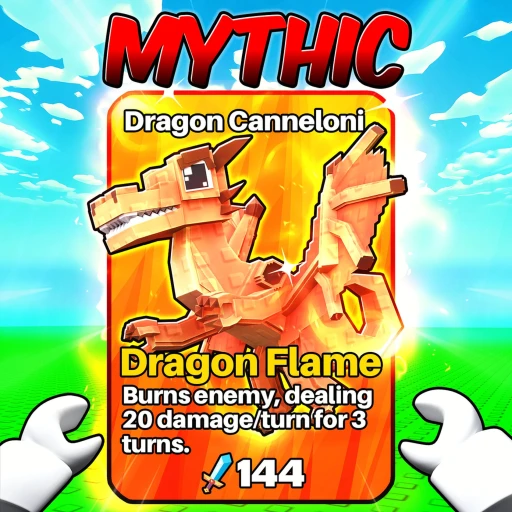
Rolling is your main source of cards. Cards fall into ascending rarity tiers — common fighters at the bottom, up through rares, legendaries, limited "splash" editions, and hidden secret cards at the very top. Higher rarity generally means higher stats, so your deck quality improves as your luck and roll volume climb. Luck and rarity potions tilt the odds toward better pulls, which is why timing them around big rolling sessions matters.
Decks and Battles
Your deck is the team of cards you bring into a fight. Battles play out against NPCs across multiple worlds — the game has expanded out to World 7 as of mid-2026 — with each world tougher than the last. The goal is to keep your deck filled with your strongest available fighters and upgrade it as better cards come in. Clearing worlds is the steadiest source of Gold for funding more rolls.
Crafting and Gear
Duplicate cards aren't junk. The crafting and gear system uses duplicates to boost a card's stats or upgrade it, so pulling a second or third copy of a strong fighter is a good thing. This is the single most important habit for new players to understand: hold your duplicates of good cards instead of ignoring them, because they're the raw material for making your best fighters even stronger.
The Tower
The Tower is a climbing mode where battles get progressively harder the higher you go, and it rewards you with exclusive card drops you can't pull from normal rolling. It's not a day-one activity — you want a deck that can clear the early floors reliably first — but it becomes one of the best sources of unique cards once your roster is established.
Guilds
Guilds add a social progression layer with boss raids, donations, and Guild Wars. These give rewards and account progress you simply can't earn playing solo, so joining an active guild early is one of the easiest upgrades available. Look for a guild that's actually participating in raids and wars rather than the first one you find.
Luck Events and Admin Events
The game runs random weather-style luck events that temporarily improve your roll odds, plus admin-hosted events that distribute special rewards. Both are worth pausing for — if a luck event fires while you have Gold banked, that's the moment to roll. Following the game's community channels is the practical way to know when events are live.
10 Beginner Mistakes to Avoid
Most of these come down to spending resources at the wrong time. Avoid them and your account grows noticeably faster.
1. Skipping codes. Free Gold, roll packs, and potions are sitting in the codes panel. Redeem them before anything else.
2. Rolling without a potion active. Save your big rolling sessions for when a luck or rarity boost is running.
3. Deleting duplicates. Duplicates feed crafting and gear upgrades. Holding copies of strong cards is how you build a top deck.
4. Hoarding Gold. Gold only helps when it's spent on rolls. Banking it does nothing — reinvest it into pulls.
5. Playing solo forever. Skipping guilds means missing raid, donation, and Guild War rewards. Join an active one early.
6. Running an outdated deck. Swap in better cards as you pull them. A stale deck stalls your world progression.
7. Rushing the Tower too early. Climbing with a weak deck wastes attempts. Build a reliable roster first.
8. Ignoring world progression for pure rolling. Worlds pay the Gold that funds rolling. Don't park on one world farming nothing.
9. Wasting potions on single rolls. Boosts are timed. One roll under a potion is a wasted boost.
10. Missing limited events. Event and luck windows offer better odds and exclusive rewards. Play while they're live.
Best Starter Strategy
Put it together and your opening hours have a clear rhythm. Redeem every code, bank the free roll packs, then activate a luck or rarity potion and burn through a big rolling session. Slot your best pulls into your deck and clear the first world's NPC battles to bring in Gold, then loop that Gold straight back into more rolls. Keep every duplicate of a strong card — those are your future upgrades through crafting and gear.
Join an active guild as soon as you can to start collecting raid and donation rewards in the background. Hold off on the Tower until your deck clears early fights without much trouble, then start climbing for the exclusive cards it drops. Once you're comfortable with the basics, the Brainrot Card Battles tier list is the natural next read for deciding which fighters deserve a permanent deck slot, and the comparison with Anime Card Clash is useful if you're weighing which collector to commit to.
Earn Free Robux While You Play
Want more Robux for Brainrot Card Battles and other Roblox games? Earnaldo lets you earn free Robux by completing simple tasks — no surveys, no downloads, just real rewards.
When to Spend Robux (and When Not To)
Brainrot Card Battles doesn't require spending. Free codes already supply Gold, roll packs, and luck potions, and you can clear the worlds and build a strong deck without paying a thing. Robux should buy convenience, not progress.
If you do spend, the sensible targets are luck or roll boosts that make your sessions more efficient, since rolling is the core engine of the whole game. What's rarely worth it is paying to chase a single specific card — the random nature of rolling means even a paid session is a gamble, and patient free-to-play players reach a strong deck through codes, events, and crafting. Spend to remove grind from a game you already enjoy, not because you feel you have to. For ways to fund those purchases without spending your own cash, see our free Robux guide for Brainrot Card Battles.
Frequently Asked Questions
By rolling. Press the roll button to spend Gold and pull a random card, with rarer cards being stronger. You also earn cards from NPC battles, the Tower, and events, and codes grant free roll packs to speed things up.
Redeem all active codes for free Gold and roll packs, do a big batch of rolls, slot your highest-rarity cards into your deck, and start clearing the first world's NPC battles for Gold.
Duplicates feed the crafting and gear system, letting you boost a card's stats or upgrade it. Hold duplicates of strong cards rather than deleting them — they're the material for your best fighters.
The Tower is a climbing mode with progressively harder battles that drops exclusive cards you can't roll for. Climb it once your deck reliably clears the early floors.
Yes. Guilds unlock boss raids, donations, and Guild Wars, providing rewards you can't earn solo. Joining an active guild early is one of the easiest ways to speed up your account.
No. Free codes supply Gold, roll packs, and potions, and you can progress without paying. Robux mainly buys convenience like luck or roll boosts and is never required.