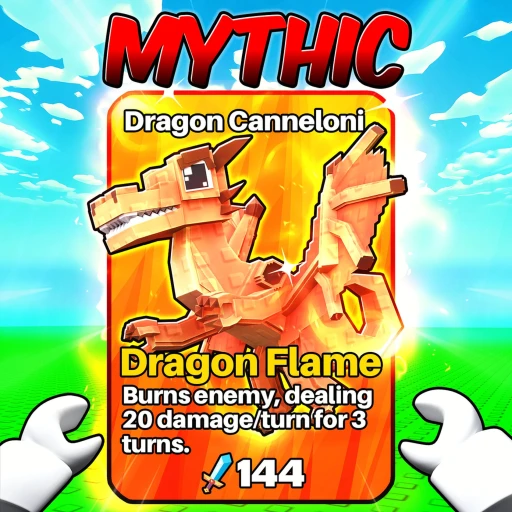
Brainrot Card Battles vs Anime Card Clash (2026) -- Which Roblox Game Is Better?
Roblox card-collecting games have taken over the platform in 2026, and two titles sit near the top of every player's radar: Brainrot Card Battles and Anime Card Clash. One leans into the absurd world of Italian brainrot memes. The other draws from beloved anime franchises. Both give you gacha rolls, deck-building, and that addictive loop of chasing rare cards -- but the similarities stop there. This comparison breaks down every major system so you can decide which game deserves your time.
Quick Stats: Brainrot Card Battles vs Anime Card Clash
| Feature | Brainrot Card Battles | Anime Card Clash |
|---|---|---|
| Developer | P.N.R.F | Community Studio |
| Roblox Place ID | 124124395449044 | -- |
| Player Rating | 96.87 / 100 | ~90 / 100 |
| Theme | Italian brainrot memes | Anime characters |
| Genre | Card Collecting / Battling | Card Collecting / Battling |
| Battle Focus | PvE (NPC battles, 7 worlds) | PvP (player battles) |
| Card Acquisition | Gacha rolls | Gacha rolls + codes |
| Progression Systems | Evolution, fusion, tower mode, guilds | Deck upgrades, ranked PvP |
| Game Passes | None | Yes (multiple) |
| Active Codes | Occasional | Frequent |
The numbers paint a clear picture at a glance. Brainrot Card Battles carries a 96.87 rating and zero game passes, meaning its entire player base sits on an even playing field. Anime Card Clash counters with frequent code drops and a more established PvP scene. Let's dig deeper into what each game actually offers once you load in.
Theme and Presentation
Brainrot Card Battles draws its entire identity from the Italian brainrot meme wave that dominated social media in late 2025 and early 2026. Cards feature absurd, surreal characters pulled straight from that corner of internet culture. If you spend any time on TikTok or YouTube Shorts, you will recognize the aesthetic immediately -- warped faces, chaotic energy, and names that sound like they were generated by a fever dream. The presentation leans hard into comedy, and it works. Every card feels like an inside joke shared with the community.
Anime Card Clash takes the opposite approach. Cards depict characters from popular anime series, rendered in styles that pay homage to the original source material. The tone is more serious, the art is polished, and the overall feel mirrors traditional trading card games like those you might find in the anime hobby space. If you grew up watching Shonen anime or collecting physical anime cards, this game taps into that nostalgia.
The choice here comes down to personal taste. Brainrot Card Battles attracts players who want humor and absurdity baked into every interaction. Anime Card Clash appeals to fans who want a card game that treats its source material with respect and delivers a more conventional aesthetic.
Edge: Tie. Theme preference is subjective. Brainrot Card Battles wins on originality, while Anime Card Clash wins on polish and familiarity.
Core Gameplay Loop
Both games center on the same fundamental cycle: acquire cards, build a deck, and use that deck to win battles. How each game handles those three steps is where they diverge.
Brainrot Card Battles
The loop starts with gacha rolls. You spend in-game currency to roll for cards, and each roll pulls from a pool with tiered rarity. Common cards show up often; legendary and mythic cards require patience or luck. Once you have cards, you slot them into a deck and take on NPC opponents spread across seven distinct worlds. Each world introduces tougher enemies with new mechanics, so your deck needs to evolve as you progress.
Beyond basic battling, Brainrot Card Battles layers on card evolution and card fusion. Evolution takes a single card and upgrades it using materials earned through gameplay. Fusion combines two or more cards to create an entirely new, more powerful card. These systems give every duplicate a purpose -- nothing feels wasted because even low-rarity pulls can feed into a fusion chain that produces something strong.
The guild system adds a social dimension. You can join a guild, contribute to shared objectives, and earn guild-exclusive rewards. Tower mode provides a separate endgame challenge where you climb increasingly difficult floors for top-tier loot.
Anime Card Clash
Anime Card Clash follows a more traditional card game structure. You collect anime character cards through rolls and redeemable codes, then build a deck tuned for PvP combat. Battles happen against other real players, which means the meta shifts constantly based on what cards the community considers strongest at any given time.
Deck-building in Anime Card Clash rewards knowledge of card synergies and counter-strategies. Because you face human opponents, reading the meta and adapting your lineup matters far more than raw card power. The game also features ranked modes that let competitive players climb leaderboards and earn seasonal rewards.
Edge: Brainrot Card Battles. The combination of seven PvE worlds, card evolution, fusion mechanics, guilds, and tower mode creates significantly more content variety than Anime Card Clash currently offers.
Card Collection and Gacha Systems
Gacha mechanics drive both games, but the experience of rolling for cards differs in several meaningful ways.
In Brainrot Card Battles, the gacha system is your primary method of card acquisition. Rolls cost in-game currency that you earn through battles, world progression, tower mode rewards, and guild contributions. There are no shortcuts involving real money because the game has no game passes. Every player grinds the same way, which keeps the playing field level. The rarity tiers span from common through uncommon, rare, epic, legendary, and mythic. Drop rates for the top tiers are low enough to make pulling a mythic card feel genuinely exciting.
Anime Card Clash also uses gacha rolls but supplements them with active codes that grant free pulls, boosters, or in-game currency. These codes rotate frequently, and staying plugged into the game's social channels gives you a meaningful advantage. On top of codes, Anime Card Clash sells game passes that can accelerate your collection rate or provide cosmetic benefits. While these passes are not strictly pay-to-win, they do create a gap between free players and those who spend Robux.
Edge: Brainrot Card Battles. A zero-game-pass model means nobody can buy their way ahead. Progression feels earned rather than purchased, and every rare pull hits harder because you know everyone had the same odds.
Battling and Strategy
The battle systems in these two games cater to fundamentally different player types.
Brainrot Card Battles focuses on PvE encounters. You fight NPC opponents across seven themed worlds, each with escalating difficulty. Early worlds teach you the basics -- card placement, ability timing, elemental strengths and weaknesses. Later worlds demand optimized decks with evolved and fused cards. The tower mode pushes this further by stacking floor after floor of increasingly brutal encounters that test every card in your collection.
Strategy in Brainrot Card Battles centers on long-term deck development. Because your opponents are AI-controlled, you can experiment with different card combinations, learn what works against specific enemy types, and refine your approach without the pressure of a live opponent. Guild battles add a cooperative element where multiple players coordinate their decks against shared bosses.
Anime Card Clash prioritizes PvP. Every battle pits you against another human player, which introduces psychological elements that PvE cannot replicate. You need to predict your opponent's plays, manage resources under pressure, and adapt on the fly when they deploy a card you did not expect. Ranked modes create a competitive ladder that rewards consistency and meta awareness.
The PvP focus in Anime Card Clash also means the meta can shift rapidly. When a new card drops or a balance patch lands, the entire competitive landscape changes. Players who stay on top of these shifts climb the ranks; those who do not fall behind. This constant evolution keeps the game fresh for competitive minds but can feel exhausting for casual players who just want to collect cards and have fun.
Edge: Depends on your playstyle. Brainrot Card Battles suits players who prefer PvE content, progression, and experimentation. Anime Card Clash suits competitive players who thrive in PvP environments and enjoy reading shifting metas.
Progression and Endgame
A card game lives or dies by what it offers after you have cleared the introductory content. Both titles handle late-game progression differently, and this is where Brainrot Card Battles pulls ahead for most players.
Brainrot Card Battles Progression
Progression in Brainrot Card Battles follows multiple parallel tracks. World progression takes you through seven environments, each with its own enemy roster, boss encounters, and reward pools. Card evolution lets you upgrade individual cards to higher power levels using materials dropped by enemies. Card fusion opens a crafting layer where combining specific cards produces unique results you cannot roll from the gacha.
The guild system provides ongoing objectives and community-driven goals. Guilds can compete against each other, tackle cooperative challenges, and unlock shared rewards that benefit every member. Tower mode stands as the primary endgame challenge -- a roguelike-style gauntlet where each floor gets harder, and the rewards at the top floors include some of the strongest cards in the game.
Because all of these systems interlock, there is always something to work toward. You might be grinding a specific world for evolution materials, saving currency for gacha rolls, contributing to guild objectives, or pushing your tower record higher. The variety prevents burnout.
Anime Card Clash Progression
Anime Card Clash ties most of its progression to PvP rank. You climb the ranked ladder by winning matches, and higher ranks unlock cosmetic rewards, exclusive card borders, and bragging rights. Card collection drives the other half of progression -- chasing rare anime cards to complete your collection and strengthen your deck.
The endgame for Anime Card Clash is the ranked grind itself. Once you have a competitive deck, the goal is to refine it, adapt to the current meta, and push as high on the leaderboard as possible. Seasonal resets keep the competition fresh by bringing everyone back down and introducing new reward tracks.
Edge: Brainrot Card Battles. Multiple interlocking progression systems (worlds, evolution, fusion, guilds, tower mode) offer far more endgame depth than a ranked PvP ladder alone.
Monetization and Fairness
This section matters more than most players realize. How a game makes money directly shapes the experience for everyone playing it.
Brainrot Card Battles takes a zero-monetization approach. There are no game passes, no premium currencies, and no paid shortcuts. Every card, upgrade, and reward in the game is earned through gameplay. This design decision has consequences: the developer relies entirely on Roblox's visit-based revenue and potentially in-game ads, which means the game needs to be good enough to keep players coming back organically. Based on the 96.87 community rating, P.N.R.F has delivered on that front.
Anime Card Clash monetizes through game passes that offer various advantages. Some passes boost your roll rates, others provide cosmetic upgrades, and some unlock convenience features that save time. The game also pushes frequent codes, which serve as a marketing tool to bring players back regularly. While the game passes are not extreme in their impact, they do create a two-tier experience where paying players progress faster than free players.
Edge: Brainrot Card Battles. No game passes means a completely level playing field. In a competitive card game, that fairness matters enormously.
Community and Social Features
Both games have active communities, but they channel player interaction in different ways.
Brainrot Card Battles features a built-in guild system that turns social interaction into a gameplay mechanic. Guilds let you team up with other players, tackle cooperative challenges, compete in guild rankings, and earn rewards you cannot get solo. The brainrot meme theme also fosters a specific community vibe -- players tend to be in on the joke, and the humor creates a shared language that bonds the player base together.
Anime Card Clash leans on its PvP battles as the primary social interaction. Every match is a conversation between two decks, and the competitive nature of ranked play creates natural rivalries and communities around top players. The game also benefits from a large Discord community where players share deck builds, discuss meta shifts, trade cards, and coordinate around new code drops.
Trading in Anime Card Clash adds another social layer that Brainrot Card Battles currently lacks. The ability to swap cards with other players creates an economy, encourages negotiation, and gives every duplicate card tangible value beyond fusion fodder.
Edge: Tie. Brainrot Card Battles wins on structured guild features. Anime Card Clash wins on trading and competitive social dynamics. Both have engaged communities.
Updates and Developer Support
Long-term value in any Roblox game depends on how actively the developers push updates, fix bugs, and add new content.
Brainrot Card Battles benefits from focused development by P.N.R.F. Updates tend to introduce new worlds, card sets, fusion recipes, and tower mode floors. The game's meme-based theme gives the developer a near-infinite pool of source material to draw from, since the brainrot meme ecosystem generates new characters and concepts constantly. Each update feels like the game is expanding outward rather than just adding more of the same.
Anime Card Clash has a larger development team and pushes updates at a steady pace. New anime character cards arrive regularly, balance patches adjust the PvP meta, and seasonal events provide time-limited content that drives player engagement. The frequent code drops also function as mini-updates that give players reasons to log in even between major content patches.
Edge: Anime Card Clash. A larger team and more frequent update cadence give it a slight advantage in terms of raw content velocity, though Brainrot Card Battles delivers more meaningful systemic additions per update.
Performance and Accessibility
Both games run on Roblox, so they share the same underlying engine and platform requirements. However, optimization and UI design differ between them.
Brainrot Card Battles maintains a clean interface that prioritizes readability. Card stats, abilities, and rarity levels are displayed clearly, and the world map makes it obvious where you should go next. The game runs smoothly on lower-end devices because the art style does not demand heavy rendering -- meme-inspired visuals are inherently lightweight compared to detailed anime illustrations.
Anime Card Clash features more detailed card art and battle animations, which look great on capable hardware but can cause frame drops on older phones and budget tablets. The UI is functional but can feel cluttered when you have a large collection to manage. Navigation between menus takes a few more clicks than it should, though this is a minor gripe in the grand scheme.
Edge: Brainrot Card Battles. Lighter visuals translate to smoother performance across more devices, and the UI is more intuitive for new players.
Final Verdict: Which Game Should You Play?
Brainrot Card Battles wins this comparison for most players. Its zero-game-pass model creates a fair playing field, seven PvE worlds plus tower mode provide deep progression, and the card evolution and fusion systems give every pull meaningful value. The 96.87 community rating reflects a game that delivers on its promises without asking for your wallet.
Anime Card Clash is the better pick if you specifically want competitive PvP card battles, enjoy anime aesthetics, and do not mind a monetization model that includes game passes. Its trading system and frequent codes add value that Brainrot Card Battles does not match in those specific areas.
Our recommendation: start with Brainrot Card Battles if you want a complete, fair, single-player-friendly experience. Add Anime Card Clash to your rotation when you are ready for competitive PvP.
Earn Free Robux for Both Games
Whether you pick Brainrot Card Battles, Anime Card Clash, or both -- free Robux makes everything better. Earn Robux on Earnaldo by completing simple tasks, then spend it on game passes, accessories, or anything else on the platform.
Frequently Asked Questions
Brainrot Card Battles is generally more beginner-friendly because it focuses on PvE battles against NPCs across its seven worlds. New players can learn deck-building at their own pace without being thrown into competitive PvP matches right away. Anime Card Clash leans more heavily on player-versus-player combat, which can feel overwhelming if you are just starting out.
No. As of May 2026, Brainrot Card Battles does not sell any game passes. Progression is entirely free-to-play and driven by the gacha roll system, card evolution, and fusion mechanics.
Anime Card Clash supports card trading between players, which adds a social and economic layer to the game. You can negotiate trades to fill gaps in your collection or offload duplicates for cards you actually need in your deck.
The gacha system in Brainrot Card Battles lets you roll for new cards with varying rarities. Each roll gives you a random card from the available pool, and rarer cards have lower drop rates. You can then evolve or fuse cards to create stronger versions for your deck.
Brainrot Card Battles currently offers more structured PvE content with seven distinct worlds, a tower mode, guild system, and card fusion mechanics. Anime Card Clash focuses more on PvP battles and card collecting with active codes and game passes. Both games receive regular updates, so the content gap may shift over time.
Anime Card Clash regularly releases redeemable codes that grant free rewards like boosts and in-game currency. Brainrot Card Battles also offers codes from time to time, though less frequently. Check each game's social media channels or community Discord servers for the latest active codes.