Carry a Latamrot vs Steal a Brainrot (2026) -- Which Game Is Better?
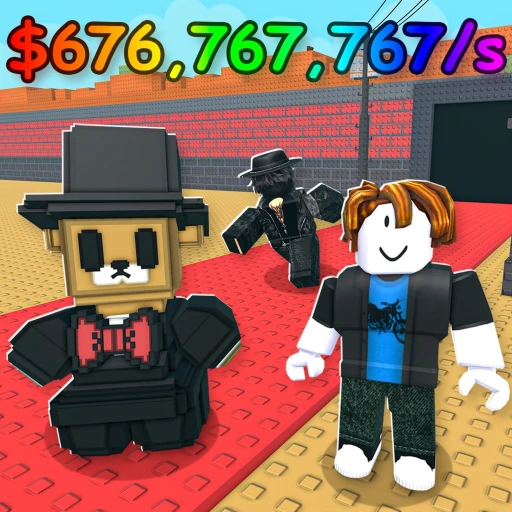
The brainrot tycoon formula has officially split into regional flavors. Carry a Latamrot brings Latin American meme culture into the steal-and-collect format, while Steal a Brainrot remains the undisputed king of the genre with player counts that shatter records. Both games share a DNA of passive income generation, PvP stealing, and brainrot character collection — but their execution, communities, and scale tell very different stories.
Carry a Latamrot has carved out a dedicated following of around 22K concurrent players, building a tight-knit community around Latin American brainrot characters and regional humor. Steal a Brainrot, on the other hand, commands between 600K and 900K concurrent players on any given day and holds the all-time Roblox record of 25.8 million concurrent players set in October 2025. The size gap is massive, but size alone does not determine which game deserves your time.
This comparison breaks down both games across every category that matters: gameplay depth, progression systems, PvP balance, community health, monetization, mobile performance, and how each pairs with Earnaldo for earning free Robux. Whether you are already grinding one of these titles or choosing your first brainrot tycoon, this guide gives you the full picture. For standalone deep dives, check our Carry a Latamrot free Robux guide and Steal a Brainrot free Robux guide.
Quick Stats — Carry a Latamrot vs Steal a Brainrot (July 2026)
| Category | Carry a Latamrot | Steal a Brainrot |
|---|---|---|
| Genre | Tycoon / Stealing / Brainrot | Tycoon / PvP / Brainrot |
| Place ID | 99176968039804 | 109983668079237 |
| Developer | Latam Development Studios | SpyderSammy / Do Big Studios |
| Concurrent Players | ~22K | ~600K–900K |
| All-Time Peak | Not recorded | 25.8M (Oct 2025) |
| Core Loop | Steal latamrots, earn passively, unlock floors | Buy brainrots, generate income, steal from players |
| Progression System | Floor-based unlocks | Tier-based prestige |
| PvP Element | Central (stealing) | Central (stealing) |
| Character Theme | Latin American brainrot memes | Italian brainrot memes |
| Session Length | 20–60 min | 30–90 min |
| Mobile-Friendly | Yes | Yes |
| Free-to-Play | Yes | Yes |
Gameplay — What Do You Actually Do?
Carry a Latamrot
You drop into a server and start collecting latamrot characters — brainrot-style memes rooted in Latin American internet culture. Each latamrot you place on your base generates passive income over time. The twist is in the name: you physically carry these characters around, placing them on your designated floors to activate their income streams. The floor progression system serves as the primary advancement mechanic. You start on the ground floor with basic latamrots, and as your earnings accumulate, you unlock higher floors with better character slots and improved income multipliers.
The stealing mechanic works similarly to other brainrot tycoons but with a regional flavor. You visit other players' bases, pick up their latamrots, and attempt to carry them back to your own base before getting caught. The physical act of carrying adds a layer of vulnerability — you move slower while holding a stolen latamrot, and other players can see exactly what you are doing. Getting caught means dropping the character and potentially losing one of your own as a penalty. The risk-reward calculation becomes: is that rare latamrot on floor three worth the slow walk back while every player in the server can see you holding it?
Tools add strategic depth to the stealing loop. As you progress, you unlock items that speed up your carrying, disguise your theft attempts, or protect your own base from raids. The tool system gives newer players a sense of working toward something concrete beyond just bigger numbers. Each floor you unlock brings access to new tools alongside better latamrot characters, creating a clean progression curve that always has you chasing the next milestone.
Steal a Brainrot
Steal a Brainrot refined the brainrot tycoon formula into what has become the most-played version of this genre on the platform. You buy brainrot characters from a shop using in-game currency. Each brainrot has a specific income-per-second value based on its rarity tier. Place them on your base, and they passively generate cash that you collect to buy more expensive, higher-earning brainrots. The tycoon loop is tight and well-tuned — the income curve accelerates fast enough to keep new players engaged while the gap between tiers remains large enough to maintain long-term goals.
The PvP stealing layer is where the game separates itself. Raid cooldowns gate how often you can attack other players, but when you do raid, the system rewards careful target selection. You scout bases, identify which brainrots generate the most value, plan your entry and exit routes, and execute the steal before defensive traps trigger or the owner responds. Successful raids can leapfrog your progression by hours. Failed raids cost you cooldown time and potentially alert the entire server to your aggressive playstyle, making you a target for retaliation.
The Italian brainrot meme aesthetic gives the character roster a distinctive personality. Characters based on viral Italian internet memes — exaggerated expressions, absurd poses, surreal humor — populate every tier of the collection. The rarest brainrots generate income at rates that make them worth fighting over, and server-wide conflicts regularly erupt when someone discovers a player hoarding multiple Mythic-tier Italian brainrots with minimal defense. The social dynamics that emerge from this system have driven content creators to produce thousands of hours of raid highlight videos, which in turn fuels the game's continued growth.
Progression Systems Compared
Carry a Latamrot: Floor-Based Advancement
Carry a Latamrot structures its progression vertically. You start on floor one with access to basic latamrot characters and limited base space. As you earn currency — both from passive income and successful steals — you unlock floor two, then three, and so on. Each floor provides more base slots for latamrots, access to higher-tier characters, new tools, and improved income multipliers that apply to all characters on lower floors as well.
The floor system creates clear, visible milestones. You always know what you are working toward because the next floor is right above you, often visible in the game world. This tangible sense of vertical progression makes the grind feel purposeful even during slower earning periods. The gap between floors scales appropriately — early floors unlock quickly to hook new players, while later floors require substantial investment and strategic stealing to reach within reasonable timeframes.
One limitation is that the floor system can feel rigid compared to more open-ended progression. You cannot skip floors or specialize in a particular direction. Everyone progresses along the same linear path, which means the experience of reaching floor five is identical for every player regardless of their playstyle. Players who prefer to steal aggressively and players who prefer to farm passively both end up at the same milestones, just at different speeds.
Steal a Brainrot: Tier and Prestige System
Steal a Brainrot uses a more layered approach. The primary progression is the brainrot tier system — Common, Uncommon, Rare, Epic, Legendary, and Mythic characters each represent a significant jump in earning power. Within each tier, individual brainrots have varying stats, so building the optimal collection requires knowledge of which specific characters outperform others at the same rarity level.
The prestige system adds meta-progression on top. Once you reach certain income thresholds, you can prestige — resetting your base and brainrot collection in exchange for permanent multipliers that make your next run faster. Early prestiges feel punishing because you lose tangible progress, but veterans who have prestiged multiple times earn at rates that make the initial grind look glacial by comparison. This creates a visible power gap between new players and experienced ones that can feel discouraging but also provides an aspirational target.
Base layout customization adds another progression vector. As you advance, you unlock defensive structures, traps, barriers, and specialized placement slots that affect how efficiently your brainrots generate income and how well they resist raids. Optimizing your layout becomes a puzzle with genuine strategic depth — the same brainrots arranged differently can produce dramatically different income rates and raid vulnerability profiles.
Edge: Steal a Brainrot offers deeper, more varied progression with multiple advancement vectors. Carry a Latamrot provides cleaner, more accessible milestones that feel satisfying in shorter sessions.
PvP and the Stealing Mechanic
Both games center their competitive element around stealing characters from other players, but the execution differs in ways that significantly affect how PvP feels in practice.
Carry a Latamrot makes stealing a physical, visible act. You pick up a character and carry it. Everyone can see you doing it. The tension comes from the vulnerability of the carry itself — you are slower, you are obvious, and you cannot defend yourself while holding someone else's latamrot. This design favors stealth and timing over raw speed or combat ability. The best thieves wait for server distractions, strike during busy periods when attention is split, and choose targets based on proximity to their own base rather than pure value.
Steal a Brainrot abstracts the stealing into a raid system with cooldowns, route planning, and trap navigation. Raids feel more like executing a heist plan than committing a grab-and-run. Defensive systems — traps, barriers, alert notifications — create an asymmetric dynamic where defenders have structural advantages but attackers have the element of surprise. The cooldown system prevents spam-raiding and forces players to make each attempt count, which raises the stakes of every single raid.
The smaller server size in Carry a Latamrot (due to its lower player count) means stealing feels more personal. You are likely stealing from the same few players repeatedly, which creates rivalries and grudges that persist across sessions. In Steal a Brainrot's massive servers, raids feel more anonymous — you might never encounter the same player twice, which makes the PvP less personal but also less toxic.
Edge: Personal preference determines the winner here. Carry a Latamrot's physical carrying mechanic creates more visceral tension. Steal a Brainrot's raid system provides more strategic depth and structured competition.
Player Count and Community Health
The population gap between these two games is enormous, and it affects the experience in concrete ways.
Steal a Brainrot's 600K to 900K concurrent players mean servers fill instantly, matchmaking is seamless, and there is always someone to raid or defend against. The massive community supports a thriving ecosystem of content creators, strategy guides, tier lists, and social media discussion. Finding information about optimal builds, latest codes, or upcoming updates takes seconds because thousands of players contribute to community resources daily. The game's record-setting 25.8 million concurrent peak in October 2025 cemented its position as a cultural phenomenon within Roblox, and that momentum continues to attract new players months later.
Carry a Latamrot's ~22K concurrent players create a fundamentally different community dynamic. Servers are smaller and more intimate. You recognize regulars. Alliances form based on actual relationships rather than temporary strategic convenience. The Latin American focus gives the community a strong regional identity — chat is predominantly Spanish and Portuguese, memes reference regional culture, and the humor lands differently than the broader internet culture of Steal a Brainrot. For players within the Latin American Roblox community, this specificity is a feature, not a limitation.
The downside of a smaller population is less frequent updates, fewer community resources, and occasionally longer wait times to fill servers during off-peak hours. Carry a Latamrot's development team is smaller and updates on a less predictable schedule compared to Do Big Studios' consistent content cadence for Steal a Brainrot.
Edge: Steal a Brainrot on raw numbers and community infrastructure. Carry a Latamrot for community intimacy and regional identity.
Graphics and Visual Style
Steal a Brainrot has the polish advantage that comes with a larger budget and established development studio. Character models are detailed with unique animations per tier, particle effects communicate rarity and income generation clearly, and the UI — while dense — is responsive and well-organized. The Italian brainrot aesthetic is visually distinct and immediately recognizable. Bases fill up with colorful, animated characters that make a maxed-out base look impressively chaotic in a deliberate way.
Carry a Latamrot leans into a slightly rougher, more handmade aesthetic that matches its community-driven origins. Latamrot character designs reference specific Latin American memes that players from the region will immediately recognize, adding a layer of cultural specificity that Steal a Brainrot's broader appeal cannot match. The floor system means bases grow vertically, creating a visual tower-building sensation as you progress. The visual feedback of seeing your base stack higher provides satisfying confirmation of advancement that horizontal base expansion does not replicate as effectively.
Performance-wise, both games run well on mobile and lower-end hardware. Steal a Brainrot's larger server populations and more complex particle effects can cause frame drops on older devices during busy moments. Carry a Latamrot's smaller scale means consistently smooth performance across hardware tiers.
Edge: Steal a Brainrot for overall visual quality. Carry a Latamrot for performance consistency and cultural specificity in its character designs.
Game Passes and Monetization
Carry a Latamrot offers game passes that focus on progression speed and convenience. Passes include faster carrying speed (reducing vulnerability during steals), expanded floor capacity, auto-collect for passive income, and exclusive latamrot characters not available through normal gameplay. Prices sit in the 99 to 499 Robux range. The exclusive characters are cosmetically distinct but do not dramatically outperform their free equivalents in income generation, keeping the playing field relatively level between paying and free players.
Steal a Brainrot's pass lineup is more extensive due to the game's maturity and larger player base. Auto-collect, expanded base slots, raid cooldown reduction, VIP brainrot access, and various boosters span from 99 to 799 Robux. The auto-collect pass is nearly mandatory for serious players — it solves the tedious problem of manually collecting income from each brainrot, which becomes impractical once your base holds dozens of characters. Free players can access all brainrot tiers and every gameplay feature, but the quality-of-life passes significantly smooth out the experience.
Neither game crosses into pay-to-win territory. Both maintain full feature access for free players and restrict paid advantages to convenience improvements. Steal a Brainrot's higher price ceiling reflects its larger economy and the greater value that time-saving passes provide when progression spans hundreds of hours.
Edge: Roughly even. Both games monetize fairly without locking content behind paywalls.
Earning Potential — Free Robux While You Play
If you are using Earnaldo to earn free Robux while gaming, both brainrot tycoons offer natural multitasking windows thanks to their passive income mechanics.
Carry a Latamrot's shorter session length (20 to 60 minutes) and passive income phases create regular breaks where your latamrots generate cash without requiring input. During these idle periods, you can switch to Earnaldo's earn page and complete offers or surveys. The smaller server populations also mean fewer raids interrupting your flow — you are less likely to lose a character while focused on an earning task compared to Steal a Brainrot's busier servers where someone is always looking to steal.
Steal a Brainrot's longer sessions (30 to 90 minutes) provide more total earning windows per play session. The auto-collect game pass makes multitasking nearly seamless because you do not need to manually interact with your base while income accumulates. However, the higher raid frequency means you should check back periodically to ensure your base has not been stripped. Experienced players set up defensive brainrots and traps that provide enough protection to safely focus on Earnaldo tasks for 5 to 10 minutes at a time.
Both games pair well with Earnaldo's offer wall. The key is matching your earning tasks to your gameplay rhythm: use passive income periods for longer surveys, and use the brief moments between active gameplay (between steals, between floor unlocks) for quick app-install offers. For detailed strategies on maximizing Robux earnings in each game, see our Carry a Latamrot free Robux guide and Steal a Brainrot free Robux guide.
If you are looking for other games that pair well with earning Robux, our Grow a Garden free Robux guide covers another idle-friendly title with similar multitasking potential.
Earn Free Robux for Carry a Latamrot or Steal a Brainrot
Complete simple tasks on Earnaldo and withdraw real Robux — no downloads, no generators, no scams.
Replay Value — Will You Still Play Next Month?
Steal a Brainrot has proven long-term staying power. The game launched in 2025, hit record-breaking numbers, and continues to maintain massive concurrent populations into mid-2026. The prestige system provides structural replay value — each prestige run feels different because your knowledge of optimal strategies lets you progress faster, and the permanent multipliers make each subsequent run more rewarding. The PvP dynamics ensure that no two sessions feel identical because player behavior is unpredictable. Content updates arrive on a consistent schedule, adding new brainrot characters, balance adjustments, and seasonal events that keep the meta shifting.
Carry a Latamrot is earlier in its lifecycle, which means it has both more room to grow and more uncertainty about its future. The current floor system provides a clear endgame goal, but once players reach the top floor, the primary replay motivation becomes PvP stealing and collection completion. The smaller development team means updates arrive less frequently, and the gap between content drops can test player patience. However, the regional community loyalty gives the game a retention advantage — players who connect with the Latin American brainrot humor and the Spanish-language community develop an attachment that transcends pure gameplay mechanics.
For players who burn through content quickly, Steal a Brainrot offers more to do over a longer period. For players who value community connection and cultural specificity over raw content volume, Carry a Latamrot creates a stickier social environment despite having less mechanical depth.
Edge: Steal a Brainrot for content longevity. Carry a Latamrot for community-driven retention among Latin American players.
Mobile Experience
Both games target mobile players as a primary audience, and both deliver functional touchscreen experiences. The tycoon-plus-stealing formula works naturally on mobile because core interactions — tapping to place characters, tapping to collect income, dragging to rearrange bases — translate cleanly from mouse and keyboard to touch.
Carry a Latamrot's simpler UI and smaller-scale bases mean less screen clutter on mobile. The floor system keeps your view focused on one level at a time rather than trying to survey an entire horizontal base. Stealing is straightforward — tap the target character, carry it back, drop it on your base. The limited tool system means fewer buttons competing for screen space.
Steal a Brainrot packs more information and more systems onto the screen. Base management, raid planning, defensive placement, prestige menus, and shop interfaces all compete for space on a mobile display. The game works on mobile — millions of players prove that daily — but newer players may feel overwhelmed by the density of UI elements until they learn which ones to focus on. Experienced mobile players develop muscle memory for the interface quickly enough, but the first few sessions have a steeper learning curve on a phone than on a PC.
Edge: Carry a Latamrot for a cleaner mobile interface. Steal a Brainrot works well on mobile but demands more from the player in terms of UI navigation.
Head-to-Head Verdict — Carry a Latamrot vs Steal a Brainrot in 2026
The Verdict
Choose Steal a Brainrot if you want the most polished, populated, and content-rich brainrot tycoon experience available on Roblox. Its 600K-900K concurrent players guarantee active servers at all hours, its prestige system provides hundreds of hours of progression depth, and its PvP raid mechanics have been refined through months of balance updates into a genuinely engaging competitive loop. This is the genre-defining game for a reason — it does everything well and has the development resources to keep improving.
Choose Carry a Latamrot if you want a tighter community experience with Latin American cultural flavor, cleaner mobile performance, and a game where your presence in the community can actually be felt. The floor-based progression gives you clear goals, the smaller servers create meaningful rivalries, and the latamrot character designs connect with regional humor that broader brainrot games miss. It is the better choice for players in the Latin American Roblox community who want to see their culture represented in the brainrot genre.
Overall winner: Steal a Brainrot — based on depth, polish, and scale. The population difference alone tells the story — Steal a Brainrot has proven its staying power at a level that few Roblox games in history can match. But Carry a Latamrot fills a niche that Steal a Brainrot cannot: regional cultural specificity combined with a more intimate competitive environment. If you are in the Latin American community and want a brainrot tycoon that speaks your cultural language, Carry a Latamrot is worth your time despite its smaller scale. And regardless of which game you choose, both pair naturally with Earnaldo for earning free Robux during passive income phases.
Who Should Play What?
- You want the biggest, most active community: Steal a Brainrot — nothing else on Roblox touches its concurrent numbers in the brainrot genre.
- You are part of the Latin American Roblox community: Carry a Latamrot — regional memes, Spanish-language chat, and culturally specific characters.
- You enjoy deep progression systems: Steal a Brainrot — its prestige system and multi-layered base optimization provide hundreds of hours of goals.
- You prefer shorter, focused sessions: Carry a Latamrot — its 20-60 minute sessions and floor milestones give satisfying stopping points.
- You thrive on competitive PvP: Steal a Brainrot — larger servers mean more targets, more threats, and more dynamic raid encounters.
- You want meaningful server rivalries: Carry a Latamrot — smaller populations let you build relationships and grudges with the same players over time.
- You play primarily on mobile: Both work well, but Carry a Latamrot has the cleaner mobile UI.
- You want to earn Robux while playing: Both pair well with Earnaldo, but Carry a Latamrot's quieter servers mean fewer raid interruptions during earning tasks.
Frequently Asked Questions
Is Carry a Latamrot or Steal a Brainrot more popular on Roblox in 2026?
Steal a Brainrot is far more popular with 600K-900K concurrent players compared to Carry a Latamrot's approximately 22K. Steal a Brainrot also holds the all-time Roblox concurrent record of 25.8 million players from October 2025. However, Carry a Latamrot is growing rapidly within the Latin American Roblox community and fills a cultural niche that Steal a Brainrot does not address.
Which brainrot tycoon game is better for earning free Robux?
Both games work well with Earnaldo for earning free Robux. Both feature idle income phases where your brainrot characters generate cash passively, giving you natural downtime to complete earning tasks. Steal a Brainrot's longer sessions provide more total earning windows, while Carry a Latamrot's quieter servers mean fewer raid interruptions pulling you back to defend your base.
Can you play Carry a Latamrot and Steal a Brainrot on mobile?
Yes. Both games are fully playable on mobile through the Roblox app on iOS and Android. Both use tycoon-style tap interfaces that work naturally on touchscreens. Carry a Latamrot has a slightly cleaner mobile UI due to fewer simultaneous systems on screen, while Steal a Brainrot packs more features into its interface but remains fully functional on mobile devices.
What is the difference between latamrot and brainrot characters?
Latamrots are brainrot-style meme characters rooted in Latin American internet culture — regional memes, Spanish-language references, and characters based on popular Latin American content creators. Standard brainrots in Steal a Brainrot draw from Italian brainrot memes and broader international internet culture. Both function similarly as income-generating collectibles within their respective games, but their cultural references appeal to different audiences.
Does Carry a Latamrot have trading like Steal a Brainrot?
Both games handle trading through their stealing mechanics rather than a traditional trade menu. You acquire other players' characters by raiding their bases and physically taking them. Neither game has a direct player-to-player trade interface where you can voluntarily exchange characters. The PvP stealing system is the primary way characters change hands in both titles, which keeps the economy dynamic but also means you cannot guarantee specific trades.
Is Carry a Latamrot just a copy of Steal a Brainrot?
While Carry a Latamrot shares the tycoon-plus-stealing formula popularized by Steal a Brainrot, it differentiates itself through its Latin American character roster, floor-based progression system, physical carrying mechanic, and regional community focus. The core loop is similar — collect characters, earn passively, steal from others — but the execution, cultural context, and community feel are distinct enough that both games serve different player needs within the same genre.