Cooking Chaos vs Bee Swarm Simulator (2026) -- Which Roblox Game Is Better?
Cooking Chaos and Bee Swarm Simulator couldn't be more different. One drops you into a frantic kitchen where every second counts. The other hands you a field full of flowers and a hive of bees with no timer in sight. But both games have passionate fanbases and strong reasons to play them in 2026. So which one actually deserves your time? We've put them side by side across every category that matters.
Quick Stats Comparison
| Category | Cooking Chaos | Bee Swarm Simulator |
|---|---|---|
| Developer | Hot Wok Studios | Onett |
| Genre | Co-op Cooking Sim | Bee Collecting / Farming |
| Total Visits | ~9.7 Million | 10 Billion+ |
| Avg. CCU | Growing (newer title) | ~78,000 |
| Release Year | 2025 | 2018 |
| Session Length | 15-30 min | 30 min - 2+ hrs |
| Solo Friendly | Possible but tough | Yes, fully |
| Roblox Place ID | 115585193927985 | 1537690962 |
Gameplay
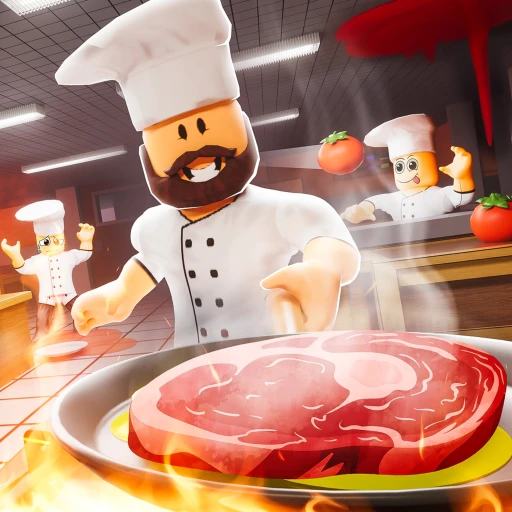
Cooking Chaos is built around fast-paced kitchen teamwork. You and up to three teammates race against a timer to chop ingredients, cook dishes, and serve orders before they expire. It's inspired by Overcooked, and that DNA shows up in every mechanic -- from the conveyor belts that move ingredients around to the fire hazards that force you to rethink your station layout. Communication isn't optional here. You'll need to call out orders, divide responsibilities, and adapt when the kitchen throws curveballs at you.
Bee Swarm Simulator takes the opposite approach. You start with a small hive, hatch basic bees, and send them into flower fields to collect pollen. That pollen converts to honey, which you spend on new bees, better gear, and field expansions. There's no timer pushing you forward. You set your own pace, choose which fields to farm, and gradually work your way toward endgame zones like the Pepper Patch and Coconut Field. The loop is simple on the surface but surprisingly deep once you start optimizing bee loadouts and understanding pollen multipliers.
These two games scratch entirely different itches. Cooking Chaos is about moment-to-moment skill and reaction speed. Bee Swarm Simulator is about patience, planning, and incremental growth over long play sessions.
Edge: Depends on preference. Cooking Chaos wins for action-oriented players who want short bursts of intensity. Bee Swarm Simulator wins for those who enjoy methodical grinding and long-term optimization.
Progression Systems
Cooking Chaos uses a star-based progression model. Each course has multiple levels, and you earn stars based on how well you perform -- how many dishes you serve, how few you burn, and whether you hit bonus objectives. Stars unlock new courses with harder kitchens and more complex recipes. There's also a perk system where you roll for classes and abilities like Time Freeze (a Legendary perk that pauses the timer and all orders), giving each run a slightly different feel. Appliance upgrades let you chop and cook faster, adding another layer of progression between rounds.
Bee Swarm Simulator's progression is massive. You're working toward filling your hive with 50 bee slots, each holding a bee that ranges from Common to Mythic rarity. Event bees like Tabby Bee and Photon Bee add unique abilities that transform your farming efficiency. Beyond bees, you're upgrading tools (the Porcelain Dipper, Tide Popper, and Dark Scythe are just a few), unlocking zones gated behind quest completions, and working through questlines from NPC bears scattered across the map. The endgame alone -- involving Spirit Bear quests, Petal Belt crafting, and Coconut Crab farming -- can take hundreds of hours.
Cooking Chaos is snappy. You feel progress after every session. Bee Swarm Simulator is a marathon. You might spend a week grinding for a single upgrade, but the payoff feels enormous.
Edge: Bee Swarm Simulator. The sheer depth and breadth of its progression system is hard to match. There's always something meaningful to work toward, even after months of play.
Graphics and Audio
Cooking Chaos features clean, stylized kitchen environments with bright colors and smooth animations. Ingredients look distinct enough to identify at a glance, which matters when you're juggling five orders at once. The kitchens themselves vary from standard restaurants to more creative setups with moving platforms and conveyor belts. Sound design leans into the chaos -- sizzling pans, chopping sounds, and a ticking timer create genuine tension during rounds.
Bee Swarm Simulator has a charming, colorful aesthetic with flower fields that pop against green backdrops. Each zone has its own visual identity, from the icy Blue Flower Field to the tropical Coconut Field. The bees themselves are adorable, with distinct designs for each type. The soundtrack is mellow and relaxing, fitting the game's laid-back pace perfectly. Seasonal events like Beesmas add snow effects, holiday decorations, and themed audio that refresh the visual experience without overhauling the core look.
Neither game is pushing Roblox's graphical limits, but both nail their respective art styles. Cooking Chaos is energetic and readable. Bee Swarm Simulator is warm and inviting.
Player Count and Community
This category isn't close. Bee Swarm Simulator has been one of Roblox's most popular games since 2018. It regularly maintains around 78,000 concurrent players and has crossed the 10 billion total visits milestone. Its community spans YouTube, Discord, Reddit, and the Bee Swarm Simulator Wiki on Fandom. Content creators produce daily videos covering strategies, code reveals, and update breakdowns. The game has a cultural presence on the platform that very few titles can match.
Cooking Chaos is newer and still building its audience. With roughly 9.7 million visits and a growing Discord community through Hot Wok Studios, it's carving out a solid niche in the co-op cooking space on Roblox. The player base is engaged and enthusiastic, but it's a fraction of what Bee Swarm Simulator commands. Finding teammates during off-peak hours can occasionally be tricky.
Edge: Bee Swarm Simulator. Its established community, massive player count, and years of content creation give it a dominant position.
Game Passes and Monetization
Cooking Chaos keeps its monetization fairly restrained. The core gameplay is free, and the game relies on optional purchases for cosmetic items and convenience boosts. You won't hit a paywall that blocks you from progressing through courses. Gems can be earned through gameplay or codes, and they're used for rolling perks and purchasing upgrades. The monetization model feels fair -- spending Robux might speed things up, but it won't give paying players a massive advantage over free players.
Bee Swarm Simulator also offers a free core experience, but it has more monetization touchpoints. Game passes like the Bear Bee game pass and various ticket bundles give players a head start. The Robux Shop sells items like Royal Jelly and Star Treats that can take weeks to earn naturally. That said, every item in the game can be obtained without spending a single Robux -- it just takes longer. Onett has maintained a reputation for keeping the game generous to free players, especially through regular code drops and event rewards.
Both games handle monetization well without feeling predatory. Cooking Chaos is leaner in its shop offerings. Bee Swarm Simulator has more things to buy but never locks progress behind purchases.
Social Features
Cooking Chaos is fundamentally a social game. The entire experience is built around cooperating with other players in a shared kitchen. You're assigning roles, calling out orders, and covering for teammates who make mistakes. Playing with friends on voice chat turns the game into one of the most entertaining co-op experiences on Roblox. Even with random players, the shared goal of completing a course creates natural teamwork moments. The game supports up to four players per kitchen.
Bee Swarm Simulator is primarily a solo grind, but it does have social elements. Public servers let you see other players farming alongside you, and some bosses like the Coconut Crab and Mondo Chick are easier to take down with multiple players attacking simultaneously. Seasonal events sometimes include community-wide goals. The social layer exists, but it's not the core of the experience -- you'll spend most of your time farming alone in your preferred fields.
Edge: Cooking Chaos. If social interaction is what you're after, nothing in Bee Swarm Simulator comes close to the collaborative kitchen experience.
Replay Value
Cooking Chaos delivers strong session-to-session variety. Different courses introduce new kitchen layouts, hazards, and recipe types that force you to adapt your strategy. The perk system adds randomness to each run, and playing with different groups of people changes the dynamic entirely. However, once you've three-starred every course, the incentive to return depends on whether you enjoy mastering efficiency or competing for high scores. The game is still adding new content regularly, so the course list keeps growing.
Bee Swarm Simulator's replay value is nearly bottomless. Between collecting all bee types, completing every bear's quest line, grinding out endgame gear, and participating in seasonal events like Beesmas, there's always a long-term goal on the horizon. Many players have logged thousands of hours and still haven't finished everything the game has to offer. The update cadence -- while slower than some games -- delivers substantial content drops that reset the goalpost in satisfying ways.
Edge: Bee Swarm Simulator. The game's content pool is enormous, and seasonal events ensure that even veteran players have fresh objectives to chase.
Earn Free Robux for Game Passes
Want to grab game passes for Cooking Chaos or Bee Swarm Simulator without spending your own money? Earnaldo lets you earn free Robux by completing simple tasks. Use those Robux on whichever game you prefer.
Who Should Play What?
These two games target very different player types. Here's a quick breakdown:
Play Cooking Chaos if you:
- Love co-op games and playing with friends
- Prefer short, intense play sessions over long grinds
- Enjoy skill-based gameplay where reaction time matters
- Want an Overcooked-style experience on Roblox
- Like games where every round feels different based on your teammates
Play Bee Swarm Simulator if you:
- Enjoy idle and farming games with deep progression
- Prefer playing solo at your own pace
- Want a game with years of content to work through
- Like collecting rare items and optimizing builds
- Appreciate seasonal events that add fresh goals regularly
There's honestly no wrong answer here. These games occupy completely different spaces on Roblox, and plenty of players enjoy both. Check out our Cooking Chaos free Robux guide or our Bee Swarm Simulator free Robux guide to get started with either game.
Final Verdict
Bee Swarm Simulator wins on raw content, player count, and long-term staying power. It's a proven Roblox staple with a progression system that can keep you busy for months or even years. Cooking Chaos wins on fun-per-minute and social energy -- nothing else on the platform replicates the thrill of a well-coordinated kitchen run with friends. If you're looking for your next long-term grind, go with Bee Swarm Simulator. If you want the best co-op experience you can find on Roblox right now, Cooking Chaos is the move.
Frequently Asked Questions
Bee Swarm Simulator is generally easier for beginners because it lets you learn at your own pace. You collect pollen, hatch bees, and explore fields without any time pressure. Cooking Chaos throws you straight into timed rounds where you need to coordinate with teammates, which can feel overwhelming at first. If you prefer a relaxed start, Bee Swarm Simulator is the safer pick.
You can technically play Cooking Chaos solo, but the game is designed around co-op teamwork. Managing an entire kitchen alone during timed rounds is extremely difficult on harder courses. Bee Swarm Simulator, by contrast, is a fully solo-friendly experience where multiplayer is optional. If you usually play alone, Bee Swarm Simulator will feel much more natural.
Cooking Chaos receives more frequent small updates since it's a newer game still building out content. Bee Swarm Simulator gets fewer but much larger updates -- Onett is known for spending months on massive seasonal events like Beesmas that add huge amounts of content at once. Both games have active development teams committed to long-term support.
Bee Swarm Simulator has a significantly larger player base. It regularly pulls around 78,000 concurrent players and has accumulated over 10 billion total visits since 2018. Cooking Chaos is much newer with roughly 9.7 million visits, but its player count is growing steadily as more people discover it.
Yes, both games release promotional codes that reward free in-game items. Cooking Chaos codes typically grant gems and boosts, while Bee Swarm Simulator codes give out tickets, honey, royal jelly, and event-specific items. Both games update their code lists regularly, so it's worth checking back often.
Bee Swarm Simulator is the stronger pick for long-term play. It has years of accumulated content, dozens of bee types to discover, multiple endgame zones, and seasonal events that keep veterans engaged. Cooking Chaos offers great short-session fun, but its long-term progression is still being built out. If you want a game you can sink hundreds of hours into, Bee Swarm Simulator is the clear winner.