Demon Blade vs Demonfall (2026) -- Which Demon Slayer RPG Is Better?
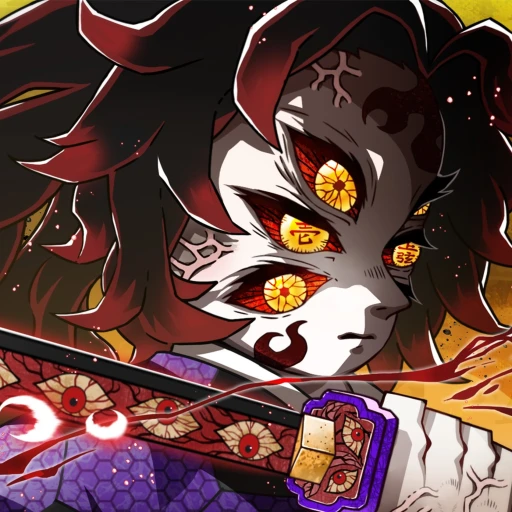
Roblox has become the home of Demon Slayer-inspired games, and two titles continue to dominate that space in 2026: Demon Blade and Demonfall. Both games let you walk the path of a breathing-style swordsman or embrace the darkness as a demon with Blood Demon Arts. Both have dedicated communities, active code systems, and enough content to keep you grinding for months. But they approach the Demon Slayer fantasy from fundamentally different angles.
Demon Blade, developed by DemonCube and launched in October 2023, channels the competitive side of the anime. Its PvP arenas, stat-driven progression, and weapon mastery systems attract players who want to test their skills against others. Demonfall, built by Fireheart Studio, is one of the original Demon Slayer games on Roblox -- a sprawling open world experience with NPC quests, story-driven content, and PvE combat that has accumulated billions of visits since its early days. If you have time for one Demon Slayer RPG, this comparison will help you pick the right one.
Demon Blade vs Demonfall -- Quick Stats (2026)
| Category | Demon Blade | Demonfall |
|---|---|---|
| Genre | Demon Slayer RPG / PvP | Demon Slayer RPG / Open World |
| Developer | DemonCube | Fireheart Studio |
| Place ID | 15014439457 | 8631905567 |
| Total Visits | Millions | Billions |
| Released | October 2023 | 2021 |
| Core Focus | PvP combat, competitive play | PvE exploration, story quests |
| Breathing Styles | Water, Thunder, Flame, Wind, Mist, Sound, more | Water, Thunder, Flame, Wind, Mist, more |
| Demon Path | Blood Demon Arts, PvP-focused | Blood Demon Arts, PvE-integrated |
| Clan System | Limited | Full clan system with bonuses |
| Codes Available | Yes -- regular releases | Yes -- regular releases |
| Mobile Support | Yes | Yes |
| Entry Cost | Free | Free |
Gameplay -- What Sets These Two Apart?
Demon Blade
Demon Blade throws you into the world of Demon Slayer with one clear priority: combat against other players. From the moment you pick your path -- Demon Slayer or Demon -- the game funnels you toward fights. The stat progression system lets you allocate points across strength, agility, endurance, and breathing power, and these allocations directly impact how you perform in PvP encounters. A strength-heavy Water Breathing user plays entirely differently from an agility-focused Thunder Breathing player, and figuring out which stat distribution matches your playstyle is part of the appeal.
The breathing style system in Demon Blade covers a wide roster. Water Breathing provides balanced offense and defense with fluid combo chains. Thunder Breathing delivers speed-based attacks that overwhelm opponents before they can react. Flame Breathing hits hard with aggressive, high-damage moves. Wind, Mist, and Sound styles each bring their own mechanical identity, giving you meaningful reasons to experiment across multiple characters. The weapon mastery system layers on top of breathing styles -- the more you fight with a specific weapon type, the stronger your attacks become, rewarding players who commit to a build rather than constantly switching.
PvP is the heartbeat of the experience. Ranked arenas, open-world duels, and faction-based skirmishes between demon slayers and demons keep the competitive loop tight. Winning fights earns progression rewards, and climbing the PvP rankings unlocks exclusive titles and cosmetic markers that show other players exactly how dangerous you are. The game respects your time in short sessions -- you can log in, fight three or four matches, earn meaningful progress, and log out within 30 minutes.
Demonfall
Demonfall takes the opposite approach. Instead of dropping you into arenas, it places you in an open world inspired by the Taisho-era Japan of the anime. You explore forests, villages, mountains, and caves while following a story that mirrors the Demon Slayer narrative. NPC quest givers send you on missions to hunt specific demons, find hidden items, train under breathing masters, and gradually build your power through PvE encounters rather than PvP competition.
The breathing style system in Demonfall is deeply woven into the world. Learning a new breathing technique requires finding the correct trainer NPC, meeting their stat requirements, and completing their challenges. Water Breathing's trainer is near water, predictably enough, while Thunder Breathing requires tracking down a reclusive master in a hard-to-reach location. This structure makes acquiring each breathing style feel like an accomplishment rather than a menu selection. Each style comes with 4-5 moves that chain together during PvE combat, and mastering the timing of these combos against increasingly difficult demon enemies is where the skill expression lives.
The clan system adds another dimension. When you create your character, you are assigned a clan that provides passive stat bonuses and, in some cases, unique abilities. Rare clans like Kamado, Agatsuma, and Tomioka offer meaningful gameplay advantages, and rolling for a desirable clan is part of the character creation process. This randomized element gives each new character a slightly different starting point and encourages players to experiment with builds that complement their clan bonuses.
Exploration drives the loop. The map is large enough that you will spend your first several hours simply discovering locations, finding hidden chests, and stumbling into NPC encounters you did not expect. Demonfall rewards curiosity in a way that PvP-focused games do not -- wandering off the beaten path often leads to rare items, secret training areas, or powerful demon bosses that drop exclusive loot.
Edge: Demon Blade for players who want fast, competitive PvP. Demonfall for players who want to explore an open world and progress through story content. These are fundamentally different game types wrapped in the same anime license.
Combat Systems -- PvP Focus vs PvE Depth
The combat in Demon Blade is built for player-versus-player encounters from the ground up. Every breathing style move is balanced around how it performs against a human opponent. Hitboxes are tuned for fair exchanges. Recovery frames after attacks create windows where skilled opponents can punish overcommitment. The stat system means that two players using the same breathing style can fight differently based on how they allocated their points -- a Thunder Breathing user with high agility closes distance and attacks in bursts, while one with high strength trades speed for devastating single hits.
Weapon mastery adds a secondary progression layer to PvP. As you accumulate fights with your chosen weapon, your attack speed, damage, and combo potential increase incrementally. After 500 fights with a katana, your character handles it noticeably better than someone who just started. This creates a natural skill curve where both mechanical skill and time investment contribute to your combat effectiveness. The best players combine mastered weapons with optimized stat builds and thorough knowledge of their breathing style's frame data.
Demonfall's combat system is designed around PvE encounters. The enemies you fight are NPCs -- lesser demons, boss demons, and environmental hazards that test your ability to read attack patterns and respond with the correct breathing technique. Boss fights are the highlight. Each major demon boss has unique attack patterns, phases, and weaknesses tied to specific breathing styles. A boss that is nearly impossible for a Flame Breathing user might be manageable for someone running Mist Breathing, encouraging players to either build specifically for certain fights or team up with friends who cover their weaknesses.
PvP does exist in Demonfall, but it functions more as an optional activity than a core pillar. You can fight other players in the open world, and demon players can ambush slayer players for faction-based conflict. But the combat mechanics were not primarily balanced for human-versus-human exchanges, which means PvP encounters can feel less polished compared to Demon Blade's purpose-built competitive system. Combo locks, balance discrepancies between breathing styles, and the advantage of higher-level players over lower-level ones make Demonfall's PvP more chaotic and less competitive.
Edge: Demon Blade for PvP. The combat system was built for it, and every mechanical decision reflects that priority. Demonfall's PvE combat is satisfying in its own right, but players looking for a fair competitive fighting experience will find Demon Blade more rewarding.
Breathing Styles and Demon Paths
Both games draw from the same source material, so the breathing style rosters overlap considerably. Water, Thunder, Flame, Wind, and Mist appear in both titles. Demon Blade adds Sound Breathing and a few additional styles that give it a slightly wider selection. Demonfall compensates with deeper integration of each style into the world -- learning a breathing technique in Demonfall requires finding the trainer, meeting prerequisites, and completing a quest chain rather than simply selecting it from a menu.
The demon path differs more substantially between the two games. In Demon Blade, choosing the demon route gives you access to Blood Demon Arts that function as PvP tools. Your demon abilities are designed to counter specific breathing styles, creating a rock-paper-scissors dynamic in competitive play. Demon players in Demon Blade tend to be aggressive fighters who rely on ability cooldowns and burst damage to overwhelm breathing-style users before they can establish their combo rhythm.
In Demonfall, the demon path is a full alternative progression system. You start as a weak demon and evolve through stages by consuming NPCs and completing demon-specific quests. Blood Demon Arts unlock as you grow stronger, and each art has its own skill tree with upgrades that enhance your PvE effectiveness. The demon experience in Demonfall feels like playing a different game entirely -- your objectives change, the NPCs interact with you differently, and the world presents different challenges compared to the slayer path. This makes Demonfall's demon route more replayable as a standalone experience, while Demon Blade's demon route is more of a competitive class choice.
Breathing Style Depth
Demon Blade gives each breathing style between 6 and 8 combat moves with distinct properties -- startup frames, active frames, recovery frames, and hitbox sizes that matter in PvP. Learning the frame data of your chosen style is part of climbing the competitive ranks. Water Breathing's Third Form, for example, has a fast startup that makes it a reliable punish tool, while Flame Breathing's Fifth Form is slow but deals enough damage to turn a fight in a single connection.
Demonfall's breathing styles have 4-5 moves each, with less emphasis on frame-level precision and more emphasis on visual spectacle and PvE utility. Moves are designed to deal with groups of NPCs, break boss armor phases, and create space when surrounded. The moves look and feel powerful -- sweeping slashes that clear entire rooms, concentrated thrusts that pierce through demon guards, and area attacks that control space during hectic encounters.
Edge: Demon Blade for competitive depth per style. Demonfall for the journey of earning each style and the demon path as a full alternative experience.
Progression and Replay Value
Demon Blade hooks you with rapid early progression. Your first few hours involve choosing your path, testing breathing styles, and jumping into PvP matches that immediately teach you the game's rhythm. Stats accumulate quickly in early levels -- you feel noticeably stronger after each play session during the first week. The mid-game grind arrives around level 40-50, where stat gains slow down and weapon mastery becomes the primary source of incremental improvement. At this stage, your growth comes less from numbers going up and more from your own skill improving as you learn matchups and refine your combos.
The endgame in Demon Blade is PvP rankings. Once your stats and weapon mastery are maxed, the game becomes purely about competitive skill. Ranked seasons reset periodically, giving you new goals to chase. Seasonal rewards -- exclusive skins, titles, and cosmetic effects -- provide tangible motivation to keep climbing. This model works for competitive players but leaves those who do not enjoy PvP with limited late-game options.
Demonfall's progression is slower and more exploration-driven. You can spend 3-4 hours in a single session without ever fighting another player, simply working through quest chains, discovering map locations, and training under NPCs. The pacing is deliberate -- you earn your power through the world rather than through matches. Reaching the endgame in Demonfall means having a fully developed breathing style, a maxed character build, and knowledge of the entire map. From there, you can hunt rare demon bosses for exclusive drops, help newer players through difficult areas, or start a new character with a different clan and breathing style.
Replay value splits along the same lines. Demon Blade's replay comes from trying different stat builds and breathing styles in PvP -- an agility Thunder Breathing character plays nothing like a strength Flame Breathing character. Demonfall's replay comes from the clan system, alternate breathing paths, and the demon route. A second playthrough as a demon in Demonfall feels genuinely different from a slayer playthrough, whereas Demon Blade's demon path is more of a variant within the same competitive framework.
Community and Player Base
Demonfall has the larger and more established community by a significant margin. With billions of total visits accumulated since 2021, it has a deep library of community-created guides, YouTube tutorials, tier lists, and Discord resources. Finding information about any aspect of the game -- optimal clan builds, breathing style trainer locations, boss strategies -- takes seconds because the community has documented everything extensively. The player base skews slightly older and more patient, reflecting the game's exploration-focused design. Server populations remain healthy across multiple time zones, and finding other players for group content is rarely an issue.
Demon Blade's community is smaller but intensely engaged. The competitive nature of the game creates a passionate subset of players who theory-craft stat builds, share PvP montages, and debate breathing style tier lists. The Discord server is active with matchmaking requests, tournament announcements, and balance discussion threads. Because the game launched in 2023, the community is still growing and evolving -- meta shifts happen more frequently as the developers balance breathing styles and stat scaling. This makes it an exciting time to join, since the competitive landscape is not yet fully settled.
Both games maintain active code systems. Demon Blade codes typically provide stat resets, experience boosts, and in-game currency. Demonfall codes offer similar rewards, including experience multipliers and rare items. Both development teams release codes during updates, milestones, and special events.
Graphics, Audio, and Atmosphere
Demonfall is the more atmospheric of the two games. Its open world captures the feel of Taisho-era Japan -- bamboo forests with dappled light, mountain paths that wind through fog, quiet villages where NPCs go about their routines, and dark caves where demon encounters feel genuinely tense. The environmental storytelling is strong. Walking through a destroyed village and finding the demon responsible creates a sense of narrative that PvP-focused games rarely achieve. The audio matches the mood, with ambient nature sounds during exploration and dramatic combat music during boss encounters.
Demon Blade prioritizes visual clarity over atmosphere. The arenas are clean and readable -- you can always see your opponent, track their movements, and identify which breathing style they are using from the visual effects of their attacks. This is a deliberate design choice that serves the competitive gameplay. In a PvP fight, visual clutter is the enemy of fair play. Character models are detailed enough to distinguish between weapon types and breathing styles at a glance, and attack animations have clear windups that skilled players can react to. The audio design reinforces combat readability with distinct sound effects for each breathing style, making it possible to identify incoming attacks by sound alone.
The trade-off is clear: Demonfall gives you a world to inhabit, while Demon Blade gives you an arena to compete in. Both accomplish their visual goals, but they are aiming at different targets.
Earning Potential -- Free Robux While You Play
Both Demon Blade and Demonfall pair well with an Earnaldo earning routine, though they fit into different parts of your schedule.
Demon Blade's session structure is ideal for quick earning breaks. A typical PvP session lasts 20-40 minutes -- you fight several matches, collect your rewards, and log out. The natural gaps between sessions are perfect windows for completing tasks on Earnaldo's earn page. Because Demon Blade does not demand extended play sessions, you can alternate between short gaming bursts and earning tasks without losing momentum in either activity. Any Robux you earn through Earnaldo can go toward game passes, stat resets, or cosmetic items.
Demonfall's longer sessions mean your earning windows fall between play days rather than between individual sessions. A typical Demonfall session runs 60-120 minutes as you work through quest chains and explore new areas. The best approach is to use Demonfall as your primary gaming time and complete Earnaldo tasks on separate occasions. The Robux you earn can fund game passes, character slot purchases, or be saved for future Roblox games. For detailed strategies, check our Demon Blade free Robux guide and Demonfall free Robux guide.
Earn Free Robux for Demon Blade or Demonfall
Complete simple tasks on Earnaldo and withdraw real Robux -- no downloads, no generators, no scams.
Head-to-Head Verdict -- Demon Blade vs Demonfall in 2026
The Verdict
Choose Demon Blade if you want a competitive Demon Slayer experience built around PvP combat. Its stat progression system, weapon mastery mechanics, and breathing style roster are all tuned for player-versus-player encounters. The game respects short sessions, gives you clear competitive goals through ranked play, and offers enough build variety to keep theorycrafting interesting for months. If testing your skills against other players is what excites you about the Demon Slayer universe, Demon Blade delivers that fantasy better than any alternative on Roblox.
Choose Demonfall if you want to lose yourself in an open world that captures the atmosphere and story of the anime. Its exploration-driven progression, NPC quest system, clan mechanics, and fully realized demon path create an experience that goes far beyond fighting. Demonfall is the game you play when you want to inhabit the Demon Slayer world rather than just compete in it. Its billions of visits and years of community support mean you will never lack for guides, teammates, or content.
Overall recommendation: There is no single winner here because these games serve different needs. Demonfall is the safer recommendation for most players -- its larger community, deeper PvE content, and exploration-focused design appeal to a wider audience. But Demon Blade is the better game for a specific player type: the competitive fighter who wants meaningful PvP with mechanical depth. The best approach, honestly, is to try both. They are both free to play, and spending an hour in each will tell you more about which one fits your playstyle than any comparison article can.
Who Should Play What?
- You want competitive PvP with real rankings: Demon Blade. Its entire progression system feeds into player-versus-player combat, and ranked seasons give you something to chase every month.
- You want an open world to explore at your own pace: Demonfall. The map is large, the quests are plentiful, and the world rewards curiosity over speed.
- You care about breathing style variety and frame data: Demon Blade. More styles, more moves per style, and combat mechanics designed for precision matchups.
- You want a meaningful demon path as an alternate playthrough: Demonfall. The demon route is a full secondary experience with its own progression, quests, and gameplay loop.
- You play in short sessions (under 30 minutes): Demon Blade. Queue into a PvP match, fight, earn rewards, and log out. No need for hour-long commitments.
- You play in long sessions and want to immerse yourself: Demonfall. The exploration and quest structure reward extended play sessions where you can follow story threads to completion.
- You are new to Demon Slayer Roblox games: Demonfall. Its PvE focus lets you learn breathing styles and combat mechanics without getting destroyed by experienced PvP players during your first hours.
- You already played Demonfall and want something different: Demon Blade. It takes the same anime inspiration in a completely different direction, and your Demonfall experience gives you a foundation for understanding breathing styles and demon mechanics.
For updated codes and earning guides, visit our Demon Blade codes page and Demonfall codes page to get free in-game rewards alongside your gameplay.
Frequently Asked Questions
Demonfall is significantly more popular by raw numbers, with billions of total visits and a larger concurrent player count compared to Demon Blade's millions of visits. Demonfall has been around since 2021 and established itself as one of the original Demon Slayer games on Roblox. Demon Blade launched in October 2023 and is growing steadily but has not yet matched Demonfall's total reach.
It depends on what you value. Demon Blade has a more PvP-focused combat system with stat progression, weapon mastery, and competitive matchmaking that rewards mechanical skill. Demonfall's combat leans toward PvE encounters with NPC enemies, boss fights, and story-driven battles. If you want to fight other players, Demon Blade is the stronger pick. If you prefer fighting challenging AI enemies in an open world, Demonfall delivers that experience better.
Yes, both games feature breathing styles inspired by the Demon Slayer anime. Demon Blade offers Water, Thunder, Flame, Wind, Mist, Sound, and additional styles. Demonfall includes a similar roster of breathing techniques. Both games also let you choose a demon path with Blood Demon Arts as an alternative to breathing styles.
Yes. Both games give you the choice between becoming a Demon Slayer or a Demon. As a Demon Slayer, you learn breathing styles. As a Demon, you unlock Blood Demon Arts with unique abilities. The demon path plays differently in each game -- Demon Blade focuses your demon abilities around PvP combat, while Demonfall integrates demon progression into its open world story and PvE encounters.
Demonfall is generally more beginner-friendly. Its open world structure, NPC quest system, and PvE focus let new players learn at their own pace without being thrown into competitive fights immediately. Demon Blade's PvP emphasis means you will encounter experienced players early and often, which can be frustrating for newcomers who have not yet learned their breathing style combos or stat allocation strategies.
Both games release codes periodically that give free in-game rewards like stat resets, experience boosts, and currency. Check the Earnaldo blog for updated Demon Blade codes and Demonfall codes lists. Codes expire frequently, so redeem them as soon as possible when new ones drop.