Last checked: June 10, 2026
Demon Slayer Tycoon Free Robux Guide (2026) — Breathing Styles, Combat & Tips
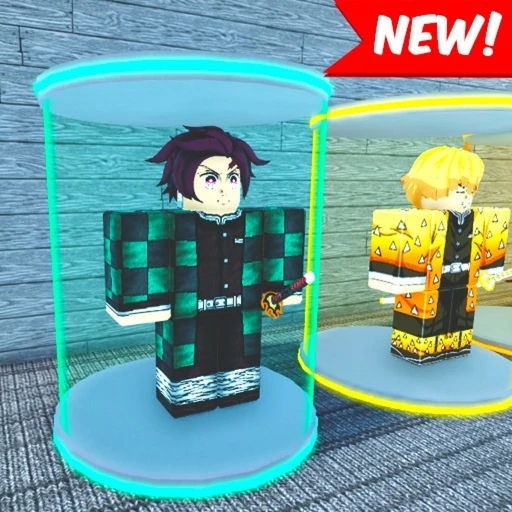
Demon Slayer Tycoon by anime tycoon studio combines two things Roblox players love: tycoon base-building and anime combat. Inspired by Kimetsu no Yaiba, the game lets you build your slayer headquarters, master breathing techniques like Water, Thunder, and Flame Breathing, fight demons and bosses, and battle other players in a 2-player combat system. Whether you're a fan of the anime or just looking for a tycoon game with actual combat depth, this guide covers everything — breathing style breakdowns, tycoon optimization, boss strategies, demon arts, and the smartest ways to progress without spending a single Robux.
Table of Contents
What Is Demon Slayer Tycoon?
Demon Slayer Tycoon is a 2-player combat-based tycoon game on Roblox (Place ID: 74882431545932) developed by anime tycoon studio. The game takes the Kimetsu no Yaiba universe and wraps it around a tycoon progression system, which sounds like it shouldn't work but actually creates a satisfying gameplay loop.
Here's how it plays: you start with an empty plot and step on buttons and pads to build out your slayer base. As your tycoon grows, you unlock breathing styles — the combat techniques from the anime — each with unique forms and attack chains. Water Breathing plays completely different from Thunder Breathing, which plays completely different from Flame Breathing. The variety here is real, not just cosmetic reskins.
The tycoon side generates Yen, the game's primary currency. Yen funds everything: new breathing style unlocks, base upgrades, dropper improvements, and progression through the rank system. The combat side is where you actually use those techniques against demons, bosses, and other players in the 2-player PvP system. Both halves feed each other. Stronger tycoons unlock better combat tools. Better combat clears harder content for bigger Yen payouts.
What makes Demon Slayer Tycoon stand out from the dozen other anime tycoon games on Roblox is the combat system. Each breathing style has multiple forms with distinct animations, hitboxes, and combo routes. This isn't just "press attack and watch numbers fly." You need to learn form timing, dodge windows, and matchup-specific strategies, especially in PvP.

Tycoon Base Building Guide
Your tycoon base is the economic engine that powers everything else in the game. Getting the build order right during your first few hours saves significant time in the long run.
Starting Your Base
When you first spawn, you'll see a series of buttons and pads on the ground around your empty plot. Each one builds a specific structure or unlocks a feature when you step on it. The first few buttons are free and set up your basic Yen droppers — the structures that passively generate currency over time.
Don't wander off to fight demons immediately. Spend the first 10-15 minutes stepping on every available pad to get your base economy running. The sooner your droppers are active, the more Yen you accumulate while doing other things. Every minute you delay base setup is Yen left on the table.
Dropper Upgrade Priority
Not all tycoon upgrades matter equally. Dropper tiers are the single most impactful investment you can make early on. Each dropper tier upgrade increases the Yen output per drop cycle, and these gains compound over time. A tier 3 dropper generates roughly 4x the Yen of a tier 1 dropper, so upgrading your existing droppers beats building new structures in most cases.
Follow this priority order for maximum Yen efficiency:
- Activate all free pads first. Get every basic structure online before spending Yen on anything else. Free income is free income.
- Upgrade your primary dropper to tier 2. This is usually the cheapest upgrade and gives the best Yen-per-Yen return in the game.
- Unlock your first breathing style pad. You need combat capability to farm demons, which feeds back into faster Yen generation.
- Push dropper tiers to tier 3. The Yen cost jumps here, but the income increase justifies it. Let your droppers run while you farm demons for bonus Yen.
- Expand into secondary structures. Storage upgrades, aesthetic buildings, and utility pads come after your core economy is stable.
Tycoon Layout Optimization
The layout of your base affects how quickly you can collect dropped Yen. Droppers deposit Yen on the ground, and you need to walk over it (or use collection pads) to bank it. Positioning your collection area near the center of your dropper cluster cuts collection time. Some players waste 20-30% of their potential income just by having inefficient collection routes.
Keep your dropper area compact. Spread-out bases look impressive but leak Yen when drops despawn before you can collect them. Function over form, at least until you've hit the late-game income brackets where overflow doesn't matter.
Breathing Style Tier List — 2026
Every breathing style in Demon Slayer Tycoon plays differently, and some are objectively stronger than others for specific content. Here's the current meta breakdown based on PvE boss farming and PvP performance.
S-Tier (Strongest Overall)
| Breathing Style | Strength | Why It's S-Tier |
|---|---|---|
| Thunder Breathing | Speed / Burst DPS | Fastest attack speed in the game. Thunderclap and Flash form closes distance instantly and chains into devastating combos. Dominates PvP and melts bosses during their vulnerability windows. |
| Flame Breathing | Raw Damage | Highest damage per form of any breathing style. Blazing Universe and Rengoku forms deal massive AoE damage. Best choice for clearing groups of demons quickly and dealing burst damage to bosses. |
A-Tier (Excellent Picks)
| Breathing Style | Strength | Why It's A-Tier |
|---|---|---|
| Water Breathing | Balance / Defense | Most well-rounded style in the game. Water Surface Slash is a reliable combo starter, Flowing Dance provides i-frames, and Constant Flux scales damage over extended fights. Best for learning the combat system. |
| Wind Breathing | Pressure / PvP | Relentless offensive pressure with multi-hit forms. Gale Slash covers wide angles, making it hard to dodge in PvP. Weaker against single-target bosses but excels in everything else. |
B-Tier (Solid but Situational)
Additional breathing styles that may be available or added through updates fall into the B-Tier category. These include niche styles that work well in specific matchups but lack the all-around dominance of the top picks. If the developers add Moon Breathing, Mist Breathing, or Insect Breathing in future updates, expect the tier list to shift. The game is still actively being developed, and balance patches change the meta regularly.

Breathing Style Recommendation
Start with Water Breathing. It's available first, teaches you the combat fundamentals, and remains viable in late-game content. Once you've mastered form timing and combo chains with Water, transition to Thunder Breathing for PvP or Flame Breathing for PvE boss farming. Trying to learn an advanced style without understanding the basics leads to frustration.
Mastering Breathing Techniques — Form-by-Form Guide
Knowing which breathing style to pick is step one. Actually using it well is where most players stall out. Each style has multiple forms, and chaining them together correctly is the difference between dealing average damage and deleting a boss health bar in seconds.
Water Breathing Forms
Water Breathing is the foundational style for good reason. Its forms cover every combat situation you'll encounter, and the defensive options give you room to make mistakes while learning.
Water Surface Slash (First Form) is your bread-and-butter combo opener. Fast startup, decent range, and chains into every other form cleanly. Use it to initiate fights in both PvE and PvP. Against demons, open with Water Surface Slash and immediately follow up with Flowing Dance for a guaranteed two-hit sequence.
Flowing Dance (Second Form) provides invincibility frames during the animation. This is your primary defensive tool. When a boss telegraphs a big attack, use Flowing Dance to phase through it while still dealing damage. In PvP, bait your opponent into committing to a heavy form, then Flowing Dance through their attack and punish from behind.
Constant Flux (Tenth Form) is Water Breathing's finisher. It deals damage that scales based on how long you've been in continuous combat, which makes it devastating in extended boss fights. The longer the fight goes, the harder Constant Flux hits. Against bosses with large health pools, this form outperforms everything else in the game.
Thunder Breathing Forms
Thunder Breathing is about speed and commitment. Its forms move fast, hit hard, and leave narrow dodge windows. When you land a Thunder combo, the fight is usually over. When you whiff, you're vulnerable.
Thunderclap and Flash (First Form) is the fastest gap-closer in Demon Slayer Tycoon. You cross the screen in a blink and deliver a high-damage strike. In PvP, this form catches opponents mid-animation when they try to use slower techniques. In PvE, it lets you dart between demon groups without wasting time walking.
Rice Spirit (Fourth Form) delivers a multi-hit slash combo that shreds single targets. It's your boss-killer form. The damage per second during Rice Spirit's active frames exceeds every other non-ultimate form in the game. Pin a boss in a corner with Thunderclap and Flash, then unload Rice Spirit for maximum damage output.
Thunder Breathing's weakness is recovery time. If your combo gets interrupted or you miss Thunderclap and Flash, the end-lag leaves you open for a punish. Against experienced PvP players, predictable Thunder openers get hard-read and countered. Mix up your timing — sometimes delay Thunderclap by half a second to throw off their dodge timing.
Flame Breathing Forms
Flame Breathing trades speed for raw power. Every form hits like a truck, and the AoE coverage means you rarely miss. The trade-off is slower startup on most attacks, which makes positioning and prediction more important.
Unknowing Fire (First Form) releases a forward burst of flame with wide horizontal coverage. It's harder to dodge than most first forms because of the hitbox width. Use it in PvP when your opponent tries to sidestep — the flame spread catches lateral movement that would dodge a sword swing.
Blazing Universe (Fifth Form) is the strongest AoE form available in any breathing style. It creates a fire zone around you that hits everything in range multiple times. Against demon groups, this single form clears entire waves. Against bosses, it deals consistent tick damage that adds up quickly. The downside is a long startup animation, so use it when the boss is locked in their own attack animation.
Rengoku (Ninth Form) is Flame Breathing's ultimate. It delivers a massive forward-charge strike that deals the highest single-hit damage in the game. Landing Rengoku on a boss during their stagger window can chunk 25-30% of their health bar in one hit. In PvP, it's a read-based finisher — you predict where your opponent will be, commit, and either win the fight or eat a counter-attack.
Demon Arts — The Alternative Path
Breathing styles aren't the only combat option in Demon Slayer Tycoon. Demon arts offer a completely different playstyle inspired by the demons and villains from the anime. Instead of precise sword techniques, demon arts give you supernatural abilities with unique properties.
How Demon Arts Work
Demon arts unlock separately from breathing styles through the tycoon progression system. Once you reach a certain tycoon tier, the demon art pads become available. Activating a demon art changes your combat moveset entirely — you're no longer using breathing forms, you're using Blood Demon Art attacks with different mechanics.
The core difference is how damage works. Breathing styles deal burst damage through form combos with cooldowns between chains. Demon arts deal sustained damage through persistent effects like poison zones, blood projectiles, and debuff stacks. A breathing style user kills you in a clean 3-form combo. A demon art user drains your health over 10 seconds while staying at range.
Should You Switch to Demon Arts?
For new players: no. Breathing styles are more straightforward, have better boss matchups, and teach you the fundamental combat timing that transfers to everything else. Demon arts punish positioning mistakes harder because their ranged abilities tempt you into a passive playstyle that bosses counter with gap-closing attacks.
For experienced players who've mastered at least one breathing style: demon arts open up interesting strategic options, especially in PvP. A demon art user who understands spacing and zoning can frustrate aggressive breathing style players by controlling the fight's pace. The matchup knowledge flows both ways — knowing how demon arts work makes you better at fighting against them, regardless of which side you're on.

Boss Fight Strategies
Boss demons in Demon Slayer Tycoon are the hardest content in the game and the most rewarding. Each boss has unique attack patterns, health pools, and vulnerability windows that require specific strategies to exploit.
General Boss Fighting Principles
Every boss in Demon Slayer Tycoon follows an attack cycle: they perform 2-3 offensive moves, then enter a brief recovery period where they're vulnerable to damage. Your job is to survive the offensive phase and then dump your highest-damage forms during the recovery window. Trying to trade hits during the boss's attack phase is the number one cause of death for new players.
- Learn the telegraph. Every boss attack has a visual wind-up animation. Watch the boss for 30 seconds before engaging to identify their pattern. Most bosses repeat a 3-attack cycle with the same sequence every time.
- Survive the attack phase. Use Water Breathing's Flowing Dance for i-frames, Thunder Breathing's Thunderclap to reposition, or simply walk out of range. Don't try to deal damage here.
- Punish the recovery window. When the boss finishes their cycle and pauses, unload your damage forms. Flame Breathing's Blazing Universe and Thunder Breathing's Rice Spirit deal the most damage during these windows.
- Reset and repeat. Back off before the next attack cycle starts. Getting greedy with one extra form during the transition kills more players than the actual boss attacks do.
- Bring a partner. The 2-player combat system was designed with bosses in mind. One player draws aggro while the other deals free damage from behind. Alternate roles between attack cycles for optimal clear times.
Early Boss Tips
The first few bosses you encounter are tuned to be beatable with Water Breathing at tier 2 tycoon level. Don't over-invest in upgrades trying to outlevel them. The bosses reward mechanical skill more than raw stats. A player with practiced combo timing and a tier 2 tycoon can clear content that a sloppy player with a tier 4 tycoon struggles with.
If a boss feels impossible, the answer is almost always "learn the pattern better" rather than "grind more Yen." That said, having your dropper tiers maxed out before attempting late-game bosses is recommended. The Yen rewards from boss kills increase with each boss tier, creating a natural progression curve.
Late-Game Bosses
End-game bosses have extended attack cycles, multi-phase health bars, and attacks that cover the entire arena. These fights last 3-5 minutes even with optimal play, and a single mistake can end your run. Flame Breathing with Rengoku timing is the meta for speedrunning late bosses — land Rengoku during the stagger window after breaking the boss's guard, and you skip significant portions of their health bar.
Thunder Breathing players should treat late bosses as endurance fights. Use Thunderclap and Flash to reposition constantly, chip damage with Rice Spirit during short windows, and avoid committing to long combos. Thunder's speed advantage matters more here than raw damage because the dodge windows shrink as boss difficulty increases.
2-Player PvP Combat Guide
The PvP system in Demon Slayer Tycoon is where the combat depth really shows up. Fighting another player who knows the same breathing forms as you is a completely different experience from farming demons, and it requires a different mindset.
PvP Fundamentals
PvP in Demon Slayer Tycoon comes down to three skills: spacing, read timing, and combo knowledge. Spacing means maintaining the right distance for your breathing style — Thunder wants to be close, Flame wants to be at mid-range, and Water adapts to whatever the opponent gives. Read timing means predicting when your opponent will commit to an attack and punishing their end-lag. Combo knowledge means executing your forms cleanly under pressure without dropping inputs.
Breathing Style PvP Matchups
| Matchup | Favored | Strategy |
|---|---|---|
| Thunder vs. Water | Thunder (60-40) | Thunder's speed overwhelms Water's defensive tools. Water players need to bait Thunderclap whiffs and punish with Constant Flux scaling damage. |
| Flame vs. Thunder | Flame (55-45) | Flame's wide hitboxes catch Thunder's linear dashes. Thunder needs to bait Blazing Universe's long startup and punish from the side. |
| Water vs. Flame | Water (55-45) | Water's Flowing Dance i-frames phase through Flame's slow attacks. Water wins by extending fights and using Constant Flux's scaling damage. |
| Wind vs. Thunder | Even (50-50) | Both styles rely on speed and commitment. Whoever lands the first clean hit usually wins. Pure skill check matchup. |
| Demon Arts vs. Breathing | Breathing (60-40) | Breathing styles close distance faster and deal burst damage. Demon art users need to maintain range and stack debuffs before the breathing user reaches them. |
Common PvP Mistakes
The biggest PvP mistake is opening with your strongest form. Rengoku and Thunderclap and Flash are the highest-damage openers, but experienced opponents expect them. Open with a lighter form to gauge your opponent's reaction speed, then escalate into your kill combo once you've identified their habits.
The second biggest mistake is panic-dodging. When you see an attack coming, your instinct is to dodge immediately. Good PvP players delay their attack timing by a fraction of a second to catch panic dodges. Train yourself to wait until the attack actually starts before dodging, not when you think it might start.
Yen Farming & Progression Tips
Yen is the lifeblood of your progression in Demon Slayer Tycoon. Every unlock, upgrade, and breathing style requires Yen, and the difference between efficient and inefficient farming is the difference between progressing smoothly and hitting a wall.
Passive Income Optimization
Your tycoon droppers are your primary Yen source during the early and mid game. The math is straightforward: higher dropper tiers produce more Yen per cycle, and upgrading droppers compounds over every minute you're in-game. A single session with maxed tier 3 droppers generates 3-4x the Yen of the same session with tier 1 droppers. Always prioritize dropper upgrades over cosmetic tycoon additions.
Active Demon Farming
Fighting regular demons around the map is your secondary Yen source and the fastest way to supplement passive income. Each demon kill drops a fixed amount of Yen plus a small random bonus. The key is efficiency — kill speed matters more than demon difficulty for pure Yen farming. Use your fastest breathing forms to clear standard demons quickly rather than chasing hard enemies that take three times longer to kill for only marginally better rewards.
Water Breathing's Water Surface Slash into Flowing Dance kills standard demons in two forms. Thunder Breathing's Thunderclap and Flash one-shots most regular demons at higher tycoon tiers. For raw Yen-per-minute, Thunder Breathing farmers consistently outpace other styles because of Thunderclap's instant kill-and-reposition capability.
Boss Kill Rewards
Boss kills reward the largest single Yen payouts in the game, but they take time and carry failure risk. A successful boss kill at mid-game rewards 5-10x the Yen of a standard demon kill. Late-game bosses pay even more. The catch is that failed boss attempts reward nothing, so only fight bosses you can reliably clear.
The most Yen-efficient approach changes as you progress:
- Early game (tycoon tier 1-2): Focus entirely on dropper upgrades and standard demon farming
- Mid game (tycoon tier 3-4): Add boss kills to your rotation once you can clear them reliably
- Late game (tycoon tier 5+): Boss farming becomes your primary active income source while droppers handle passive generation

Rank Progression System
Demon Slayer Tycoon mirrors the anime's ranking system, letting you climb from the lowest slayer rank to the Hashira-level elite. Rank progression is tied to a combination of tycoon level, combat performance, and specific milestones.
How Ranks Work
Your rank determines what content you can access, which breathing styles you can unlock at higher tiers, and your base stats in combat. Higher ranks give passive damage and defense bonuses that stack with your breathing style's inherent power. The ranking system follows the Demon Slayer Corps hierarchy from the anime: Mizunoto, Mizunoe, Kanoto, Kanoe, Tsuchinoto, Tsuchinoe, Hinoto, Hinoe, Kinoto, Kinoe, and eventually Hashira-tier ranks.
Each rank requires meeting three conditions: reach a specific tycoon tier, defeat a designated boss, and accumulate a threshold amount of total Yen earned. The tycoon tier requirement scales linearly. The boss requirement introduces new fight mechanics at each rank. The Yen threshold ensures you've engaged with the tycoon economy enough to sustain your combat progression.
Rank-Up Tips
Don't rush rank-ups. Each rank introduces harder demon spawns in your area, which means your farming efficiency drops if your combat skills aren't ready. Level up your breathing style proficiency before pushing for the next rank. A skilled Kanoto-rank player farms faster than a sloppy Tsuchinoe-rank player because they clear demons more efficiently despite the lower base stats.
The Hashira-equivalent ranks at the top of the system require mastery of at least two breathing styles and completion of every boss in the game. These are long-term goals, not something you'll reach in a weekend. Treat them as milestones that naturally arrive when your skill and tycoon level are both ready.
Related Anime Game Guides
If Demon Slayer Tycoon hits the right notes for you, these other anime-themed Roblox games offer similar combat depth with different settings and mechanics. Each guide covers strategies, tier lists, and progression paths at the same level of detail.
- Demonfall Free Robux Guide (2026) — Another Demon Slayer-inspired game with open-world exploration and breathing style combat
- Anime Defenders Free Robux Guide (2026) — Tower defense meets anime heroes with deep unit rankings and wave strategies
- Blox Fruits Free Robux Guide (2026) — Fruit abilities, sea combat, and PvP bounty hunting in an anime-inspired open world
- Jujutsu Shenanigans Free Robux Guide (2026) — Jujutsu Kaisen-inspired combat with curse abilities and arena PvP
Want Free Robux for Demon Slayer Tycoon?
Earnaldo lets you earn free Robux by completing simple tasks. Use those Robux toward game passes, developer products, or any other Roblox purchase — no credit card needed.
Frequently Asked Questions — Demon Slayer Tycoon (2026)
Demon Slayer Tycoon is a 2-player combat-based tycoon game developed by anime tycoon studio on Roblox. Inspired by Kimetsu no Yaiba, players build a tycoon base, master breathing techniques like Water, Thunder, and Flame Breathing, unlock demon arts, and battle demons, bosses, and other players. It combines tycoon economy mechanics with anime-style combat.
Thunder Breathing and Flame Breathing are the S-Tier picks in the current meta. Thunder Breathing dominates PvP with its speed and Thunderclap and Flash gap-closer. Flame Breathing leads PvE with the highest raw damage output through Blazing Universe and Rengoku forms. Water Breathing is the best all-around starter style with strong defensive options through Flowing Dance's invincibility frames.
Breathing styles unlock through tycoon progression. Step on buttons and pads in your tycoon base to earn Yen and build structures. As you reach higher tycoon tiers, breathing style pads become available. Water Breathing is the first style you can access. Advanced styles like Thunder and Flame Breathing require higher tycoon levels and more Yen investment.
The 2-player combat system lets you fight other players using your breathing techniques or demon arts. Combat relies on timing your forms, dodging attacks, and chaining combos. Each breathing style has multiple forms with different hitboxes, speeds, and recovery times. Learning matchups matters — Thunder beats Water in speed, Water outlasts Flame with scaling damage, and Flame catches Thunder with wide hitboxes.
Start with breathing styles. They're more accessible, deal better burst damage, and teach the combat fundamentals that transfer to everything else in the game. Demon arts are better suited for experienced players who want a ranged, debuff-focused playstyle. Master at least one breathing style before experimenting with demon arts to get the most out of both systems.
Boss fights follow an attack-recovery cycle. Survive the boss's 2-3 attack sequence, then dump your highest-damage forms during their recovery window. Water Breathing's Flowing Dance provides i-frames to survive the attack phase. Thunder Breathing's Rice Spirit deals the most damage during recovery windows. Using the 2-player system with a partner, alternating aggro and damage roles, makes boss fights significantly more manageable.
Combine passive tycoon income with active demon farming. Upgrade your dropper tiers as early as possible for maximum passive Yen generation. Farm standard demons with fast breathing forms like Thunderclap and Flash for active income. Once you can reliably clear bosses, add them to your rotation for the biggest single Yen payouts. The total Yen earned also counts toward rank progression thresholds, so spending on upgrades doesn't slow your rank advancement.
Yes. All breathing styles, demon arts, bosses, and progression content can be accessed without spending Robux. Game passes and developer products may speed up progression or offer cosmetic benefits, but nothing is locked behind a paywall. Free players can reach the highest ranks and master every breathing style through regular gameplay.