Desert Detectors Free Robux Guide (2026) -- Tips, Codes & Strategy
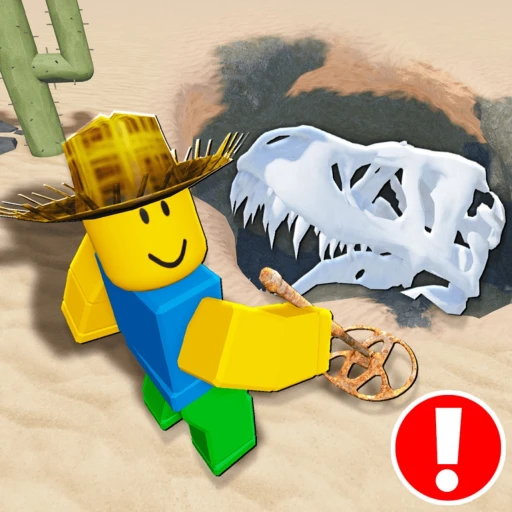
Desert Detectors is a metal-detecting treasure-hunting game by Diggin' Devs where you sweep the desert, locate buried relics, charge your dig, and strike the ground to unearth them. Find the loot, sell it to NPCs like Buffalo Bill or Abigail for coins, and pour those coins into better gear so you find even rarer treasure. There's a twist, though: other players can snatch your findings before you cash out, and you can do the same to them. This 2026 guide breaks down the full detect, charge, dig, and sell loop, how to read hotspots and time the power meter, how to handle the steal mechanic, the smartest gear and leveling order, the honest code situation, and how to bank real Robux on the side.
What's in this guide
Getting Started
Desert Detectors hands you a metal detector and a stretch of open desert, and the pitch is simple: there's treasure buried under the sand, and your job is to find it, dig it up, and sell it. Every relic you unearth turns into coins, and those coins buy better gear that helps you find more and better treasure. It's a satisfying loop because the feedback is constant, you're always either scanning, digging, or selling.
The first thing to understand is that the whole game runs on one core sequence: detect, charge, dig, sell. You sweep the desert with your detector to locate a hotspot, charge up a dig by holding the mouse, strike the ground, switch to your shovel to dig the item out while managing a power meter, then carry your find to an NPC and sell it for coins. Get that rhythm down and everything else, the gear, the leveling, the PvP, builds on top of it.
When you first load in, spend a minute getting oriented before you start swinging. Equip your detector, walk a bit to see how it signals nearby treasure, and find where the selling NPCs stand so you know where to cash out. Here's the order we'd run on a fresh start:
- Equip your metal detector and head into the desert to start scanning the ground.
- Watch for the detector's signal and the exclamation mark that marks a treasure hotspot.
- Hold the left mouse button to charge your dig, then release to strike the ground.
- Switch to your shovel and dig the item out, managing the power meter as you go.
- Carry your unearthed treasure to Buffalo Bill or Abigail and sell it for coins.
- Spend those coins on better gear once you've leveled enough to unlock it.
Controls are standard Roblox fare with one important wrinkle: the left mouse button is your charge-and-strike input. Hold it to charge your dig, release to strike. You move around with WASD on PC or the on-screen stick on mobile, switch between detector and shovel from your toolbar, and interact with NPCs by walking up to them. There's no complicated combat system to learn, the skill is in reading hotspots, timing your digs, and deciding when to sell before someone steals your haul.
The Detect, Charge, Dig, Sell Loop
Everything in Desert Detectors flows from one loop: detect a hotspot, charge your dig, dig the item out, then sell it for coins. Each stage feeds the next, and the players who earn fastest are the ones who run this loop cleanly and repeatedly instead of getting stuck on any single step.
Detect
You start every cycle by equipping your metal detector and walking the desert. The detector reacts as you get near buried treasure, and a hotspot reveals itself, typically with an exclamation mark over the spot on the ground. That mark is your cue that something's worth digging right there. The better your detector, the more reliably and quickly you'll surface good hotspots, which is why the detector is the single most important piece of gear in the game.
Charge
Once you're standing on a hotspot, you charge your dig by holding down the left mouse button. The charge builds while you hold, and releasing it strikes the ground. This is where the game asks for a little timing instead of just clicking, a well-charged strike breaks into the buried spot properly, so don't just tap the button and expect a clean dig. Hold, let the charge build, then release to strike.
Dig
After you strike, switch to your shovel to actually dig the item out. Digging is governed by a power meter that you have to manage, so each swing lands cleanly and you make steady progress toward the buried relic. Rushing the meter or mistiming it slows you down, so treat the dig as a short skill check rather than spam. Keep at it until the treasure is fully unearthed and added to your inventory.
Sell
A treasure sitting in your inventory is worth nothing until you cash it in. Carry your find to a selling NPC, Buffalo Bill or Abigail, and sell it for coins. The value depends on what you dug up, with rarer relics paying out more. This is also the riskiest stretch of the loop, because while you're carrying loot to an NPC, another player can try to snatch it. Sell promptly and you close the loop safely; dawdle and you risk handing your haul to a thief.
Finding Hotspots & Timing the Dig
The two skills that separate a slow hunter from a fast one are reading hotspots and timing the dig. Both come quickly with practice, and both directly raise your coins-per-minute.
Reading the exclamation marks
As you sweep the desert with your detector equipped, watch the ground for the exclamation mark that signals buried treasure. That mark is the game telling you exactly where to dig, so it pays to keep your eyes on the terrain rather than running blindly. Cover ground efficiently, sweep in a steady pattern across an area rather than doubling back over spots you've already cleared, and you'll surface hotspots faster. A stronger detector widens how reliably you pick up these signals, which is the main reason an early detector upgrade is so valuable.
Charging the strike
Once you're on a hotspot, the charge is a hold-and-release input on the left mouse button. Holding builds the charge; releasing strikes. The point is to break into the buried spot with a properly charged strike rather than a weak tap, so give the charge a moment to build before you let go. After a clean strike, you've opened the ground and can move to the shovel stage.
Managing the power meter
Digging with the shovel runs on a power meter you have to manage. The idea is to keep each swing landing in the effective part of the meter so you make steady progress instead of stalling. Think of it like a rhythm: find the timing that keeps the meter where it's most effective and the relic comes out faster. Mistime it and you'll waste swings. This is the one mechanical skill in the game worth deliberately practicing, because every second shaved off a dig is more loop cycles per session.
- Sweep in patterns, not loops. Cover fresh ground steadily instead of circling spots you've already cleared.
- Let the charge build. A held charge strikes the ground better than a quick tap, so don't rush the release.
- Ride the meter's sweet spot. Keep your shovel swings landing in the effective zone of the power meter for the fastest dig.
- Finish what you start. Stay on a dig until the item is fully out, since a half-dug treasure earns you nothing.
Selling to Buffalo Bill & Abigail
Coins only enter your account when you sell, so the selling NPCs are the heart of your income. Desert Detectors gives you NPCs like Buffalo Bill and Abigail to sell your discovered treasures to, and walking a find over to one of them is what converts a buried relic into spendable coins.
The value of a sale depends on what you dug up. Rarer, more valuable relics sell for more, which is exactly why upgrading your detector to surface better hotspots feeds straight into bigger payouts. The chain is direct: a stronger detector finds rarer treasure, rarer treasure sells for more coins, and more coins buy better gear. Selling is the moment that whole chain pays off.
Timing your sells matters too. Because other players can snatch your findings before you cash out, the smart habit is to sell often rather than carrying a backpack full of loot around the map. Each trip to Buffalo Bill or Abigail locks in your coins permanently, and once they're in your account, no one can take them. Treat selling as the safe checkpoint at the end of every short hunting run.
The Steal & PvP Angle
Desert Detectors isn't a purely peaceful digging game, it has a PvP steal element baked in. Other players can try to snatch your findings, and you can claim theirs in turn. That single mechanic changes how you should play in a populated server, because a great dig means nothing if someone grabs the relic before you sell it.
Protecting your own loot
The core defense is speed. The less time a treasure spends in your hands between digging it up and selling it, the smaller the window anyone has to steal it. So sell quickly, especially after a valuable find, and stay aware of who's nearby when you're mid-dig. If you spot another player hovering while you're unearthing something, it's often worth making a beeline to the nearest NPC the moment the item pops out. Hunting in a quieter corner of the map, away from clusters of players, also cuts down on the chances anyone's watching.
Claiming other players' finds
The flip side is that you can do the stealing too. If you'd rather hunt opportunistically than dig everything yourself, you can watch for players who've just unearthed something and try to snatch it before they reach a selling NPC. It's a legitimate way to play, and in a busy server it can be faster than digging from scratch, though it makes you a target for the same treatment. Most players blend both, dig their own loot most of the time, and pounce on an easy steal when one presents itself.
Gear Upgrades & Leveling (XP vs Cash)
Progression in Desert Detectors runs on two separate currencies that do different jobs, and understanding the split is key to upgrading efficiently. XP levels you up and unlocks new gear, while Cash (coins from selling treasure) is what you spend to actually buy that gear. In other words, XP decides what you're allowed to use, and Cash pays for it.
That two-track system means you have to keep both rising. You earn XP by playing, detecting, digging, and selling, and you earn Cash by selling your finds. If your level lags, you'll have coins but nothing new to spend them on; if your coins lag, you'll unlock gear you can't yet afford. The healthiest progression keeps you leveling through play while banking enough coins to grab each new unlock as it opens.
What to upgrade first
When you can afford an upgrade, the detector should usually come first. A better metal detector helps you locate hotspots faster and surface more valuable treasure, which raises the value of everything you dig and feeds straight back into your coin income. After that, a stronger shovel that makes the dig power meter easier to manage is the natural next step, since it shortens every dig and lets you run more loops per session.
| Upgrade | What it does | Priority |
|---|---|---|
| Better metal detector | Finds hotspots faster, surfaces more valuable treasure | First -- raises income at the source |
| Stronger shovel | Makes the dig power meter easier to manage, shortens digs | Second -- more loops per session |
| Higher-tier gear unlocks | Gated behind XP level, bought with Cash | As you level -- grab each new unlock you can afford |
The guiding principle is to spend on whatever raises your coins-per-minute most. A detector that finds rarer relics pays for itself through bigger sales, and a shovel that speeds up digs pays for itself through more digs per hour. Cosmetic or convenience choices can wait until your income is healthy.
Tips & Strategy
Early game: learn the loop, sell fast
Your first sessions are about getting the detect, charge, dig, sell rhythm into muscle memory. Don't overthink rarity yet, just dig everything you find and sell it to build your first coin stack and rack up XP.
- Run short loops. Dig a find, sell it, repeat. Frequent selling builds coins safely and teaches you the NPC routes.
- Practice the power meter. Spend the early game getting your shovel timing down, since clean digs are the foundation of every later strategy.
- Level toward your first gear unlock. Keep playing to push your XP up so you can buy a better detector as soon as the coins allow.
- Don't carry loot around. In the early game you're easy prey, so sell before you wander far from an NPC.
Mid game: upgrade the detector, hunt smarter
Once you've got a coin cushion and a few levels, the goal shifts to raising the quality of what you find. This is where a detector upgrade transforms your income, because better hotspots mean rarer treasure and bigger sales.
- Prioritize the detector. It's the upgrade that raises the value of everything you dig, so buy it the moment you can.
- Sweep efficiently. Cover fresh desert in steady patterns to surface more hotspots per minute.
- Mind the steal. With more valuable finds in hand, the PvP risk rises, so sell rarer relics quickly.
- Balance XP and Cash. Keep leveling so you don't end up with coins and nothing new to unlock.
Late game: optimize and defend
Deeper into a save, you've got strong gear and you're finding valuable relics regularly. Now it's about squeezing efficiency out of every cycle and protecting high-value loot from rivals.
At this stage, your dig timing should be sharp enough that the power meter rarely slows you down, and your detector should be surfacing the kind of treasure that makes each sale meaningful. Plan your hunting routes so you're always within a quick walk of Buffalo Bill or Abigail, because the more valuable your finds get, the more painful a steal becomes. A late-game player who chains clean digs into fast sells, while staying aware of nearby players, will out-earn someone with the same gear who plays sloppily.
This is also when opportunistic PvP becomes worth more. With sharp instincts for the map, you can both defend your own digs and pounce on a rival who's just unearthed something valuable. Just remember it cuts both ways, the better your loot, the more you become a target yourself.
Game Passes & Monetization
The honest picture: Desert Detectors is built around earned progression, coins from selling treasure and gear unlocked through XP, and any paid items are convenience perks rather than requirements. We're not going to invent specific Robux prices or pass names we can't confirm, so treat the table below as "what's typical for a digging game like this," and check the in-game shop for the exact current passes and costs.
What's confirmed is that core progression isn't locked behind a purchase. You find treasure with your detector, dig it with your shovel, sell it to NPCs for coins, and unlock gear by leveling. The monetization, whatever it includes, is about speeding that up, not gating it.
| Typical pass / perk | What it might do | Confirmed? |
|---|---|---|
| Coins / cash boost | Speeds up how fast you earn from sales | Not confirmed -- check in-game shop |
| XP / level boost | Levels you up faster to unlock gear sooner | Not confirmed -- check in-game shop |
| Extra inventory / luck | Carry more or improve find quality | Not confirmed -- check in-game shop |
| Cosmetic items | Visual flair with no gameplay impact | Not confirmed -- check in-game shop |
The takeaway: nothing we can confirm is required to progress in Desert Detectors. If you decide to spend, open the in-game shop and read the actual current offers and prices rather than trusting made-up numbers. Game monetization shifts with updates, so what's there today may differ next month.
Desert Detectors Codes
Here's the straight answer: as of June 17, 2026, there are no active Desert Detectors codes. The two past codes, Allen and David, which gave Coins and XP, have both expired. We'd rather tell you that plainly than list fake codes that waste your time, and we update this guide when new ones go live.
| Code | Reward | Status |
|---|---|---|
| Allen | Coins / XP | Expired |
| David | Coins / XP | Expired |
New codes get posted to the Diggin' Devs Roblox group and the Desert Detectors Discord in the 'codes' channel, usually around updates and milestones. When one drops, here's exactly how to redeem it: open the Menu button, scroll down to the Codes box, type the code in, and press Enter. Codes tend to expire fast in games like this, so grab any new one the moment you see it. For the live status and the full redeem walkthrough, see our dedicated Desert Detectors codes page.
Earning Real Robux
Coins, XP, and a sharp dig loop hand you everything you need inside Desert Detectors, but none of that is Robux. If you want actual Robux for any optional passes Desert Detectors sells, or anything else across Roblox, that's a separate pipeline from the treasure grind.
Earn Free Robux with Earnaldo
Earnaldo lets you rack up real Robux by completing simple tasks, offers, and surveys, then withdraw straight to your account. It's a clean way to fund the extras you actually want.
Run both tracks at once and you're covered. Let your detector, clean digs, and steady sells handle your in-game coins, and use Earnaldo Robux for any optional passes you'd otherwise skip.
If you like digging and treasure-hunting games, there's plenty more to read. See how this game stacks up in our Dig vs Desert Detectors comparison, or jump to the Desert Detectors hub for every article in one place. For more digging strategy, our Dig guide, Prospecting guide, and Fisch guide are all worth a look.
Frequently Asked Questions
Equip your metal detector and walk the desert until it signals a treasure hotspot, usually shown by an exclamation mark over a spot on the ground. Hold the left mouse button to charge your dig, release to strike, then switch to your shovel and manage the power meter until the buried item is unearthed.
You earn coins by selling the treasures you dig up to NPCs like Buffalo Bill or Abigail. The rarer and more valuable the relic, the more coins it sells for, so the fastest income comes from finding strong hotspots, digging cleanly, and selling often rather than hoarding finds.
Yes. Desert Detectors has a PvP steal element where other players can try to snatch your findings before you sell them, and you can do the same to theirs. The safest play is to sell valuable items quickly and stay aware of who's nearby when you're mid-dig in a busy server.
As of June 17, 2026 there are no active Desert Detectors codes. The past codes Allen and David, which gave Coins and XP, have expired. New codes are posted to the Diggin' Devs Roblox group and the Desert Detectors Discord 'codes' channel, and you redeem them through the Menu button's Codes box.
You earn XP as you play, and leveling up unlocks access to new gear. Cash, earned by selling treasures, is what you spend to actually buy that gear. So XP gates what you're allowed to use, and Cash pays for it, which means you need to keep both rising together.
Prioritize a better metal detector early, since it helps you locate hotspots faster and find more valuable treasure. A stronger shovel that makes the dig power meter easier to manage is the next priority. Both upgrades pay for themselves by speeding up your coins-per-minute.
No. Coins and XP are earned entirely through detecting, digging, and selling treasure, and gear unlocks through leveling. Any game passes are optional convenience perks, so a free player who learns the dig loop and sells consistently can progress fully without spending Robux.
Upgrade your detector so you spot stronger hotspots, dig cleanly by timing the power meter, and sell to Buffalo Bill or Abigail often instead of carrying loot around where it can be stolen. Leveling unlocks better gear, which raises the value of what you find, compounding your coins over time.
About This Guide
This guide reflects Desert Detectors as of June 17, 2026, a metal-detecting treasure-hunting game by Diggin' Devs where you detect hotspots, charge and strike to dig, and sell relics to NPCs for coins. Because games like this update over time, the gear lineup, NPC roster, code status, and any pass offerings can shift, so check the in-game shop and Menu for the latest. You can play it on its official Roblox page, and the community-maintained Desert Detectors wiki is a useful reference for relics and gear as new content rolls out.