Dragon Ball Rage vs The Strongest Battlegrounds (2026) -- Which Roblox Game Is Better?
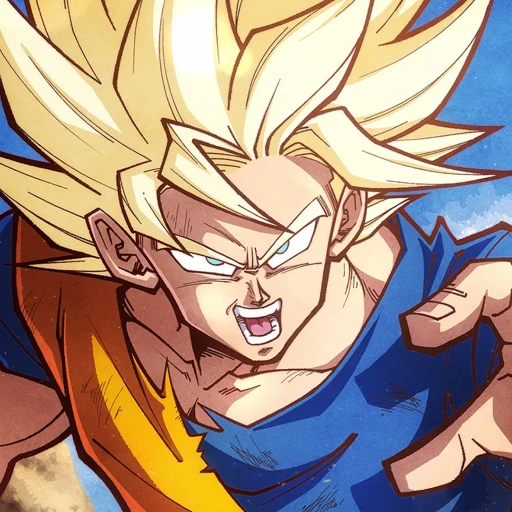
Two of the most popular anime fighting games on Roblox take radically different approaches to the genre. Dragon Ball Rage is a veteran RPG that channels the Dragon Ball Z fantasy — train your stats, unlock Super Saiyan transformations, fly across an open world, and blast opponents with ki attacks. The Strongest Battlegrounds is a modern arena brawler inspired by One Punch Man that focuses entirely on real-time PvP combat, tight combos, and mechanical skill. One game rewards the hours you put into grinding. The other rewards how fast your fingers move during a fight.
Between them, these two titles have accumulated well over 17 billion total visits. Dragon Ball Rage has been a staple of the platform since 2016, while The Strongest Battlegrounds has exploded in popularity since its launch, regularly pulling 120,000 or more concurrent players. This comparison breaks down every meaningful difference so you can decide which game deserves your time — or whether both belong in your rotation.
Dragon Ball Rage vs The Strongest Battlegrounds — Quick Stats (2026)
| Category | Dragon Ball Rage | The Strongest Battlegrounds |
|---|---|---|
| Genre | Anime fighting RPG | Anime PvP brawler |
| Place ID | 71315343 | 10449761463 |
| Developer | iDracius | Nuclear Games |
| Total Visits | 956M+ | 16B+ |
| Concurrent Players | ~2,000–5,000 | ~120,000 |
| Core Loop | Train, transform, fight, explore | Fight, combo, rank up |
| Progression Type | Stat-based RPG grinding | Skill-based improvement |
| Flight System | Full free flight | No (aerial moves only) |
| Transformations | SSJ, SSJ2, SSJ3, SSJ God, LSSJ, SSJ5+ | Character-specific ultimates |
| Mobile-Friendly | Decent | Playable but harder |
| Free-to-Play | Partially (passes unlock forms) | Yes |
Gameplay — What Do You Actually Do?
Dragon Ball Rage
Dragon Ball Rage drops you into a sprawling open world that recreates iconic Dragon Ball locations. Your character starts weak — laughably weak. The entire early game revolves around training: punching trees, doing pushups, meditating to raise your ki, and gradually increasing your power level from the hundreds into the millions. It is a slow burn that deliberately mirrors the anime's training arcs, and whether that appeals to you depends entirely on your tolerance for repetition.
Once your stats reach certain thresholds, you unlock transformations. Super Saiyan is the first milestone, and reaching it for the first time still delivers a genuine rush. Your hair turns gold, your aura flares, and your damage output jumps dramatically. From there, the transformation chain extends through SSJ2, SSJ3, and eventually into god-tier forms like SSJ God and beyond. Each transformation requires higher base stats to maintain, creating a constant carrot-on-a-stick motivation loop.
Combat in Dragon Ball Rage is built around ki blasts, melee attacks, and transformation-boosted specials. You can fly freely across the map, engage in aerial battles, fire energy beams, and use signature moves like the Kamehameha. PvP happens organically in the open world — you spot another player, power up, and fight. There are no matchmaking queues or ranked ladders. The combat system is functional but comparatively simple. Fights tend to come down to who has higher stats and a better transformation rather than who executes more precise inputs.
The Strongest Battlegrounds
TSB wastes no time on grinding. You pick a character from a roster of anime-inspired fighters — each based on recognizable archetypes from One Punch Man and similar series — and you fight. The game is a pure PvP experience built on a foundation of light attacks, heavy attacks, special abilities, dashes, and blocks that chain together into combos. There is no power level to raise, no training dummy to punch for hours. Your effectiveness in TSB is determined entirely by how well you play in the moment.
Each character in the roster has a unique moveset with different combo routes, ranges, and damage profiles. Learning one character thoroughly takes between 10 and 20 hours of focused play. Understanding the full roster — knowing what every character can do to you and how to counter it — takes considerably longer. The combat system rewards players who study frame data, practice combo extensions, and develop punish strategies for specific matchups. Two experienced TSB players fighting looks completely different from two beginners mashing buttons, and that visible skill gap is a huge part of the game's appeal.
The ranking system adds structured progression. You climb through tiers by winning fights, and your rank determines the caliber of opponents you face. High-ranked lobbies are genuinely intense — players at the top execute frame-perfect combos, read defensive options on reaction, and punish mistakes within a fraction of a second. The competitive ceiling in TSB is among the highest of any Roblox game currently active.
Progression — Grinding Stats vs Grinding Skill
This is where the two games diverge most sharply, and your preference here will likely determine which game you enjoy more.
Dragon Ball Rage uses traditional RPG progression. You invest time into training activities that raise numerical stats — strength, ki, speed, and defense. Higher stats mean more damage, more health, and access to stronger transformations. A player who has trained for 50 hours will demolish a player who has trained for 5 hours regardless of mechanical skill. The game explicitly rewards time investment over technique. For players who find satisfaction in watching numbers go up and reaching the next transformation milestone, this is deeply compelling. For players who want moment-to-moment competition, it can feel like your skill does not matter until you have grinded enough to be competitive.
The Strongest Battlegrounds inverts this entirely. A day-one player using a free character can beat a veteran if they outplay them mechanically. There are no stats to grind, no power levels to raise. Progression is internal — you get better by learning combos, understanding spacing, developing reaction speed, and building matchup knowledge. TSB tracks your improvement through its ranking system, which is the closest thing the game has to a progression bar. The satisfaction comes from executing a combo you have been practicing, reading your opponent's defensive habit, and winning a fight you would have lost a week ago.
Edge: TSB for competitive integrity. Dragon Ball Rage for players who prefer measurable, stat-based progress.
Graphics and Audio
Dragon Ball Rage shows its age. Originally released in 2016, its visual style reflects the Roblox engine capabilities of that era. Character models are blocky, environments are functional but sparse, and particle effects for transformations and ki blasts are basic by current standards. The audio is similarly dated — sound effects get the job done without being memorable. That said, the game has received visual updates over the years, and the transformation auras have improved significantly. Flying over the open world at SSJ3 with your golden aura trailing behind you still looks cool, even if the environment below is relatively simple.
The Strongest Battlegrounds looks substantially more polished. Character models are detailed and cleanly animated, combo animations are fluid and impactful, and special moves feature dramatic camera shifts and particle effects that sell the power behind every hit. The audio design complements the visuals well — hits have satisfying weight, ultimates sound devastating, and the overall presentation is closer to what you would expect from a standalone fighting game than a typical Roblox experience. TSB benefits enormously from being built with modern Roblox engine features that did not exist when Dragon Ball Rage launched.
Edge: TSB by a wide margin. The visual and audio gap between these two games is significant.
Player Count and Community (July 2026)
The Strongest Battlegrounds is one of the most-played games on Roblox right now. With roughly 120,000 concurrent players on a typical day and over 16 billion total visits, it sits comfortably in the platform's top tier. The community is deeply competitive, with active Discord servers hosting tier list debates, combo tutorials, tournament brackets, and matchmaking channels. YouTube and TikTok are saturated with TSB combo montages, character guides, and ranked climb content. The game has a genuine competitive scene, even if it remains community-organized rather than officially supported.
Dragon Ball Rage has accumulated over 956 million visits across its lifetime — an impressive number that reflects nearly a decade of consistent activity. However, its concurrent player count has settled in the 2,000 to 5,000 range, which is a fraction of TSB's active population. The community is smaller but loyal. Long-time players have deep knowledge of training routes, transformation requirements, and PvP strategies. The game's Discord and social channels remain active, though the volume of new content and discussion is lower than TSB's.
Edge: TSB dominates in active player count and community engagement. Dragon Ball Rage's longevity is respectable, but it is no longer competing at the same scale.
Game Passes and Monetization
Dragon Ball Rage leans heavily on game passes that unlock exclusive transformations. The Faster Training pass costs 500 Robux and doubles your stat gains — a significant advantage in a game where progression is entirely stat-driven. LSSJ God costs 200 Robux and grants a powerful transformation unavailable to free players. Omega SSJ runs 80 Robux, SSJ5 costs 150 Robux, and the Limit Breaker pass sits at 750 Robux. These passes are not purely cosmetic — they provide real combat advantages by unlocking transformations with higher stat multipliers. Free players can still enjoy the game, but they will never access the highest power tiers without spending Robux.
The Strongest Battlegrounds takes a lighter approach to monetization. Game passes focus on cosmetic items, visual effects, and convenience features. New characters are regularly added to the roster and most are earnable through gameplay. No game pass grants a combat advantage that a free player cannot replicate through skill. The monetization model is designed to keep the competitive playing field level, which is critical for a game that lives and dies on its PvP integrity.
Edge: TSB. Its monetization is fairer and does not gate competitive power behind Robux purchases. Dragon Ball Rage's pass structure gives paying players tangible advantages that free players cannot overcome through skill alone.
Social Features
Dragon Ball Rage has an inherent social quality that comes from its open-world design. You train alongside other players, form impromptu sparring groups, and encounter strangers as you fly across the map. The shared experience of grinding together — comparing power levels, showing off new transformations, and challenging each other to duels — creates a sense of community within each server. There is no formal clan or guild system, but the open world naturally encourages player interaction in a way that structured matchmaking does not.
The Strongest Battlegrounds is social in a different way. The lobby system puts you in close proximity to other fighters, and the culture of walking up to someone and initiating a fight creates a natural social loop. Rematches, rivalries, and mutual respect between skilled opponents emerge organically. The ranking system adds a shared framework for competition — players recognize names at higher ranks and develop reputations. The Discord community extends the social experience beyond the game itself with organized tournaments, 1v1 challenges, and tier list debates that generate heated discussion.
Neither game has trading, party systems, or deep cooperative modes. Both rely on emergent social interaction rather than built-in social features.
Replay Value
Dragon Ball Rage has a long progression runway. Reaching the highest transformation tiers takes dozens of hours of training, and game passes extend that ceiling further. For players who enjoy the grind, there are always higher stats to reach and stronger forms to unlock. The open-world PvP adds unpredictability to each session — you never know when a max-level player will descend from the sky and challenge you. However, the core gameplay loop of training and fighting does not fundamentally change as you progress. The combat system remains the same whether you are at power level 1,000 or 10,000,000. The transformation is visual and numerical, not mechanical.
The Strongest Battlegrounds has replay value rooted in its competitive depth. The skill ceiling is high enough that you can play for hundreds of hours and still find areas to improve. New characters added through updates shift the meta and require learning new matchups. The ranking system provides a persistent goal to chase. And because your opponents are human players who adapt, learn, and develop their own strategies, no two fights play out the same way. TSB's replay value is self-sustaining — the game does not need new content to stay engaging because the competition itself is the content.
Edge: TSB for long-term engagement. Its competitive depth creates replay value that does not depend on content updates alone.
Earn Free Robux for Dragon Ball Rage or TSB
Complete simple tasks on Earnaldo and withdraw real Robux — no downloads, no generators, no scams.
Earning Free Robux While You Play
Both games pair well with Earnaldo for earning free Robux between sessions. Dragon Ball Rage's training downtime — those stretches where you are passively raising stats — provides natural windows to complete Earnaldo tasks on a second device or browser tab. TSB's lobby time between fights works similarly, giving you 30 to 60 seconds to check on available tasks.
For game-specific strategies on maximizing your earnings, check out our Dragon Ball Rage free Robux guide and The Strongest Battlegrounds free Robux guide.
Head-to-Head Verdict — Dragon Ball Rage vs The Strongest Battlegrounds in 2026
The Verdict
Choose Dragon Ball Rage if you want an RPG experience wrapped in the Dragon Ball universe. The satisfaction of training from nothing into a Super Saiyan God, the freedom of flying across the open world, and the nostalgia of Dragon Ball Z attacks make it a worthwhile experience for fans of the franchise. Accept that progression is time-gated and some of the best transformations require Robux, and you will find a game that delivers on its power fantasy — just slowly.
Choose The Strongest Battlegrounds if you want a competitive fighting game that respects your skill above all else. TSB is the better-designed game by almost every modern metric — combat depth, visual polish, fair monetization, active player count, and competitive integrity. It is harder to learn, unforgiving to casual players, and does not care how many hours you have logged if you cannot execute when it matters. But for players willing to put in the work, TSB delivers the most rewarding PvP on Roblox.
Overall: The Strongest Battlegrounds wins this comparison. It is the more polished, more populated, and more competitively sound game. Dragon Ball Rage holds a specific niche for Dragon Ball fans who want an RPG training arc on Roblox, but TSB outperforms it in gameplay depth, fairness, presentation, and longevity. If you can only pick one, pick TSB. If you love Dragon Ball and want a side game for grinding sessions, Dragon Ball Rage still has something to offer.
Who Should Play What?
- You love Dragon Ball Z: Dragon Ball Rage. The transformations, ki blasts, and flight system deliver on the franchise fantasy in ways TSB does not attempt.
- You want competitive PvP: The Strongest Battlegrounds. Its combo system and ranking ladder offer genuine competitive depth that Dragon Ball Rage cannot match.
- You enjoy RPG grinding: Dragon Ball Rage. Raising stats and unlocking transformations over time is the core appeal, and it scratches the progression itch well.
- You play primarily on mobile: Dragon Ball Rage is slightly easier on touchscreens, though neither game is ideal for mobile competitive play.
- You want a fair free-to-play experience: TSB. Dragon Ball Rage's game passes lock real power behind Robux.
- You want to earn Robux while playing: Both work with Earnaldo, but Dragon Ball Rage's passive training windows make multitasking slightly easier.
Frequently Asked Questions
The Strongest Battlegrounds is far more popular today. It regularly draws around 120,000 concurrent players and has surpassed 16 billion total visits. Dragon Ball Rage has over 956 million lifetime visits and a steady but smaller player base, typically around 2,000 to 5,000 concurrent players. TSB's frequent updates and competitive scene keep it at the top of the Roblox charts.
The Strongest Battlegrounds has a much steeper learning curve. Its combo system, character matchups, and movement techniques require serious practice to master. Dragon Ball Rage is simpler mechanically — you train your stats, unlock transformations, and use straightforward attacks. The challenge in Dragon Ball Rage is time investment, not execution difficulty. TSB demands both time and mechanical precision.
Dragon Ball Rage features a full flight system that lets you soar freely across the entire map, engage in aerial combat, and explore from above. It is one of the game's most distinctive features. The Strongest Battlegrounds does not have free flight, but certain characters have aerial dashes, uppercuts, and vertical combo extensions that create dynamic mid-air combat moments.
Dragon Ball Rage has pay-to-win elements. Game passes like LSSJ God (200 Robux), SSJ5 (150 Robux), and Limit Breaker (750 Robux) unlock powerful transformations that free players cannot access, providing tangible combat advantages. The Strongest Battlegrounds is not pay-to-win — its game passes focus on cosmetics and convenience, and all competitive content is earnable through gameplay.
Both games are playable on the Roblox mobile app for iOS and Android. Dragon Ball Rage plays reasonably well on touchscreens, though flying and combat controls can feel imprecise. The Strongest Battlegrounds is significantly harder on mobile due to the complex combo inputs required for competitive play. For serious TSB sessions, a keyboard or controller setup is strongly recommended.
The Strongest Battlegrounds receives substantially more frequent updates. Nuclear Games regularly introduces new characters, balance patches, seasonal events, and quality-of-life improvements. Dragon Ball Rage by iDracius still receives occasional updates, but the pace has slowed considerably compared to its earlier years. TSB's active development is one of its strongest advantages going into mid-2026.