Drift 36 vs Vehicle Simulator (2026) — Which Roblox Game Is Better?
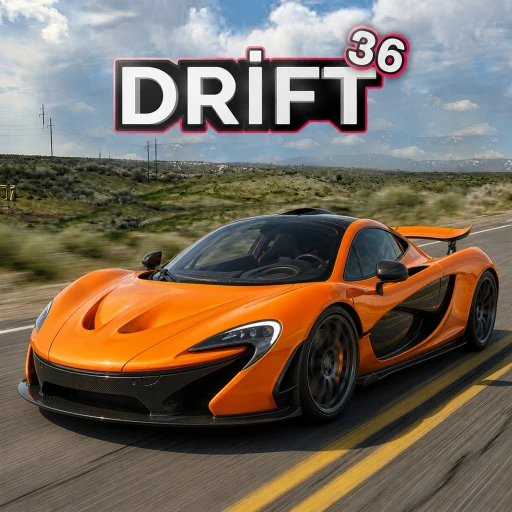
Drift 36 and Vehicle Simulator both live in the Roblox vehicle genre, but they represent two very different philosophies about what a car game should be. Drift 36, developed by Soalizy, is a tight, skill-focused drift simulator with 80-plus cars, deep tuning options, and tracks built specifically around the art of sideways driving. Vehicle Simulator, built by Simbuilder, is the opposite approach: an expansive open-world sandbox where you can drive, fly, or sail your way through a roster of more than 100 vehicles, with over 3 billion visits backing up its status as one of Roblox's most enduring vehicle games.
Whether you're trying to decide where to invest your time, figuring out which game fits your play style, or just curious how these two stack up on every metric that matters, this breakdown covers it all. We go through gameplay mechanics, progression, graphics, player counts, monetization, social features, and replay value. By the end, you'll have a clear picture of which game is the better fit for you, and whether there's a case for running both.
Drift 36 vs Vehicle Simulator — Quick Stats (2026)
| Category | Drift 36 | Vehicle Simulator |
|---|---|---|
| Genre | Racing / Drifting | Racing / Driving Sandbox |
| Place ID | 109170650911069 | 171391948 |
| Developer | Soalizy | Simbuilder |
| Total Visits | Growing niche title | 3B+ |
| Core Loop | Drift, tune, score, collect cars | Drive, explore, race, roleplay |
| Vehicle Count | 80+ cars | 100+ vehicles (cars, planes, boats) |
| Key Features | Body kits, tuning, drift scoring | Open world, vehicle variety, racing |
| Vehicle Types | Cars only | Cars, planes, helicopters, boats |
| Mobile-Friendly | Limited (better on PC) | Yes |
| Free-to-Play | Yes | Yes |
Gameplay — What Do You Actually Do?
Drift 36
Drift 36 by Soalizy is built around one core mechanic: the drift. Everything in the game — the car roster, the track designs, the tuning system, the scoring — exists to support and reward sideways driving. You join a session, pick a car from your garage, and head out to one of the game's drift circuits or open practice areas. Your goal is to carry speed through corners while maintaining a controlled slide, racking up points for angle, distance, and style. Link enough transitions together cleanly and the points multiply fast.
What sets Drift 36 apart from other Roblox driving games that happen to let you slide around is intention. The tracks here are designed with drift lines in mind. Entry speeds, corner radii, and run-off areas are all tuned to suit a car that's meant to be going sideways. You'll find layouts that reward aggressive entries, banked sections that beg for long sweeping angles, and hairpins that require proper weight transfer technique to link without spinning. It's a game that asks something from you mechanically, and that's rare on Roblox.
The car selection has grown to over 80 vehicles, and Soalizy has put real thought into how each one handles. Japanese performance cars like the Nissan Silvia, Toyota AE86, and Mazda RX-7 carry the culture nod that drift fans expect. There are European options with different power delivery characteristics, and a handful of higher-horsepower builds for players who prefer a more violent style. Body kits and visual customization go deep — you can run wide arches, aggressive front lips, canards, and custom liveries that make your build look like it rolled off a competition trailer. Check our Drift 36 codes page for the latest freebies to help you get your build started.
Vehicle Simulator
Vehicle Simulator by Simbuilder takes a broader approach. Rather than focusing on one driving discipline, it hands you access to an open world and a garage of over 100 vehicles that spans categories most Roblox games never touch. You can spend a session driving a sports car across the highway, then switch to a helicopter for aerial exploration, then take a speedboat out across the water. The game doesn't push you toward any single activity. You set your own agenda.
The map is large enough to feel genuinely open. There's a city grid, rural roads, water areas, and enough elevation variety to make flying interesting. Street racing is one of the most popular activities, with players setting up impromptu competitions on the highway or using the game's structured race modes. The game also supports roleplay elements — some servers develop their own conventions around traffic rules, vehicle meets, and city life. That flexibility is a big part of why Vehicle Simulator has maintained 3 billion-plus visits across its lifetime. It's different things to different players, which is exactly the point.
The vehicle roster covers a wide spread of performance levels. You start with affordable everyday cars and work your way up through sports cars, supercars, and hypercars. The non-car vehicles — planes, helicopters, and boats — aren't tacked on as gimmicks. They're fleshed out enough to be genuinely enjoyable and add real variety to the session. A player who wants to race might race for 30 minutes, then spend another 20 cruising the city at low speed in a classic car just because they feel like it. Vehicle Simulator accommodates that without friction. Our Vehicle Simulator codes page keeps track of active reward codes if you want to fund your garage faster.
Progression — How Quickly Does It Hook You?
Drift 36's progression is tied to how quickly you improve at drifting itself. You start with a basic car and earn in-game currency through your drift scores — the better you drive, the faster you accumulate funds for your next build. This creates a natural feedback loop where mechanical skill and financial progression are directly connected. A player who takes the time to learn weight transfer, throttle control, and clutch-kick timing will progress significantly faster than one who approaches it like a casual driving game. That connection between skill and reward is satisfying, but it also means the early hours can feel slow if drifting doesn't click for you immediately.
The tuning system gives progression a second dimension. It's not just about buying the next car in the list — it's about setting that car up for your driving style. Adjusting suspension geometry, differential behavior, and power output changes how a car initiates a drift and how it holds an angle through a corner. Learning what those adjustments actually do, and translating that into better drift scores, becomes its own layer of progression that keeps long-term players engaged well past filling their initial garage. Players who enjoy this kind of setup-and-test loop will find plenty of depth here.
Vehicle Simulator's progression model is more traditional and accessible. You earn cash through races, exploration bonuses, and other activities, then spend it on the next vehicle tier. The roster is structured so that each price bracket offers a meaningful upgrade over what you had before, and unlocking a new category — your first plane, your first speedboat — feels like opening a new chapter. The game doesn't demand that you master any specific technique to progress. If you can drive forward, you can earn money and buy the next car. That accessibility is both a strength and a limitation: it pulls players in easily, but the lack of skill-based depth means progression can start to feel mechanical after enough hours.
Edge: Drift 36, for building a progression system where mechanical improvement and financial reward are directly linked. Getting better at drifting makes you richer in the game, which is a satisfying loop that Vehicle Simulator's more passive progression model can't match for players who want that connection between effort and outcome.
Graphics and Audio
Drift 36 puts its visual effort into its cars. The vehicle models are detailed and carry the right proportions for the cars they represent. Wide-body kits look aggressive without looking cartoonish, and the livery system gives players enough control to build something that feels genuinely personal rather than templated. The tracks themselves are functional rather than spectacular — you'll find clean asphalt, appropriate run-off zones, and enough environmental detail to set the mood, but the visual focus is clearly on the cars themselves and the smoke trails they leave through corners. Tire smoke rendering is better than most Roblox games manage, which matters a lot when the entire gameplay loop is built around drifting.
Vehicle Simulator's visuals serve its open-world ambitions. The map is large, and it needs to be readable across a wide range of speeds — from crawling through the city to flying over it at altitude. The art style lands in a polished, slightly stylized middle ground that keeps the game running smoothly without looking dated. Vehicle models cover a wide range of quality given how many there are, but the most popular cars and planes are detailed enough to satisfy. The open world has day and night cycles that give different moods to the same roads, and the water looks reasonable during boat sessions.
Audio is where the two games diverge most noticeably. Drift 36 has invested in engine sounds that change meaningfully under load — the difference between a four-rotor screaming through a high-speed sweeper and a turbocharged four-cylinder barking into a hairpin is audible and adds to the immersion. Tire squeal and smoke physics sounds are timed well to what's actually happening with the car. Vehicle Simulator covers more vehicle categories, so its audio design spreads thinner across the roster. Car engine sounds are decent, but plane and boat audio is more functional than atmospheric.
Edge: Drift 36, for delivering tighter, more focused visuals and audio that serve its core mechanic. Tire smoke, engine sounds, and vehicle detail all feel intentional. Vehicle Simulator looks good for an open-world sandbox but doesn't match Drift 36's attention to automotive presentation.
Player Count and Community (July 2026)
Vehicle Simulator is the established giant here. With over 3 billion total visits, it's one of the most-played vehicle games in Roblox history. Simbuilder has kept the game updated and relevant for years, which is a meaningful achievement given how competitive the Roblox catalogue has become. Concurrent player counts during peak hours are strong, and the community spans a wide age range and play style — racers, cruisers, roleplayers, collectors, and casual explorers all share the same servers without major friction. That breadth is a product of the game's design philosophy: when a game does many things for many people, it tends to accumulate a large and diverse player base.
Drift 36 is a newer and smaller title, but its community is notably cohesive. Drift culture on Roblox has historically been underserved — most vehicle games treat drifting as a bonus mechanic rather than the core experience, which means players who specifically want that content have had limited options. Drift 36 has pulled those players together, and the result is a community that shares builds, discusses tuning setups, organizes tandem drift sessions, and genuinely engages with the skill-based side of what the game offers. Session lengths tend to run longer per player compared to more casual vehicle sandboxes, because players are invested in improving rather than sampling content.
The community tone differs accordingly. Vehicle Simulator servers are social and varied. You'll find players having entirely different experiences in the same session — one group racing on the highway, another doing slow city cruises, someone doing barrel rolls above the map in a plane. Drift 36 servers have more shared purpose. Most players are there to drift, so conversations orbit around setups, technique, and builds. If you want a community that's engaged with the same specific thing you're engaged with, Drift 36's smaller pool delivers that more reliably.
Edge: Vehicle Simulator on raw scale and community diversity. Drift 36 wins on community cohesion and shared purpose. Which matters more depends on whether you want a large, varied player pool or a tighter group that's invested in the same niche you are.
Game Passes and Monetization
Drift 36 keeps its monetization straightforward. Game passes center on quality-of-life improvements and collection speed. A cash multiplier pass lets you accumulate in-game funds faster, which feeds directly into your ability to buy and tune more cars without spending as much time grinding. There are cosmetic passes that unlock exclusive body kit options and livery elements not available to free players, and premium garage slots for players who want to maintain a larger rotation of builds. None of the passes gate you out of the core drift experience — you can learn the mechanics and get competitive without spending anything. The pass structure reflects a game that respects its player base's time without hiding content behind a wall.
Vehicle Simulator has had more time to develop its monetization, and the result is a broader range of options. Game passes include vehicle unlocks that skip the grind for specific high-tier cars, cash multipliers that accelerate progression across all vehicle categories, and VIP perks that grant in-game money bonuses on join. There are also premium vehicle packs that bundle multiple cars or specialty vehicles at a price point designed to offer value over buying individually. The game's age means some limited passes from earlier updates carry secondary social value — owning one signals to other players that you've been around for years.
Both games handle monetization without making free play feel deliberately crippled. You can get meaningful enjoyment out of either title without touching your Robux balance. That said, both reward investment with faster access to the vehicles and customization options that make each game more satisfying to play.
Edge: Vehicle Simulator, for a more developed monetization ecosystem with more pass variety and a longer track record of delivering value. Drift 36's passes are fair and clearly designed, but Vehicle Simulator's broader range gives players more ways to spend at different budget levels.
Social Features
Vehicle Simulator's social layer is built into its open-world structure. The game naturally produces shared moments because multiple players with different goals occupy the same space simultaneously. A street race that starts between two players often pulls in a third who was driving past, which turns into an impromptu multi-car battle with spectators forming at the next intersection. The roleplay community within Vehicle Simulator is active and self-organizing — players on certain servers maintain traffic conventions, set up delivery routes, or run passenger services in larger vehicles. None of this is formally built into the game, but the sandbox design enables it, and thousands of players take advantage of it every day.
Drift 36's social design is more structured around its core mechanic. Tandem drifting — where two cars follow each other through a drift sequence, matching angle and proximity — is one of the most social things you can do in a car game, and Drift 36 supports it. Organizing a tandem run with someone you just met in a public server, communicating through the approach, and pulling off a clean follow through a sweeper creates a specific kind of satisfaction that most Roblox games can't replicate. Build showcase culture is also active in Drift 36's community, with players parking up between sessions to compare tuning setups and body kit configurations.
Edge: Vehicle Simulator, for generating more varied social interactions and supporting a larger number of community-driven play styles simultaneously. Drift 36's tandem culture is genuinely compelling within its niche, but Vehicle Simulator's social surface area is much wider.
Replay Value
Drift 36's replay value is directly tied to skill development, and that's a durable form of engagement. A game where you can always get better keeps players coming back in a way that a game where you're just unlocking the next tier of items can't sustain indefinitely. There's always a cleaner entry angle to find, a smoother transition to execute, a lap time to improve. For players who respond to that kind of mastery-based motivation, Drift 36 can hold attention for hundreds of hours without the content needing to change significantly. New car additions and track updates provide fresh context for those skills, but the core reason you'd return is improvement rather than novelty.
Vehicle Simulator handles replay value through volume and variety. With over 100 vehicles spanning multiple categories, the "next thing to try" pipeline stays full for a long time. Switching from land to air to water changes the entire feel of a session, which means the game can serve different moods without the player needing to open something else. Simbuilder has kept up a consistent update cadence over the years, adding vehicles and map updates that give returning players new content to explore. The trade-off is that none of the individual vehicle categories go as deep as a game built entirely around one of them. Racing is fun but not as technically developed as dedicated racing titles. Flying is enjoyable but not as detailed as a simulator. The breadth is the feature, and for many players that's exactly what keeps them engaged.
These two games can complement each other well in a rotation. Drift 36 for sessions when you want to focus and improve at something specific. Vehicle Simulator when you want variety and don't feel like committing to a single activity. Neither steps on the other's toes because they're genuinely after different things.
Edge: Drift 36, for long-term players who value skill-based depth. Vehicle Simulator edges ahead for players who prioritize variety and want their replay value to come from content breadth rather than mechanical mastery.
Earning Free Robux While You Play
Whether you're saving up for a premium body kit in Drift 36 or looking to unlock a top-tier hypercar in Vehicle Simulator, having extra Robux on hand speeds up the parts of both games that are more grind than fun. Our Drift 36 free Robux guide and Vehicle Simulator free Robux guide break down game-specific strategies for getting the most from your in-game time and making smart pass purchases.
Earnaldo is a straightforward way to earn free Robux through surveys, simple tasks, and offers. There are no generators involved — you complete activities, accumulate points, and withdraw Robux directly to your account. Many players use it to fund game pass purchases across multiple titles without spending real money, which makes it a useful tool whether you're primarily a Drift 36 player, a Vehicle Simulator regular, or running both in your weekly rotation.
Earn Free Robux for Drift 36 or Vehicle Simulator
Want more Robux for game passes, premium vehicles, and customization options? Earnaldo lets you earn free Robux by completing simple tasks — real rewards sent directly to your account.
Head-to-Head Verdict — Drift 36 vs Vehicle Simulator in 2026
The Verdict
Choose Drift 36 if you're specifically interested in drifting as a skill and want a Roblox game that takes it seriously. It's built from the ground up for players who want to learn real drift mechanics, dial in a build through tuning, and improve their technique session by session. The car roster, track designs, and customization depth all serve that goal. If drifting is what you came for, nothing on Roblox delivers it more intentionally than Drift 36.
Choose Vehicle Simulator if you want a versatile open-world sandbox that covers far more ground than any single-discipline game can. With over 100 vehicles across multiple categories, 3 billion-plus visits' worth of proven staying power, and a sandbox design that accommodates racers, explorers, and roleplayers in the same session, Vehicle Simulator is the stronger pick for players who want variety and don't want to commit to one type of driving experience.
Overall: Vehicle Simulator is the more complete package for the broadest range of players. Its content depth, player base size, and flexibility make it the safer recommendation if you're choosing just one. But Drift 36 is the right answer for a specific type of player — one who wants mastery, culture, and a community built around a single craft. If you care about drifting at all, don't skip it.
Who Should Play What?
- You want to master a specific skill: Drift 36, because its entire design rewards players who put in the time to improve at drifting. The connection between technique and progression is direct and satisfying.
- You want variety in a single game: Vehicle Simulator, because it spans cars, planes, boats, and helicopters in one open world with enough content to stay fresh across hundreds of sessions.
- You're into automotive culture and car building: Drift 36, because the body kit system, tuning options, and community discussions revolve entirely around builds in a way that Vehicle Simulator's broader focus can't match.
- You prefer relaxed, low-pressure sessions: Vehicle Simulator, because the sandbox design lets you set your own pace without any mechanical pressure to perform at a specific level.
- You create content or stream: Drift 36, because tandem sessions and clean drift runs make for visually compelling footage that stands out from standard driving game content on Roblox.
- You want to earn Robux: Both games work well alongside Earnaldo, which lets you earn free Robux through simple tasks to spend on game passes and vehicles in either title.
Frequently Asked Questions
Vehicle Simulator is far more established in terms of raw numbers, sitting at over 3 billion total visits since Simbuilder launched it years ago. Drift 36 is a newer, niche title from developer Soalizy that targets a much smaller audience of dedicated drift enthusiasts. If you measure popularity by active concurrent players, Vehicle Simulator consistently outpaces Drift 36 by a wide margin. That said, Drift 36 has a more focused community that tends to log longer sessions per visit.
Vehicle Simulator wins on breadth by a significant margin. It offers over 100 vehicles spanning cars, planes, helicopters, boats, and more exotic categories, which means the content never runs dry regardless of what type of vehicle you enjoy. Drift 36 has 80-plus cars and is growing, but every vehicle in its roster is a car built for drifting. If you want variety across vehicle types, Vehicle Simulator is the clear choice. If you want depth within a single category of performance cars set up for sideways driving, Drift 36 delivers more.
Drift 36 has a steeper learning curve than most Roblox driving games because drifting itself requires practice. Getting a car to initiate properly, hold an angle through a corner, and link transitions takes real time to master. The game doesn't hand you performance at the start — you earn it through progression. Vehicle Simulator is friendlier to newcomers because it lets you start with basic road cars and progress at whatever speed suits you, with no pressure to master a specific technique.
Both games are accessible through the Roblox mobile app. Vehicle Simulator works reasonably well on mobile for open-world exploration, though flying and boat controls can feel awkward on a touchscreen. Drift 36 is genuinely challenging on mobile because precise angle control and throttle modulation during a drift require inputs that touchscreen controls struggle to replicate accurately. PC or console with a controller is the recommended way to play Drift 36 if you want to get serious about the mechanics.
Drift 36 goes deeper on the customization and tuning side for cars. It offers body kits, aero components, wheel fitment, liveries, and performance tuning options that let you dial in how a car feels and looks. Because every car in Drift 36 is designed around drifting, the tuning options are more meaningful — small changes in suspension setup or differential locking actually affect how the car handles at the limit. Vehicle Simulator has customization options too, but the emphasis is on variety across vehicle categories rather than depth within any single one.
Drift 36 is the better pick if drifting is your primary interest. The entire game is built around it — the tracks are designed for drift lines, the car roster is tuned for it, and the scoring systems reward clean angles and smooth transitions. Vehicle Simulator has vehicles that can be driven sideways, but drifting isn't the focus of the game and the mechanics aren't built to support it the way Drift 36's are. For dedicated drift fans on Roblox, Drift 36 is the most purpose-built option available.