Elementalism vs Jujutsu Shenanigans (2026) -- Which Roblox Game Is Better?
Two of the most talked-about combat experiences on Roblox right now are Elementalism and Jujutsu Shenanigans. One builds an entire RPG world around elemental nations, classes, and deep progression systems. The other throws you straight into anime-inspired arena combat with cursed techniques and flashy fights that draw over 150,000 concurrent players on a regular basis. Both games reward skilled play and offer hours of content, but they approach the combat RPG formula from completely different angles.
If you have been trying to figure out which game deserves your time -- or whether your playstyle leans more toward deep RPG progression or fast-paced PvP action -- this comparison will lay everything out. We will cover gameplay depth, combat mechanics, progression systems, community health, and PvP design. By the end, you will know exactly which game fits what you are looking for.
Let us start with a side-by-side snapshot before we get into the detailed breakdown.
Quick Stats: Elementalism vs Jujutsu Shenanigans at a Glance
| Category | Elementalism | Jujutsu Shenanigans |
|---|---|---|
| Developer | Elementalism Team | Zednov |
| Roblox Place ID | 11337633120 | 9391468976 |
| Genre | RPG / Elemental Combat | Anime Fighting / PvP |
| Total Visits | 50M+ | Billions (150K+ concurrent) |
| Player Rating | 97.47% | ~90%+ |
| Core Loop | Choose nation, class, master elements | Pick cursed technique, fight players |
| Elements/Abilities | 4 elements, multiple classes | 20+ cursed techniques |
| PvP Focus | Moderate (RPG with PvP) | Heavy (PvP-first design) |
| Progression Depth | Deep (stats, classes, nations) | Moderate (technique unlocks, skins) |
| Multiplayer | Server-based open world | Arena-based matchmaking |
| Monetization | Optional passes, cosmetics | Optional passes, cosmetics |
| Average Session | 45-90 minutes | 20-40 minutes |
The numbers paint a clear picture of two different philosophies. Now let us dig into what each game actually feels like to play.
Gameplay Depth and Core Loop
Elementalism: A World Built on Four Pillars
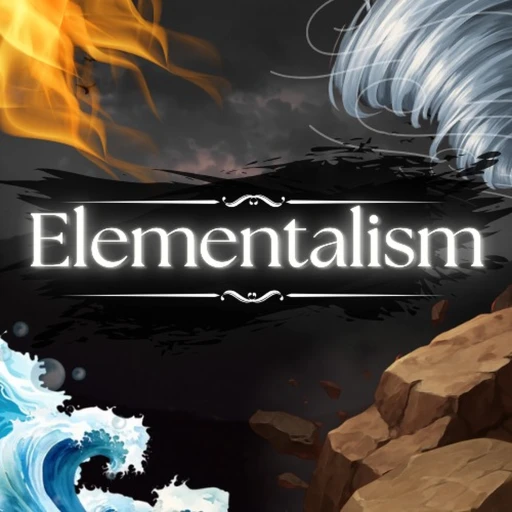
Elementalism draws heavy inspiration from Avatar: The Last Airbender and similar elemental fiction. When you start the game, you choose one of four nations, each tied to a specific element -- fire, water, earth, and air. Your nation determines your starting abilities, your aesthetic, and the broader narrative context of your character. From there, you select a class that further specializes your playstyle, whether you want to be a frontline brawler, a ranged caster, or a support-oriented player.
The RPG systems run deep. You level up through quests, PvE combat against NPCs, and exploration. Each level unlocks new ability slots or upgrades, and the stat system lets you fine-tune your build to match your preferred combat style. Want to be a glass-cannon fire user who hits hard but folds under pressure? You can do that. Prefer a tanky earth bender who absorbs damage and controls space? That path exists too. The build variety is impressive for a Roblox game, and it gives Elementalism a sense of strategic depth that keeps players experimenting long after they have learned the basics.
The world itself is expansive. Each nation has its own territory with distinct environments, NPCs, and quest lines. Traveling between nations feels like visiting different biomes in a traditional RPG, and the environmental design reinforces the elemental themes. Water nation areas are lush and coastal. Fire nation zones are volcanic and harsh. The attention to worldbuilding sets Elementalism apart from most Roblox combat games, which tend to drop you into a single arena and call it a day.
Sessions tend to run long because there is always something to work toward -- a new ability to unlock, a quest chain to finish, or a build to optimize. The game rewards patience and planning, which appeals to players who enjoy RPGs but may frustrate those looking for instant action.
Jujutsu Shenanigans: Anime Combat Turned Up to Eleven
Jujutsu Shenanigans takes the opposite approach to pacing. Inspired by Jujutsu Kaisen, the game puts combat front and center from the moment you spawn. You pick a cursed technique -- each one based on abilities from the anime -- and immediately start fighting. There is no lengthy tutorial, no nation selection screen, and no stat allocation menu. You learn by doing, and "doing" usually means getting thrown across the map by someone who has already mastered their technique.
The cursed technique system is the game's backbone. Each technique has a unique moveset with combos, special attacks, and an ultimate ability. Infinity lets you manipulate space and deflect attacks. Cursed Speech forces opponents into specific actions. Malevolent Shrine creates a domain expansion that devastates everything in range. The technique variety means every fight feels different depending on the matchup, and learning how to counter each technique adds a layer of strategic depth beneath the flashy surface.
Combat is physics-driven and chaotic in the best way. Hits send players ragdolling across the arena, walls crumble under the force of domain expansions, and multi-player brawls turn into spectacles of particle effects and flying bodies. The game leans into the over-the-top nature of anime combat, and it works. Fights are exciting, unpredictable, and often hilarious.
The trade-off is depth outside of combat. Jujutsu Shenanigans does not have quests, a story, or extensive PvE content. The game is its combat system, and if that system clicks with you, it can sustain hundreds of hours of play. If you want more than fighting, you will need to look elsewhere.
Edge: Elementalism for overall gameplay depth. The RPG framework, nation system, and build variety create a richer overall experience. Jujutsu Shenanigans wins if you are strictly evaluating moment-to-moment combat excitement, but Elementalism offers more to engage with outside of fights.
Combat Systems in 2026
Elementalism: Strategic and Build-Dependent
Combat in Elementalism is methodical. Your effectiveness in a fight depends heavily on your build -- your chosen element, your class, your stat distribution, and your ability loadout. This means combat outcomes are determined well before the first attack lands. A player who has optimized their build for a specific playstyle will consistently outperform someone using a generic setup, even if the second player has faster reflexes.
The ability system uses cooldowns and resource management. You cannot spam your strongest attacks endlessly. Instead, you need to manage your ability rotations, keep track of cooldowns, and decide when to commit to an engagement versus when to disengage and recover. Positioning matters because elemental abilities often have area-of-effect components. A well-placed earth wall can block an incoming fire blast. A water user can control space by flooding an area and limiting enemy movement.
PvE combat against NPCs serves as both a progression tool and a training ground. The AI enemies test different aspects of your build and force you to adapt your tactics. Boss encounters require group coordination and reward successful parties with rare loot and experience. These PvE encounters are not throwaway content -- they are genuine challenges that prepare you for PvP.
The downside is that combat can feel slow compared to anime fighters. The RPG framework means damage numbers, stat checks, and build optimization play a larger role than raw mechanical skill. Players coming from fast-paced action games may find the pacing deliberate to the point of frustration.
Jujutsu Shenanigans: Mechanical Skill Above All
Combat in Jujutsu Shenanigans rewards reflexes, spacing, and combo knowledge above everything else. There are no stats to optimize and no gear to equip. Your effectiveness comes down to how well you understand your cursed technique, how quickly you react to your opponent's moves, and how creatively you string combos together.
The combo system is surprisingly deep for a Roblox game. Each technique has light attacks, heavy attacks, special moves, and an ultimate. Chaining these together in the right order maximizes damage and creates openings for follow-up attacks. Advanced players incorporate movement tech like dash cancels and aerial repositioning to extend combos and escape pressure. The skill ceiling is high enough that watching a top player fight looks completely different from watching a beginner.
Domain expansions are the highlight of the combat system. When activated, they create dramatic visual effects and grant temporary power boosts or unique abilities. Landing a domain expansion in a crowded server feels incredible, and the counterplay around blocking or escaping domains adds another decision layer to every fight. The physics engine amplifies the spectacle -- sending an opponent crashing through a building never gets old.
The matchup knowledge required is substantial. With over twenty cursed techniques in the game, each with distinct strengths and weaknesses, understanding what your opponent can do is as important as executing your own combos. This creates a fighting-game-like dynamic where knowledge and adaptation matter alongside raw execution.
Edge: Jujutsu Shenanigans. For pure combat quality, Jujutsu Shenanigans delivers one of the best fighting experiences on Roblox. The mechanical skill expression, technique variety, and physics-driven spectacle outclass most competitors. Elementalism's combat is solid within its RPG context, but it cannot match the raw intensity of JS fights.
Progression and Long-Term Goals
Elementalism: The RPG Grind That Rewards Investment
Elementalism's progression system is its strongest differentiator. Choosing a nation and class at the start is just the beginning. As you level up, you unlock new abilities, upgrade existing ones, and gain access to advanced class specializations that dramatically change your playstyle. The progression path is long, and that is intentional -- the developers have designed the game so that reaching the endgame feels like a genuine achievement.
The quest system provides structure to the grind. Main quests advance the narrative and introduce you to new areas, while side quests offer experience, currency, and occasionally rare items. Daily and weekly challenges keep you logging in regularly, and seasonal events add limited-time content that keeps the progression fresh. For players who enjoy checklists and milestones, Elementalism delivers consistently.
The 97.47% approval rating reflects how well the progression is tuned. Players feel rewarded for their time investment, and the build variety means there is always a reason to start a new character or experiment with a different element-class combination. Rerolling is part of the fun, and the game supports it by making early progression relatively quick while keeping the endgame grind substantial.
Jujutsu Shenanigans: Skill Is the Progression
Jujutsu Shenanigans takes a fundamentally different approach to progression. There is no leveling system in the traditional sense. Instead, your progression is measured by your improving skill with each cursed technique. When you first pick up a new technique, you will struggle with timing, combo routes, and matchup knowledge. After hours of practice, you will execute combos that seemed impossible when you started. That personal growth is the game's progression system.
The game does offer unlockable techniques and cosmetic skins that provide tangible goals. New cursed techniques become available as you play, giving you fresh movesets to learn and master. Anime-inspired skins let you customize your character's appearance, and some skins are tied to specific achievements or events. These unlockables provide enough carrot-on-a-stick motivation to complement the skill-based progression.
The community itself creates progression through informal ranking. Regular players recognize skilled fighters, and competitive lobbies develop their own hierarchies. Being known as one of the best Infinity users or Malevolent Shrine players in a server carries social weight that no formal ranking system could replicate. This organic competitive ecosystem keeps dedicated players engaged far beyond what the in-game systems alone would support.
Edge: Elementalism. For structured, goal-oriented progression, Elementalism is the clear winner. Its RPG systems give you concrete objectives, measurable growth, and build variety that keeps you experimenting. Jujutsu Shenanigans' skill-based progression is satisfying but less tangible, and players who need clear milestones may find it lacking.
Community and Social Features
Elementalism: Tight-Knit and Passionate
Elementalism's community is smaller but remarkably dedicated. With over 50 million total visits and a near-perfect approval rating, the player base consists largely of committed RPG fans who appreciate the game's depth. The community Discord is active with build discussions, tier lists, and nation-pride debates that mirror the elemental rivalries within the game itself.
The nation system creates natural social bonds. Players who choose the same nation often cooperate on quests, defend shared territories, and form guilds. This faction-based social structure gives players a sense of belonging that extends beyond individual play sessions. Nation wars -- where groups of players from different elements clash in organized PvP events -- are community highlights that draw significant participation.
Content creators covering Elementalism tend to produce in-depth guides and build analyses rather than flashy highlight reels. The content reflects the game's nature: thoughtful, detailed, and focused on optimization. If you enjoy theorycrafting and community-driven meta development, Elementalism's community delivers.
Jujutsu Shenanigans: Massive and Energetic
Jujutsu Shenanigans benefits from the enormous popularity of Jujutsu Kaisen as an anime franchise. The game regularly sustains over 150,000 concurrent players, making it one of the most populated fighting games on Roblox. This massive player base means you never have trouble finding fights, and the variety of opponents keeps every session unpredictable.
The community is loud, passionate, and deeply invested in the competitive scene. YouTube and TikTok are flooded with combo montages, technique tier lists, and "road to mastery" series where players document their improvement with specific cursed techniques. The content is entertaining and accessible, which helps the game continuously attract new players.
Social features within the game are straightforward. You can party up with friends, challenge specific players, and participate in server-wide events. The game does not have formal guilds or factions, but the community self-organizes around technique preferences and competitive circles. The informal nature of the social structure matches the game's pick-up-and-play design philosophy.
Edge: Jujutsu Shenanigans for community size and activity. The sheer volume of players, content creators, and social media engagement is unmatched. Elementalism wins for community depth and the quality of social bonds formed through its nation system, but JS dominates in scale.
PvP Systems and Competitive Play
Elementalism: PvP Within an RPG Framework
PvP in Elementalism exists within the broader RPG structure, which creates both opportunities and challenges. On the positive side, the build variety means PvP encounters are deeply strategic. Two players with the same element can fight completely differently based on their class and stat distribution. A fire user built for burst damage plays nothing like a fire user built for sustained pressure. This variety keeps PvP interesting and rewards players who invest time in understanding the meta.
The downside is balance. Because combat effectiveness is tied to character level and build optimization, PvP can feel uneven when players of different progression stages meet. A max-level player with an optimized build will dominate a newer player regardless of skill. The game attempts to mitigate this with level-bracketed PvP zones, but the inherent power disparity of an RPG system is difficult to eliminate entirely.
Organized PvP events -- including nation wars and tournament-style competitions -- represent the best of Elementalism's competitive offerings. These events level the playing field somewhat by focusing on team coordination and strategy rather than individual power levels. If you enjoy the social and strategic dimensions of PvP more than raw mechanical execution, Elementalism's approach will appeal to you.
Jujutsu Shenanigans: PvP as the Entire Game
Jujutsu Shenanigans was designed from the ground up as a PvP experience. Every system, every technique, and every map is optimized for player-versus-player combat. This singular focus means the PvP quality is exceptionally high. Fights feel fair because outcomes depend on skill rather than gear or levels. Two players with the same technique will produce entirely different results based on their execution, spacing, and decision-making.
The technique balance is a constant topic of community discussion, and the developers actively adjust power levels through patches. Some techniques are considered stronger than others at any given time, but the roster is diverse enough that no single technique dominates without counterplay. The meta shifts with each balance update, keeping competitive players engaged and adaptable.
The 3-streak win system adds stakes to individual fights. Winning three consecutive matches rewards you with bonus currency and bragging rights, creating mini-tournaments within every server. This simple system turns casual lobbies into competitive arenas where every fight matters, and it gives players short-term goals that complement the longer-term pursuit of technique mastery.
Edge: Jujutsu Shenanigans. When PvP is the entire game, it better be excellent -- and JS delivers. The skill-based matchmaking, technique balance, and competitive ecosystem make it the superior choice for players who live for PvP. Elementalism's PvP is enjoyable within its RPG context, but it cannot compete with a game built entirely around competitive combat.
Graphics, Sound, and Polish
Elementalism: Atmospheric Worldbuilding
Elementalism impresses with its environmental design. Each nation's territory has a distinct visual identity -- the water nation features flowing rivers and coral structures, the fire nation has volcanic terrain and lava flows, the earth nation boasts towering rock formations and underground caverns, and the air nation sits among cloud platforms and windswept peaks. The world feels cohesive and intentionally designed, which enhances the RPG immersion.
Ability effects are visually satisfying without being overwhelming. Elemental attacks have clear visual indicators that communicate both damage and element type, which is important for PvP readability. The art direction favors clarity over spectacle, ensuring you can always understand what is happening during combat even in chaotic multi-player encounters.
Jujutsu Shenanigans: Anime Spectacle
Jujutsu Shenanigans goes all-in on visual spectacle. Domain expansions fill the screen with dramatic effects. Cursed techniques produce colorful particle systems and screen-shaking impacts. The anime aesthetic is faithfully translated into Roblox's engine, and the results are consistently impressive. Character models, technique animations, and environmental destruction all contribute to the feeling that you are living out an anime fight scene.
Sound design reinforces the combat feel with punchy hit effects, dramatic ability callouts, and an energetic soundtrack that keeps the adrenaline high. The audio feedback when you land a clean combo or activate a domain expansion is immensely satisfying and plays a significant role in making combat feel impactful.
Edge: Tie. Both games excel in different visual directions. Elementalism delivers better worldbuilding and environmental design. Jujutsu Shenanigans produces more spectacular combat visuals and sound design. Your preference depends on whether you value a beautiful world to explore or flashy fights to participate in.
The Verdict
Choose Elementalism if...
You want a deep RPG experience with elemental combat, nation-based factions, class specializations, and long-term progression goals. Elementalism rewards patience and strategic thinking with one of the most well-crafted RPG frameworks on Roblox. Its 97.47% approval rating reflects a game that respects your time investment and delivers consistent quality across its systems. If you enjoy building characters, optimizing stats, and being part of a tight-knit community, Elementalism is your game.
Choose Jujutsu Shenanigans if...
You want immediate, high-skill PvP combat inspired by one of the most popular anime franchises. Jujutsu Shenanigans puts fighting first and does it better than nearly any other game on Roblox. With 150,000+ concurrent players, over twenty cursed techniques, and a competitive ecosystem that rewards mechanical mastery, it is the definitive choice for players who measure their progress by how many opponents they can outplay. If fast-paced action and competitive PvP drive your gaming sessions, JS is the answer.
Who Should Play What?
Play Elementalism if you:
- Love RPGs with deep class and progression systems
- Enjoy elemental combat inspired by Avatar: The Last Airbender
- Prefer strategic, build-dependent PvP over twitch reflexes
- Want a world to explore with distinct biomes and quests
- Value a tight-knit, passionate community
- Like long play sessions with multiple goals to chase
- Appreciate high approval ratings and polished game design
Play Jujutsu Shenanigans if you:
- Love fast-paced anime fighting games
- Want PvP combat where mechanical skill determines outcomes
- Enjoy learning and mastering diverse ability movesets
- Prefer shorter sessions with immediate action
- Like massive player bases with constant competition
- Are a fan of Jujutsu Kaisen and its cursed technique lore
- Want flashy domain expansions and physics-driven combat
For more details on each game individually, check out our Elementalism guide and Jujutsu Shenanigans guide.
Earn Free Robux While You Play
Whether you choose Elementalism, Jujutsu Shenanigans, or both, Earnaldo helps you earn free Robux through simple tasks. No surveys, no scams -- just real Robux rewards.
Frequently Asked Questions
Jujutsu Shenanigans is more accessible for new players because its combat system is pick-up-and-play with clear cursed technique abilities that are easy to understand. Elementalism has a steeper learning curve due to its nation and class system, elemental affinities, and RPG stat management. However, Elementalism rewards that initial investment with deeper long-term gameplay.
Jujutsu Shenanigans has the stronger dedicated PvP experience. Its combat was built from the ground up around player-versus-player encounters, with cursed techniques designed for competitive fights. Elementalism has PvP, but it is layered on top of an RPG framework, so balance can vary depending on your class and element build. If PvP is your priority, Jujutsu Shenanigans is the pick.
Yes. Elementalism supports multiplayer servers where you can form parties, explore together, and participate in nation-based activities with friends. Jujutsu Shenanigans lets you join servers and fight alongside or against friends in its arena-style combat. Both games are more fun with friends, though the social dynamics differ significantly.
Jujutsu Shenanigans has a faster update cadence in 2026, with new cursed techniques, balance patches, and seasonal content arriving regularly. Elementalism receives meaningful updates as well, but its RPG depth means each update tends to be larger and less frequent. Both developers are active and communicative with their communities.
No. Elementalism offers optional game passes and cosmetics, but core gameplay, classes, and elemental abilities are accessible through normal play. Progression is earned through gameplay rather than purchased. Jujutsu Shenanigans follows a similar model where spending Robux gives you cosmetic options but no competitive advantage.
Jujutsu Shenanigans has a significantly larger player base, regularly pulling 150,000 or more concurrent players compared to Elementalism's smaller but dedicated community with around 50 million total visits. However, Elementalism's community is tightly knit and highly engaged, which means finding active servers and knowledgeable players is never a problem.
Both Elementalism and Jujutsu Shenanigans represent different philosophies of what a Roblox combat game can be in 2026. One offers depth, worldbuilding, and strategic progression. The other delivers raw competitive excitement and anime-inspired spectacle. Whichever direction you lean, both games are worth experiencing -- and you might find that playing one makes you appreciate what the other does differently.