Enter Brainrot Heads vs Steal a Brainrot (2026) — Which Roblox Brainrot Game Wins?
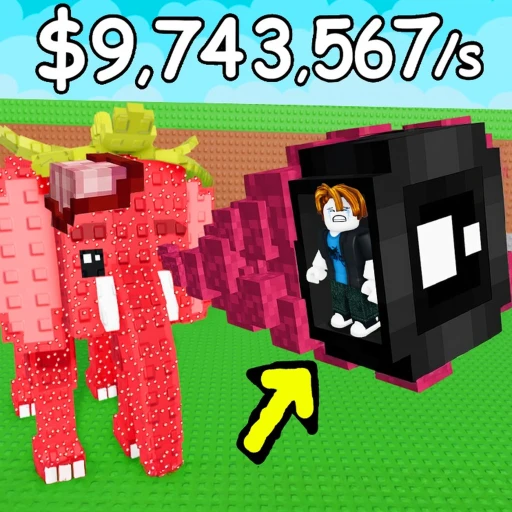
The brainrot genre on Roblox went from a niche meme category to one of the most played segments on the platform in less than a year. Two games sit at opposite ends of the brainrot spectrum: Enter Brainrot Heads, a horror-adventure raiding experience where you sneak inside giant brainrot heads, steal their loot, and escape before the guards catch you, and Steal a Brainrot, a tycoon-meets-PvP behemoth where you buy brainrot characters that generate passive income, then raid other players to steal theirs. One is a focused PvE adventure with around 11,800 concurrent players. The other broke Roblox records with over 25.8 million peak CCU and routinely sits in the platform's top five. Both are free, both revolve around brainrot characters, and both are worth your time for very different reasons.
This comparison breaks down gameplay mechanics, progression systems, player counts, visual design, monetization, PvP depth, community, and replay value so you can figure out which brainrot experience matches what you actually want from your Roblox sessions. Whether you prefer a chill loot-and-escape loop or a competitive base-raiding grind, one of these two games is about to become your main.
Table of Contents
- Quick Stats Comparison
- Gameplay — What Do You Actually Do?
- Progression — How Quickly Does It Hook You?
- PvP vs PvE — The Core Divide
- Graphics and Audio
- Player Count and Community
- Game Passes and Monetization
- Replay Value and Updates
- Earning Free Robux While You Play
- Head-to-Head Verdict
- Who Should Play What?
- Frequently Asked Questions
Enter Brainrot Heads vs Steal a Brainrot — Quick Stats (2026)
| Category | Enter Brainrot Heads | Steal a Brainrot |
|---|---|---|
| Genre | Horror / Adventure / Raiding | Tycoon / PvP Simulator |
| Place ID | 100623060214384 | 86585726386498 |
| Developer | Monk Mountain | SpyderSammy / Do Big Studios |
| Concurrent Players | ~11.8K | 159K+ (25.8M peak record) |
| Total Visits | Hundreds of millions | 28B+ |
| Core Loop | Raid heads, steal loot, escape | Buy brainrots, earn cash, steal from rivals |
| PvP | No — PvE only | Yes — base raiding and combat |
| Key Features | Head raiding, NPC guards, base upgrades | 150+ brainrots, 8 bases, rebirth system |
| Offline Earnings | Yes — brainrot upgrades | Yes — base income |
| Mobile-Friendly | Yes | Yes |
| Free-to-Play | Yes | Yes |
Gameplay — What Do You Actually Do?
Enter Brainrot Heads
Enter Brainrot Heads puts you in a lobby with your personal base, a shop for upgrades, and a field filled with massive brainrot heads towering over the landscape. The premise is direct: walk up to a giant brainrot head, enter it like you would a building, and start grabbing every piece of loot you can carry. The catch is that each head has guard brainrots patrolling inside. The moment you pick up loot, the guards become aware of your presence and start chasing you. Your job is to grab as much as possible and make it back to your base before they catch you.
The tension comes from the risk-reward calculation happening in real time. Grab one or two items and you can sprint out safely. Stay longer and fill your inventory with rarer drops, and you are running a gauntlet of angry guards who hit hard and move fast. Each brainrot head on the field contains different loot tiers and different guard difficulty levels. Early heads are forgiving, with slow guards and common drops. Higher-tier heads lock behind progression gates and throw multiple guards at you with tighter patrol routes and faster chase speeds. The skill expression here is about learning guard patterns, timing your pickups, and knowing the exact moment to cut your losses and bolt for the exit.
Back at your base, you collect brainrot units that generate income over time, even when you are offline. This tycoon layer adds a secondary reason to keep playing beyond the adrenaline of raiding. You spend your earnings upgrading brainrots for better passive income, buying speed boosts that help with escapes, and unlocking access to tougher heads with better loot tables. The gameplay loop is clean: raid, escape, upgrade, repeat. For a deeper look at all the mechanics, check out our Enter Brainrot Heads guide.
Steal a Brainrot
Steal a Brainrot by SpyderSammy and Do Big Studios takes a completely different approach to the brainrot formula. You spawn at one of eight bases on a shared map. Your goal is to fill your base with brainrot characters that passively generate cash. The first way to get brainrots is through the red conveyor in the center of the map, where you can purchase them. Prices increase each time another player buys from the conveyor, which creates an interesting supply-and-demand dynamic across the server.
The second way to get brainrots is the one that defines the entire game: stealing them from other players. If someone leaves their base unlocked, you can walk in, grab one of their brainrots, and haul it back to your own base. The moment you pick up a stolen brainrot, you get slowed down, all your items are stripped, and the owner gets an alert. Every other player on the server can see you carrying stolen goods, making you a target for anyone who wants to score a free brainrot by taking you out. This mechanic turns every theft into a high-stakes foot chase across the map.
Base defense adds another layer. You can lock your base, but the lock only lasts 60 seconds, and that timer increases with each rebirth. You can place defensive items like the Quantum Cloner and All-Seeing Sentry to protect your collection while you are away raiding others. The rebirth system lets you reset your brainrot collection in exchange for permanent multipliers on income, extra base slots, and other long-term advantages. With over 150 collectible brainrot characters, each with different rarity tiers and income rates, the collecting and min-maxing goes deep. Our Steal a Brainrot hub page covers every system in detail.
Progression — How Quickly Does It Hook You?
Enter Brainrot Heads hooks you within the first 30 seconds. You spawn, see the massive heads looming over the field, and your instinct tells you to walk inside one. Once you are in and the guard starts chasing you, the adrenaline kicks in immediately. The first few runs are forgiving enough that you will successfully escape with loot on your first or second attempt, which creates that early dopamine hit of "I got away with it." Within ten minutes you have enough earnings to buy your first brainrot upgrade, and within an hour you are already planning runs on the second and third tier of heads. The progression feels fast because the loop is short: each raid takes between 30 seconds and two minutes depending on how greedy you get.
Steal a Brainrot has a slower burn. Your first few minutes involve buying a brainrot from the conveyor, placing it in your base, and watching the cash tick up. The moment another player raids your base and steals your only brainrot, though, the game reveals its true identity. Suddenly you are scrambling to either buy a replacement, steal from someone else, or lock down your defenses. The first hour teaches you that nothing you own is safe unless you protect it, and that lesson reframes every decision you make going forward. The rebirth system does not become relevant until you have accumulated enough to make the reset worthwhile, which for most players takes several hours of focused grinding.
The long-term progression curves are where the games diverge sharply. Enter Brainrot Heads has a clear ceiling. Once you have unlocked every head tier and maxed out your base upgrades, the main reason to keep playing is chasing rare drops and optimizing your offline income. It is a game you can complete in a meaningful sense. Steal a Brainrot's progression is designed to be functionally infinite. Each rebirth opens new tiers of brainrots, each new brainrot shifts your income calculation, and the PvP layer means your collection is never truly safe. There is always something to grind toward, something to protect, and something to steal.
Edge: Steal a Brainrot, for sheer depth of progression. The rebirth system, 150+ brainrot roster, and player-driven economy create a grind that stays compelling for weeks. Enter Brainrot Heads wins on instant accessibility, but its progression arc is shorter.
PvP vs PvE — The Core Divide
This is the single biggest difference between these two games, and it is the factor that should drive your choice more than anything else.
Enter Brainrot Heads is purely PvE. Your enemies are NPC guard brainrots with set patrol routes and chase behaviors. They do not adapt, they do not learn your patterns, and they do not hold grudges. Every raid is a contest between your skill and the game's pre-programmed AI. This means sessions are predictable in a good way. You can practice a head, learn the guard timing, and consistently execute clean runs once you have the route down. There is no griefing, no toxicity from other players interfering with your runs, and no risk of losing progress to someone else's actions. If you die during a raid, it is always because of a mistake you made, not because another player targeted you.
Steal a Brainrot is PvP at its core. The NPCs on the map are secondary. The real threat is always the other seven players sharing your server. Every time you leave your base to buy a brainrot or steal one from a neighbor, you are exposing your own collection to a raid. The lock timer creates windows of vulnerability that experienced players learn to exploit. High-value brainrots in your base make you a priority target, and players will coordinate with friends to distract you while a partner raids your stash. The social dynamics that emerge from this setup are unpredictable and often chaotic. Alliances form and break within minutes. A player who helped you defend against a raider ten minutes ago might be the one stealing from you next.
The PvP in Steal a Brainrot is not just combat. It is information warfare, timing, and social manipulation. Knowing when to lock your base, when to go on offense, and when to cash out through a rebirth before someone takes everything are skills that take real experience to develop. The highs are higher than anything Enter Brainrot Heads can offer because stealing a rare brainrot from a well-defended base feels like a genuine accomplishment. But the lows are lower too, because watching someone walk out of your base with a brainrot you spent two hours earning stings in a way that losing to an NPC guard never does.
Edge: Neither game wins here outright because this is a preference split, not a quality difference. Enter Brainrot Heads is better if you want a stress-free, skill-based PvE experience. Steal a Brainrot is better if you thrive on competition and the unpredictability of human opponents.
Graphics and Audio
Enter Brainrot Heads leans into a horror-adventure aesthetic that works well within its premise. The giant brainrot heads scattered across the field are visually striking, with exaggerated proportions and slightly unsettling designs that sell the idea that you are trespassing somewhere you should not be. The interior of each head has its own visual theme, with different lighting, loot placement, and environmental details that give each one a distinct identity. Guard brainrots have menacing animations during their chase sequences, and the moment you hear the alert sound that signals they have spotted you, the visual shift to a red-tinted warning state creates genuine tension. The base area is simpler in design, serving as a functional hub rather than a visual showpiece.
Steal a Brainrot takes a brighter, more colorful approach. The shared map is designed for readability first, making it easy to spot other players, identify which bases are locked versus unlocked, and track stolen brainrots being carried across the field. The brainrot character designs are where the visual effort concentrates. With over 150 collectible characters, each one has a unique model, and the rarer tiers feature more detailed designs with special effects. The base system has clean visual feedback showing your lock status, defense items, and income rates at a glance. It is not pushing graphical boundaries, but the clarity of its visual design serves the competitive gameplay perfectly.
On audio, Enter Brainrot Heads uses ambient sound design to build atmosphere. The interior of each head has eerie background sounds, and the guard alert cues are sharp enough to trigger a fight-or-flight response after a few sessions. Music shifts between calm exploration and intense chase themes, which reinforces the raiding loop at every stage. Steal a Brainrot uses a more upbeat soundtrack that matches its faster-paced, chaotic energy. Sound cues for base alerts, theft notifications, and rebirth completions are functional and clear. Neither game has industry-leading audio, but Enter Brainrot Heads uses sound more effectively as a gameplay tool.
Edge: Enter Brainrot Heads, for atmosphere and sound design that enhance the gameplay experience. Steal a Brainrot prioritizes visual clarity over style, which serves its competitive nature well but does not create the same immersive feeling.
Player Count and Community (July 2026)
The player count gap between these two games is enormous. Steal a Brainrot routinely operates with 159,000 or more concurrent players and has hit peak numbers that no other Roblox game has matched. Its all-time CCU record of over 25.8 million, set in October 2025, stands as the highest concurrent player count in video game history, surpassing Fortnite's previous record of 15.3 million. Total visits exceed 28 billion. The game sits in Roblox's top five regularly and has spawned a Wikipedia page, a Bloomberg news article about its imitators, and a dedicated fan wiki with thousands of articles. This is a cultural event as much as it is a game.
Enter Brainrot Heads operates at a different scale entirely. With approximately 11,800 concurrent players, it holds a solid position in the brainrot genre without competing for chart-topping status. Its audience is smaller but engaged, with players returning for the satisfying raid loop rather than social pressure or FOMO. The community is quieter, with discussion happening primarily in smaller Discord servers and YouTube comment sections rather than across mainstream gaming media. For many players, this smaller scale is a feature, not a limitation. Servers feel less chaotic, and the PvE focus means you do not need thousands of opponents to have a good session.
Community culture reflects the gameplay differences. Steal a Brainrot's community is loud, competitive, and constantly generating content. YouTube and TikTok are flooded with raid compilations, base defense strategies, tier lists ranking the 150+ brainrots, and drama involving prominent players and the developer SpyderSammy. The game's PvP nature produces viral moments organically. Enter Brainrot Heads' community is more cooperative, sharing guard pattern guides, optimal raid routes, and loot tier breakdowns. The tone is more helpful than competitive, which matches what PvE players tend to prefer.
Edge: Steal a Brainrot dominates on raw numbers and cultural impact. Enter Brainrot Heads offers a tighter, less overwhelming community experience that PvE-focused players will prefer.
Game Passes and Monetization
Both games follow Roblox's standard free-to-play model with optional game passes. Core gameplay is fully accessible without spending Robux in either title.
Steal a Brainrot has a more developed monetization structure. The VIP pass costs 499 Robux and grants a 50% income boost on all brainrot earnings, which compounds significantly over time and across rebirths. The 2x Brainrot Luck pass at 299 Robux improves your odds of landing rare brainrots from the conveyor, which affects your income potential and collection completeness. Additional passes cover auto-collect features, expanded base storage, and cosmetic upgrades. The pricing sits at the higher end for Roblox game passes, reflecting the game's massive player base and the meaningful advantages these passes provide.
Enter Brainrot Heads has a leaner pass selection. Available passes focus on quality-of-life improvements like inventory expansion, speed boosts for escape runs, and enhanced loot luck when raiding higher-tier heads. Prices are generally lower than Steal a Brainrot's offerings, and the PvE nature of the game means pass advantages do not create competitive imbalances between players. You are not racing against other people, so a speed boost helps you but does not hurt anyone else. The monetization feels lighter and less pressured overall.
Neither game locks content behind paywalls. Every brainrot head in Enter Brainrot Heads can be accessed through normal progression. Every brainrot character in Steal a Brainrot can be obtained through gameplay, though luck-based passes tilt the odds. The difference is that Steal a Brainrot's passes create enough of an efficiency gap that dedicated grinders will feel the pull to buy them, especially the VIP pass. Enter Brainrot Heads' passes feel more like optional conveniences than competitive necessities.
Edge: Enter Brainrot Heads, for a monetization model that feels genuinely optional. Steal a Brainrot's passes are reasonably priced for what they offer, but the VIP income boost creates subtle pressure in a competitive environment where every percentage point matters.
Replay Value and Updates
Steal a Brainrot's replay value is built on three pillars: the PvP uncertainty of every session, the collection grind across 150+ brainrot characters, and the rebirth system that resets your progress in exchange for permanent power. Each rebirth changes the game meaningfully because your income multipliers compound, new brainrot tiers become available, and your lock timer extends. Players on their tenth rebirth are playing a fundamentally different game than someone on their first run. Seasonal events like the Extinct Event that drove the game to 24 million CCU add limited-time brainrots and gameplay modifiers that create urgency to play during specific windows. The developer pushes updates frequently, with new characters, balance changes, and map adjustments arriving on a near-weekly basis throughout 2026.
Enter Brainrot Heads' replay value centers on the skill mastery curve and the chase for rare loot. Learning to speed-run higher-tier heads cleanly, memorizing guard patrol timings, and optimizing your inventory load per run are skills that improve over dozens of hours. The offline income system gives you a reason to log in daily even for short sessions, and new heads added through updates expand the raid content. That said, the game does not generate the same session-to-session variance that PvP creates. Once you have mastered a head, running it again feels consistent rather than surprising. Updates add new content, but at a slower pace than Steal a Brainrot's development cadence.
Both games benefit from Roblox's broader brainrot trend, which keeps new players flowing into the genre. Content creators regularly feature both titles, though Steal a Brainrot dominates the algorithm due to its competitive moments and larger audience. Enter Brainrot Heads appears more often in "chill Roblox games" lists and recommendation threads for players looking for brainrot content without the stress of PvP.
Edge: Steal a Brainrot, for update frequency, session variance, and the functionally infinite grind created by the rebirth system. Enter Brainrot Heads provides satisfying replay value through skill mastery, but its content ceiling is lower.
Earning Free Robux While You Play
Whether you are eyeing the VIP pass in Steal a Brainrot or want to grab inventory upgrades in Enter Brainrot Heads, extra Robux goes a long way. Our Steal a Brainrot free Robux guide covers game-specific earning strategies, and the Steal a Brainrot codes page lists every active promo code for free cash and items.
Earn Free Robux for Any Brainrot Game
Want more Robux for game passes, brainrot characters, or base upgrades? Earnaldo lets you earn free Robux by completing simple tasks — no generators, no scams, just real rewards delivered to your account.
Head-to-Head Verdict — Enter Brainrot Heads vs Steal a Brainrot in 2026
The Verdict
Choose Enter Brainrot Heads if you want a focused, atmospheric PvE raiding experience where skill and timing determine your success. It is the better game for players who prefer solo sessions, stress-free gameplay, and a clean loop of raiding, escaping, and upgrading without worrying about other players sabotaging their progress. The horror-adventure tone sets it apart from every other brainrot game on the platform, and the guard AI creates enough challenge to keep raids engaging long after you have learned the basics.
Choose Steal a Brainrot if you want a competitive, social, endlessly replayable brainrot experience with the deepest progression system in the genre. It is the right pick for players who thrive on PvP tension, enjoy collecting and min-maxing, and do not mind the occasional frustration of losing hard-earned brainrots to a well-timed raid. The rebirth system, 150+ character roster, and sheer scale of the community make it one of the most significant games on Roblox right now.
Overall: These two games serve completely different player types despite sharing the brainrot theme. Steal a Brainrot is the bigger game by every measurable metric and offers more content, more competition, and more reasons to keep playing over the long term. Enter Brainrot Heads is the better game for players who want quality over quantity and prefer a curated PvE experience over an open PvP sandbox. Many brainrot fans play both, using Enter Brainrot Heads for relaxed solo sessions and Steal a Brainrot when they want competitive intensity.
Who Should Play What?
- You want a chill solo experience: Enter Brainrot Heads, because there is no PvP pressure and you can raid at your own pace without worrying about base defense.
- You love competitive multiplayer: Steal a Brainrot, because the base-raiding PvP creates moments of tension and triumph that PvE cannot replicate.
- You are new to brainrot games: Enter Brainrot Heads, because the core loop is immediately understandable and the learning curve is gentle compared to Steal a Brainrot's competitive environment.
- You want long-term grind: Steal a Brainrot, because the rebirth system and 150+ brainrot roster create hundreds of hours of meaningful progression.
- You play on mobile: Both work well on touchscreens, but Enter Brainrot Heads has simpler controls that feel smoother on smaller devices.
- You want to earn Robux: Both work with Earnaldo to help you earn free Robux for game passes and in-game items in any brainrot game.
Frequently Asked Questions
Steal a Brainrot is far more popular. It regularly hits 159,000+ concurrent players and holds the all-time Roblox CCU record of over 25.8 million. Enter Brainrot Heads averages around 11,800 concurrent players, which is strong for an indie title but nowhere near Steal a Brainrot's scale.
Enter Brainrot Heads is more beginner-friendly because its core loop is straightforward: enter a head, grab loot, and escape. There is no PvP pressure from other players. Steal a Brainrot drops you into a competitive map where experienced players can raid your base within minutes, which can feel overwhelming at first.
Both games are playable on mobile through the Roblox app. Enter Brainrot Heads works well on touchscreen since the movement and looting mechanics are simple. Steal a Brainrot is also mobile-friendly, though base defense and quick stealing actions can be trickier on smaller screens compared to PC.
No. Enter Brainrot Heads is a PvE experience where you raid AI-controlled brainrot heads and avoid NPC guards. There is no direct player-versus-player combat. If you want PvP with brainrot characters, Steal a Brainrot is the better pick since stealing from other players and defending your base are central mechanics.
Steal a Brainrot offers more variety in game passes, including VIP for 499 Robux with a 50% income boost and 2x Brainrot Luck for 299 Robux. Enter Brainrot Heads has a lighter pass selection focused on speed boosts and inventory upgrades. Neither game is pay-to-win, but Steal a Brainrot gives paying players more meaningful progression advantages.
Steal a Brainrot receives frequent updates with new brainrot characters, events, map changes, and seasonal content drops that keep the meta shifting. Enter Brainrot Heads gets updates less frequently but has added new brainrot heads, loot tiers, and base upgrades over time. Both games were actively updated as of July 2026.