Fling Things and People vs Knockout (2026) -- Which Roblox Game Is Better?
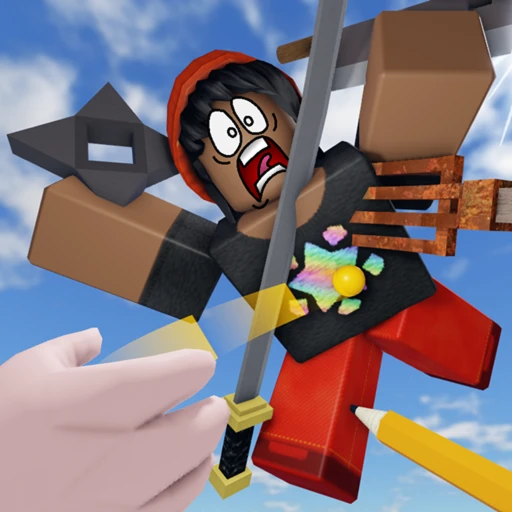
Ragdoll physics and party chaos power two of the most entertaining experiences on Roblox right now, and they deliver the fun in completely different ways. Fling Things and People hands you a physics sandbox where you grab chairs, dumpsters, vehicles, and other players, then hurl them across the map with zero rules and zero objectives. Knockout drops you into structured penguin arena combat where the last bird standing wins the round. One game is a playground. The other is a competition. Both pull tens of thousands of concurrent players every day in April 2026.
Fling Things and People sits at roughly 44,000 concurrent users with 2.87 billion lifetime visits, while Knockout holds strong at around 31,000 CCU with 687 million visits and a 97% approval rating -- one of the highest on the platform. This comparison breaks down everything that matters: gameplay, physics, progression, visuals, community, monetization, social features, and replay value so you can figure out which one fits the way you play.
Fling Things and People vs Knockout -- Quick Stats (2026)
| Category | Fling Things and People | Knockout |
|---|---|---|
| Genre | Comedy / Physics Sandbox | Party Brawler (Penguins) |
| Place ID | 6961824067 | 136764190843219 |
| Developer | Horomori | Braxworks |
| Concurrent Players | ~44K | ~31K |
| Total Visits | 2.87B+ | 687M+ |
| Player Rating | ~80% | 97% |
| Core Loop | Grab, fling, cause chaos | Arena rounds, last penguin standing |
| Economy | Slot machine currency system | Ice and Spins currencies |
| Key Feature | Building plots + full ragdoll sandbox | Competitive PvP with power-ups |
| Mobile-Friendly | Yes | Yes |
| Free-to-Play | Yes | Yes |
The numbers paint a clear picture. Fling Things and People commands a larger audience and has accumulated over four times as many total visits, reflecting its longer history on the platform and the universal appeal of ragdoll comedy. Knockout counters with that 97% approval rating -- the gap between 80% and 97% means Knockout converts nearly every visitor into a satisfied player, while a larger share of Fling Things and People's broader audience bounces after a session or two.
Gameplay -- What Do You Actually Do?
Fling Things and People
Fling Things and People by Horomori does exactly what the title promises. You load into a server, grab objects or other players with your character's hands, and fling them as hard as the physics engine allows. The game world is packed with interactive objects of varying sizes and weights. Small items like chairs and crates whip across the map with a quick flick. Heavier objects like vehicles and dumpsters require more momentum but produce far more spectacular results on impact.
The real magic kicks in when you grab another player. The ragdoll physics engage immediately, and you can spin them overhead like a hammer throw competitor building momentum before releasing them into orbit. There is no health bar, no score, and no win condition. The satisfaction is entirely kinetic -- watching a player pinball off three walls and land upside down on a rooftop never stops being funny.
Building plots add a creative layer that separates Fling Things and People from simpler ragdoll games. Players construct structures on personal plots that interact with the physics engine, meaning your creations become part of the chaos. Build a tower, fling someone into it, and watch the whole thing collapse. The construction-destruction loop gives creative players a reason to keep returning that pure sandbox games without building cannot match.
The slot machine economy ties everything together. Spinning the in-game slot machine awards random prizes including cosmetics, tools, and special items. The randomized rewards create a lightweight progression hook that sits on top of the physics gameplay without demanding attention or gating the core fun.
Knockout
Knockout by Braxworks channels physics-based mayhem into focused competitive rounds. You play as a penguin dropped into arena environments where the goal is to knock every other penguin off the platform or survive until the timer runs out. The penguin theming runs deep -- the waddling movement, the tumbling when struck, and the satisfying smack of penguin collisions all contribute to a game that feels cohesive from top to bottom.
Each round starts on a shared platform. You punch, dash, and use power-ups scattered across the arena to knock opponents toward the edge. Getting hit sends your penguin sliding based on force and angle, and the closer you sit to the edge, the more dangerous each hit becomes. This creates natural escalation -- early moments are about positioning, mid-round shifts to targeting weakened opponents near ledges, and the final seconds become tense standoffs between the last penguins standing.
Arenas rotate between rounds with different geometry, hazards, and gimmicks. Some platforms shrink over time, others feature moving obstacles, and a few include multiple tiers where getting knocked down does not always mean elimination. Power-ups add strategic depth: speed boosts for repositioning, strength buffs for harder hits, and shields to absorb a blow that would otherwise send you flying off the edge.
Knockout runs on a dual currency system of Ice and Spins. Ice is the primary currency earned through play, while Spins provide a gacha mechanic for rarer items. The flow is well calibrated -- progress never stalls for free players, but premium items remain aspirational enough to keep dedicated players working toward something.
Edge: Knockout for structured fun with competitive depth. Fling Things and People for unstructured creative freedom. Both deliver on their respective promises with precision.
Physics and Controls
Fling Things and People runs on a full ragdoll physics model where every object responds to forces in real time. Momentum builds naturally when you spin a grabbed player, and release timing determines trajectory. The physics are intentionally exaggerated but internally consistent enough that experienced players develop genuine skill in aiming launches. The grab mechanic uses simple click-and-hold input across PC and mobile, though mouse users maintain a precision advantage.
Knockout uses a more controlled model tuned for competitive fairness. Knockback scales predictably based on attack type, target velocity, and edge proximity. A stationary penguin absorbs hits better than one already sliding, rewarding center positioning. The dash mechanic serves both offense (dash-punching for extra knockback) and defense (dashing away from danger). Controls are tight and responsive with no input lag.
The fundamental difference: Fling Things and People's physics exist to create unpredictable comedy. Knockout's physics exist to create fair, readable competition. If you want to laugh at what just happened, Fling Things and People delivers. If you want to understand why it happened and improve next time, Knockout provides the framework.
Edge: Fling Things and People for physics spectacle. Knockout for competitive readability and mechanical fairness.
Progression -- How Does Each Game Keep You Playing?
Fling Things and People hooks you in 15 seconds. You spawn, grab someone, and fling them into a wall. No tutorial needed. Structured progression is minimal by design -- Horomori built a physics toy first, economy second. The slot machine provides a randomized reward drip, building plots offer long-term creative investment, and the physics sandbox itself generates an endless stream of new moments to discover. Your progression is measured in creativity, not levels.
Knockout structures progression around competitive improvement and cosmetic collection. Winning rounds earns Ice currency that feeds into unlocks. The Spins mechanic adds excitement around rare drops. The ranked ladder provides measurable skill tracking -- watching your rank climb over dozens of sessions delivers tangible evidence of improvement that sandbox games cannot offer. Penguin skins, hats, accessories, and celebration animations give collectors something to pursue between competitive milestones.
Edge: Fling Things and People for instant gratification. Knockout for structured goals and measurable improvement. The right pick depends on whether you want a toy or a game.
Graphics and Audio
Fling Things and People uses a bright, object-dense visual style where maps are packed with grabbable items in vivid colors. Character models use standard Roblox avatars with full ragdoll rigging, and the way they flop through the environment is where the visual comedy lives. Audio leans into impact feedback -- thuds, crashes, and the satisfying crack of a player hitting a surface at speed. The soundscape is reactive, selling the weight of every physics interaction without trying to set a mood.
Knockout benefits from tighter visual cohesion through the unified penguin aesthetic. The penguins are expressive despite their simplicity -- the waddle, the airborne flailing, the faceplant after a hard hit all sell comedy through animation. Arenas prioritize competitive readability with clean geometry and clear edge boundaries. Audio supports the game-show energy with punchy hit effects, penguin squawks, round-start fanfares, and an upbeat soundtrack that keeps sessions energized without becoming grating.
Edge: Knockout for visual polish and audio design that actively supports gameplay. Fling Things and People's visual chaos is entertaining but can get noisy during peak action.
Player Count and Community (July 2026)
Fling Things and People maintains 44,000 concurrent players and 2.87 billion total visits, placing it among the most-played comedy games in Roblox history. The audience skews casual and younger, with ragdoll clips performing consistently well on YouTube Shorts and TikTok. Server culture is loose, social, and naturally low-toxicity -- there is nothing to be toxic about when there is no scoreboard.
Knockout pulls 31,000 concurrent players with 687 million visits. The 97% approval rating is the standout metric, reflecting near-universal satisfaction among a statistically significant player base. Braxworks has grown the audience through consistent updates and strong word-of-mouth. Knockout servers carry competitive energy, but the penguin theme keeps things lighter than most PvP games -- getting punched off a ledge by a penguin is hard to stay mad about.
Both games maintain active Discord communities. Horomori has built a reputation for steady long-term support of Fling Things and People. Braxworks has earned trust through responsive communication and regular balance patches.
Edge: Fling Things and People for sheer volume and cultural footprint. Knockout for player satisfaction and community quality.
Game Passes and Monetization
Fling Things and People offers game passes focused on cosmetics and convenience -- character customization, special fling effects, and quality-of-life improvements. The slot machine economy provides a secondary spending pathway for additional spins. Pricing falls between 100 and 500 Robux for most passes. No purchase affects grab-and-fling physics, keeping the sandbox fair for free players.
Knockout monetizes through penguin cosmetics and the Ice/Spins currency system. Skins, hats, accessories, and effects range from affordable impulse buys to premium items. Most individual transactions cost between 50 and 300 Robux, keeping the barrier low. No purchasable item affects penguin stats, knockback, or any gameplay variable. Competitive integrity is absolute.
Edge: Knockout for wider cosmetic variety at accessible price points. Both games avoid pay-to-win entirely, but Knockout's system provides more frequent engagement with the economy.
Social Features -- Playing with Friends
Fling Things and People generates social moments organically. The physics sandbox produces shared experiences naturally -- a chain reaction that sends six players tumbling in different directions creates instant communal entertainment. Building plots add cooperative potential where friends construct together, destroy together, and rebuild. Private servers give groups full control. The absence of competition means social interactions default to laughter rather than frustration, making it one of the most positive social environments on Roblox.
Knockout structures its social experience around competitive interaction. Lobbies between rounds allow socializing and cosmetic showoffs. In-round dynamics generate natural narratives -- temporary alliances, targeted eliminations, tense final standoffs. Playing with friends adds coordinated attacks, trash talk, and win-streak tracking that builds competitive bonds over time. Private matches support tournament-style sessions among groups.
Edge: Fling Things and People for organic social warmth. Knockout for competitive bonding through shared rivalry.
Replay Value
Fling Things and People generates replay value through emergence. The physics engine produces different outcomes every time, even from identical actions. Building plots extend the ceiling for creative players. The content creator pipeline -- watch a clip, attempt to recreate it, share results -- fuels a self-sustaining engagement cycle. This explains how the game maintains 44,000 CCU without complex progression or aggressive content updates.
Knockout builds replay value through competitive depth. The ranked ladder provides measurable improvement, cosmetic collection gives secondary goals, and regular updates from Braxworks keep the meta shifting. As you climb ranks, opponents improve alongside you, ensuring the challenge evolves with your skill rather than becoming static.
Edge: Draw. Fling Things and People offers infinite emergent variety. Knockout offers infinite competitive depth. Your preference for sandbox freedom versus structured competition determines which one lasts longer.
Earning Potential -- Free Robux While You Play
Whether you want penguin skins in Knockout or slot machine spins in Fling Things and People, extra Robux stretch your enjoyment without opening your wallet. Fling Things and People sessions are inherently flexible -- no round timers or match commitments, so you can tab over to Earnaldo between flings. Knockout rounds run 2-5 minutes with lobby gaps between them, providing structured break points for earning tasks.
For game-specific strategies, check our dedicated guides: Fling Things and People free Robux guide and Knockout free Robux guide. Stay updated with working codes: Fling Things and People codes | Knockout codes. For full game breakdowns, visit our hub pages: Fling Things and People guide | Knockout guide.
Earn Free Robux for Fling Things and People or Knockout
Complete simple tasks on Earnaldo and withdraw real Robux -- no downloads, no generators, no scams.
Head-to-Head Verdict -- Fling Things and People vs Knockout in 2026
The Verdict
Choose Fling Things and People if you want a zero-pressure sandbox where the physics engine provides the entertainment and every session produces moments you could not plan. The building plots, the slot machine economy, and the ragdoll chaos combine into a playground that rewards creativity over competition. With 2.87 billion visits and 44,000 daily concurrent players, the game has proven that fun does not require a win condition. Best for players who value creative freedom, social chaos, and comedy over structured competition.
Choose Knockout if you want physics-based fun channeled into a competitive format with clear winners, tangible progression, and one of the highest satisfaction ratings on Roblox. The penguin arena brawler delivers tight gameplay, fair competition, a dual-currency economy that respects free and paying players alike, and a cosmetic system worth investing in. That 97% rating exists because Knockout nails its core loop. Best for players who want to improve, compete, and track their growth.
Overall winner: Knockout -- by a narrow margin. The tighter design, higher player satisfaction, competitive depth, and superior cosmetic ecosystem give Knockout the edge for players who want a game that grows with them. But Fling Things and People's instant-fun sandbox, building system, and physics comedy remain genuinely unmatched on Roblox. Many players keep both in rotation depending on mood, and that is the smartest approach.
Who Should Play What?
- You want instant, zero-effort fun: Fling Things and People. No learning curve, laughs start within seconds.
- You want competitive physics combat: Knockout. The arena format and ranking system reward skill and strategy.
- You enjoy building and creating: Fling Things and People. Building plots provide a creative outlet Knockout does not offer.
- You want to track your improvement: Knockout. Ranked progression and round stats let you measure growth over time.
- You play with younger siblings: Fling Things and People. No losing, no frustration, and ragdoll physics make every kid laugh.
- You want the best cosmetics: Knockout. The penguin cosmetic system is deep, varied, and affordably priced.
- You create content: Both work. Fling Things and People generates viral physics clips. Knockout produces competitive highlights.
- You want to earn Robux: Both pair with Earnaldo. Fling Things and People offers unlimited break points. Knockout provides structured lobby gaps.
Frequently Asked Questions
Is Fling Things and People or Knockout more popular on Roblox in 2026?
Fling Things and People leads in both concurrent players (around 44,000) and total visits (2.87 billion) compared to Knockout's 31,000 concurrent players and 687 million visits. However, Knockout holds a 97% player approval rating versus Fling Things and People's roughly 80%, indicating that a higher share of Knockout's audience leaves satisfied. The visit gap partly reflects Fling Things and People's longer time on the platform.
Which game is better for younger kids, Fling Things and People or Knockout?
Both games are suitable for all ages. Knockout's penguin theme and structured rounds make it slightly more approachable for kids under 10 who benefit from clear objectives. Fling Things and People's open sandbox can feel directionless at first, but the silliness of flinging ragdolls wins over children of any age within seconds. For the youngest players, the lack of losing in Fling Things and People may be the deciding factor.
Can you play Fling Things and People and Knockout on mobile?
Yes, both are fully playable on mobile through the Roblox app on iOS and Android. Fling Things and People's grab-and-fling controls translate reasonably well to touchscreen, though precision aiming is harder without a mouse. Knockout's arena combat plays well on mobile since the enclosed arenas keep action contained and the punch-dash controls map cleanly to touch inputs.
Is Fling Things and People or Knockout better with friends?
Both improve with friends in different ways. Fling Things and People is at its best when a group of friends causes chaos together and collaborates on building plots. Knockout works well with friends through direct arena competition, win-streak tracking, and developing rivalries over multiple sessions. For pure laughs, Fling Things and People wins. For competitive bonding, Knockout takes it.
Do Fling Things and People and Knockout have active codes in April 2026?
Yes, both games release codes periodically for free in-game rewards. We maintain updated code lists: Fling Things and People codes (July 2026) and Knockout codes (July 2026). Bookmark those pages and check back as new codes drop throughout the month.
Which game has better replay value, Fling Things and People or Knockout?
Fling Things and People generates near-infinite replay value through emergent physics chaos and the building system, since no two sessions play out the same way. Knockout provides replay value through competitive improvement, ranked progression, and cosmetic collection. Sandbox players get more hours from Fling Things and People. Competitive players find Knockout keeps them returning longer.