Forsaken vs Anime Vanguards (2026) -- Horror RPG or Anime Tower Defense?
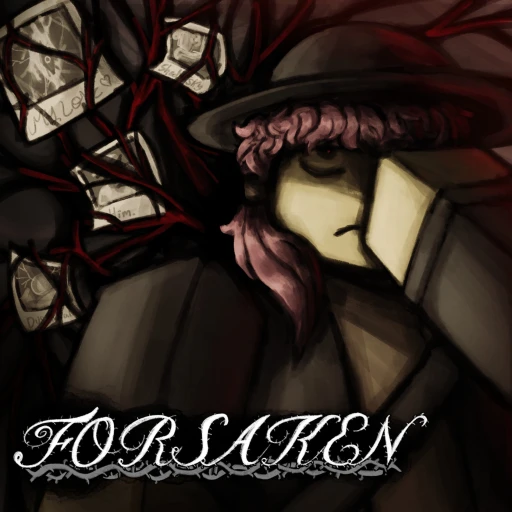
Two of the most-played Roblox experiences in 2026 could not look more different on the surface. Forsaken is an asymmetric survival horror game where eight survivors fight to escape a single player-controlled killer across dark, claustrophobic maps. Anime Vanguards is a tower defense game where you collect over 200 anime-inspired units and deploy them strategically to stop waves of enemies from breaching your line.
One drops you into pitch-black environments where every footstep might be your last. The other hands you a roster of gacha characters and asks you to build the most efficient defensive formation possible. Horror versus strategy. Reflexes versus planning. Adrenaline versus optimization. On paper, these games have almost nothing in common -- but both pull tens of thousands of concurrent players daily, both have passionate communities, and both offer compelling reasons to spend Robux on game passes.
This comparison breaks down every category that matters -- gameplay loops, progression systems, monetization, community strength, replay value, and content cadence -- so you can decide which one deserves your next session. If you already play one, this might convince you to try the other.
Forsaken vs Anime Vanguards -- Quick Stats (July 2026)
| Category | Forsaken | Anime Vanguards |
|---|---|---|
| Genre | Asymmetric 8v1 survival horror | Anime tower defense / gacha |
| Place ID | 137064461853498 | 75736498700803 |
| Developer | Forsaken Dev Team (UndeadNationIsFun) | Kitawari |
| Total Visits | 4.6B+ | 1.8B+ |
| Concurrent Players | ~37K CCU | ~19K CCU |
| Approval Rating | ~85% | ~88% |
| Release Date | July 2024 | January 2024 |
| Core Loop | Repair generators, escape the killer | Place units, defeat enemy waves |
| Team Size | 8 survivors vs 1 killer (PvP) | 1-4 players (PvE co-op) |
| Characters/Units | 13 survivors, 7 killers | 200+ collectible units |
| Key Game Passes | VIP (799R), 2x Emotes (199R), Killer Chance (200R) | Shiny Hunter (1,299R), Display Units (599R), Premium BP (799R) |
| Progression | Player Points, EXP, character unlocks | Gems, Stat Chips, unit upgrades, Battle Pass |
| Codes System | Limited (codes list) | Active (codes list) |
| Mobile Support | Yes | Yes |
| Free-to-Play | Yes | Yes |
Gameplay -- Two Completely Different Loops
Forsaken
Forsaken drops you into the most primal kind of multiplayer experience: a hunt. Eight survivors spawn into a darkened environment -- sometimes a factory floor, sometimes a beach house, sometimes a manor dripping with gothic atmosphere. One player takes the role of the killer. Survivors need to find generators scattered across the map, repair them to power the exit gates, and escape before the killer eliminates everyone. The killer needs to track, down, and hook every survivor before the timer expires.
Playing as a survivor means managing fear in real time. You hear directional audio cues -- footsteps, breathing, the killer's unique ambient sound signature. Each of the seven killer characters plays differently, and experienced survivors learn to identify which killer they face based on audio alone. The Slasher is aggressive and fast. 1x1x1x1 manipulates the environment. Guest 666 brings supernatural abilities that warp how survivors interact with the map. Nosferatu stalks quietly and punishes careless movement.
Repairing a generator forces you into a vulnerable position. You are stationary, producing noise, and focused on a skill check that demands attention you would rather spend watching the darkness around you. The decision to commit to a repair or abandon it when you hear something approaching is where Forsaken generates its best tension. Every round plays out differently because the killer is a thinking, adapting human player who learns your patterns and exploits your habits.
Matches run between five and fifteen minutes. That short cycle is a massive strength -- a bad round costs you ten minutes at most, and you can fit half a dozen games into an hour. Switching between survivor and killer roles between rounds doubles the variety. The two sides demand completely different skills, and mastering both takes hundreds of hours.
Anime Vanguards
Anime Vanguards puts a completely different part of your brain to work. Instead of reactive survival under pressure, it asks you to build, optimize, and execute defensive strategies using a roster of over 200 anime-inspired units. Each unit has unique abilities, attack ranges, damage types, and synergies with other characters. Placing the right unit in the right position at the right time is the difference between a clean wave clear and a total collapse.
The game offers three main modes. Story Mode takes you through a narrative campaign with escalating difficulty, introducing new enemy types and map layouts as you progress. Infinite Mode tests how long your formation can hold against waves that never stop getting harder -- this is where theory-crafted builds and maxed-out units prove their worth. Challenge Mode imposes specific restrictions that force you to rethink strategies you take for granted, like clearing a map using only units from a specific anime series or beating a stage without any healing characters.
Unit collection drives the long-term engagement loop. Anime Vanguards uses a gacha summoning system where you spend Gems to pull random units from the available pool. One summon costs 50 Gems, and ten-pulls cost 500 Gems. The roster samples from across anime culture -- shounen action heroes, slice-of-life characters, and everything between. Pulling a rare unit you have been chasing for days carries a specific kind of satisfaction that Forsaken's gameplay never tries to replicate.
Upgrading units through Stat Chips, Trait Rerolls, and evolution materials adds layers of optimization on top of collection. Two players running the same unit can see different performance based on how they have invested in that character. The depth of the upgrade system means even common units can become viable for endgame content when properly built, rewarding players who invest time into understanding the math behind damage calculations and synergy multipliers.
Edge: Forsaken for moment-to-moment intensity and social gameplay. Anime Vanguards for strategic depth, long-term collection, and content variety. These games scratch fundamentally different itches, and the "better" gameplay depends entirely on whether you want your heart racing or your spreadsheet open.
Progression and Reward Systems
Forsaken
Forsaken tracks progress through Player Points and EXP. Completing matches as either survivor or killer earns experience that unlocks new characters, perks, skins, and emotes over time. The VIP game pass accelerates this with a permanent 25% EXP boost across all characters, which stacks meaningfully over weeks of play.
Survivor progression revolves around perk loadouts. As you level up, you unlock perks that modify how you play -- faster generator repairs, quieter movement, extended hearing range, reduced detection aura. Two survivors with different perk configurations handle the same situation in noticeably different ways, and the perk system gives you a reason to keep playing beyond just chasing wins.
Killer progression unlocks new killer characters and skins. Each of the seven killers has a distinct ability set, and unlocking a new one opens up a playstyle you did not have access to before. The progression curve is steady but not fast, which creates a meaningful sense of investment in each unlock. There are no shortcuts beyond VIP -- every character and perk requires actual play time to earn.
Anime Vanguards
Anime Vanguards layers multiple progression systems on top of each other. Gems fuel the gacha summoning system. Stat Chips upgrade individual unit stats. Trait Rerolls let you reroll a unit's traits to chase optimal builds. Memoria Shards, Rainbow Essence, Phoenix Shards, and Elemental Shards each serve specific upgrade paths for different unit rarities and evolution tiers. Gold handles general purchases, and seasonal currencies like Flowers, Leaves, and Cake Slices tie into limited-time event shops.
The Battle Pass adds a structured seasonal progression track. The free tier provides baseline rewards as you play through the season. The premium tier at 799 Robux adds exclusive units, cosmetics, and currency bundles at each level. Each season refreshes the pass, creating a recurring investment opportunity for players who want maximum rewards.
Active codes supplement the grind. Anime Vanguards releases codes through the official Discord, the developer Kitawari's X account, and YouTube -- typically alongside update announcements. These codes reward Stat Chips, Gems, Trait Rerolls, and seasonal materials. The code system gives free-to-play users a consistent source of premium resources, which is something Forsaken lacks in comparison. Check our Anime Vanguards codes page for the latest active codes.
Edge: Anime Vanguards. The layered progression systems, seasonal Battle Pass, and active code releases give players more to work toward at every stage of the game. Forsaken's progression is clean and straightforward, but Anime Vanguards provides a deeper reward loop that keeps daily sessions feeling productive.
Game Passes and Monetization
Forsaken
Forsaken's premium offerings are straightforward. The VIP pass at 599 Robux is the flagship purchase. It grants a permanent 25% EXP boost for all characters, a toggleable [VIP] title, exclusive Noob and Slasher skins, exclusive emotes including "Hakari Dance" and "Who Wins," and access to developer-exclusive content in private servers -- including special characters like Gubby, Erlking, BRIMSTONE, Herobrine, Sukuna, and others that are otherwise unavailable.
The Additional 2x Emotes pass at 199 Robux unlocks a second emote wheel with eight additional slots, purely cosmetic but popular with players who use emotes as social currency in lobbies. The Killer Chance pass at 200 Robux gives you 15 additional Killer Chance points, increasing your odds of being selected as the killer each round -- a smart purchase for players who prefer the hunter role.
None of these passes break the competitive balance. VIP accelerates progression but does not make your character stronger in any given match. Killer Chance is a preference toggle, not a power boost. The core gameplay remains identical for free and paying players, which is a line Forsaken has been careful not to cross.
Anime Vanguards
Anime Vanguards monetizes across a wider surface area. The Shiny Hunter pass at 1,299 Robux is the most expensive single purchase, permanently increasing your chances of pulling shiny variants of units from the gacha system. Shiny units carry visual upgrades and stat bonuses, making this pass a long-term investment for dedicated collectors.
The VIP pass doubles time machine profits and reduces gem costs by 20% on gacha pulls -- a steady efficiency boost that compounds over months of play. The Display All Units pass at 599 Robux lets you showcase six units in the lobby, which is low on utility but high on personal expression. The premium Battle Pass at 799 Robux per season adds the densest reward track in the game.
The gacha system itself represents Anime Vanguards' primary monetization lever. Gems can be earned through gameplay, codes, and the Battle Pass, but the pull rates for top-tier units create pressure to acquire more Gems than free play alone provides. This is standard for gacha tower defense games on Roblox, and Anime Vanguards handles it about as fairly as the genre allows -- but players should understand that the collection aspect is designed to encourage spending.
Edge: Forsaken. Simpler, cheaper, and less aggressive. Forsaken's three game passes total around 1,200 Robux for the full set and none of them affect competitive outcomes. Anime Vanguards' passes total higher and the gacha system adds ongoing spend pressure. Both games are free to play at their core, but Forsaken keeps the wallet impact lower.
Characters, Units, and Roster Depth
Forsaken
Forsaken's character roster is deliberately small and tightly designed. Thirteen playable survivors each bring a unique skillset to matches. The recent addition of Jane Doe in the Chapter 3 update expanded the survivor pool with new abilities that shifted how teams approach generator repairs. On the killer side, seven characters each play differently enough to feel like distinct game modes -- The Slasher, C00lkidd, John Doe, 1x1x1x1, Noli, Guest 666, and Nosferatu each demand a different approach from both the player controlling them and the survivors trying to escape.
The killer designs pull from Roblox myth culture, grounding the game in platform-specific lore that resonates with the community. Guest 666 is not just a killer with abilities -- it is a character that carries years of Roblox urban legend weight. That cultural connection gives Forsaken's roster an emotional dimension that purely original characters would lack.
New characters arrive at a measured pace. Each addition reshuffles the meta because survivors need to learn the new killer's tells, abilities, and counterplay patterns. A roster of 20 characters that each require deep learning beats a roster of 200 where most are functionally interchangeable. Forsaken chose quality over quantity, and the decision pays off in match-to-match variety.
Anime Vanguards
Anime Vanguards takes the opposite approach with over 200 collectible units and a roster that grows with every major update. Characters span the breadth of anime culture -- you might deploy a battle-hardened shounen protagonist alongside a slice-of-life side character, and both will perform a meaningful role in your defensive formation if properly upgraded.
Unit rarity tiers create a natural progression curve. Common and uncommon units carry you through early story content. Rare and epic units handle mid-game challenges. Legendary and mythic units define the endgame meta, and pulling one from the gacha system feels like an event because the odds are designed to make top-tier pulls genuinely scarce.
The shiny variant system adds a collection layer on top of the collection layer. Shiny units are visually distinct and statistically superior, turning every pull into a double question: did I get the unit I wanted, and did it come in its shiny form? That two-axis rarity system is what keeps gacha-oriented players grinding for months, chasing perfect versions of their favorite characters.
Synergy systems reward deep roster knowledge. Certain unit combinations trigger passive bonuses when deployed together, incentivizing players to build themed teams rather than just stacking the five strongest individual units. Figuring out which units synergize, which maps favor which compositions, and how seasonal event units interact with the existing roster is a puzzle that evolves with every update.
Edge: Anime Vanguards for breadth and collection depth. Forsaken for individual character weight and the impact each roster addition has on gameplay. If you want a game where every character matters deeply, Forsaken delivers. If you want a game where building and curating a massive roster is the point, Anime Vanguards wins by a wide margin.
Community and Content Ecosystem
Forsaken has built a community around shared survival stories and competitive culture. The official Discord hosts tier lists ranking killers and survivor perks, strategy discussions about map-specific approaches, and highlight clips where a survivor pulls off a clutch escape or a killer wipes the entire lobby in under three minutes. Content creators thrive on the dramatic moments that PvP naturally produces -- a single Forsaken match can generate a highlight reel that performs well on TikTok and YouTube Shorts. The developer group has over 3.3 million members, and community events around new killer launches generate significant buzz.
Anime Vanguards built its community around optimization culture and shared discovery. The Discord buzzes with unit tier lists, formation guides, gacha pull celebrations, and debates about which units deserve investment. When a new update drops, the community collectively reverse-engineers pull rates, tests new unit synergies, and publishes optimized strategies within hours. Kitawari's announcement cadence keeps the content pipeline flowing -- codes, updates, events, and Battle Pass seasons create a rhythm of activity that gives content creators a steady stream of material to cover. The game made headlines in late 2025 when it surpassed Blox Fruits in revenue, validating the strength of its monetization model and community loyalty.
Edge: Split. Forsaken produces better viral moments. Anime Vanguards produces more consistent content volume. Both communities are deeply engaged, active on Discord, and supportive of content creators. Your preference depends on whether you want dramatic PvP stories or deep strategy discussions.
Replay Value
Forsaken
PvP replay value is functionally unlimited. Every match plays differently because the killer is a human being with their own strategies, instincts, and adaptations. A survivor who has played 500 matches will still encounter situations they have never seen before because human opponents are unpredictable by nature. The role-switching between survivor and killer effectively doubles the game, and mastering both sides takes dedication that scales well into hundreds of hours.
New killer releases reset the meta entirely. When a new killer character drops, every survivor in the game has to learn its abilities, tells, and counterplay from scratch. That learning curve reinjects novelty into the experience without requiring a content overhaul. The seven killers currently available provide enough variety that no two consecutive matches feel identical, and each addition to the roster multiplies the possible matchups.
The social element reinforces replay value. Playing with friends in voice chat transforms Forsaken from a solo survival game into a collaborative horror experience where coordinating escapes, calling out killer positions, and executing team strategies keeps groups coming back night after night. The game is at its best when played with a consistent squad that develops shared shorthand and inside jokes about memorable matches.
Anime Vanguards
Collection-driven replay value operates on a different timeline than PvP. Where Forsaken keeps you coming back match to match, Anime Vanguards keeps you coming back day to day, week to week, season to season. The gacha system means there is always another unit to chase. The upgrade system means there is always another optimization to pursue. The Battle Pass means there is always a seasonal track to complete.
Infinite Mode provides the purest test of replay value -- how far can your best formation push before the waves overwhelm it? Improving your personal record by even a single wave feels meaningful when it took days of unit upgrades and formation tweaks to achieve. That incremental progress loop hooks players who enjoy measurable self-improvement.
Content updates land frequently. Update 12 is the current version, and each numbered update brings new units, new story chapters, new maps, and new challenges. Seasonal events with exclusive currencies and limited-time units create urgency that pulls players back even during periods when they might otherwise take a break. The content cadence is aggressive by Roblox standards, and it keeps the game feeling fresh for long-term players.
Edge: Forsaken for session-to-session unpredictability. Anime Vanguards for long-term progression goals and content freshness. Forsaken is the game you play because tonight might produce the match you talk about for months. Anime Vanguards is the game you play because tomorrow might bring the unit that completes your dream formation.
Who Should Play What?
Play Forsaken if you want:
- Heart-pounding PvP tension where a real human player is hunting you
- Short 5-15 minute matches that fit into any schedule
- Horror atmosphere built on Roblox myth culture and directional audio design
- A game where skill and awareness matter more than collection or spending
- The thrill of switching between survivor and killer roles every round
- A tight character roster where every addition reshapes the entire meta
Play Anime Vanguards if you want:
- Deep strategic gameplay that rewards planning and optimization
- A massive 200+ unit roster with gacha collection and upgrade systems
- Multiple game modes including Story, Infinite, and Challenge
- Frequent updates, seasonal events, and a Battle Pass reward track
- Co-op PvE gameplay you can enjoy with up to three friends
- Active codes that provide steady free resources (grab the latest codes)
Play both if you want:
- Two games that cover completely different moods -- adrenaline horror and strategic optimization
- A quick-session PvP game (Forsaken) and a progression-rich PvE game (Anime Vanguards) in rotation
- Maximum value from earning free Robux since both have worthwhile game passes
Final Verdict
Forsaken wins on raw intensity and competitive PvP. The 8v1 format produces tension that tower defense cannot replicate, the short match times keep sessions feeling dynamic, and the human element means no two games are ever the same. With 37K concurrent players and 4.6 billion visits, it has proven that asymmetric horror works at massive scale on Roblox. If you value skill-based gameplay and the social experience of surviving with friends against a human predator, Forsaken is the stronger pick.
Anime Vanguards wins on depth, longevity, and content density. Over 200 units, layered progression systems, frequent updates, an active code economy, and the addictive gacha collection loop create an experience you can sink months into without hitting a ceiling. It surpassed Blox Fruits in revenue for a reason -- the gameplay hooks are engineered to keep players engaged across seasons. If you value strategy, collection, and steady measurable progress, Anime Vanguards is the stronger pick.
These games do not compete with each other. They serve different needs, demand different skills, and reward different types of engagement. The best approach is to keep both installed and alternate based on your mood. Forsaken for when you want your hands shaking. Anime Vanguards for when you want your brain working.
Frequently Asked Questions
Forsaken leads with roughly 37K concurrent players and over 4.6 billion total visits. Anime Vanguards sits at around 19K CCU with 1.8 billion visits. Both are firmly in the Roblox top 50, but Forsaken commands nearly double the active player base. That said, Anime Vanguards made headlines for surpassing Blox Fruits in revenue during late 2025, proving its monetization and community loyalty punch well above its CCU weight.
Neither game pays Robux directly, but both offer strong reasons to earn Robux through platforms like Earnaldo. Forsaken's VIP pass at 599 Robux gives 25% bonus EXP and exclusive skins. Anime Vanguards has the Shiny Hunter pass at 1,299 Robux and a premium Battle Pass at 799 Robux each season. Earning Robux externally lets you unlock these passes without spending your own money.
Forsaken's code system is limited compared to most Roblox games. Active codes appear infrequently and tend to reward coins and cosmetic items. Check the official Forsaken Discord or the developer's X account for announcements. Anime Vanguards has a more robust code system with frequent releases that reward Stat Chips, Gems, Trait Rerolls, and seasonal currencies. Visit our Forsaken codes and Anime Vanguards codes pages for updated lists.
Both games support mobile play. Forsaken's controls work on touchscreen, though the directional audio and fast-reaction gameplay benefit from headphones and a larger screen. Anime Vanguards translates well to mobile because tower defense is a slower-paced genre where precise placement matters more than reaction speed. Tablet users tend to have the best mobile experience for both titles.
Forsaken is an asymmetric survival horror game where 8 survivors face off against 1 player-controlled killer, inspired by Dead by Daylight. Anime Vanguards is a tower defense game where you collect anime-inspired units and place them strategically to defeat waves of enemies across Story, Infinite, and Challenge modes. The two games share almost nothing in terms of mechanics, which makes them strong complements rather than direct competitors.
Anime Vanguards updates more frequently with numbered content drops (currently on Update 12) that add new units, maps, story chapters, and seasonal events. Forsaken updates on a steadier cadence with new killer characters, maps, survivor additions, and balance patches. Both developers maintain active communities, but Anime Vanguards has the faster content pipeline given the nature of gacha-style tower defense games that rely on roster expansion.
Earn Free Robux for Forsaken and Anime Vanguards Passes
Want VIP in Forsaken or Shiny Hunter in Anime Vanguards without spending your own cash? Earn free Robux through Earnaldo and unlock every game pass across both titles.