Insane Elevator vs Piggy (2026) -- Which Roblox Horror Game Is Better?
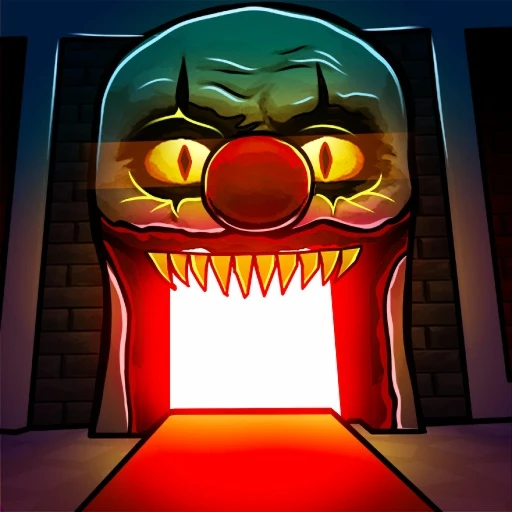
Roblox horror comes in a lot of flavors, but two games have carved out permanent space in the genre through completely different approaches. Insane Elevator throws you into a chaotic elevator ride where random floors unleash unpredictable killers, monsters, and disasters on an unsuspecting group of players. Piggy drops you into a story-driven escape room nightmare where a relentless infected creature hunts you down while you scramble for keys, solve puzzles, and try to reach the exit before time runs out.
One game thrives on randomness and collective panic. The other builds dread through structured chapters and deliberate puzzle design. Both have earned massive audiences on Roblox, and both deliver genuine scares -- but the experiences are about as different as two horror games can get while sharing a platform.
Insane Elevator, developed by Nokox333 and Digital Destruction, has racked up over 1.48 billion visits with an 85.9% approval rating and a steady concurrent player base around 5,000-7,000. Piggy, created by MiniToon, became a cultural phenomenon on Roblox after launching in 2020, accumulating billions of visits and becoming one of the most recognizable horror franchises the platform has ever produced.
This comparison covers every category that matters -- gameplay, horror design, progression, graphics, community, monetization, social features, and replay value -- so you can decide which Roblox horror game deserves your time in 2026.
Insane Elevator vs Piggy -- Quick Stats (2026)
| Category | Insane Elevator | Piggy |
|---|---|---|
| Genre | Horror/survival elevator game | Horror escape room / survival |
| Place ID | 4104106043 | 4623386862 |
| Developer | Nokox333 / Digital Destruction | MiniToon |
| Total Visits | 1.48B+ | Billions |
| Approval Rating | 85.9% | Very high (iconic status) |
| Typical CCU | ~5,000-7,000 | Varies; spikes during updates |
| Core Loop | Ride elevator, survive random floors | Escape maps, solve puzzles, avoid Piggy |
| Horror Style | Jump scares, random killers (25+) | Psychological tension, pursuit horror |
| Story | Minimal (event-driven chaos) | Deep chapter-based narrative |
| Roles | All players are survivors | Infected vs survivors |
| Mobile-Friendly | Yes (minimal controls needed) | Yes (puzzle-solving tighter on touch) |
| Free-to-Play | Yes | Yes |
Gameplay -- What Do You Actually Do?
Insane Elevator
Insane Elevator operates on one of the most straightforward premises in Roblox horror: you step into an elevator with a group of players, the doors close, and when they open again, something terrible is waiting. That something changes every single floor. Over 25 different killers and scenarios can appear -- from chainsaw-wielding maniacs and giant spiders to flooding rooms and collapsing floors. The randomness is the entire point. You never know what is coming next, and neither does anyone else in the elevator with you.
The gameplay is reactive rather than strategic. When the doors open and a killer rushes in, you have seconds to figure out the threat and respond. Some floors require you to dodge, others require you to hide, and a few just kill everyone outright if you are standing in the wrong spot. There is no preparation phase and no planning window. You ride, you react, you survive or you do not. Rounds cycle fast -- a full elevator run takes roughly 3-8 minutes depending on how many floors you survive -- and then you are back in the lobby ready for another roll of the dice.
The appeal is pure chaos. Watching a full elevator of players panic when a massive monster bursts through the doors never gets old, and the shared experience of collective fear creates memorable moments without requiring any skill or game knowledge. A brand new player and a veteran ride the same elevator, face the same randomized threats, and have roughly equal chances of making it out alive. That accessibility is a huge part of why Insane Elevator has held over a billion visits.
Piggy
Piggy is a fundamentally different kind of horror game. Each match takes place on a specific map -- a house, a school, a hospital, a subway station, and many more across the game's extensive chapter list. Your goal as a survivor is to find keys, solve environmental puzzles, unlock doors, and ultimately escape the map before the timer runs out. Standing in your way is Piggy: an infected character controlled by another player (or AI in bot mode) that patrols the map and can knock you out with a single hit.
The puzzle-solving layer is what separates Piggy from most Roblox horror games. You are not just running and hiding -- you are actively working through a sequence of tasks under extreme pressure. Finding a blue key to open the blue door that gives you access to the wrench that fixes the generator that unlocks the exit requires you to memorize map layouts, understand item locations, and manage your route efficiently while a killer stalks every hallway. The first time you play a new chapter, you are genuinely lost and vulnerable. By the tenth playthrough, you are speedrunning optimal routes and making split-second detour decisions when Piggy cuts off your planned path.
The role system adds another dimension. In multiplayer matches, one player becomes the Infected and hunts everyone else. Playing as the hunter completely changes the experience -- you go from panicked prey to methodical predator, learning patrol routes, predicting survivor behavior, and cutting off escape paths. The asymmetric structure means every match has two fundamentally different experiences happening simultaneously, and cycling between them keeps the game fresh across hundreds of plays.
Piggy also delivers something rare for Roblox: a genuine narrative. The chapter-based story follows an evolving infection plotline with characters, twists, and an emotional arc that kept millions of players invested across multiple seasons. You are not just escaping rooms -- you are uncovering what happened and why.
Edge: Piggy for depth, skill ceiling, and narrative investment. Insane Elevator for instant accessibility and chaotic fun. Piggy gives you puzzles to solve, routes to optimize, and a story to follow. Insane Elevator gives you an elevator full of screaming players and a random monster. Both deliver on their promise, but Piggy asks more of you and rewards that investment with a richer experience.
Horror Design -- How Do They Scare You?
Insane Elevator
Insane Elevator relies on surprise and variety. The scare factor comes from not knowing what waits behind the doors. With over 25 killers and scenarios in the rotation, even experienced players encounter setups they have not seen in weeks. The horror is front-loaded -- the doors open, something terrifying appears, and the reaction is immediate. Jump scares land because the timing is always uncertain. You might get three calm floors in a row and then a killer that fills the entire elevator shaft.
The variety of killers deserves credit. The game does not rely on a single monster or threat archetype. Some killers are slow but deadly if they catch you. Others are fast and chase you through connected rooms. Environmental hazards like flooding, fires, and collapsing structures create horror through the setting itself rather than a pursuing enemy. This rotation keeps the fear fresh even after dozens of rides, because the pattern is unpredictable enough that muscle memory cannot fully protect you.
The limitation is emotional depth. Insane Elevator scares you in the moment, but the fear dissipates the second the round ends. There is no lingering tension, no building dread, no atmosphere that stays with you between sessions. The scares are sharp but shallow -- fireworks rather than a slow burn.
Piggy
Piggy builds horror differently. The scare is not the moment Piggy appears -- it is every second before that moment. Walking through a dark hallway knowing the infected player is somewhere on the map, hearing footsteps that might be a teammate or might be your killer, making the decision to open a door that could have Piggy waiting on the other side. The tension is sustained across the entire match, and it gets worse as the timer counts down and you still need three more items to escape.
The pursuit mechanic is central to Piggy's horror identity. When Piggy spots you, the chase that follows generates real panic -- you are sprinting through corridors, making snap decisions about which direction to run, trying to break line of sight without getting cornered. The one-hit-down system means there is zero margin for error. Getting caught is not a setback; it is game over. That lethality gives every encounter genuine stakes that make your palms sweat in a way that few Roblox games achieve.
Map design amplifies the horror. Tight corridors limit your vision. Multiple floors create vertical uncertainty about where the threat is. Dead-end rooms punish exploration without planning. Every chapter is a carefully constructed maze designed to make you feel trapped even when the exit is technically reachable. The audio cues -- Piggy's footsteps growing louder, the ambient soundtrack shifting when the infected is nearby -- train your brain to associate certain sounds with danger, building a Pavlovian fear response that carries across sessions.
Edge: Piggy. Insane Elevator delivers effective jump scares through variety and unpredictability, and it does that well. But Piggy builds a horror experience with layers -- anticipation, pursuit tension, environmental dread, and narrative stakes -- that creates a deeper and more lasting sense of fear. If you want quick scares, Insane Elevator delivers. If you want genuine horror that gets under your skin, Piggy is operating on another level.
Progression -- How Does Each Game Keep You Playing?
Insane Elevator
Insane Elevator keeps players coming back through the content rotation itself rather than a traditional unlock system. The primary hook is encountering killers and scenarios you have not seen yet. With over 25 possibilities, filling out your mental catalog of every floor type takes genuine time. Each ride is a slot machine pull -- sometimes you get familiar encounters, sometimes you see something completely new, and the anticipation of the unknown is the progression mechanic in its purest form.
Game passes provide tangible upgrades. The VIP pass (14 Robux) offers perks at a price point accessible to nearly any player. The Starter Pack (9 Robux) gives new players a head start for less than a dollar. For players willing to spend more, God Mode (149 Robux) provides survival advantages that fundamentally change the experience, and the FLY pass (149 Robux) unlocks aerial movement that opens up completely new strategies for avoiding killers. These passes create a clear upgrade path for invested players while keeping the free experience fully playable.
The game does not use a code system, so there are no periodic freebies to chase. Updates that add new killers and floor scenarios are the primary content cadence, and each addition refreshes the entire experience because it changes the probability table of what you might encounter on any given ride.
Piggy
Piggy has a significantly deeper progression structure. The chapter system itself is a progression path -- each chapter introduces a new map with unique puzzles, layout, and story beats. Playing through every chapter from Book 1 through Book 2 and beyond represents hours of content, and each chapter must be learned individually because puzzle solutions and map layouts are all unique. Clearing a chapter on harder difficulties adds replayability layers on top of the base content.
The skin system provides cosmetic progression that players care about deeply. Piggy skins change the appearance of the infected character, and collecting rare or event-exclusive skins has become a significant metagame within the community. Game passes unlock additional skins, characters, and gameplay modes, with multiple tiers available for different spending levels.
The role system adds natural progression through skill development. Getting better at Piggy means learning every map's puzzle sequence by heart, developing chase evasion techniques, understanding spawn locations, and mastering the infected role so you can predict and cut off survivor routes. The skill ceiling is high enough that hundreds of hours of practice still yield noticeable improvement, which is critical for long-term retention.
Edge: Piggy. The chapter-based content, skin collection, difficulty scaling, and dual-role skill development create a progression ecosystem that gives players multiple reasons to keep returning. Insane Elevator's game passes and killer variety provide enough pull for casual sessions, but Piggy offers a more structured and rewarding long-term path for invested players.
Graphics and Audio
Insane Elevator
Insane Elevator makes the most of its confined setting. The elevator interior is detailed enough to feel claustrophobic, and the transition from the closed doors to the reveal of each floor is a well-designed visual beat that creates natural tension. Killer designs range from simple to genuinely impressive, with some of the larger monsters filling the screen in ways that sell the sense of scale and danger. The environmental hazards -- flooding water, fire effects, collapsing geometry -- use particle effects and physics to create visual chaos that matches the gameplay chaos.
The visual variety across 25+ scenarios means the game constantly shifts aesthetics. One floor might be a dark horror corridor, the next a brightly lit disaster zone, and the one after that a surreal abstract space. This prevents visual fatigue and keeps each door opening feel like a fresh reveal. Audio plays the expected role -- ominous music builds during the elevator ride, sound cues signal when the doors are about to open, and each killer has distinct audio signatures that experienced players learn to recognize in the first seconds of a floor reveal.
Piggy
Piggy has a distinctive visual identity that has become iconic on Roblox. The character designs -- chunky, cartoonish figures with unsettling expressions -- walk a fine line between cute and creepy that perfectly fits the game's tone. The infected Piggy character is immediately recognizable, and the various skin variants maintain that core design language while adding visual flair. Map environments are detailed and atmospheric, with each chapter location feeling distinct while maintaining the overall Piggy aesthetic.
Lighting is a major part of Piggy's visual strategy. Dark corridors punctuated by light sources create natural visibility zones that affect gameplay decisions. The tension of moving from a lit area into darkness where Piggy could be hiding is visually communicated through the environment itself. Sound design is similarly functional -- Piggy's footsteps, door sounds, and ambient audio all serve as gameplay information that trains players to use their ears as a survival tool. The soundtrack shifts between chapters, matching the narrative tone of each location, and the chase music that kicks in when Piggy spots you is one of the most anxiety-inducing audio cues on Roblox.
Edge: Piggy. Both games look solid for Roblox, but Piggy's cohesive art direction, functional lighting design, and iconic character aesthetics give it a visual identity that transcends the platform. Insane Elevator has strong variety and good monster design, but Piggy has built an entire visual language that players recognize instantly. The audio design in both games serves its purpose, but Piggy's functional sound cues that affect gameplay decisions put it ahead.
Player Count and Community (July 2026)
Piggy is one of the biggest success stories in Roblox history. Since launching in January 2020, it has accumulated billions of visits and spawned an entire cultural ecosystem -- fan art, animations, merch, spinoff games, and a community that rivals many standalone game franchises. At its peak, Piggy hit over 1.5 million concurrent players and consistently dominated Roblox's front page for months. In 2026, the game still pulls substantial numbers during chapter releases and seasonal events, though daily CCU has settled from its peak-era heights.
Insane Elevator has built a quieter but remarkably consistent audience. With 1.48 billion total visits and steady concurrent numbers around 5,000-7,000, the game has proven it can hold a loyal player base over years without viral spikes. The 85.9% approval rating reflects solid satisfaction from a community that knows what to expect and keeps coming back for the core experience. Content creators regularly feature Insane Elevator in horror compilation videos, and the game benefits from being an easy recommendation for players looking for quick, accessible Roblox horror.
Community culture differs significantly. Piggy's fanbase is deeply invested in lore, character relationships, and narrative theories. Fan wikis are extensive, lore discussion threads run thousands of replies deep, and every MiniToon update announcement generates massive community analysis. Insane Elevator's community is more casual, centered around sharing reactions, discussing favorite killers, and debating which floor scenarios are the hardest or funniest.
Edge: Piggy for total reach, cultural impact, and community depth. Insane Elevator for consistency and steady engagement. Piggy built a phenomenon. Insane Elevator built a reliable audience. Both are achievements, but they operate at very different scales.
Game Passes and Monetization
Insane Elevator
Insane Elevator offers a focused set of game passes at price points that range from extremely accessible to premium. The VIP pass at 14 Robux is one of the cheapest VIP options you will find on any popular Roblox game -- for roughly the equivalent of $0.18 USD, you get lobby perks and in-game benefits that add value from day one. The Starter Pack at 9 Robux is similarly affordable and gives new players a small boost.
The premium tier includes God Mode at 149 Robux, which provides significant survival advantages that change how you interact with the game's threats. The FLY pass at 149 Robux unlocks aerial movement, giving you a completely different approach to avoiding killers that ground-based players cannot access. Both premium passes create gameplay variety rather than just cosmetic differences, which means spending money genuinely changes your experience rather than just how you look.
The pricing structure works well. Budget players can grab VIP and the Starter Pack for under 25 Robux total. Committed players who want the full experience can pick up everything for around 320 Robux. Nothing feels predatory, and the free experience is complete enough that spending is optional rather than necessary.
Piggy
Piggy offers multiple game passes and skin purchases across a wider catalog. Skin passes let you customize the infected character's appearance, and with dozens of options -- many tied to chapters, events, or limited-time releases -- the cosmetic ecosystem is deep. Additional game passes unlock extra game modes, character options, and quality-of-life features that enhance the overall experience.
MiniToon has monetized Piggy effectively without crossing into pay-to-win territory. Skins are purely cosmetic. Mode unlocks expand your options but do not provide competitive advantages in standard matches. The pricing varies, with some passes in the budget range and others asking for a more significant Robux investment. The total cost to own everything in Piggy is substantially higher than Insane Elevator, which reflects the larger content library but also means completionist collectors face a steeper spending curve.
Edge: Insane Elevator for value and pricing clarity. Piggy for content volume and cosmetic depth. Insane Elevator's tight pass lineup with crystal-clear pricing makes every purchase decision simple. Piggy gives you more to buy and more ways to express yourself, but the catalog requires more research to navigate. If you are watching your Robux budget, Insane Elevator gives you more bang for fewer Robux. If you want a deep cosmetic collection to build, Piggy has the catalog for it.
Social Features -- Playing with Friends
Insane Elevator
Insane Elevator is one of the best group horror experiences on Roblox, and the reason is simple: shared reactions. A full elevator of friends screaming when the doors open to reveal a massive killer is the kind of moment that makes Roblox social gaming work. You do not need to coordinate, strategize, or assign roles. Everyone rides together, everyone panics together, and the stories you tell afterward are about collective moments rather than individual performance.
The zero-barrier social design means you can invite literally anyone. Your friend who has never played any Roblox horror game will have exactly as much fun as your friend who has ridden the elevator a thousand times. There is nothing to explain, no tutorial needed, and no skill gap that makes new players feel useless. You step in, the doors close, and whatever happens next happens to everyone equally.
Group sizes work well with the elevator format. Whether you are a duo or a full squad, the shared space creates natural proximity that keeps the group together rather than splitting players across a large map where they lose track of each other.
Piggy
Piggy offers deeper social gameplay with higher social investment required. Playing with friends who communicate transforms the experience -- calling out Piggy's location, coordinating who grabs which key, covering escape routes while a teammate solves a puzzle. The cooperative problem-solving creates bonding moments that random chaos cannot replicate. Successfully escaping a chapter with a coordinated team feels earned in a way that surviving an Insane Elevator floor does not, because the success required deliberate teamwork.
The infected role adds a unique social dynamic. When your friend becomes Piggy and starts hunting the group, the game shifts from cooperative horror to social horror. Being chased by someone you know, hearing them laugh on voice chat as they corner you -- that is a different flavor of fun that asymmetric games deliver uniquely well. Rotating who plays infected across multiple matches creates running jokes, rivalries, and memorable moments.
The tradeoff is that Piggy with random players who do not communicate is a noticeably weaker experience. Survivors who do not coordinate waste time revisiting solved puzzles or accidentally leading Piggy toward teammates. The gap between a communicating friend group and a random lobby is much wider in Piggy than in Insane Elevator, where the experience is roughly the same regardless of who you are riding with.
Edge: Insane Elevator for effortless group fun and zero-barrier social accessibility. Piggy for deeper cooperative bonding and the unique social dynamics of the infected role. Insane Elevator is the better party game. Piggy is the better team game. Both excel socially, but through different mechanisms.
Replay Value -- Will You Still Play Next Month?
Insane Elevator
Insane Elevator's replay value is built on randomness. Because every elevator run shuffles the floor encounters, no two rides are identical. The motivation to keep playing is partly about seeing every possible killer and scenario and partly about the simple pleasure of the unknown. Quick round times mean you can fit multiple runs into a short session, and the low commitment per round means quitting after a bad ride has zero cost.
The ceiling on replay value is the content pool size. With over 25 killers and scenarios, there is solid variety, but experienced players will eventually have seen everything multiple times. When the surprise element fades, what remains is the social experience and the hope that the next update adds new encounters. Insane Elevator depends on fresh content additions to refresh its replay loop, and the developer has consistently delivered new killers over time, which keeps the possibility space growing.
Piggy
Piggy's replay value operates on multiple levels. The chapter library provides hours of unique content, and each chapter has enough puzzle complexity that multiple playthroughs are needed to learn optimal routes. Harder difficulty modes add replay layers to already-completed chapters. The infected role gives you a second perspective on every map you have already played as a survivor. Skin collecting provides an ongoing goal that extends beyond gameplay mastery.
The skill-based replay value is significant. Getting faster at chapter completion, improving your chase evasion, learning every hiding spot, developing prediction skills for when you play infected -- all of these improve gradually through practice. Players who are motivated by personal improvement can find hundreds of hours of growth in Piggy. The narrative also provides replay motivation, as players return to catch story details they missed and speculate about upcoming chapters.
The limitation is that Piggy's content between major updates can feel static. Once you have learned every chapter's puzzles and optimal routes, the challenge comes primarily from the human element of the infected player. That human element keeps things dynamic, but the environmental puzzles themselves become routine. Piggy needs chapter releases to inject fresh content the way Insane Elevator needs new killers.
Edge: Piggy. The combination of chapter variety, dual-role gameplay, difficulty scaling, skill development, narrative investment, and cosmetic collecting creates a replay ecosystem with more hooks than Insane Elevator's randomized encounters. Insane Elevator is infinitely replayable in short bursts, but Piggy provides more sustained motivation for long-term play.
Earning Potential -- Free Robux While You Play
If you use Earnaldo to earn free Robux alongside your gaming sessions, both titles work well with the platform's task-based format. Insane Elevator rounds are short -- typically 3-8 minutes per elevator run -- which gives you frequent natural breaks between rides to tab over and complete an earning task, check your balance, or browse available offers. The rapid turnaround means you are never more than a few minutes from a downtime window, making Insane Elevator one of the most Earnaldo-friendly games on Roblox purely based on session structure.
Piggy chapters run longer at 8-15 minutes depending on the map size and how quickly your team solves the puzzles. Lobby wait times between matches add additional buffer. The matches themselves are more intense and demand more focus, so multitasking during gameplay is harder than in Insane Elevator's reactive format. However, the between-match lobby time is a clean window for earning tasks, and if you are eliminated early in a round, you can spectate while completing offers on a second device or tab.
For game-specific strategies on maximizing your Robux earnings, check our dedicated guides: Insane Elevator free Robux guide and Piggy free Robux guide. Both guides cover the best ways to pair your gaming sessions with Earnaldo's earning tools for maximum efficiency.
Earn Free Robux for Insane Elevator or Piggy
Complete simple tasks on Earnaldo and withdraw real Robux -- no downloads, no generators, no scams.
Head-to-Head Verdict -- Insane Elevator vs Piggy in 2026
The Verdict
Choose Insane Elevator if you want horror that requires zero commitment and maximum fun. The random elevator format is one of the most accessible horror experiences on Roblox -- step in, survive the chaos, laugh about it with friends, and do it again. With 1.48 billion visits and an 85.9% approval rating, the formula is proven. Game passes are dirt cheap, rounds are fast, and the barrier to entry is nonexistent. Best for players who want quick horror sessions, party-game social vibes, and the thrill of not knowing what comes next.
Choose Piggy if you want a horror game that respects your time, challenges your brain, and rewards your investment. The chapter-based puzzle-escape format delivers a richer, more skill-intensive experience with genuine narrative payoff. The asymmetric infected-versus-survivor structure keeps gameplay dynamic across hundreds of matches. The cultural impact, community depth, and content volume are in a different league. Best for players who want sustained horror tension, puzzle-solving satisfaction, and a game they can master over months.
Overall winner: Piggy -- by a clear margin. The deeper gameplay mechanics, stronger horror design, richer progression system, iconic art direction, and massive content library give Piggy the edge in nearly every category that matters for long-term play. But this is not a knock on Insane Elevator -- it fills a specific niche that Piggy cannot touch. When you want five minutes of chaotic horror fun with no strings attached, Insane Elevator is perfect for that. They serve different moods, and keeping both in your rotation covers the full spectrum of Roblox horror.
Who Should Play What?
- You want instant horror with no learning curve: Insane Elevator. Step into the elevator and the game handles the rest.
- You love puzzle-solving under pressure: Piggy. The escape room mechanics under a ticking clock deliver genuine mental challenge.
- You play on mobile: Insane Elevator has a slight edge since minimal input is required. Piggy works on mobile but puzzle item hunts feel tighter on touchscreen.
- You want a horror game with a real story: Piggy. The chapter narrative is one of the best-developed stories on Roblox.
- You are playing with a group who has never tried Roblox horror: Insane Elevator. Zero explanation needed and everyone is on equal footing immediately.
- You want the most content for your time: Piggy. Dozens of chapters, multiple books, and a deep skin collection dwarf Insane Elevator's content library.
- You want to spend as little Robux as possible: Insane Elevator. VIP for 14 Robux and the Starter Pack for 9 Robux give you meaningful upgrades for pocket change.
- You want to earn Robux while playing: Both pair well with Earnaldo. Insane Elevator's shorter rounds give you more frequent breaks, while Piggy's lobby time between matches provides clean earning windows.
Frequently Asked Questions
Is Insane Elevator or Piggy more popular on Roblox in 2026?
Piggy holds a significantly larger overall footprint with billions of cumulative visits and a global fanbase that extends beyond Roblox into fan art, animations, and merchandise. Insane Elevator has crossed 1.48 billion visits and maintains a loyal concurrent player base of around 5,000-7,000 players. Piggy peaked at over 1.5 million concurrent during its golden era and still pulls strong numbers during chapter releases. Both are established horror games, but Piggy operates at a larger scale.
Which game is scarier, Insane Elevator or Piggy?
It depends on what scares you. Insane Elevator delivers jump scares through unpredictable killer encounters with over 25 different monsters that can appear at any floor. The randomness keeps you on edge. Piggy builds psychological tension through its chapter narratives, timed escape pressure, and the constant threat of the pursuing infected character. Insane Elevator is scarier in quick bursts. Piggy sustains dread over longer sessions and gets under your skin through anticipation rather than surprise.
Can you play Insane Elevator and Piggy on mobile?
Yes, both are fully playable on mobile through the Roblox app on iOS and Android. Insane Elevator works particularly well on mobile because the core gameplay involves riding an elevator and reacting to events rather than precision aiming or complex inputs. Piggy is also mobile-friendly, though finding hidden keys and solving puzzles under time pressure can feel tighter on a touchscreen compared to PC with a mouse and keyboard.
Are there active codes for Insane Elevator or Piggy in May 2026?
Insane Elevator does not use a traditional code redemption system, so there are no codes to track. Piggy has released codes in the past tied to milestones and special events, though availability varies over time. Check our Piggy free Robux guide for the latest information on any active promotional codes and strategies for maximizing your earnings while playing.
Which game is better for earning free Robux while playing?
Both work well with Earnaldo. Insane Elevator rounds are short at 3-8 minutes per run, giving you frequent natural breaks between rounds to complete earning tasks. Piggy chapters run 8-15 minutes with lobby wait times between matches providing clean windows for earning activities. Insane Elevator's faster turnaround gives slightly more transition points per hour, but both games pair naturally with Earnaldo's task-based earning format.
Do you need friends to enjoy Insane Elevator or Piggy?
Neither requires friends. Insane Elevator is designed as a group experience where riding with random players and sharing reactions to killer encounters is inherently social. Piggy works well solo or with friends, though coordinating puzzle-solving and key-finding with a communicating squad makes escape significantly easier. For pure solo enjoyment without voice chat, Insane Elevator is the more casual pick-up-and-play option since the experience quality does not depend on teammate coordination.