Japanese Supermarket Simulator vs Supermarket Simulator (2026) -- Which Roblox Game Is Better?
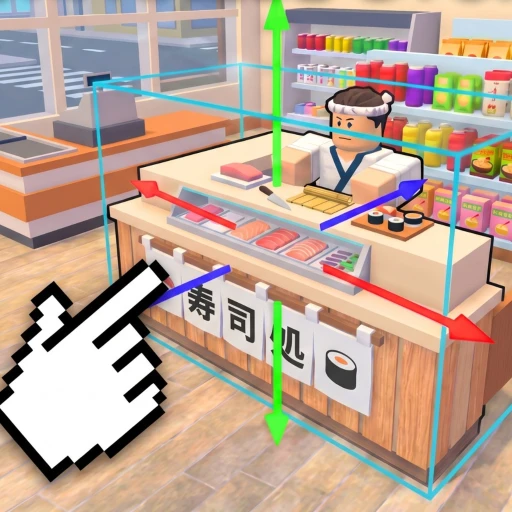
Roblox has two supermarket simulators competing for your attention in 2026, and they're more different than you'd expect from games with nearly identical names. Japanese Supermarket Simulator offers a cozy konbini management experience set in a charming Japanese neighborhood, while Supermarket Simulator takes a grittier approach with profit pressure and nightly gang repayments. Which one's worth your time?
We've played both extensively, stocking shelves, setting prices, and chasing profitability in each game. The answer comes down to what you're looking for: relaxation or challenge. One game wants you to unwind. The other wants you to stress about margins.
Here's our full breakdown covering store management, customization, multiplayer, monetization, and long-term replay value.
Quick Stats Comparison
| Feature | Japanese Supermarket Simulator | Supermarket Simulator |
|---|---|---|
| Developer | Exclusible | Independent Studio |
| Launch Date | April 4, 2025 | 2024 |
| Total Visits | 22+ million | Steady growth |
| Concurrent Players | Growing | ~3,700 |
| Co-op Support | Yes (recent update) | Limited |
| Store Theme | Japanese Konbini | Western Supermarket |
| Tone | Cozy & meditative | Stressful & competitive |
| NPC Helpers | Cashiers & restockers | Basic staff |
| Free to Play | Yes | Yes |
| Code Rewards | Cash & boosts | Cash & speed buffs |
| Decoration Depth | Extensive Japanese themes | Layout-focused |
| Pressure Mechanics | None | Gang repayments |
Store Management Gameplay
Japanese Supermarket Simulator -- Your Dream Konbini
Japanese Supermarket Simulator drops you into a small storefront in a charming Japanese neighborhood and lets you build it into the konbini of your dreams. The gameplay loop is satisfying and straightforward: unpack crates of products, arrange them on shelves, set competitive prices, and serve customers who walk in throughout the day.
What sets it apart is the pacing. This game is intentionally slow and meditative. There's no countdown timer pressuring you to restock faster. No penalty for taking a minute to rearrange your snack display. The developers at Exclusible designed it as a relaxation experience first and a business simulator second, and that philosophy shows in every mechanic.
You'll sell Japanese snacks, drinks, bento boxes, and convenience store staples. As you earn money, you reinvest in rare products that attract more customers and command higher prices. The progression feels organic -- your store gradually transforms from a bare-bones startup into a bustling konbini packed with colorful merchandise.
The NPC hiring system adds a management layer without overwhelming you. Hire cashiers to handle checkout during busy periods, or bring on restockers to keep shelves full while you focus on decoration and expansion. During rush hours, having the right staff in place makes the difference between smooth operations and lost customers.
The co-op update is a standout addition. Running a konbini with friends adds a social dimension that solo play can't match. One player handles checkout while another restocks shelves and a third manages inventory orders. It turns a relaxing solo experience into a relaxing group activity, which is surprisingly rare on Roblox.
Supermarket Simulator -- Profit Under Pressure
Supermarket Simulator takes a fundamentally different approach to the same genre. You're still running a store, buying goods at wholesale and selling them at retail. But the stakes are higher. The game introduces a gang repayment mechanic -- if you fail to make your nightly payment, there are consequences. This single design choice transforms the entire experience from cozy to stressful in the best way.
Every decision carries weight. Price your goods too high and customers walk out. Price them too low and you won't make your nightly quota. The balancing act between revenue and expenses creates genuine tension that the Japanese version deliberately avoids.
Store layout matters more here too. You're optimizing for customer flow and checkout efficiency rather than aesthetics. Where you place high-margin items, how you route customer traffic, and how quickly you can restock during peak hours all affect your bottom line. It's less about creating a pretty store and more about creating a profitable machine.
The progression curve is steeper. Early game is a scramble to stay profitable, and the mid-game challenge ramps up as expenses increase alongside your expansion. Players who enjoy optimization puzzles and spreadsheet-brain gameplay will find more to chew on here than in the Japanese alternative.
Edge: Japanese Supermarket Simulator for overall enjoyment and accessibility. Supermarket Simulator edges ahead for players who specifically want challenge and pressure in their management games.
Atmosphere and Aesthetics
Japanese Supermarket Simulator's Cozy World
The atmosphere in Japanese Supermarket Simulator is its strongest selling point. The neighborhood outside your store is detailed and inviting -- cherry blossom trees, traditional architecture, ambient street sounds, and warm lighting that shifts with the time of day. Walking around feels like exploring a Japanese town in a Studio Ghibli film.
Inside your store, the attention to detail is impressive for a Roblox game. Product packaging mimics real Japanese convenience store items. Shelving units come in styles you'd recognize from actual konbinis. The ambient music is gentle and unobtrusive, fitting the meditative tone perfectly.
Decoration options lean heavily into the Japanese aesthetic. You can customize your store with lanterns, noren curtains, vending machines, and seasonal decorations. The customization depth gives creative players a reason to keep playing long after they've mastered the business mechanics.
Supermarket Simulator's Functional Design
Supermarket Simulator's environment is more utilitarian. Your store looks like a standard Western supermarket -- fluorescent lighting, wide aisles, metal shelving, and checkout counters. It's functional rather than charming, which fits the game's focus on efficiency over aesthetics.
The store customization is primarily layout-focused. You're rearranging shelf positions and checkout configurations rather than decorating with themed items. This makes sense given the gameplay's emphasis on optimization, but it means creative expression takes a back seat to strategic placement.
The surrounding environment is less detailed than the Japanese version's neighborhood. You're focused on what happens inside your store walls, which limits the sense of being in a living world. The game makes up for this with tighter moment-to-moment gameplay, but the atmosphere comparison isn't close.
Edge: Japanese Supermarket Simulator decisively. The world-building, art direction, and ambient design are on another level compared to the standard Supermarket Simulator.
Product Variety and Progression
Japanese Supermarket Simulator's product catalog is themed around Japanese convenience store culture. You'll stock onigiri, pocky-style snacks, ramune soda, bento boxes, and dozens of other culturally specific items. Rare products unlock as you progress, giving you aspirational inventory goals and higher profit margins. The cultural theming makes each new product feel distinctive and worth pursuing.
Supermarket Simulator takes a broader approach with Western grocery staples -- bread, canned goods, produce, dairy, and household items. The product range is wider but less distinctive. Individual items feel more interchangeable since they lack the cultural flavor that makes Japanese Supermarket Simulator's inventory memorable.
Progression in both games follows a similar arc: start small, reinvest profits, expand inventory, grow your store. Japanese Supermarket Simulator gates progression through product rarity tiers, creating clear milestones. Supermarket Simulator ties progression more directly to financial performance and store expansion milestones.
Edge: Japanese Supermarket Simulator for product identity and the satisfaction of unlocking culturally themed rare items.
Multiplayer and Social Features
The co-op update in Japanese Supermarket Simulator changed the game. Playing with friends turns store management into a coordinated effort where communication and role division make operations smoother. One player takes orders, another arranges stock, and a third handles the register. It feels like working a real shift with your friends, and the casual pace means there's plenty of room for conversation and goofing around.
Supermarket Simulator's multiplayer experience is more limited. While you can play alongside others, the cooperation mechanics aren't as developed. The competitive pressure also means there's less room for casual socializing -- you're both busy trying to hit financial targets rather than enjoying the shared experience.
For Roblox players who primarily play with friends, the co-op quality gap is significant. Japanese Supermarket Simulator was built with multiplayer in mind, and it shows.
Monetization Comparison
Both games follow Roblox's standard free-to-play model. Neither locks essential gameplay behind paywalls, and both offer redeemable codes for free rewards.
Supermarket Simulator's codes typically reward cash payouts and short-duration buffs like Customer Speed Boost (5-10 minutes) and Double Buff Boost (5 minutes). You redeem them by pressing 'Z' on your keyboard. The codes are case-sensitive and single-use, so accuracy matters. The game unlocks new codes at community milestones -- a new code was set to release at 450K likes.
Japanese Supermarket Simulator's code system works similarly, offering cash and temporary boosts. The game's monetization through Robux purchases is cosmetic-focused, keeping the playing field level between free and paying players.
Neither game feels pay-to-win. You can fully experience everything both games offer without spending Robux. The premium options enhance convenience or aesthetics without gating core content.
Performance and Polish
Japanese Supermarket Simulator benefits from being developed by Exclusible, a studio with experience in creating polished Roblox experiences. The controls are responsive, the UI is clean, and the game runs smoothly on most devices. The controls guide is intuitive enough that new players can start stocking shelves within minutes of joining.
Supermarket Simulator is solid but shows some rougher edges. The interface can feel cluttered during busy periods, and the learning curve for price optimization is steeper than it needs to be. That said, the core mechanics work reliably, and the game has been refined through consistent updates over its longer lifespan.
On mobile, Japanese Supermarket Simulator generally provides the smoother experience thanks to its simpler UI and slower pace. Supermarket Simulator's more demanding gameplay loop can feel cramped on smaller screens.
Earn Free Robux for Store Upgrades
Want to unlock premium cosmetics or store boosts without dipping into your wallet? Earnaldo lets you earn free Robux through simple tasks and offers, so you can deck out your konbini or supermarket on your terms.
Long-Term Replay Value
Japanese Supermarket Simulator's replay value comes from two sources: the decoration endgame and the co-op social experience. Once you've optimized your store's business side, the creative customization gives you a second game within the game. Redesigning your konbini with seasonal themes, experimenting with layouts, and collecting rare products keeps perfectionist players engaged for weeks.
Supermarket Simulator's longevity relies on the financial optimization challenge. The pressure mechanics create a difficulty curve that takes genuine effort to master, and expanding your store to maximum capacity while maintaining profitability is a satisfying long-term goal. The game also benefits from a more established update history with regular content additions.
Both games reward consistent play, but they reward different types of players. If you're motivated by creative expression and relaxation, Japanese Supermarket Simulator has deeper staying power. If you're driven by optimization and financial challenges, Supermarket Simulator will keep you engaged longer.
Final Verdict: Which Supermarket Game Wins?
Japanese Supermarket Simulator is the better overall game for most Roblox players in 2026. Its cozy atmosphere, detailed Japanese aesthetic, robust co-op mode, and meditative pacing make it a standout in the simulation genre. The 22+ million visits since launch confirm that the konbini formula resonates with a massive audience. However, if you specifically want a challenging management game with real stakes and financial pressure, Supermarket Simulator delivers that experience more effectively. It's not as polished or atmospheric, but the stress-reward loop of hitting your nightly targets scratches an itch the Japanese version intentionally avoids. Our recommendation: start with Japanese Supermarket Simulator for the better first impression, then try Supermarket Simulator if you find yourself wanting more challenge.
Who Should Play What?
Play Japanese Supermarket Simulator If You...
Want a relaxing, stress-free management experience. Love Japanese culture and convenience store aesthetics. Play primarily with friends and want strong co-op mechanics. Enjoy creative customization and store decoration. Prefer a game that respects your pace instead of pressuring you with deadlines.
Play Supermarket Simulator If You...
Thrive under pressure and enjoy financial optimization challenges. Prefer a grittier, more realistic supermarket management experience. Like games where failure has real consequences and every decision matters. Want a steeper difficulty curve that takes weeks to fully master. Enjoy the satisfaction of building a profitable business against the odds.
Both games are solid entries in Roblox's growing simulation genre. They share a premise but deliver completely different emotional experiences, so there's a genuine case for keeping both in your rotation.
For detailed strategies and tips, check out our Japanese Supermarket Simulator guide and our Supermarket Simulator guide for codes, pricing strategies, and store layout optimization.
Frequently Asked Questions
Japanese Supermarket Simulator has the larger player base with over 22 million total visits since its April 2025 launch. Supermarket Simulator maintains a steady community of around 3,700 concurrent players as of early 2026. Both games fill servers without issue.
Yes, Japanese Supermarket Simulator added a co-op update that lets you run your konbini with friends. You can divide tasks like restocking, checkout, and inventory management among your group. This is one of its biggest advantages over the standard Supermarket Simulator.
Japanese Supermarket Simulator offers more detailed decoration options with Japanese-themed items, shelving styles, and konbini aesthetics. Supermarket Simulator focuses more on layout optimization and product placement efficiency rather than creative decoration.
Yes, both games are completely free to play. Each offers optional in-game purchases and redeemable codes for bonus cash and temporary boosts like Customer Speed Boost and Double Buff. Neither game is pay-to-win.
Japanese Supermarket Simulator is designed specifically as a cozy, meditative experience set in a charming Japanese neighborhood. Supermarket Simulator has more pressure with gang repayment mechanics and profit optimization demands, making it the more stressful option.
Yes, both games release codes regularly. Supermarket Simulator codes give cash and short-duration buffs like speed boosts. Japanese Supermarket Simulator codes provide similar rewards. Check their Roblox pages and social media for the latest active codes.