Legends Battlegrounds Free Robux Guide — Characters, Combat Tips, and PvP Strategies for 2026
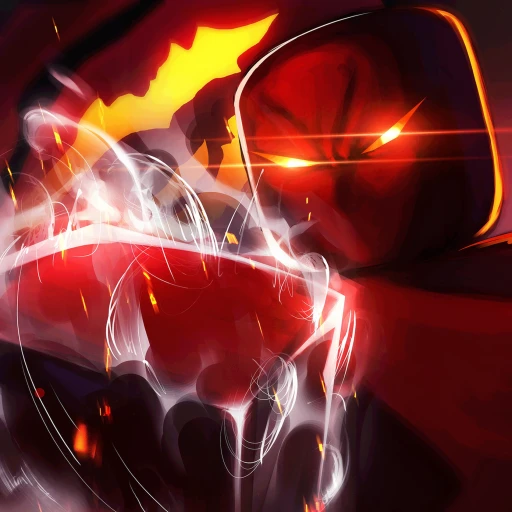
Legends Battlegrounds by Arts of Vermillion is one of the most action-packed anime fighting games on Roblox right now. You pick a character pulled from iconic anime franchises — Dragon Ball, Naruto, One Piece, Jujutsu Kaisen, Bleach, and more — then drop into large open maps to test your skills against other players in real-time PvP combat. With around 5,000 to 8,000 players online at any given time and a roster that keeps growing, this game has built a loyal following of anime fans who take their fights seriously.
This guide covers everything you need to know about Legends Battlegrounds in its current state. We'll break down the character roster, explain how combat actually works under the hood, walk through the best strategies for climbing ranked, and show you how to earn gold efficiently. Whether you're brand new or already grinding ranked lobbies, there's something useful here for you.
Table of Contents
- What Is Legends Battlegrounds?
- Character Roster — Who Should You Play?
- Combat System — M1s, Abilities, and Combos
- Character Progression and Gold Economy
- Ranked Mode — How to Climb Consistently
- Game Passes — Are They Worth Your Robux?
- Advanced Tips for Winning More Fights
- Maps and Positioning Strategy
- How to Get Free Robux for Legends Battlegrounds
- Frequently Asked Questions
What Is Legends Battlegrounds?
Legends Battlegrounds is an anime-inspired PvP fighting game on Roblox where you select characters from a massive cross-anime roster and battle other players on open maps. It's developed by Arts of Vermillion, and it pulls character concepts from some of the biggest anime and manga series ever made. You'll recognize fighters inspired by Goku, Naruto, Luffy, Itadori, Ichigo, and dozens more.
The game isn't just a reskin of one anime. It's a crossover fighter that brings together characters from completely different universes and lets them throw hands on the same battlefield. Each character has a unique moveset with multiple abilities, an M1 combo string, and in many cases an ultimate or transformation that changes how they fight entirely.
What separates Legends Battlegrounds from the flood of other anime fighting games on Roblox is the combat depth. This isn't a button-masher. There's real tech here — dash canceling, combo extensions, block punishing, and spacing control. Players who understand these mechanics consistently beat players who don't, regardless of which character they're using. That skill gap is what makes each fight feel earned rather than random.
You can find Legends Battlegrounds on Roblox with Place ID 15269951959. The game regularly peaks at 5,000 to 8,000 concurrent players, and the community stays active on Discord where players share combo routes, tier list debates, and update leaks.

Character Roster — Who Should You Play?
The roster in Legends Battlegrounds spans multiple anime franchises, and each character plays differently. Some are rushdown fighters who want to stay in your face. Others are zoners who control space with ranged abilities. A few are hybrid characters that can switch between aggressive and defensive playstyles depending on the matchup.
Dragon Ball Characters
The Dragon Ball roster tends to be the most popular in any anime crossover game, and Legends Battlegrounds is no exception. Characters inspired by Goku, Vegeta, and Frieza are among the most played. They usually have strong beam-type ranged attacks, fast M1 strings, and transformation ultimates that significantly boost their damage output for a limited time.
The Goku-inspired fighter is a solid all-rounder with balanced stats across speed, damage, and range. His transformation boosts attack power and unlocks a new set of abilities that hit harder but have longer cooldowns. He's a great pick for beginners because his kit is straightforward — you don't need to learn complex setups to be effective.
Vegeta's counterpart plays more aggressively with faster combo strings and explosive finishing moves. He rewards players who can maintain pressure without overcommitting, since his defensive options are limited compared to other fighters in the same tier.
Naruto Characters
The Naruto-inspired characters bring clone mechanics, substitution jutsus, and high-mobility playstyles to the table. The Naruto fighter can create shadow clones that extend combos and serve as distractions in team fights. The Sasuke counterpart is one of the fastest characters in the game, with teleport-style dashes and a chidori-type move that punishes whiffed attacks.
Itachi's counterpart deserves special mention. His genjutsu-inspired ability temporarily reverses the opponent's controls, which creates guaranteed combo opportunities if you land it in neutral. High-level players consider him one of the most oppressive characters in the right hands, though he's mechanically demanding and punishing if you miss your setups.
One Piece Characters
Luffy's counterpart brings the stretchy, elastic fighting style you'd expect. His M1 strings have extended range compared to most other characters, letting him start combos from distances where other fighters can't reach. Gear transformations boost his speed and damage in phases, making him progressively more dangerous as a fight goes on.
Zoro's counterpart is a pure melee bruiser with some of the highest single-hit damage numbers in the game. His three-sword combo finishers deal massive damage but are telegraphed, so landing them requires either strong reads or confirmed setups from M1 staggers.
Jujutsu Kaisen and Bleach Characters
The JJK and Bleach additions round out the roster with some of the most unique movesets. The Gojo-inspired character has a barrier ability that blocks incoming projectiles and creates space for counter-attacks. The Itadori counterpart features Black Flash mechanics — a random critical hit system that can spike damage unpredictably during combos.
Ichigo's counterpart transitions between Shinigami and Hollow forms, each with distinct abilities. Shinigami form focuses on sword-based combos with solid range. Hollow form trades range for raw speed and burst damage. Knowing when to switch forms mid-fight is what separates average Ichigo players from great ones.

Combat System — M1s, Abilities, and Combos
The combat in Legends Battlegrounds runs on a system that's simple to grasp but difficult to master. Every character has two core attack types: M1s (basic left-click attacks) and abilities (special moves mapped to keyboard keys). Understanding how these interact is the foundation of everything else in the game.
M1 Basics
M1 attacks are your bread-and-butter combo starters. Each character has a string of basic attacks — usually 3 to 5 hits — that chain together on left-click. The final hit in the M1 string causes a brief stagger on the opponent. That stagger window is your opportunity to cancel into an ability for additional damage.
The timing between M1 clicks matters. Mashing too fast can drop the combo, and clicking too slow gives the opponent a window to dash out or block. Each character has slightly different M1 timing, so you'll need to practice the rhythm for whoever you're playing. Go to the training area and hit the practice dummies until the timing feels natural.
Ability Moves
Abilities are your special attacks — the flashy anime moves that deal the big damage. Most characters have 3 to 5 ability slots, each with its own cooldown timer. Some abilities are melee-range (grabs, uppercuts, ground slams), some are mid-range (dashes, lunges), and some are long-range (projectiles, beams).
The key to using abilities effectively is understanding their startup frames. Every ability has a brief animation before the hitbox becomes active. During that startup, you're vulnerable. If an opponent reads your ability and dashes behind you during the startup, they get a free punish. This is why raw abilities (throwing them out in neutral without a setup) are risky at higher levels of play.
The safest way to land abilities is confirming them off an M1 stagger. Land your M1 string, wait for the stagger, then immediately input the ability. This gives the opponent almost no time to escape, and it chains the damage together for a full combo.
Combo Structure
A standard combo in Legends Battlegrounds follows this pattern:
- Land your M1 string (3-5 hits depending on character)
- Wait for the final hit stagger animation
- Cancel into your first ability during the stagger window
- If the ability connects, chain into a second ability (character-dependent)
- Finish with an ultimate or high-damage finisher if available
Not every character can chain all their abilities together. Some have built-in combo routes that flow naturally from one move to the next, while others have abilities that knock the opponent too far away to follow up. Learning which abilities combo into which is character-specific homework you'll need to do.
Dashing and Movement
Dashing is mapped to a dedicated key (usually Q or double-tap a direction key) and it's the most important defensive tool in the game. You can dash forward, backward, or to either side. Each dash has a brief invincibility window at the start, meaning a well-timed dash can phase through incoming attacks entirely.
Dashes are on a cooldown, so you can't spam them. Most characters get 2 to 3 dash charges that regenerate over a few seconds. Managing your dash charges is critical. If you burn all your dashes aggressively and the opponent blocks your approach, you're stuck in place with no escape option.
Advanced players use dashes offensively too. Dash-canceling lets you cut the recovery animation of an M1 hit short and reposition before continuing your string. This makes your movement unpredictable and harder to track, which opens up mixup opportunities that wouldn't exist otherwise.
Blocking
Holding block reduces incoming damage and prevents stagger from most M1 attacks. However, blocking isn't a perfect defense. Guard-break moves exist on several characters, and sustained blocking drains a guard meter. Once the guard meter depletes, your block shatters and you're left wide open for a punish combo.
The best defensive players alternate between blocking, dashing, and spacing rather than relying on any single option. If you only block, you'll get guard-broken. If you only dash, you'll run out of charges. Mixing your defensive responses keeps the opponent guessing.
Character Progression and Gold Economy
Legends Battlegrounds uses gold as its primary in-game currency. You earn gold from PvP matches, daily logins, challenges, and occasionally from promotional codes when they're available. Gold is used to unlock new characters and purchase cosmetic items from the in-game shop.
New players start with a small selection of free characters. The rest of the roster is locked behind gold costs that range from affordable (a few hundred gold) to expensive (several thousand gold for the most popular fighters). This creates a natural progression loop: play matches, earn gold, unlock characters, and expand your options.
How to Earn Gold Faster
The fastest gold income comes from winning matches. Wins reward significantly more gold than losses, so improving your combat skills directly translates to faster progression. Here's how the gold economy breaks down:
- Winning a casual match awards a base gold amount plus a performance bonus based on damage dealt and KDA
- Ranked wins give roughly 1.5x to 2x the gold of casual wins, scaling with your rank tier
- Daily login bonuses stack over consecutive days, with the 7-day streak giving the largest payout
- In-game challenges (deal X damage, win X matches with a specific character) award gold on completion
Character Unlock Priority
When you're starting out and gold is tight, focus on unlocking one or two characters that fit your playstyle before spreading your gold across the roster. It's better to deeply learn two characters than to superficially know ten. Pick one main and one backup for bad matchups, then invest your gold into new characters only after you're comfortable with your existing picks.
If you're unsure where to start, look at which characters are free during the current rotation. Legends Battlegrounds occasionally rotates free characters so everyone can try them before committing gold. Use those rotation windows to test characters in actual matches before purchasing.

Ranked Mode — How to Climb Consistently
Ranked mode in Legends Battlegrounds is where the serious players go. It uses a tier-based system — you start at the bottom, earn points for wins, lose points for losses, and work your way up through progressively harder lobbies. The higher your rank, the better the competition and the bigger the gold rewards.
Climbing ranked isn't just about being mechanically skilled, though that obviously helps. Consistency matters more than peak performance. A player who wins 60% of their matches over 100 games will climb faster than someone who goes on hot streaks followed by tilt-fueled losing streaks. Here's what separates climbers from players who stay stuck.
Pick Two Characters, Not Five
Character diversity is fun in casual mode, but ranked rewards specialization. You want one primary character you know inside out — every combo, every matchup, every spacing situation. Then you want a secondary pick for the 2-3 matchups where your main struggles. Switching characters every other match means you never build the deep muscle memory that wins close fights.
Learn Your Bad Matchups
Every character in Legends Battlegrounds has at least two or three matchups where they're at a disadvantage. Maybe your character gets outranged by beam spammers, or maybe you struggle against characters with fast guard-break options. Identify those matchups and practice them specifically.
You don't need to win bad matchups — you just need to keep them competitive. If your worst matchup goes from a 30/70 disadvantage to a 40/60, that's a significant improvement in your overall win rate over hundreds of ranked games.
Stop Fighting on Autopilot
The biggest mistake mid-rank players make is fighting reactively without thinking. They see the opponent dash in, so they block. They land an M1 string, so they press their strongest ability. There's no decision-making involved — it's just pattern matching.
High-rank players actively think during fights. They notice the opponent always dashes left after blocking, so they pre-aim their ability to that side. They track the opponent's cooldowns mentally, knowing that if the Gojo player already used his barrier 3 seconds ago, he can't use it again for another 5 seconds. This kind of active thinking is what turns close losses into wins.
Game Passes — Are They Worth Your Robux?
Legends Battlegrounds offers several game passes through the Roblox store. None of them are required to compete, but some provide genuine quality-of-life improvements that make the grind less tedious. Here's a breakdown of what's typically available and whether it's worth the Robux.
VIP Pass
The VIP pass usually grants bonus gold per match, exclusive cosmetic effects, and sometimes a VIP chat tag. The gold bonus is the main draw. If you play Legends Battlegrounds daily, the extra gold per match compounds quickly and lets you unlock characters noticeably faster than free players. For casual players who only log in a few times a week, the gold bonus doesn't add up fast enough to justify the Robux cost.
Early Access Pass
The early access pass lets you play new characters before they're released to everyone else. This gives you a temporary advantage — you can learn the character's moveset and combos before opponents know how to counter it. That advantage usually lasts about a week before the character goes public, so the window is narrow. Still, if you like being the first to master new fighters, it's a worthwhile purchase.
Cosmetic Passes
Cosmetic passes cover skins, auras, effects, and other visual customizations. These don't affect gameplay at all. They're purely about looking cool in the lobby and during fights. Whether they're worth your Robux is entirely personal preference. Some players love flashy aura effects. Others don't care at all.
Advanced Tips for Winning More Fights
Once you've got the basics down — M1 strings, ability cancels, dash timing — there's a layer of higher-level play that separates good players from great ones. Here are the techniques and habits that make the difference in close matches.
Bait and Punish
One of the most effective strategies at any level is intentionally whiffing a move to bait a reaction, then punishing the reaction. For example, throw out an M1 string just outside of range so it misses. Many opponents will instinctively dash forward to punish what they think is a whiff. But you're already blocking or ready to counter-dash, turning their aggression into your combo starter.
This works because most players in Legends Battlegrounds are conditioned to punish openings. If you create a fake opening, they'll take the bait. The key is recognizing which opponents are aggressive enough to fall for it and which ones are patient enough to wait.
Cooldown Tracking
Every ability in the game has a cooldown. If you see the opponent use their strongest move and it misses, you have a window where they're weakened. You don't need to memorize exact cooldown timers — just maintain a rough mental clock. "They used their beam 4 seconds ago, it's probably still on cooldown" is enough to inform your next decision.
This becomes especially important against characters with powerful defensive abilities. If the Gojo-type character just used his barrier and it's on cooldown, you can pressure him freely for the next few seconds without worrying about it. That's your go window.
Stage Control
Positioning matters more than most players realize. Fighting near the edge of the map limits your escape options and gives the opponent more angles of attack. Fighting in the center gives you maximum room to dash in any direction and reposition after combos.
In team-based modes, stage control becomes even more important. Holding the center of the map forces opponents to approach from predictable angles, making it easier for your team to coordinate focus fire and peel for each other.
Know When to Disengage
Not every fight needs to be fought to the death. If you're low on health, your dashes are on cooldown, and your main abilities are recharging, disengaging is the smart play. Run away, reset, let your cooldowns come back, and re-engage on your terms. Dying because you refused to retreat is the fastest way to lose ranked points.
Maps and Positioning Strategy
Legends Battlegrounds features several maps with different layouts, terrain features, and sizes. Each map rewards slightly different playstyles, and knowing how to adapt your positioning to the current map gives you an edge over opponents who play the same way regardless of the environment.
Open Maps
Large, flat maps with minimal obstacles favor ranged characters and zoners. There's nowhere for melee fighters to hide from beam attacks and projectile spam. If you're playing a rushdown character on an open map, you'll need to use your dashes efficiently to close distance without taking too much chip damage on the way in.
On open maps, the player who controls the center has the most options. You can react to threats from any direction and choose when to engage. Getting pushed to the edges means you have fewer escape routes and less room to space out your opponent's pressure.
Maps with Obstacles
Maps with buildings, walls, and terrain features benefit melee characters and characters with teleport or clone abilities. You can use cover to break line of sight against ranged opponents, close distance safely, and set up ambushes around corners. If you're playing a close-range character, actively use obstacles to your advantage rather than fighting in the open where zoners dominate.
Obstacles also create interesting interactions with certain abilities. Some beam-type attacks can't pierce through walls, meaning solid cover completely negates them. Other abilities have area-of-effect damage that goes through terrain. Knowing which abilities respect line of sight and which don't is another layer of matchup knowledge that pays off in ranked.

How to Get Free Robux for Legends Battlegrounds
If you want to grab game passes or cosmetics in Legends Battlegrounds without spending your own money, Earnaldo lets you earn free Robux by completing simple tasks like surveys, watching videos, and trying app offers. You accumulate points, then withdraw them as Robux directly to your Roblox account.
Here's how the process works:
- Create a free account at earnaldo.com and link your Roblox username
- Head to the Earn page and browse available tasks — surveys, videos, and app offers
- Complete tasks to earn points (each task shows its point value upfront)
- Once you hit the minimum threshold, go to the Withdraw page to convert points to Robux
- Robux are sent directly to your Roblox account — use them on Legends Battlegrounds game passes, cosmetics, or anything else on the platform
It's a straightforward way to fund your Legends Battlegrounds purchases without reaching for a credit card. The VIP pass and early access pass both become much easier to justify when you're not paying out of pocket.
Earn Free Robux for Legends Battlegrounds
Complete simple tasks. Stack points. Withdraw Robux. Use them on game passes, characters, and cosmetics.
Related Anime Fighting Game Guides
If you're into anime fighting games on Roblox, you'll probably want to check out these other guides we've put together:
- The Strongest Battlegrounds Free Robux Guide — Another top-tier anime fighter with a One Punch Man theme and competitive PvP
- Heroes Battlegrounds Free Robux Guide — My Hero Academia-inspired combat with mastery systems and awakenings
- Jujutsu Shenanigans Free Robux Guide — JJK-themed fighting game with Domain Expansions and cursed techniques
Frequently Asked Questions
Legends Battlegrounds is an anime-inspired PvP fighting game on Roblox developed by Arts of Vermillion. Players choose from a roster of characters based on popular anime series and fight other players on large open maps using unique abilities, combos, and ultimates. It typically has 5,000 to 8,000 concurrent players.
The strongest characters tend to be those with fast combo starters, high burst damage, and strong ultimates. Characters inspired by Dragon Ball Z and Naruto franchises often dominate tier lists because their movesets combine range, speed, and raw damage output. The meta shifts with each update, so check patch notes after every character release.
The fastest way to earn gold is winning PvP matches, especially in ranked mode where rewards are higher. You also earn gold from daily login bonuses, completing in-game challenges, and redeeming any active codes. Stacking wins in casual mode is a reliable grind if ranked queues are slow.
No. While you can purchase Robux game passes for cosmetics or early character access, combat outcomes depend on player skill, character knowledge, and combo execution. Free players can unlock every character through gold earned in matches. Spending Robux speeds up progression but doesn't give you stronger abilities.
Each character has a basic M1 attack string (left-click chain) and multiple ability moves mapped to different keys. Combos work by chaining M1 hits into abilities at the right timing windows. The final hit of an M1 string usually staggers the opponent, giving you a free ability follow-up. Advanced players cancel animations and weave dashes between attacks for extended combos.
Legends Battlegrounds has a growing roster that pulls from multiple anime series including Dragon Ball, Naruto, One Piece, Jujutsu Kaisen, and Bleach. The exact count changes with each update as Arts of Vermillion regularly adds new fighters. Most updates introduce one or two characters alongside balance adjustments to existing ones.
The most popular game passes are VIP (which grants bonus gold per match and exclusive cosmetics) and the early access pass that lets you play new characters before their public release. Whether they're worth the Robux depends on how much you play. If you're grinding daily, the VIP gold bonus pays for itself quickly.
Yes. Legends Battlegrounds features both casual and competitive ranked modes. Ranked mode uses a tier-based system where you climb by winning matches and lose progress from losses. Ranked lobbies tend to have more skilled players and reward more gold per win than casual matches.