PHIGHTING! vs RIVALS (2026) — Which Roblox Shooter Should You Play?
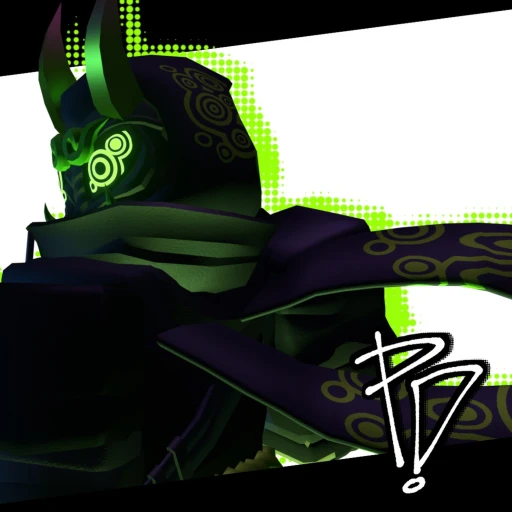
Roblox has two shooters competing for very different audiences in 2026. PHIGHTING! is a hero shooter built around 5v5 objective-based matches where each of its 20-plus characters brings a unique weapon, ability kit, and team role to the fight. RIVALS is a competitive FPS that strips the formula down to raw gunplay, precise aiming, and tactical positioning — and it has exploded past 110,000 concurrent players to become one of the most-played shooters on the platform. Both games are free, both are polished beyond what most people expect from Roblox, and both reward skill. But they reward completely different kinds of skill.
PHIGHTING!, developed by Soda Studio, has carved out a dedicated following since its launch by offering something rare on Roblox: a genuine hero shooter with distinct characters, ability cooldowns, and team composition strategy that draws comparisons to Overwatch and Team Fortress 2. The game sits at roughly 600 million total visits with a concurrent player count that typically ranges between 8,000 and 15,000. Its community is vocal, creative, and deeply invested in the game's lore, character designs, and competitive meta.
RIVALS, developed by Star Glitcher, has taken a different path entirely. It launched as a fast-paced FPS with tight gunplay and rapidly climbed to become a Roblox phenomenon — regularly exceeding 110K concurrent players and accumulating billions of visits. The game emphasizes mechanical aim, map knowledge, and weapon mastery in a format that feels closer to Valorant or Counter-Strike than anything else on the platform. Where PHIGHTING! asks you to learn characters, RIVALS asks you to learn weapons and angles.
We played both games extensively across every category that matters to Roblox players in 2026: gameplay mechanics, progression, graphics, community health, monetization, social features, and long-term replay value. Whether you are choosing your next competitive main or figuring out where to spend your Robux (or earn free Robux through Earnaldo), this comparison covers everything you need.
PHIGHTING! vs RIVALS — Quick Stats (2026)
| Category | PHIGHTING! | RIVALS |
|---|---|---|
| Genre | Hero Shooter (5v5) | Competitive FPS |
| Place ID | 7138009149 | 17625359962 |
| Developer | Soda Studio | Star Glitcher |
| Concurrent Players | ~8K–15K | ~110K+ |
| Total Visits | 600M+ | 4B+ |
| Core Loop | 5v5 objective matches, character mastery | Round-based FPS, aim and positioning |
| Key Features | 20+ characters, abilities, team roles | Precise gunplay, ranked mode, weapon economy |
| Competitive Mode | Community tournaments, ranked elements | Full ranked with visible tiers |
| Mobile-Friendly | Playable, PC recommended | Playable, PC recommended |
| Free-to-Play | Yes | Yes |
Gameplay — Hero Abilities vs Pure Gunplay
PHIGHTING!
PHIGHTING! drops you into 5v5 matches where character selection matters as much as individual skill. The roster includes over 20 characters — called Phighters — each with a primary weapon, secondary fire, and multiple abilities on cooldowns. Sword, a melee-focused brawler, charges into the frontline with dashes and cleaving strikes. Biograft heals teammates with targeted abilities while providing area denial. Skateboard zips around the map at high speed, flanking backline enemies and disrupting formations. Rocket launches explosive projectiles that control space and punish grouped-up opponents.
The game modes center on objective-based play. Payload maps require one team to push a cart along a set path while the other defends. Control point maps have both teams fighting over a central zone. The objective focus means that raw kills alone do not win matches — positioning, ability timing, and team coordination determine which side takes the round. A well-timed Biograft heal can swing a teamfight. A flanking Skateboard can stall the payload for critical seconds. Every character has moments where their unique kit becomes the deciding factor.
What sets PHIGHTING! apart from other Roblox shooters is its commitment to character identity. Each Phighter feels genuinely different to play. Switching from Sword to Rocket is not just a cosmetic change — it fundamentally alters your movement options, engagement ranges, team responsibilities, and win conditions. Learning when to switch characters mid-match based on the enemy team's composition adds a strategic layer that pure FPS games do not offer.
The maps are designed with character abilities in mind. High ground positions favor ranged Phighters. Tight corridors benefit brawlers and close-range fighters. Flanking routes give mobile characters paths to the backline. The level design reinforces the hero shooter identity by creating spaces where different characters naturally excel.
RIVALS
RIVALS strips away character abilities and puts everything on your crosshair. The game plays as a round-based competitive FPS where two teams face off in matches that reward aim precision, map knowledge, and tactical awareness. You buy weapons at the start of each round using an in-game economy system — winning rounds earns more credits, losing earns less, and managing your team's economy across a half becomes a strategic element. This buy-round structure will feel immediately familiar to anyone who has played Counter-Strike or Valorant.
The weapon roster includes assault rifles, SMGs, shotguns, sniper rifles, pistols, and heavy weapons, each with distinct recoil patterns, damage profiles, and effective ranges. The AK-style rifle rewards players who learn its spray pattern with devastating damage output. The bolt-action sniper kills in one headshot but punishes missed shots with a slow rechamber. Shotguns dominate close-range fights on tight maps but become liabilities on open sightlines. Weapon choice and economic management create decisions every single round.
Mechanical skill is the backbone of RIVALS. Headshots deal significantly multiplied damage, and the difference between a player who consistently hits heads and one who sprays at body level is enormous. Movement mechanics include counter-strafing for accurate shots, peeking techniques to minimize exposure, and utility usage to gain information or block sightlines. The skill ceiling is high enough that improvement feels continuous across hundreds of hours.
Maps in RIVALS follow competitive FPS conventions — bombsite-style layouts with established attack routes, defender positions, and rotations. Each map has callout names that the community has standardized, and experienced players can communicate an entire strategy in a few words. The map pool rotates with updates, and the competitive community actively discusses which maps favor which playstyles.
Edge: PHIGHTING! for character variety and team composition depth. RIVALS for mechanical skill expression and tactical FPS gameplay.
Progression — Character Mastery vs Rank Climbing
PHIGHTING! structures progression around character mastery and cosmetic unlocks. Playing matches with specific Phighters earns experience toward that character, unlocking cosmetic items, emotes, and visual flourishes that show your dedication. The progression system encourages you to explore the full roster — trying new characters introduces you to abilities and playstyles you might not have considered. Seasonal events add limited-time cosmetics and challenges that give regular players fresh goals.
The skill progression in PHIGHTING! is less about a visible rank and more about deepening your understanding of each character's kit. Learning that Biograft's secondary ability can be used offensively in certain situations, or that Sword's dash can cancel into an aerial combo on specific maps — these discoveries come from hours of play and experimentation. The game rewards game sense and character knowledge alongside mechanical execution.
RIVALS builds its progression around a formal ranked system with clearly defined tiers. You start in placement matches, receive a rank based on performance, and climb or fall based on wins and individual performance metrics. The ranked ladder gives every session a tangible stakes — each match either moves you closer to the next tier or threatens to drop you. Seasonal resets give everyone a fresh start while rewarding high-ranked players with exclusive cosmetics from the previous season.
Weapon mastery in RIVALS happens through repetition. Learning the AK's spray pattern takes dozens of hours of practice. Developing map-specific strategies requires studying angles, timings, and common opponent positions. The progression is invisible but deeply felt — a player with 500 hours in RIVALS moves, shoots, and positions completely differently from a player with 50 hours, even though both might have similar cosmetic unlocks.
Edge: RIVALS for structured competitive progression with visible rank. PHIGHTING! for character-based mastery that rewards breadth across the roster.
Graphics and Audio — Stylized Charm vs Tactical Clarity
PHIGHTING! leans into a vibrant, stylized art direction that gives each character a distinct silhouette and color palette. The visual design prioritizes readability in the chaos of 5v5 fights — you can identify which Phighter an opponent is playing from across the map based on their shape and movement alone. Ability effects use bright, character-specific colors that communicate what is happening during teamfights without cluttering the screen. The maps balance aesthetic variety with competitive clarity, featuring distinct themes ranging from urban environments to fantastical landscapes.
The audio design in PHIGHTING! gives each character a unique sound profile. Sword's dashes produce a sharp metallic ring. Rocket's explosions have a satisfying bass thump. Biograft's healing abilities create a distinct chime that teammates learn to associate with incoming support. The sound design works as a gameplay information system — experienced players can identify which enemy Phighters are nearby based on audio cues alone, adding a layer of tactical awareness that rewards attentive play.
RIVALS takes a different visual approach, prioritizing clean sightlines and tactical readability over artistic flair. Character models are uniform enough that silhouette identification is not a concern — everyone is a player with a gun. Instead, the visual design focuses on making enemy players visible against environmental backgrounds, ensuring that headshot hitboxes are clear, and keeping visual clutter minimal during firefights. The maps use realistic color palettes that serve competitive play by avoiding distracting elements.
Audio in RIVALS is built for competitive advantage. Footstep sounds are directional and distance-dependent, letting skilled players track enemy positions through walls. Weapon sounds differ enough to identify what gun an opponent is using from adjacent rooms. Reloading, bomb planting, and utility usage all produce distinct audio cues that feed into tactical decision-making. The sound design is less about atmosphere and more about information — every sound tells you something actionable.
Both games look and sound good for Roblox, but their priorities diverge sharply. PHIGHTING! delivers personality and character identity through its visuals and audio. RIVALS delivers competitive information and tactical clarity.
Player Count and Community (July 2026)
The scale difference between these two games shapes their community dynamics significantly. RIVALS regularly exceeds 110,000 concurrent players during peak hours and has accumulated over 4 billion total visits since launch. It ranks among the most-played competitive games on Roblox, and its growth trajectory through 2025 and into 2026 has been remarkable. The content creation community surrounding RIVALS is massive — YouTube channels produce daily clips, montages, tutorials, and tier lists. Competitive players stream ranked sessions to thousands of viewers. Discord servers dedicated to team formation, strategy discussion, and tournament organization number in the hundreds.
PHIGHTING! operates at a smaller but still healthy scale, averaging between 8,000 and 15,000 concurrent players with over 600 million total visits. The community punches above its weight in terms of engagement and creativity. The PHIGHTING! fanbase produces an outsized amount of fan art, character analysis, lore discussion, and gameplay guides relative to its player count. The official Discord server is active and well-moderated, serving as the primary hub for finding teammates, discussing balance changes, and following development updates.
Community culture differs between the two games. RIVALS servers trend competitive and performance-focused — players discuss strategies, share aim training routines, and analyze professional-level play. The atmosphere mirrors competitive FPS communities outside of Roblox, with all the intensity and occasional toxicity that comes with high-stakes ranked play. PHIGHTING! servers tend to be more welcoming and creatively engaged. Character discussions blend gameplay strategy with appreciation for the game's art direction and lore. New players generally find it easier to get help and advice in PHIGHTING! communities.
Soda Studio communicates with the PHIGHTING! community through regular development updates and patch notes that the community dissects thoroughly. Star Glitcher maintains RIVALS with frequent balance patches, map updates, and seasonal content drops that keep the competitive meta evolving.
Edge: RIVALS for raw community size and competitive content ecosystem. PHIGHTING! for community creativity and welcoming atmosphere.
Game Passes and Monetization
PHIGHTING! Game Passes
- VIP Pass — varies: Grants access to exclusive cosmetic items, a VIP tag, and bonus experience earned per match. A quality-of-life purchase that accelerates cosmetic progression without affecting gameplay balance.
- Emote Packs — varies: Additional character-specific emotes and victory poses. Purely cosmetic but popular with players who want to personalize their experience and express themselves after clutch plays.
- Character Skins — varies: Alternate visual designs for specific Phighters. These change how your character looks without altering abilities or stats, keeping competitive integrity intact while letting dedicated players stand out.
RIVALS Game Passes
- Premium Pass — varies: Unlocks exclusive weapon skins, player cards, and a premium tag. Does not affect weapon stats or gameplay performance. Popular with competitive players who want their loadout to look distinct.
- Battle Pass (Seasonal) — varies: A tiered reward track with cosmetic unlocks earned through match completions and challenges. Refreshes each season with new items, giving regular players ongoing cosmetic goals.
- Skin Bundles — varies: Curated weapon skin collections with themed visual designs. High-quality cosmetics that the community frequently showcases and trades through legitimate channels.
Both games maintain a cosmetic-only monetization model that preserves competitive fairness. No game pass in either PHIGHTING! or RIVALS gives paying players a statistical advantage over free players. All characters in PHIGHTING! are available without spending Robux. All weapons in RIVALS are accessible through the in-game economy system regardless of real-money purchases. This approach keeps both games genuinely free-to-play competitive experiences where skill determines outcomes, not spending.
Social Features and Community Interaction
PHIGHTING! builds social interaction into its core gameplay loop. The 5v5 format means every match requires coordination with four teammates. Voice chat and text communication let teams call out enemy positions, coordinate ability usage, and plan pushes. The character selection phase at the start of each match becomes a social moment — teammates discuss composition, suggest counter-picks, and negotiate roles. Over time, regular players develop preferences and reputations within their skill bracket. The community runs unofficial tournaments and scrimmages through Discord, creating a grassroots competitive scene that brings players together outside of matchmaking.
The creative side of the PHIGHTING! community adds another social dimension. Fan art contests, character design discussions, and lore theories generate conversations that extend beyond gameplay. Players bond over shared appreciation for character personalities and design choices as much as they do over winning strategies. This gives the PHIGHTING! community a social depth that purely competitive games sometimes lack.
RIVALS centers its social features on competitive team play. The ranked system encourages players to form consistent groups for better coordination, and the Discord ecosystem supports team recruitment actively. Clan and team systems let organized groups compete together, track their collective progress, and build identity within the competitive scene. Post-match statistics and performance breakdowns give teams concrete data to discuss and improve upon.
The competitive nature of RIVALS drives social interaction toward performance optimization. Players share crosshair settings, sensitivity configurations, and practice routines. Mentorship happens naturally as higher-ranked players help lower-ranked friends improve. The social experience in RIVALS mirrors competitive FPS communities globally — intense, focused, and rewarding for players who thrive in performance-driven environments.
Replay Value — What Keeps You Coming Back in 2026
PHIGHTING! generates replay value through its character roster and the constant meta shifts that balance updates create. With over 20 Phighters and new characters added over time, there is always a new playstyle to learn or a new team composition to experiment with. Balance patches change which characters are strongest, rotating the meta and forcing experienced players to adapt. Mastering a single character takes dozens of hours, and mastering the full roster could take thousands. Seasonal events introduce limited-time modes, challenges, and cosmetics that give regular players additional reasons to log in during specific windows.
The social element reinforces PHIGHTING!'s replay value. Finding a regular group of five players and developing team strategies together creates a cooperative experience that grows richer over time. Learning how your Biograft main coordinates with a specific Sword player's aggression style is the kind of personalized teamwork that keeps groups playing together for months.
RIVALS hooks players through the ranked grind and the pursuit of mechanical improvement. The ranked system provides a permanent, visible measure of progress that resets seasonally — giving players both long-term goals and fresh starts. The skill ceiling is functionally unlimited because there is always a faster flick, a tighter spray pattern, or a smarter position to learn. Professional-level play in RIVALS looks fundamentally different from casual play, and the journey between those two levels provides hundreds of hours of meaningful improvement.
Weapon mastery creates its own replay loop. Learning a new weapon transforms your experience on familiar maps by changing your effective ranges, engagement options, and economic decisions. Map updates and balance patches shift the competitive landscape regularly, ensuring that strategies evolve even on maps players have spent hundreds of hours learning.
Edge: RIVALS for the ranked grind and unlimited mechanical skill ceiling. PHIGHTING! for character variety and team-based replayability.
Earning Robux While You Play
Both PHIGHTING! and RIVALS follow a match-based format with natural downtime between games — queue times, loading screens, and lobby wait periods that add up across a session. This structure pairs well with earning Robux through Earnaldo. Between matches, you can complete quick surveys, try app offers, or finish tasks that convert directly into withdrawable Robux.
Players who spend their earned Robux on cosmetics in either game get visible value from every task completed. A few completed offers can fund a battle pass in RIVALS or a character skin in PHIGHTING! without touching your real wallet. For competitive players who put in long sessions, the accumulated downtime between matches adds up to meaningful earning potential over a week or a month.
If you are already playing PHIGHTING! or RIVALS for several hours each week, earning Robux through Earnaldo during idle moments is the most efficient way to fund your cosmetic collection. Players who also enjoy Arsenal or Phantom Forces can apply the same approach across multiple Roblox shooters.
Earn Free Robux for PHIGHTING! or RIVALS
Complete simple tasks on Earnaldo and withdraw real Robux — no downloads, no generators, no scams. Use it on skins, battle passes, or anything you want.
Head-to-Head Verdict — PHIGHTING! vs RIVALS in 2026
The Verdict
Choose PHIGHTING! if you want a team-based hero shooter where character knowledge and composition strategy matter as much as mechanical skill. The 20-plus character roster gives you a massive range of playstyles to explore, the objective-based modes reward teamwork over individual fragility, and the community brings a creative energy that makes the game feel alive beyond just the matches themselves. If you have ever enjoyed Overwatch or Team Fortress 2, PHIGHTING! is the closest Roblox gets to that experience — and it does it well.
Choose RIVALS if you want pure competitive FPS gameplay where your aim is the deciding factor. With 110K-plus concurrent players, a full ranked system with seasonal resets, and gunplay that rivals dedicated FPS titles, RIVALS delivers the most polished tactical shooter experience on Roblox in 2026. The buy-round economy, weapon mastery curve, and competitive ladder provide structure that keeps skilled players climbing for months. If you have ever enjoyed Valorant or Counter-Strike, RIVALS is your game on Roblox.
Overall: These are fundamentally different games that happen to share the shooter genre. RIVALS wins on player count, competitive infrastructure, and mechanical depth. PHIGHTING! wins on character variety, team strategy, and creative community energy. There is no wrong choice here — only a question of what kind of competitive experience you prefer. If forced to recommend one to a brand-new Roblox player, RIVALS has the larger community and more immediately accessible competitive structure. But PHIGHTING! is the better game for players who value teamwork, character identity, and strategic depth over raw aim.
Who Should Play What?
- You love hero shooters like Overwatch or TF2: PHIGHTING! — its character roster, ability-based combat, and team composition strategy scratch that same itch on Roblox.
- You want a competitive FPS with ranked climbing: RIVALS — its ranked system, skill-based matchmaking, and seasonal structure give you clear competitive goals at every skill level.
- You prefer team strategy over individual aim: PHIGHTING! — winning depends on coordinating abilities, switching characters, and executing team plays rather than out-aiming opponents in raw duels.
- You want the largest active player base: RIVALS — at 110K-plus concurrent players, queue times are short and every skill level has plenty of opponents to match against.
- You enjoy learning multiple characters and playstyles: PHIGHTING! — mastering even half the roster takes hundreds of hours and keeps the game feeling fresh across long play periods.
- You want to grind mechanical skill and see measurable improvement: RIVALS — the aim-dependent gameplay rewards practice in ways you can track through rank progression and kill statistics.
- You want to play both without spending money: Both games are free with cosmetic-only monetization. Earn Robux through Earnaldo to fund skins and passes in whichever game wins you over.
Frequently Asked Questions
RIVALS is significantly more popular, regularly pulling 110K or more concurrent players and accumulating over 4 billion total visits. PHIGHTING! averages around 8K to 15K concurrent players with over 600 million visits. Both have active communities, but RIVALS operates at a much larger scale in terms of raw player count and content creation ecosystem.
RIVALS focuses on traditional FPS gunplay with precise aiming, recoil patterns, and headshot multipliers that reward mechanical skill. PHIGHTING! uses ability-based combat where each of its 20-plus characters has unique weapons and abilities, making it more about cooldown management and team composition than raw aim. If you want pure shooting mechanics, RIVALS is stronger. If you want hero-based ability combat, PHIGHTING! delivers that experience.
Yes. Platforms like Earnaldo let you complete simple tasks — such as surveys, app trials, and offers — and withdraw real Robux you can spend on cosmetics or game passes in either game. Both games have natural downtime between matches that works well for completing tasks on the side. Visit earnaldo.com to get started.
PHIGHTING! is generally more welcoming for casual players thanks to its diverse character roster, which includes roles that do not demand high mechanical aim. Support and tank characters let newer players contribute to their team without needing perfect accuracy. RIVALS has a steeper learning curve because it rewards precise aiming and map knowledge more heavily, though its matchmaking system helps pair you with similarly skilled opponents.
RIVALS features a full ranked competitive mode with skill-based matchmaking, visible rank tiers, and seasonal leaderboards that drive its competitive scene. PHIGHTING! has competitive elements through its 5v5 objective-based matches and community tournaments, though its ranked system is less formalized than what RIVALS offers. If structured competitive play is your priority, RIVALS has the more developed system.
If you enjoy Overwatch, play PHIGHTING! — it shares the hero-based team composition, ability management, and objective-focused gameplay. If you enjoy Valorant or Counter-Strike, play RIVALS — it shares the precise gunplay, economy management, and aim-dependent combat. Both games translate their respective inspirations into Roblox effectively, so choose based on which style of shooter you prefer outside the platform.