Plants vs Brainrots vs Escape Tsunami for Brainrots (2026) -- Which Roblox Game Is Better?
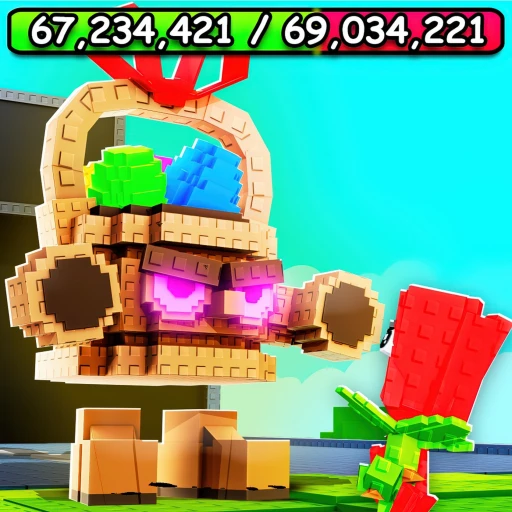
The brainrot genre on Roblox has produced dozens of games, but two titles stand head and shoulders above the crowd in early 2026. Plants vs Brainrots takes the classic tower defense formula from Plants vs. Zombies and reinvents it with internet meme-culture creatures and deep gardening mechanics. Escape Tsunami for Brainrots drops you into a frantic race against massive waves where you collect brainrots, upgrade your base, and pray you reach a safe zone before the water hits.
Both are free to play, both feature the Italian Brainrot creature lineup that has dominated Roblox culture, and both have attracted staggering player counts. But they deliver fundamentally different experiences -- one asks you to think strategically about placement and defense, while the other tests your speed, risk assessment, and resource management under pressure.
This full comparison breaks down every angle so you can figure out which brainrot game deserves your time -- or whether you should just play both. And if you want to earn free Robux to spend on game passes in either title, check out our Plants vs Brainrots free Robux guide or Escape Tsunami for Brainrots free Robux guide.
Plants vs Brainrots vs Escape Tsunami for Brainrots -- Quick Stats (2026)
| Category | Plants vs Brainrots | Escape Tsunami for Brainrots |
|---|---|---|
| Genre | Tower defense / gardening | Tsunami survival / collection |
| Developer | Yo Gurt Studio (Jandel) | Wave of Brainrots |
| Concurrent Players | ~856K avg CCU (8.6M peak) | ~394K CCU (1.25M peak) |
| Total Visits | 1B+ | 3.9B+ |
| Core Loop | Plant seeds, defend base, defeat brainrots, earn income | Collect brainrots, dodge tsunamis, upgrade base, rebirth |
| Key Features | Fuse Machine, mutations (Gold/Diamond/Neon/Frozen), rebirth system | 90+ brainrots, 9 rarity tiers, 6 tsunami types, weekly events |
| Mobile-Friendly | Yes | Yes |
| Free-to-Play | Yes | Yes |
Gameplay -- What Do You Actually Do?
Plants vs Brainrots
Plants vs Brainrots merges gardening simulation with tower defense in a way that feels immediately familiar to anyone who has played Plants vs. Zombies -- but the Roblox version adds layers that the original never had. You cultivate various plants by planting seeds that grow into defensive units. Each plant type attacks differently: some deal area damage, others slow enemies, and a few serve as tanks that absorb hits while your damage dealers clean up.
The brainrot enemies come in waves, each wave tougher than the last. Defeated brainrots do not just disappear -- they can be placed in your base to generate passive income, turning former threats into your economic backbone. This dual purpose means every wave you survive directly funds your next round of upgrades. The better you play, the faster your economy grows.
The Fuse Machine is where the strategy deepens considerably. You can combine units of different rarities to craft entirely new brainrots with unique stat profiles. Experimentation here rewards players who understand how different combinations interact, and discovering a powerful fusion feels genuinely rewarding rather than luck-dependent.
Mutations add another layer of tactical decision-making. Four mutation types -- Gold (2x damage), Diamond (3x damage), Neon (4.5x damage), and Frozen (4x damage plus freeze effect) -- change how your units perform in combat. A Frozen mutation on a crowd-control plant creates devastating synergies that can lock down entire waves. Building around mutation types becomes essential in later stages when raw damage alone is not enough.
The rebirth system provides the long-term hook. When you rebirth, you lose all cash and collected brainrots but keep your plants and eggs. In return, you receive permanent bonuses that make every subsequent run more efficient. This prestige loop keeps veterans engaged long after they have mastered the basic mechanics, and it creates visible progression that newer players can aspire toward.
Escape Tsunami for Brainrots
Escape Tsunami for Brainrots takes a completely different approach to the brainrot formula. Instead of defending a static position, you are constantly moving. The core gameplay loop has you racing across the map to grab brainrot creatures for your base while massive tsunami waves bear down on your position. Get caught in the water, and you lose time, resources, or both.
The collection system is the heart of the experience. Over 90 brainrots span nine rarity tiers: Common, Uncommon, Rare, Epic, Legendary, Mythical, Cosmic, Secret, Celestial, and Divine. Each brainrot generates passive income per second once placed in your base, with higher rarities producing dramatically more income. The drive to find that next tier up keeps sessions running long past the point where you told yourself you would stop.
Six tsunami types create escalating pressure. The Super Slow Tsunami gives new players breathing room to learn the map and collection mechanics. By the time you are dealing with the Lightning Tsunami, you need precise pathing knowledge and upgraded speed stats to survive. The Beast Tsunami, available for 19 Robux, represents the ultimate challenge for players who want the hardest possible experience.
Base upgrades function as your primary stat progression. Up to 40 levels of upgrades let you increase speed, carrying capacity, and income generation. Smart upgrade ordering matters -- dumping everything into speed might let you collect more brainrots per run, but neglecting carrying capacity means extra trips that cost time you may not have when a fast wave approaches.
Events keep the content pipeline fresh. Wave Wednesday drops special weekly waves with boosted rewards. Admin Abuse events spawn chaos and occasionally Divine-tier brainrots that are otherwise unobtainable. Radioactive events open hidden sewer obbies with rare loot, and seasonal events like the Candy Event and Arcade Event provide time-limited content through the Cracked Wall entrance.
Edge: Plants vs Brainrots for strategic depth and mechanical complexity. Escape Tsunami for Brainrots for accessible action and the thrill of dodging waves while chasing rare drops. Plants vs Brainrots demands more from your brain; Escape Tsunami demands more from your reflexes.
Progression -- How Does Each Game Keep You Playing?
Plants vs Brainrots
Progression in Plants vs Brainrots runs through multiple parallel tracks that keep goals in front of you at every stage. The primary track is your plant collection -- discovering new seed types, growing them to full maturity, and learning which plants work best against specific brainrot wave compositions. Each plant represents both a strategic tool and a collectible, and completing your roster feels like filling out a living garden encyclopedia.
The mutation system adds a second progression dimension. Rolling for Gold, Diamond, Neon, or Frozen mutations on your best plants creates ongoing goals beyond simple collection. A player with a full set of Neon-mutated damage plants has a qualitatively different experience than someone running unmutated versions, and getting there takes dedicated play time that feels earned.
The Fuse Machine serves as the experimentation track. Combining units and discovering new fusions is a progression system that rewards knowledge and creativity rather than pure grinding. Players who invest time understanding fusion combinations gain advantages that cannot be shortcut, creating a satisfying depth curve for dedicated players.
Rebirth ties everything together by making each reset feel like a fresh start with permanent advantages. The early game becomes faster and smoother with each rebirth, which means you spend less time in the easy stages and more time pushing into the content that actually challenges you. This compression of the early game is one of the smartest design choices in any Roblox brainrot title.
Escape Tsunami for Brainrots
Escape Tsunami for Brainrots builds its progression around a clear number-goes-up philosophy. Your base generates income from placed brainrots, and that income funds upgrades that let you collect better brainrots faster. The loop is transparent and satisfying -- every session ends with your numbers higher than when you started.
The rarity chase drives long-term engagement. Moving from Common brainrots to Uncommon feels quick, but the jump from Legendary to Mythical requires serious time investment. Each rarity tier increase delivers a noticeable income boost that validates the effort, and seeing a Cosmic or Celestial brainrot appear in the wild creates genuine excitement that keeps the collection loop addictive.
The rebirth system (maxing at level 27 with a 12.75x money multiplier) provides the prestige mechanic that keeps veterans engaged. Each rebirth accelerates your next run, letting you reach further into high-level content with each cycle. The math is straightforward -- more rebirths equal faster progress -- but the execution keeps you coming back because each cycle reveals content you could not reach before.
Events serve as progression spikes that break up the standard loop. Wave Wednesday, Admin Abuse, Radioactive events, and seasonal content all offer resources and brainrots that standard gameplay cannot provide. Knowing that a specific event might drop a Divine brainrot gives you a concrete reason to log in on specific days.
Edge: Escape Tsunami for Brainrots. The progression feels more immediate and rewarding at every stage. Plants vs Brainrots has deeper systems, but Escape Tsunami delivers the dopamine of visible progress faster and more consistently. The event calendar also gives it a live-service feel that brings players back regularly.

Graphics and Audio
Plants vs Brainrots
Plants vs Brainrots channels the colorful, cartoonish aesthetic of its Plants vs. Zombies inspiration while adding the distinctly chaotic visual identity of the Italian Brainrot meme universe. Your garden is vibrant -- plants are well-animated with distinct visual identities that make them easy to distinguish at a glance during hectic defense sequences. The contrast between the orderly garden and the shambling brainrot waves creates a visual rhythm that reads clearly even on mobile screens.
Mutations add visual flair that serves gameplay. Gold plants shimmer, Diamond plants refract light, Neon plants glow with visible aura effects, and Frozen plants trail ice particles. These visual cues communicate critical information instantly -- you can glance at your lineup and know exactly which mutations are active without checking stat screens. That design discipline elevates the game above titles that bury important info in menus.
The brainrot creature designs lean into the absurdist humor that defines the genre. Each one is recognizable and distinct, with exaggerated proportions and meme-referencing animations that reward attention to detail. The visual comedy of watching a wave of ridiculous creatures march toward your meticulously arranged garden never quite gets old.
Escape Tsunami for Brainrots
Escape Tsunami for Brainrots goes for environmental spectacle. The tsunami effects are genuinely impressive by Roblox standards -- watching a wall of water approach while you sprint for the safe zone creates cinematic tension that screenshots cannot capture. The water physics sell the threat, and the visual escalation from Super Slow to Lightning Tsunami makes each difficulty level feel appropriately more dangerous.
Brainrot creatures scattered across the map are bright and visible against the environment, which is a smart design choice given how quickly you need to identify, grab, and move. Higher rarity brainrots have more elaborate visual effects -- Divine-tier creatures practically demand attention with their glow and particle effects, making a rare spawn immediately visible even in your peripheral vision.
The base view provides satisfying visual feedback as you fill it with collected brainrots. A fully stocked base with high-rarity creatures looks genuinely impressive, and visiting other players' bases becomes a window into their progression. This display-case element taps into the collection impulse that drives the game.
Edge: Escape Tsunami for Brainrots for environmental spectacle and the sheer visual impact of the tsunami sequences. Plants vs Brainrots has better unit design clarity and mutation visual feedback. Both look strong for the genre, but the tsunami moments in Escape Tsunami create peak visual experiences that stick in your memory.
Player Count and Community (July 2026)
Plants vs Brainrots holds one of the most staggering records in Roblox history with a peak concurrent user count of nearly 8.65 million players, placing it among the top four biggest Roblox games ever recorded alongside Steal a Brainrot, Grow a Garden, and 99 Nights in the Forest. The game maintained an average of roughly 856K concurrent users over sustained periods and has crossed the 1 billion total visits milestone. Yo Gurt Studio, led by Jandel (the same creator behind Grow a Garden), has a proven track record of building and maintaining massive audiences.
Escape Tsunami for Brainrots by Wave of Brainrots is no slouch either. The game has reached 3.9 billion total visits, 1.28 million favorites, and approximately 394K concurrent players as a baseline. Its peak CCU of 1.25 million on January 14, 2026, secured it a spot as the fifth-highest peak concurrent users of any Roblox game ever recorded. The game has demonstrated remarkable staying power months after launch.
Community culture differs between the two. Plants vs Brainrots attracts players who enjoy theory-crafting, fusion optimization, and sharing mutation builds. The strategy element creates natural discussion topics and tier lists that keep community engagement high. Escape Tsunami for Brainrots fosters a more event-driven community where players coordinate around Wave Wednesdays, Admin Abuse events, and seasonal content drops.
Both games have thriving content creator ecosystems. Plants vs Brainrots generates strategy guides, tier lists, and optimal build videos. Escape Tsunami produces exciting near-miss tsunami clips, rare brainrot pull reactions, and event coverage that performs well on short-form platforms.
Edge: Plants vs Brainrots. The peak CCU record of 8.65 million is nearly seven times higher than Escape Tsunami's peak, and the average concurrent numbers are roughly double. Both games are massive successes, but Plants vs Brainrots operates at a scale that very few Roblox games have ever reached. For the latest codes, check our Plants vs Brainrots codes page and Escape Tsunami for Brainrots codes page.
Game Passes and Monetization
Plants vs Brainrots
Plants vs Brainrots keeps its monetization approach clean and player-friendly. The game is completely free to play with all core mechanics, plants, mutations, and the Fuse Machine accessible without spending a single Robux. Optional game passes and purchases exist for convenience and cosmetic benefits, but nothing that gates progression or creates a pay-to-win dynamic.
The emphasis on gameplay-first monetization follows the pattern established by Jandel's previous hit, Grow a Garden, which built massive loyalty by proving that a free game can sustain itself through optional purchases rather than aggressive paywalls. This approach clearly works -- the player counts speak for themselves.
For players who want to support the developers or accelerate specific aspects of their experience, the available purchases feel optional rather than necessary. You will never hit a wall where spending Robux is the only way forward, which keeps the playing field relatively level between free and paying players.
Escape Tsunami for Brainrots
Escape Tsunami for Brainrots takes a similar free-to-play approach with a few targeted purchase options. The most notable is the Beast Tsunami (19 Robux), which unlocks the hardest and most rewarding tsunami type. At less than a quarter, this is one of the cheapest meaningful purchases on Roblox, and it adds genuine end-game content rather than just cosmetics.
Base upgrades, brainrot collection, rebirthing, and event participation are all free. The game generates revenue through volume rather than whale-hunting -- small, affordable purchases that a large percentage of the playerbase is willing to make. This model keeps the experience accessible while still funding ongoing development and event content.
Neither game pressures you to spend. You can hit max rebirth, collect high-rarity brainrots, and fully experience both titles without opening your wallet. That said, Escape Tsunami's Beast Tsunami purchase is genuinely good value for the content it unlocks, making it one of the rare Roblox purchases that feels worthwhile rather than exploitative.
Edge: Tie. Both games handle monetization responsibly. Plants vs Brainrots edges slightly ahead on pure free-to-play purity, but Escape Tsunami's Beast Tsunami at 19 Robux is such good value that it barely registers as a paywall. Neither game will drain your Robux balance.
Social Features
Plants vs Brainrots
Plants vs Brainrots includes social elements that enhance the core tower defense experience without making solo play feel incomplete. Visiting other players' bases lets you see their brainrot collections and garden setups, providing inspiration and soft competition. The Fuse Machine creates natural trading conversation -- players discuss combinations, share discoveries, and help each other optimize builds through community channels.
The game supports shared servers where friends can play alongside each other, compare strategies, and showcase their mutation collections. The visual nature of your garden and base means social interaction has built-in show-and-tell appeal. A player with a full set of Neon-mutated units generates genuine admiration from visitors.
Escape Tsunami for Brainrots
Escape Tsunami for Brainrots puts more emphasis on multiplayer interaction during active gameplay. Dodging tsunamis alongside other players creates organic shared experiences -- watching someone get caught by a wave they thought they could outrun is simultaneously tense and entertaining. The competitive element of racing to grab rare brainrot spawns before other players adds a PvP-adjacent tension to the collection loop.
Event content drives social engagement on a calendar basis. Wave Wednesday gatherings, Admin Abuse chaos, and seasonal events create shared experiences that the community discusses, streams, and remembers. The Discord and Trello community resources keep players connected between sessions, and the developer's communication through these channels builds a relationship between the studio and the playerbase.
Base visits in Escape Tsunami serve a similar show-off function to Plants vs Brainrots. Displaying your rarest brainrots becomes a status symbol that motivates continued play. When a visitor spots a Divine-tier creature in your base, the social currency of that moment drives engagement for both players.
Edge: Escape Tsunami for Brainrots. The event-driven community structure, active multiplayer tsunami dodging, and competitive collection racing create more frequent and varied social interactions. Plants vs Brainrots has solid social features, but Escape Tsunami makes multiplayer interaction a core part of almost every session.
Replay Value
Plants vs Brainrots
Plants vs Brainrots delivers replay value through depth rather than breadth. The rebirth system means you will play through the core loop multiple times, but each run feels meaningfully different because your permanent bonuses change how you approach defense and resource allocation. Experimenting with different plant compositions, mutation combinations, and Fuse Machine recipes keeps the strategic element fresh across dozens of rebirths.
The tower defense genre inherently supports replayability because optimal strategies shift as you discover new unit interactions and face different wave compositions. A player on their fifteenth rebirth is solving fundamentally different problems than a player on their third, which prevents the stale feeling that afflicts simpler collection games.
Content updates from Yo Gurt Studio add new plants, brainrots, and mechanics that reshape the meta. Each update is not just new content to consume -- it is new variables that change how existing strategies perform, giving veterans reasons to revisit builds they thought they had perfected.
Escape Tsunami for Brainrots
Escape Tsunami for Brainrots builds replay value on two pillars: the rarity chase and the event calendar. The collection system has enough depth (90+ brainrots across nine tiers) that completion takes hundreds of hours, and the random nature of spawns means each session offers the possibility of a breakthrough find. That lottery-ticket excitement is a powerful retention mechanism.
The event calendar ensures that standard gameplay never has to carry the full engagement burden. Weekly, seasonal, and developer-driven events provide recurring reasons to log in with unique rewards that cannot be obtained through normal play. Fear of missing a Divine brainrot during an Admin Abuse event or exclusive seasonal content drives consistent return visits.
The rebirth system (27 levels) provides structural replay motivation, but the emotional replay value comes from those moments when a high-rarity brainrot appears on screen and you have to outrun a tsunami to claim it. Those stories are what players share, what content creators capture, and what keep the game alive in community conversations.
Edge: Plants vs Brainrots. The strategic depth creates replay value that scales with player skill and knowledge, which is more durable than collection-based replay value. Escape Tsunami's events provide stronger short-term return incentives, but Plants vs Brainrots gives you more to think about during each actual session. Both offer hundreds of hours of content for dedicated players.
Earning Free Robux for Plants vs Brainrots and Escape Tsunami for Brainrots
Neither game requires Robux to enjoy, but if you want to pick up game passes, the Beast Tsunami, or any other optional purchases, earning free Robux through legitimate platforms saves you from spending real money. Earnaldo lets you complete offers, watch videos, and refer friends to accumulate Robux that you can spend in either game.
For Plants vs Brainrots players, free Robux means access to any optional passes without dipping into your own funds. Check out our complete Plants vs Brainrots free Robux guide for step-by-step instructions.
For Escape Tsunami for Brainrots players, even the 19 Robux Beast Tsunami purchase becomes free with minimal effort on the platform. Our Escape Tsunami for Brainrots free Robux guide walks you through the fastest methods to earn enough for everything the game offers.
Verdict -- Plants vs Brainrots vs Escape Tsunami for Brainrots
Choose Plants vs Brainrots if...
You enjoy strategic thinking, tower defense mechanics, and deep systems you can optimize over time. Plants vs Brainrots rewards players who like experimenting with unit combinations, planning defensive layouts, and mastering mutation synergies. If you played Plants vs. Zombies and wished it had more depth, progression systems, and internet meme creatures, this is your game. The rebirth system ensures hundreds of hours of meaningful progression, and the Fuse Machine gives theory-crafters an endless playground.
Choose Escape Tsunami for Brainrots if...
You want fast-paced action, the thrill of dodging disaster, and a collection system that keeps you chasing rare finds. Escape Tsunami for Brainrots delivers constant momentum -- there is always a wave coming, always a brainrot to grab, always an upgrade to buy. The event calendar keeps the experience fresh on a weekly and seasonal basis, and the social elements of racing other players to rare spawns add competitive energy. If you like games that keep your adrenaline up and reward quick decision-making, this is the pick.
Overall
Both games represent the best of the brainrot genre on Roblox, but they serve different player appetites. Plants vs Brainrots is the thinking person's brainrot game -- strategic, layered, and rewarding over long sessions. Escape Tsunami for Brainrots is the action player's brainrot game -- fast, exciting, and built around moment-to-moment decisions under pressure. There is no wrong choice here, and plenty of players actively play both. If you are picking one to start with, go with Plants vs Brainrots if you lean toward strategy, or Escape Tsunami if you lean toward action.
Who Should Play What
Tower defense fans: Plants vs Brainrots, without question. The genre DNA is strong, and the brainrot twist adds personality without sacrificing strategic depth.
Collection completionists: Escape Tsunami for Brainrots. With 90+ brainrots across nine rarity tiers, the collection grind has substantial depth and the rarity chase provides consistent motivation.
Mobile players: Both work well on mobile, but Escape Tsunami's simpler moment-to-moment inputs (move and collect) translate more naturally to touchscreen controls than Plants vs Brainrots' precision plant placement.
Short session players: Escape Tsunami for Brainrots. You can make meaningful progress in 10-15 minute windows. Plants vs Brainrots benefits from longer, more focused sessions where you can plan and execute multi-wave strategies.
Theory-crafters and optimizers: Plants vs Brainrots. The mutation system, Fuse Machine, and plant composition decisions create an optimization space that rewards deep thinking and experimentation.
Event-driven players: Escape Tsunami for Brainrots. The Wave Wednesday, Admin Abuse, Radioactive, and seasonal event calendar gives you concrete reasons to log in on specific days, and the exclusive rewards make participation feel mandatory in the best way.
Earn Free Robux for Both Games
Get game passes, the Beast Tsunami, and more without spending real money. Earn Robux through offers, videos, and referrals on Earnaldo.
Frequently Asked Questions
Plants vs Brainrots holds the larger peak player record with nearly 8.65 million concurrent users at its height and over 1 billion total visits. Escape Tsunami for Brainrots has also been a massive hit, reaching approximately 394K concurrent players and 3.9 billion visits. Both are top-tier brainrot games, but Plants vs Brainrots achieved a higher peak while Escape Tsunami shows strong sustained daily numbers.
Escape Tsunami for Brainrots is slightly easier for beginners because the core loop is straightforward: collect brainrots, dodge tsunamis, upgrade your base. Plants vs Brainrots has more systems to learn, including tower defense plant placement, mutation types, the Fuse Machine, and rebirth mechanics. Both are free-to-play and mobile-friendly, but Escape Tsunami gets you into the action faster.
Yes, both games feature rebirth systems. In Plants vs Brainrots, rebirthing resets your cash and brainrots but keeps your plants and eggs, granting permanent bonuses for future runs. In Escape Tsunami for Brainrots, the max rebirth level is 27 with a 12.75x money multiplier. Both systems reward long-term dedication with accelerated progression.
Yes, both games are fully playable on mobile through the Roblox app. Plants vs Brainrots works well on mobile with its tap-to-place tower defense controls. Escape Tsunami for Brainrots is also mobile-optimized, though dodging faster tsunami types can be more challenging on a touchscreen compared to keyboard controls.
Escape Tsunami for Brainrots has the larger collection with over 90 brainrots across nine rarity tiers from Common to Divine. Plants vs Brainrots also has a substantial roster of brainrots that can be defeated and placed in your base, plus the Fuse Machine lets you combine units to create unique brainrots. Both games regularly add new brainrots through updates.
Neither game is pay-to-win. Both are completely free-to-play with optional game passes and purchases that offer convenience or cosmetic benefits. Escape Tsunami for Brainrots sells a Beast Tsunami for 19 Robux, and Plants vs Brainrots offers various optional passes, but the core gameplay and progression in both titles are fully accessible without spending any Robux.