RNG Battles vs Sol's RNG (2026) — Which Roblox Game Is Better?
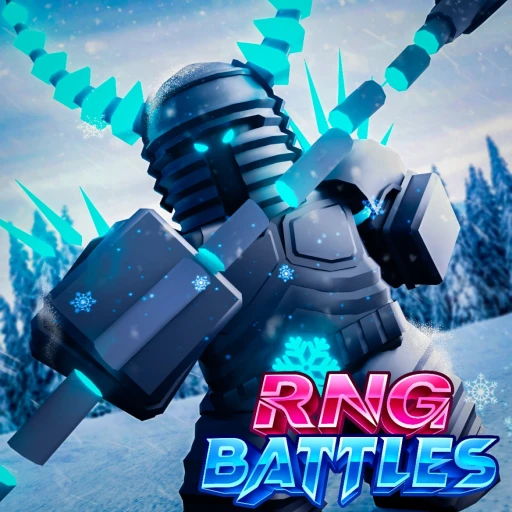
The RNG genre on Roblox has split into two distinct camps: games that use randomness as the entire gameplay loop, and games that use randomness as a foundation for something more. RNG Battles by RNG123 falls firmly into the second category — a combat-focused PvP experience where RNG determines your weapons but skill determines the outcome, featuring over 400 weapons ranging from Common to Mythical rarity and pulling in 130 concurrent players alongside 24 million total visits. Sol's RNG by cstudio is the undisputed king of the first category — a pure RNG rolling experience with 55K+ concurrent players where the act of rolling itself is the game, complete with a biome system that shifts the odds and an aura collection that has turned luck-chasing into a cultural phenomenon on the platform.
One game gives you a random weapon and says "now fight." The other gives you a random aura and says "now admire." The RNG label connects them, but the moment-to-moment experience of playing each game could not be more different. RNG Battles adds skill, strategy, and PvP combat on top of random weapon drops. Sol's RNG distills the RNG concept to its purest form — you roll, you react to what you get, and you keep rolling.
This comparison covers every angle that matters — gameplay depth, progression systems, graphics, community size, game passes, social features, replay value, and Earnaldo earning potential — so you can decide which version of RNG-based entertainment matches your gaming preferences in 2026.
RNG Battles vs Sol's RNG — Quick Stats (2026)
| Category | RNG Battles | Sol's RNG |
|---|---|---|
| Genre | RNG combat / PvP | Pure RNG rolling |
| Place ID | 97953461559247 | Known |
| Developer | RNG123 | cstudio |
| Concurrent Players | ~130 | 55K+ |
| Total Visits | 24M | Billions |
| Core Loop | Roll weapons, fight in PvP, collect 400+ weapons | Roll for auras, explore biomes, collect rare auras |
| Rarity System | Common to Mythical (400+ weapons) | Aura rarity tiers with extreme odds |
| Game Passes | None (fully free) | Multiple passes available |
| Mobile-Friendly | Yes | Yes |
| Free-to-Play | Yes (100%) | Yes (with optional passes) |
The player count disparity is dramatic: Sol's RNG at 55K+ players versus RNG Battles at 130. This gap reflects genre preference rather than quality — Sol's RNG tapped into a massive audience that finds satisfaction in pure luck-based rolling, while RNG Battles targets a much smaller niche that wants RNG to feed into skill-based combat. Both are valid approaches, and the right choice depends entirely on what kind of experience you find engaging.
Gameplay — What Do You Actually Do?
RNG Battles
RNG Battles takes the randomness that defines the RNG genre and points it toward something consequential: PvP combat. You roll for weapons from a pool of over 400 options, each assigned a rarity tier from Common at the bottom to Mythical at the peak. The weapon you receive is random, but what you do with it is entirely within your control. Once armed, you enter PvP arenas to fight other players using whatever the RNG gods handed you.
The weapon variety is the game's strongest asset. Over 400 weapons means the combat space is enormous — swords, axes, hammers, ranged weapons, magical implements, and exotic categories each with unique attack patterns, damage values, range profiles, and special abilities. A Common-rarity shortsword plays fundamentally differently from a Mythical greatsword, and the gap between them is not just statistical but mechanical. Higher-rarity weapons tend to have more complex movesets, wider attack ranges, and special effects that can swing fights. But a skilled player with a Rare weapon can and does defeat a less-skilled player with a Legendary one, which is what makes the system work.
Combat uses a skill-based fighting system where positioning, attack timing, combo execution, and opponent reading all matter. You need to understand your weapon's range, attack speed, and special properties to use it effectively. You also need to read your opponent's weapon and adjust your approach — rushing a player with a long-range weapon is different from rushing someone with a fast dagger. The RNG determines your loadout, but the PvP determines the outcome. This creates a unique dynamic where you must be adaptable: the weapon you get forces you to play in a way you might not have planned, developing versatility as a natural byproduct of the random assignment system.
Weapon collection is a secondary goal that gives the random rolls long-term purpose. With 400+ weapons to discover, each roll has a chance to add something new to your catalog. Completing rarity tiers, finding the rarest Mythical drops, and building a comprehensive collection provide goals beyond match-to-match combat performance. The rarity system also creates memorable moments — rolling a Mythical weapon for the first time triggers genuine excitement because you know it will fundamentally change how your next fight plays out.
Sol's RNG
Sol's RNG strips the RNG concept down to its most fundamental element: you roll, and you hope for something rare. The core mechanic is pressing a button to roll for an aura — a visual effect that surrounds your character and represents your current luck result. Auras range from extremely common (you will see them hundreds of times) to impossibly rare (some have drop rates measured in fractions of fractions of a percent). The thrill is entirely in the roll itself — the moment of anticipation before the result appears, the rush when something rare drops, and the compulsion to roll again immediately regardless of the outcome.
What elevates Sol's RNG beyond a simple slot machine is the biome system. The game world shifts between different biomes — each with its own visual theme, ambient atmosphere, and crucially, different aura pools and drop rates. Certain auras can only appear in specific biomes, and some biomes are themselves rare, appearing for limited windows before shifting to the next one. This creates a layered randomness: first, the random biome rotation determines what is available; then, your random roll within that biome determines what you get. Players learn the biome cycle, anticipate which biomes unlock which auras, and time their rolling sessions to coincide with the biomes that contain the drops they are chasing.
The aura collection is the endgame. Each aura has a distinct visual effect — some subtle, some dramatic, some wildly elaborate. Collecting rare auras is a status symbol within the community, and trading auras between players has become a significant social activity. The rarest auras function as social currency — owning one announces to every player in the server that you either got impossibly lucky or traded something of equivalent value to obtain it.
There is no combat, no skill expression during the roll itself, and no way to influence the outcome beyond being in the right biome at the right time. The game is pure probability, and the satisfaction comes from the emotional experience of interacting with randomness rather than from any mechanical challenge. For millions of players, that emotional experience is enough to sustain hours, days, and weeks of play.
Edge: RNG Battles. This is a gameplay depth comparison, and RNG Battles offers objectively more for the player to engage with. The 400+ weapon combat system adds skill, strategy, and adaptability on top of the RNG foundation, creating a game that asks more of you and rewards you for developing ability rather than just showing up. Sol's RNG is a masterclass in pure RNG design, but the gameplay itself is mechanically thin — you press a button and watch a result. RNG Battles gives you a random tool and asks you to do something with it, which makes every roll consequential rather than merely exciting.
Progression — How Quickly Does It Hook You?
RNG Battles
Your first weapon roll happens within seconds of loading in, and your first fight starts moments after that. The hook is immediate and dual-layered: the excitement of seeing what weapon you received, followed by the challenge of using that weapon effectively in combat. Even a Common-rarity weapon provides enough combat capability to engage in meaningful fights, so there is no period where you feel underpowered or locked out of the core experience.
Mid-game progression revolves around two parallel tracks: skill development and collection growth. Your combat ability improves as you learn different weapon types, understand matchups, and develop the versatility to fight effectively with whatever the RNG hands you. Simultaneously, your weapon catalog grows with each roll, filling in rarity tiers and discovering weapons you have never seen before. The combination of improving skill and expanding collection keeps both short-term and long-term goals alive throughout the mid-game.
Late-game RNG Battles is about mastery and hunting for Mythical weapons. Players at this stage have fought with most weapon types and developed strong combat instincts, but the rarest weapons remain elusive. Chasing Mythical drops provides a long-term RNG goal, while the competitive PvP scene provides a skill ceiling that keeps improving players engaged. The game does not plateau because the combat depth and the weapon variety keep creating new situations long after you think you have seen everything.
Sol's RNG
The first roll hooks you with pure simplicity. Press the button, watch the result. Within your first ten rolls, you have likely seen several common auras and possibly a slightly uncommon one. The visual feedback when a rarer aura drops — the color change, the particle effects, the sound cue — is calibrated to trigger excitement. Sol's RNG is designed by someone who understands that the moment between pressing "roll" and seeing the result is the most engaging second in any luck-based game, and cstudio has refined that second to perfection.
Mid-game introduces biome awareness. You start noticing that different biomes produce different results, and you learn to wait for specific biomes before burning through rolls. The community provides information about which auras appear in which biomes and the approximate drop rates, which adds a research and knowledge layer to the otherwise simple rolling mechanic. Your aura collection grows, and the visual representation of your rarest finds becomes a point of pride.
Late-game Sol's RNG is an exercise in patience and probability. The rarest auras have drop rates so low that you could roll thousands of times and never see them. Players at this stage are either grinding through massive rolling sessions hoping for lightning to strike, or they are engaging with the trading economy to acquire what luck cannot deliver. The biome cycle becomes a critical factor — camping for rare biomes that have exclusive ultra-rare auras is a defining late-game behavior. The progression stretches infinitely because there is always a rarer aura you have not collected.
Edge: Sol's RNG for immediate hook. Pressing a button and seeing a colorful result is the fastest possible engagement loop, and cstudio perfected it. But RNG Battles sustains engagement longer because the combat skill progression adds a dimension that pure rolling cannot — you are getting better at something, not just hoping for better luck.
Graphics and Audio
RNG Battles
The visual investment goes into weapon design. Over 400 weapons need to be visually distinct enough that you can identify them at a glance during fast-paced PvP, and RNG123 delivers on this requirement. Higher-rarity weapons feature more elaborate models, glowing effects, particle trails, and animated elements that make them look as powerful as they are. Combat animations are fluid and weapon-specific — swords slash, hammers pound, ranged weapons fire with distinct projectile effects. The arenas are functional combat spaces with enough environmental variety to keep fights visually interesting without introducing visual clutter that would distract from the PvP action.
Audio design supports the combat loop. Weapon impact sounds are satisfying and differentiated by weapon type — a greatsword connecting sounds different from a dagger connecting. Roll results have audio cues that scale with rarity, building anticipation during the reveal. Background music maintains energy during fights without overpowering the combat sound effects. Performance is stable given the relatively small server sizes and focused visual scope.
Sol's RNG
Sol's RNG's visual identity lives in its auras and biomes. The aura effects range from subtle color shifts at common tiers to screen-filling, particle-heavy spectacles at the highest rarities. The rarest auras are genuine visual showcases — animated effects that wrap around your character with layers of particles, color gradients, and environmental interactions that make you impossible to miss in a crowd. Collecting a rare aura is as much about the visual payoff as the statistical achievement.
The biome system provides constantly shifting visual environments. Each biome has a unique color palette, lighting scheme, ambient particles, and atmospheric effects that transform the game world. Moving from a twilight biome with deep purples and floating particles to a golden sunrise biome with warm lighting and shimmering air is a visual experience that keeps the static rolling mechanic feeling dynamic. The biome transitions themselves are smooth and atmospheric, signaling to players that the available aura pool has changed.
Audio is minimal but effective. The roll sound builds tension, the result reveal has a satisfying audio payoff scaled to rarity, and the biome ambience provides a calm background that contrasts with the excitement of each roll. The sound design understands that less is more in a game where the core action is waiting — audio clutter would undermine the clean anticipation-and-payoff cycle.
Edge: Sol's RNG. The aura visual effects and biome system create a richer, more atmospheric visual experience than RNG Battles' combat-focused presentation. The rarest auras in Sol's RNG are among the most visually impressive collectible effects on Roblox, and the biome rotation keeps the environment feeling fresh. RNG Battles has strong weapon design, but Sol's RNG's visual identity is more distinctive and more memorable.
Player Count and Community (July 2026)
Sol's RNG commands a massive audience: 55K+ concurrent players with billions of total visits. The community infrastructure is extensive — dedicated Discord servers, YouTube channels documenting rare rolls, TikTok clips of impossibly rare aura drops going viral, community-maintained probability calculators, and a trading economy with its own value hierarchies. cstudio has built one of the most engaged communities on Roblox by tapping into the universal human fascination with luck and rare outcomes. Content creators produce rolling videos, biome guides, and "I finally got it" celebration clips that generate millions of views. The community culture revolves around shared excitement — when someone in a server rolls an ultra-rare aura, the entire server reacts.
RNG Battles sits at 130 concurrent players with 24 million total visits. The community is small and combat-focused — Discord discussions center on weapon tier lists, PvP strategies, matchup analysis, and combat technique sharing. Content creators who cover the game tend to produce weapon showcases and PvP highlight reels rather than the luck-celebration content that drives Sol's RNG viewership. RNG123 maintains developer presence and engages with community feedback, but the game's smaller audience limits the scope of community-driven content creation. The dedicated players know each other, which creates a tight-knit competitive scene where regulars develop rivalries and reputations.
Edge: Sol's RNG. The player count difference is not subtle — Sol's RNG has over 400 times more concurrent players. The community size, content creation volume, and cultural presence on the platform are in entirely different categories. RNG Battles has a passionate micro-community, but Sol's RNG is a cultural force within Roblox that has influenced how an entire generation of players thinks about luck-based games.
Game Passes and Monetization
RNG Battles
RNG Battles has no game passes. The full roster of 400+ weapons, all rarity tiers, all combat modes, and all features are available to every player from the moment they load in. RNG123 made the deliberate choice to keep the game entirely free, which means the RNG is truly fair — no player has a statistical advantage in weapon rolls, and no paid boost tilts the odds. This is particularly meaningful in a PvP game where fairness directly impacts competitive integrity. When you lose a fight in RNG Battles, it is because of skill difference or weapon matchup, not because your opponent bought better odds.
Sol's RNG
cstudio offers multiple game passes and purchasable products that enhance the rolling experience. These typically include luck multipliers that marginally increase drop rates for rare auras, additional roll speed boosts that reduce the time between rolls, and cosmetic passes that add visual effects to the rolling process. The pricing varies, with entry-level boosts accessible at lower Robux costs and premium luck passes at higher price points.
The monetization walks a careful line. The luck boosts provide marginal statistical advantages rather than guaranteed outcomes, so a free player can still roll a rarer aura than a paying player on any given roll. The core experience — rolling for auras — is fully accessible without spending. But the cumulative advantage of rolling faster with better odds does create a meaningful gap over thousands of rolls, which matters in a game where the endgame is defined by collecting the rarest possible drops. cstudio complements the monetization with generous code drops and free events that keep free players engaged.
Edge: RNG Battles. A game with zero monetization beats a game with paid luck boosts every time, especially in a genre defined by randomness. RNG Battles' completely free model ensures perfect fairness across all players, which is both ethically admirable and competitively important for a PvP experience. Sol's RNG's monetization is reasonable by Roblox standards, but paid luck boosts in a luck-based game will always raise questions about pay-to-win dynamics.
Social Features and Multiplayer
RNG Battles
Social interaction is baked into the core experience because PvP combat is inherently social. Every fight is an interaction with another player, and the random weapon assignment creates natural conversation starters — comparing weapons, discussing matchups, and reacting to rare drops are all social activities that happen organically during gameplay. The competitive scene, though small, creates the kind of personal rivalries and reputation building that larger, more anonymous games cannot replicate. When you have 130 concurrent players, you run into the same people, you learn their tendencies, and you develop relationships built on shared combat experience.
Trading weapons between players adds another social layer, letting you swap with others to fill collection gaps or optimize your PvP loadout. The small community means trading requires more trust and personal connection, which creates stronger social bonds than anonymous marketplace transactions.
Sol's RNG
Sol's RNG turns rolling into a spectator sport. When someone in the server rolls a rare aura, the visual spectacle is shared with everyone present, creating communal moments of excitement or jealousy. The chat erupts when rare drops happen, and players congratulate each other on good luck — or commiserate on bad runs. Aura trading is a major social activity, with community-developed value systems, trading servers, and reputation-based trust networks. The sheer number of players means you always have someone to trade with, compare collections against, and share the rolling experience alongside.
The biome system creates community-level events. When a rare biome appears, word spreads quickly through Discord and in-game chat, and players rush to roll during the limited window. These biome events function as social catalysts, bringing players together around shared opportunity and shared excitement. The massive player base ensures that servers always feel populated and lively, which reinforces the social atmosphere.
Edge: Sol's RNG. The shared spectacle of rolling, the massive trading economy, and the community events around biome shifts create social engagement that RNG Battles' smaller PvP scene cannot match in scale. RNG Battles offers deeper individual social connections through its intimate competitive community, but Sol's RNG's communal excitement around rare drops is a uniquely powerful social experience that works because of its enormous player base.
Replay Value — Will You Still Play Next Month?
RNG Battles sustains replay value through two complementary systems. The PvP combat provides session-to-session skill development — you get better at fighting, you learn new weapons, you adapt to different opponents, and the competitive challenge keeps each match feeling distinct. The weapon collection provides a long-term RNG goal — with 400+ weapons across rarity tiers from Common to Mythical, completing the collection takes genuine time and luck. The combination means you have both a skill-based reason and a collection-based reason to return. The risk is the small player base — matchmaking with 130 concurrent players means you may face the same opponents frequently, which can reduce variety. If the player count dips further, finding matches becomes a concern.
Sol's RNG's replay value is probability-driven and event-driven. The rarest auras provide a virtually infinite chase — you could roll for months and never see the rarest drop, which means there is always something to aspire toward. The biome rotation creates recurring urgency, with rare biomes appearing on schedules that motivate return visits. cstudio updates the game with new auras, new biomes, and new mechanics that extend the collection endgame. The trading economy provides a meta-game that keeps players engaged between rolling sessions. The risk is burnout from futility — rolling thousands of times without seeing a rare result can shift from exciting to demoralizing, and the game's value proposition requires you to find satisfaction in the process rather than the outcome.
Edge: RNG Battles for replay value that you can control. Your combat skill improves with practice, which means every session produces measurable personal progress regardless of what the RNG gives you. Sol's RNG's replay value is hostage to probability — you could play for a week and make zero collection progress if the rolls do not cooperate. Games that reward skill development alongside luck provide more reliable replay motivation than games built entirely on chance.
Earning Potential — Free Robux While You Play
If you are using Earnaldo to earn free Robux alongside your gaming sessions, both RNG games create earning opportunities, but through different mechanisms. Sol's RNG is a natural Earnaldo companion because the core gameplay involves waiting between rolls and watching results — activities that leave mental bandwidth for completing offers, surveys, and tasks on Earnaldo simultaneously. Roll, watch the result, tab to Earnaldo, complete a task, tab back, roll again. The cycle integrates smoothly because Sol's RNG does not demand sustained active focus.
RNG Battles requires more active attention during combat, which limits multitasking during fights. However, the time between matches — weapon selection, arena selection, post-match results, and queue waiting — creates natural gaps for Earnaldo task completion. Players who alternate between rolling for new weapons (passive) and fighting with them (active) can schedule their Earnaldo earning around the rolling phases. Since the game is entirely free with no game passes, earning Robux through Earnaldo is also the only way to "invest" in your experience — use the earned Robux on other games or save them while enjoying RNG Battles' fully free content.
For game-specific earning strategies, check out our RNG Battles free Robux guide and Sol's RNG free Robux guide. Grab the latest working codes: RNG Battles codes | Sol's RNG codes.
Earn Free Robux for RNG Battles or Sol's RNG
Complete simple tasks on Earnaldo and withdraw real Robux — no downloads, no generators, no scams.
Head-to-Head Verdict — RNG Battles vs Sol's RNG in 2026
The Verdict
Choose RNG Battles if you want your RNG to mean something beyond the roll itself. The 400+ weapon combat system transforms random drops from collectible curiosities into functional tools that shape how you fight. The PvP component adds a skill dimension that pure RNG games lack — your luck determines your equipment, but your ability determines whether you win. The game is completely free with zero game passes, which guarantees fair competition for every player. At 130 concurrent players, the community is small but the fights are personal, the rivalries are real, and your skill growth is measurable. If you want an RNG game that rewards getting better rather than just getting lucky, RNG Battles is the answer.
Choose Sol's RNG if the act of rolling itself is what you find satisfying. cstudio created the definitive luck-based experience on Roblox — 55K+ concurrent players cannot be wrong about the appeal of pressing a button and hoping for magic. The biome system adds environmental variety and strategic timing to the rolling process, the aura visual effects are some of the most impressive collectibles on the platform, and the trading economy provides a social endgame that extends beyond the rolls themselves. The massive community means you are always sharing the experience with others, and the communal excitement when rare auras drop creates moments that solo games cannot replicate. If you want the purest possible RNG thrill on Roblox, Sol's RNG delivers it with unmatched polish and scale.
Overall winner: RNG Battles — as a game. Sol's RNG — as an experience. This comparison comes down to what you believe a game should ask of its players. RNG Battles asks you to roll, adapt, fight, learn, and improve. Sol's RNG asks you to roll, react, and roll again. As a game with mechanical depth, skill expression, and competitive structure, RNG Battles is the more complete product. As a communal experience built around the primal human relationship with luck, Sol's RNG is unmatched. Pick the one that aligns with what you want from your screen time: if you want to test your ability, play RNG Battles. If you want to test your luck, play Sol's RNG.
Who Should Play What?
- You enjoy PvP combat: RNG Battles. The entire game revolves around fighting other players with randomly assigned weapons, creating unique combat scenarios every match.
- You love the thrill of random drops: Sol's RNG. The rolling mechanic is refined to perfection, and the rarest auras provide chase goals that last months.
- You want a game that rewards skill improvement: RNG Battles. Combat proficiency grows with practice, and your win rate reflects your ability rather than your luck.
- You want a massive community: Sol's RNG. With 55K+ concurrent players, you always have trading partners, shared rolling moments, and community events.
- You want a completely free game: RNG Battles. Zero game passes, zero monetization, 400+ weapons accessible to everyone equally.
- You enjoy collecting with visual payoff: Sol's RNG. The aura visual effects are stunning, and the biome system keeps the collecting environment dynamic.
- You want to earn Robux while playing: Both work with Earnaldo. Sol's RNG's passive rolling leaves more mental bandwidth for completing offers; RNG Battles pairs best during non-combat phases.
Frequently Asked Questions
Sol's RNG is dramatically more popular with 55K+ concurrent players versus RNG Battles' 130. Sol's RNG has established itself as the definitive RNG game on Roblox, with a massive community, content creator ecosystem, and cultural influence that extends across the platform. RNG Battles has 24 million visits and a small but dedicated community that values its combat-focused approach to the genre.
Sol's RNG is the stronger Earnaldo companion because rolling for auras is a passive activity with natural gaps between rolls for completing offers. RNG Battles requires active attention during PvP combat but offers earning windows between matches and during weapon selection. Both work with Earnaldo, but Sol's RNG's more hands-off gameplay integrates more smoothly with multitasking.
RNG Battles features over 400 weapons across rarity tiers from Common to Mythical, each with unique stats and combat mechanics. Sol's RNG has a large catalog of auras with extreme rarity variations. The key difference is function: RNG Battles' weapons are combat tools that directly impact gameplay, while Sol's RNG auras are primarily collectible visual effects. Both offer extensive catalogs to chase.
Yes. Both games release codes for free rewards, rolls, and boosts. Check our updated lists: RNG Battles codes (July 2026) and Sol's RNG codes (July 2026). Codes expire quickly in both games, so redeem them as soon as you discover them.
RNG Battles has zero game passes — the full 400+ weapon roster and all features are free. Sol's RNG offers passes including luck boosts, roll speed increases, and cosmetic enhancements. RNG Battles wins on pure accessibility, while Sol's RNG's passes are optional and the core rolling experience remains free.
Sol's RNG is more casual-friendly because pressing a button to roll requires zero skill, knowledge, or strategic thinking. You can enjoy the game from your first second with no learning curve. RNG Battles requires learning combat mechanics and developing PvP skills, which creates a higher engagement floor. For a relaxed luck-based experience, Sol's RNG is the casual pick. For casual players who still want a gameplay challenge, RNG Battles provides it without requiring extreme time investment.