Slayerbound vs Sword League (2026) -- Which Roblox Game Is Better?
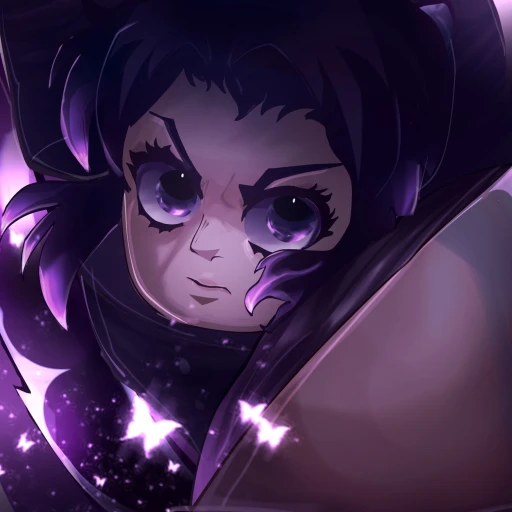
Slayerbound and Sword League both put a blade in your hand, but they swing in completely different directions. Slayerbound is an anime RPG built on the Demon Slayer fantasy, where you train a slayer, roll a Clan, unlock Breathing Styles, and cut down demons. Sword League is a gladiator action RPG where you crack open chests, collect swords, forge armor, and grind bosses across seven themed islands. Same genre on paper, very different games in practice.
Picking between them really comes down to the kind of grind you enjoy. If you want flashy anime combat, spin-based ability rolls, and a build you obsess over, Slayerbound is calling your name. If you'd rather chase loot, enchant rare swords, and trade armor with other players, Sword League is your lane. This head-to-head breaks down gameplay, progression, codes, trading, monetization, and mobile support so you can pick the right one before you sink hours into either.
Slayerbound vs Sword League -- Quick Stats (2026)
| Category | Slayerbound | Sword League |
|---|---|---|
| Genre | Anime RPG (Demon Slayer style) | Gladiator Action RPG |
| Place ID | 113829431520841 | 134382395125163 |
| Core Loop | Quest, roll Clans, master Breathing Styles, slay demons | Open chests, collect swords, beat bosses, forge armor |
| Main Currency | Yen (earned from quests) | Coins (earned from loot & bosses) |
| Standout Mechanic | Spins for Breathing Styles & demon arts | Sword enchanting with Vitreum |
| Codes Reward | Spins, yen, stat/clan resets | Tea, Lucky Potions, coins, Clan Tokens |
| Trading System | No direct player trading focus | Yes -- armors & foods |
| Mobile-Friendly | Playable, PC-favored | Yes -- timing translates well |
| Free-to-Play | Yes | Yes |
| Best For | Anime fans, build crafters | Loot grinders, traders |
Gameplay -- What Do You Actually Do?
Slayerbound
Slayerbound drops you into a Demon Slayer-inspired world where you start as a nobody with a goal: become a feared slayer. Your first job is grinding quests for yen so you can buy your katana, the weapon you need before combat opens up. Early on you'll run delivery quests, which are fast and repeatable, then graduate to combat and gathering quests that pay more experience but take longer.
The heart of the game is the Breathing Style and Clan system. Your Clan acts as the foundation for your character's passive stats. Some Clans hand you massive health regeneration, others lean into pure damage, and a few boost mastery speed so you level techniques faster. You roll Clans with spins, and the rarity you land shapes your whole build. Breathing Styles sit on top of that, giving you the actual combat moves -- think fire, water, or ice arts pulled straight from the anime playbook.
Combat is fast and combo-driven. You dash, chain breathing arts, and time your strikes against demons that hit hard if you button-mash. There's a real skill curve once you're past the early quests, and the spin economy keeps you grinding for that one godly Clan-and-style combo. If you want a deeper look at the systems, the Slayerbound hub page walks through clans, styles, and leveling in detail.
Sword League
Sword League is a gladiator RPG built around loot and progression. You open treasure chests to pull swords and gear, level up your power, and then test that power against bosses in arena fights. The combat is timing-based -- you press the right keys at the right moment to land attacks or block, and mistiming means you whiff or take the hit. It's simpler to pick up than Slayerbound's combo system, but mastering boss patterns still takes practice.
The world is split into seven islands: Zucchabar, Pompei, El Djem, Floating City, Etna Volcano, Swamp of Lerna, and Mount Olympus. Each island packs six to nine bosses, and beating them drops unique gear. You carry that gear to Ferratus, the in-game blacksmith, who upgrades your helmets, torsos, and pants so you can survive the next island's tougher fights. It's a clean, satisfying loop of fight, loot, upgrade, repeat.
Swords are the real chase. Every island has its own set, and each sword gives different combat stats. Once you hit higher levels, you visit the Enchanting altar and spend Vitreum to enchant swords, which boosts their stats and gives them a flashy look. Sword League also leans on offline grinding -- forge the right armor and your character keeps earning while you're away. The Sword League hub page covers islands, bosses, and the best swords to chase.
Progression -- How Quickly Does It Hook You?
Slayerbound front-loads a bit of setup. Your first stretch is quest-running for yen, buying the katana, and rolling your first Clan. Until you land a decent Clan and Breathing Style, combat feels a little flat. Once that clicks -- usually within your first hour -- the spin loop takes over. You're constantly chasing better rolls, resetting stats to optimize, and grinding mastery to unlock the full power of your style. The hook is the build, and rerolling for a perfect one can eat days.
Sword League hooks you faster because the goal is obvious from minute one: beat the next boss. You open a chest, equip a better sword, drop the boss in front of you, and immediately see the next island's gate. That tight feedback loop is genuinely addictive. Each upgrade from Ferratus makes a visible difference, and clearing a whole island feels like real progress. The grind stretches as bosses get tankier, but the path is always clear.
The two games differ most at the endgame. Slayerbound's endgame is build perfection -- the rarest Clans, maxed Breathing Styles, and demon arts that turn you into a server threat. There's no hard finish line, just an endless chase for the best roll. Sword League's endgame is collecting and enchanting the strongest swords, maxing armor, and farming Vitreum to push enchants higher. Trading rare armor and foods extends that endgame even further, since the economy gives top-tier gear lasting value.
Edge: Sword League, for a clearer, more measurable progression path. Slayerbound's spin-driven build chasing is deep, but it leans on RNG that can stall you. Sword League's island-by-island ladder always shows you the next step.
Codes and Freebies
Both games lean on the classic Roblox code system, and both are worth redeeming the moment you start.
Slayerbound codes are build-changing. They mainly hand out free spins for rolling Breathing Styles and demon powers, plus chunks of yen to skip the early quest grind and stat or Clan resets so you can re-spec without losing progress. Because spins directly decide your build, a fresh batch of Slayerbound codes can completely reshape your character in a single session. You can grab the current working list on our Slayerbound codes page.
Sword League codes are smaller but stack nicely over time. They give items like Tea, Lucky Potions, coins, Boss Turkeys, and Clan Tokens. Lucky Potions in particular boost your loot odds, which matters a lot in a game built on chest RNG. You redeem them through the Shop button on the left menu, scrolling to the Exclusive Codes section. Neither game gates major power behind codes, but free spins in Slayerbound feel more impactful than Sword League's consumable drops.
Edge: Slayerbound, because free spins can hand you a top-tier build instantly, while Sword League codes are more about steady, incremental boosts.
Trading and Player Economy
This is where the two games split hardest. Sword League has a real trading system -- players swap rare armors and foods, and that creates a living, player-driven economy. Rare drops hold value because someone else always wants them, which gives your grind a second purpose beyond just clearing bosses. If you enjoy haggling, flipping items, and chasing trade-only gear, Sword League delivers that layer.
Slayerbound is built around personal progression instead. Your power comes from spins, Clans, and Breathing Styles you roll yourself, not from items you trade with others. That keeps the playing field tied to your own luck and grind rather than market savvy. It's a more self-contained experience -- great if you dislike trade scams and economy drama, less great if trading is the part of Roblox RPGs you love most.
Edge: Sword League, clearly. Its armor-and-food trading economy adds depth and a social layer that Slayerbound simply doesn't focus on.
Graphics and Audio
Slayerbound goes for an anime presentation, and it leans into it. Breathing arts come with vivid colored effects -- water trails, fire bursts, lightning crackle -- that make combat feel like a fight scene from the show that inspired it. Character looks and katana effects are clearly the priority, and during a heated demon fight the screen pops with color and motion. It's style over realism, and for the anime crowd that's exactly the point.
Sword League takes a grounded, gladiator-arena look. The seven islands each carry their own theme, from the volcanic glow of Etna Volcano to the murky greens of the Swamp of Lerna to the marble heights of Mount Olympus. Enchanted swords get a noticeable visual upgrade once you spend Vitreum on them, giving high-level players a flashy reward to show off. The environments do more storytelling than the character models, which keeps each island feeling distinct.
Edge: Slayerbound, for flashier, more memorable combat visuals. Sword League's island variety is solid, but Slayerbound's anime effects leave a stronger impression in the heat of a fight.
Game Passes and Monetization
Both games are free-to-play and both keep their core loops accessible without spending Robux. The monetization shows up as game passes and in-game boosts rather than hard paywalls.
Slayerbound's spend tends to revolve around its spin economy. Extra spins, luck boosts, and progression multipliers are the kind of purchases that tempt players chasing a rare Clan or Breathing Style. Because the build chase is RNG-heavy, the pull to buy more spins is real -- that's the pressure point to watch. None of it is required to play, but a player hunting the best roll will feel the temptation more than in most RPGs.
Sword League monetizes through boosts that speed up the loop: luck and loot multipliers, faster offline earning, and convenience passes that cut down the grind to the next island. Lucky Potions and similar consumables tie neatly into the chest-opening core. Trading also means some of the best gear comes from other players rather than the shop, which softens the pressure to spend. Both games are fair, but Sword League's spending feels more like optional acceleration than a chase enabler.
Edge: Sword League, narrowly. Its boosts speed up an already clear path, while Slayerbound's spin-based monetization can nudge players toward repeat purchases in pursuit of a lucky roll.
Mobile Experience
Both games run on the Roblox mobile app, but they feel different on a touchscreen. Sword League's timing-based boss fights translate cleanly to mobile -- you're tapping at the right moment to attack or block, and that works just as well with a thumb as with a keyboard. Chest opening, gear upgrades, and island travel are all menu-driven, so phone players lose almost nothing compared to PC.
Slayerbound is playable on mobile but favors PC. Its combat leans on dashes, combos, and quick ability chaining, and that precision is harder to nail with on-screen buttons. You can absolutely progress on a phone, especially through the quest and spin grind, but competitive demon fights feel smoother with a mouse and keyboard. Casual mobile players will be fine; combat-focused players may want a bigger screen.
Edge: Sword League, for combat that maps naturally to touch controls without putting mobile players at a disadvantage.
Replay Value
Slayerbound's replay value lives in its RNG and build variety. With multiple Clans, a roster of Breathing Styles, and demon arts to mix, there's always another combo worth chasing. Stat resets let you experiment without starting over, and the spin grind gives you a long-term goal that never quite ends. Players who love min-maxing anime builds can sink huge hours into perfecting a single character.
Sword League's replay value comes from its content structure and economy. Seven islands worth of bosses, island-specific sword sets, and the Vitreum enchanting grind give you a long, clear ladder to climb. The trading economy adds a second game on top -- collecting and flipping rare armor and foods keeps veterans engaged after they've cleared the bosses. New islands and seasonal events extend that runway further.
Both games also ride the Roblox content wave. Watching a creator pull a god-tier Clan in Slayerbound or showcase a fully enchanted endgame sword in Sword League sends viewers right back in to try it themselves. That external loop keeps both titles fresh well into 2026.
Earning Free Robux While You Play
Whether you're buying spins in Slayerbound or grabbing a luck boost in Sword League, a little extra Robux goes a long way. Our Slayerbound codes page and the Sword League hub cover game-specific freebies, and Earnaldo can help you stack real Robux on top.
Earn Free Robux for Slayerbound or Sword League
Want more Robux for spins, game passes, and luck boosts? Earnaldo lets you earn free Robux by completing simple tasks — no generators, no scams, just real rewards sent to your account.
Head-to-Head Verdict -- Slayerbound vs Sword League in 2026
The Verdict
Choose Slayerbound if you're an anime fan who wants flashy Demon Slayer-style combat, deep build crafting through Clans and Breathing Styles, and a spin economy that rewards the grind. It's the pick for players who love min-maxing a single powerful character and chasing that perfect roll.
Choose Sword League if you want a clear, satisfying loot loop, island-by-island boss progression, sword enchanting, and a real player-driven trading economy. It's friendlier to mobile players, easier to pick up, and better if trading and collecting are what keep you coming back.
Overall: Sword League is the better all-rounder in 2026. Its progression is clearer, it plays great on mobile, and its trading economy adds lasting depth. Slayerbound wins on combat flash and build variety, and anime fans will love it more. If you want structure and trading, go Sword League. If you want anime style and a build to obsess over, go Slayerbound. Honestly, many players will enjoy both.
Who Should Play What?
- You love anime combat: Slayerbound, because its Breathing Styles and demon arts deliver flashy, show-inspired fights.
- You love loot and collecting: Sword League, because chest opening, sword sets, and enchanting give you endless gear to chase.
- You want to trade with other players: Sword League, because its armor-and-food trading economy is built for it.
- You play mostly on mobile: Sword League, because timing-based combat maps cleanly to touch controls.
- You love min-maxing a build: Slayerbound, because Clans, styles, and spins give you near-endless build combos.
- You want to earn Robux: Both work with Earnaldo to help you earn free Robux for spins, passes, and boosts.
Frequently Asked Questions
It depends on what you want. Slayerbound is the better pick if you love anime-style combat, Demon Slayer themes, and a Breathing Style progression system with Clans and spins. Sword League is better if you prefer a chest-opening, boss-grinding gladiator RPG with island exploration, sword collecting, and an active trading economy. Both are free-to-play and both run on mobile.
Slayerbound is an anime RPG inspired by Demon Slayer where you train a Demon Slayer, unlock Breathing Styles, roll Clans, and fight demons using a katana. Sword League is a gladiator action RPG where you open chests, collect swords, forge armor, and defeat bosses across seven islands. Slayerbound focuses on spin-based ability rolls, while Sword League focuses on loot, enchanting, and timing-based boss fights.
Both games release codes regularly. Slayerbound codes mainly give free spins for Breathing Styles and demon powers, plus yen and stat or clan resets. Sword League codes give items like Tea, Lucky Potions, coins, Boss Turkeys, and Clan Tokens. Slayerbound codes feel more impactful because spins directly change your build, while Sword League codes are smaller boosts you stack over time.
Sword League has an active trading system where players swap rare armors and foods, which creates a real player-driven economy. Slayerbound is built more around personal progression through spins, Clans, and Breathing Styles rather than direct player-to-player trading. If trading is a priority for you, Sword League is the stronger choice.
Yes. Both games run through the Roblox mobile app with touch controls. Sword League's timing-based, turn-style boss fights translate well to touchscreens since they rely on tapping at the right moment. Slayerbound's faster anime combat with combos and dashes is playable on mobile but feels smoother on PC where you have more precise control.
Sword League is slightly more beginner-friendly because its loop is simple: open chests, beat the next boss, upgrade your gear, repeat. Slayerbound has a steeper start since you need to complete quests for yen, buy a katana, roll a Clan, and learn a Breathing Style before combat clicks. Both reward new players with codes that speed up the early grind.
Both games receive ongoing updates in 2026. Sword League adds new islands, bosses, swords, and seasonal events, with its content tied closely to its seven-island structure. Slayerbound adds new Breathing Styles, Clans, demon arts, and balance changes. Both developers drop fresh codes alongside major updates, so it's worth checking code lists whenever a new patch lands.
Play the games on Roblox: Slayerbound and Sword League.