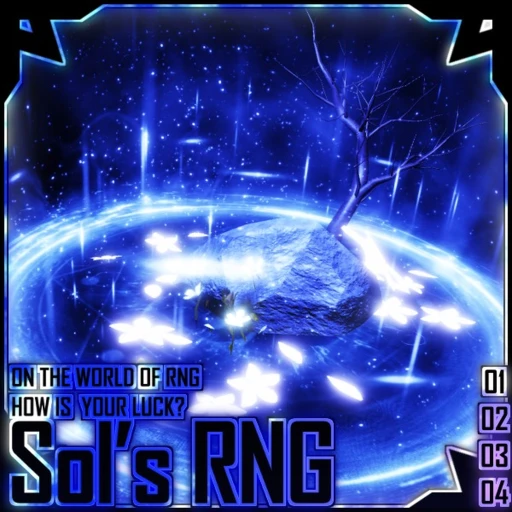
Sol's RNG vs Bubble Gum Simulator in 2026: The Complete Comparison
Two Roblox simulators. Two completely different approaches to keeping players hooked. Sol's RNG dominates the platform with its addictive gacha-style luck rolls, while Bubble Gum Simulator remains a beloved classic built around pet collection and idle progression. But which one actually deserves your time in 2026? We break down every angle so you can decide for yourself.
Whether you are a returning Roblox player looking for your next obsession or a newcomer trying to figure out which simulator community to join, this head-to-head comparison covers everything that matters: gameplay depth, progression systems, community activity, monetization fairness, and long-term staying power.
We have spent dozens of hours in both games, tracked their metrics over the past several months, and gathered feedback from active players in both communities. Here is the result of that research.
Quick Stats: Sol's RNG vs Bubble Gum Simulator at a Glance
| Metric | Sol's RNG | Bubble Gum Simulator |
|---|---|---|
| Developer | Sol's Studio | Rumble Studios |
| Release Year | 2023 | 2018 |
| Place ID | 15532962292 | 2512643572 |
| Concurrent Players | ~70,000 | ~5,000 |
| All-Time Visits | 1.8 Billion | 1.2 Billion |
| Genre | RNG / Gacha Simulator | Pet Simulator / Idle |
| Core Loop | Roll auras, upgrade luck | Blow bubbles, hatch pets |
| Trading System | Yes (auras, items) | Yes (pets, items) |
| Active Codes | Frequent | Periodic |
| Seasonal Events | Yes | Yes |
| Boss Mechanics | Yes (raids) | Limited |
| Free-to-Play Friendly | High | High |
The numbers paint a clear picture of momentum. Sol's RNG is the current powerhouse with 14 times the concurrent player count of Bubble Gum Simulator. Yet BGS has accumulated over a billion visits across its lifetime, proving that longevity counts for something in the Roblox ecosystem.
Gameplay Core: What You Actually Do in Each Game
Sol's RNG: The Thrill of the Roll
Sol's RNG strips the simulator formula down to its most addictive element: pure luck-based reward cycles. You roll for auras, each with different rarity tiers ranging from common drops to items so rare they have one-in-a-billion odds. The entire game is built around chasing that next pull, boosting your luck stats, and watching the rarity counter climb.
But it goes deeper than simple rolling. The game features biomes that change on timers, each offering different aura pools and bonuses. Potions let you temporarily boost luck or unlock special mechanics. Boss raids give groups of players cooperative objectives with exclusive rewards. There are crafting systems, challenges, and seasonal content that keep the loop from growing stale.
The psychological hook is powerful. Every roll could be the one that nets you a one-in-a-million aura. That anticipation is what keeps 70,000 players logged in at any given moment.
Bubble Gum Simulator: The Collector's Paradise
Bubble Gum Simulator takes a more traditional approach. You blow bubbles to earn currency, spend that currency to hatch eggs, and collect pets of increasing rarity and power. Those pets then help you blow bigger bubbles, which earns more currency, which opens new worlds with better eggs. The progression spiral is satisfying in a predictable, steady way.
Where BGS shines is its sheer volume of content accumulated over nearly eight years. There are dozens of worlds to unlock, hundreds of unique pets to collect, and a trading economy that dedicated players have built entire communities around. The game rewards patience and collection completionism rather than pure luck.
The idle nature of BGS means you can progress while semi-AFK, making it a solid background game for players who multitask or prefer a more relaxed pace.
Progression Systems: How You Get Stronger in 2026
Sol's RNG Progression
Progression in Sol's RNG revolves around improving your luck multiplier and unlocking access to rarer aura pools. Here is how the system layers together:
Luck Upgrades: Through gameplay, crafting, and events, you incrementally increase your base luck stat. Higher luck means better odds on every roll, though the rarest auras remain genuinely difficult to obtain regardless of your multiplier.
Biome Mastery: Different biomes appear on rotation, each with unique aura pools. Learning when specific biomes activate and optimizing your rolls during those windows adds a layer of strategy that pure RNG games typically lack.
Potion Crafting: Potions provide temporary but significant luck boosts. Managing your potion resources and timing their use with favorable biomes creates a satisfying decision-making loop.
Boss Raids: Cooperative boss encounters reward exclusive items and substantial luck bonuses. These provide social engagement and goal-oriented content that breaks up the rolling routine.
Bubble Gum Simulator Progression
BGS progression follows a more linear path that rewards time investment and strategic pet management:
World Unlocking: Each new world requires a currency threshold to access, giving you clear long-term goals. Later worlds offer dramatically better pets and rewards, creating a sense of growing power.
Pet Evolution: Pets can be upgraded through fusion and evolution systems. Combining duplicates creates stronger variants, adding a resource management dimension to the collection gameplay.
Egg Hatching: Higher-tier eggs have better pet pools but cost more currency. Deciding when to save for premium eggs versus hatching many cheaper ones is an ongoing strategic choice.
Seasonal Content: Limited-time events introduce exclusive pets that become valuable trading commodities after the event ends. Dedicated players who participate in every event build collections worth significant in-game wealth.
Community and Player Activity in 2026
Community health matters enormously for any online game, and this is where the gap between these two titles becomes most apparent.
Sol's RNG Community
Sol's RNG has one of the most active communities on Roblox right now. With 70K concurrent players at peak hours, finding populated servers is never an issue. The game's Discord server has hundreds of thousands of members, with constant activity in trading channels, strategy discussions, and event coordination.
Content creators on YouTube and TikTok regularly cover Sol's RNG, with "rarest aura pull" videos generating millions of views. This external content pipeline continuously drives new players into the game, creating a virtuous growth cycle that shows no signs of slowing down.
The developer maintains an aggressive update schedule, with new features, biomes, and auras dropping almost weekly. Community feedback is actively incorporated, and milestone celebrations often come with free codes and events.
Bubble Gum Simulator Community
BGS has a smaller but deeply committed community. The 5K concurrent players represent dedicated fans who have stuck with the game through years of updates. Trading communities are well-established with clear value hierarchies and trusted middlemen for high-value exchanges.
While new content creation around BGS has slowed compared to its 2019-2020 peak, the existing community resources are extensive. Guides, tier lists, and trading value databases are mature and well-maintained. New players benefit from years of accumulated community knowledge.
Rumble Studios still releases updates, though at a slower pace than during the game's peak popularity. The studio's attention is split across multiple projects, which means BGS updates tend to be periodic rather than constant.
Trading Economy: Where Your Inventory Has Real Value
Both games feature player-to-player trading, but the economies function quite differently.
Sol's RNG Trading
Trading in Sol's RNG centers on rare auras and exclusive items. Because drop rates for the rarest auras are astronomically low, obtaining certain items through trading is more realistic than rolling for them yourself. The economy is volatile — a single developer update that changes drop rates or introduces new auras can shift values overnight.
This volatility creates opportunities for savvy traders but also risk for players who invest heavily in specific items. The market moves fast, and staying informed requires active participation in community channels.
Bubble Gum Simulator Trading
BGS trading is more mature and stable. Eight years of content has created a deep market with hundreds of tradeable pets across multiple rarity tiers. Value lists are well-established, and experienced traders understand the market dynamics intimately.
Seasonal pets tend to appreciate over time as supply becomes fixed after events end, creating a collectibles market that rewards long-term holding. The trading meta in BGS resembles a miniature collectibles economy more than a volatile speculative market.
For players who enjoy the trading and negotiation aspect of simulator games as much as the gameplay itself, BGS offers a richer trading experience with more items, more established values, and more stability.
Monetization and Free-to-Play Fairness
Both games are free to play and both offer optional Robux purchases. Here is how they compare on fairness:
Sol's RNG
Sol's RNG sells gamepasses that provide luck boosts, auto-roll features, and cosmetic upgrades. While these purchases accelerate progression, the game's core luck mechanics mean that even paying players cannot guarantee rare drops. A free player with good RNG can outperform a paying player with bad luck, which keeps the playing field relatively level.
The game also provides consistent free value through codes, events, and milestone rewards. Players who engage daily without spending Robux still experience the full range of content and have realistic shots at rare auras over time.
Bubble Gum Simulator
BGS monetization follows similar patterns with gamepasses for hatching speed, bubble power, and storage capacity. The game has accumulated more gamepass options over the years, but none are strictly required for progression. Patient free players can achieve everything that paying players can — it simply takes longer.
Both games handle monetization responsibly by Roblox standards. Neither locks essential content behind paywalls, and both provide meaningful free rewards through their respective codes systems. Check our Sol's RNG codes page and Bubble Gum Simulator codes page for current active codes in each game.
Content Updates and Longevity
When evaluating which game to invest your time in, update frequency and developer commitment matter significantly.
Sol's RNG Update Cadence
Sol's Studio treats their game like a live service, with an update pace that few Roblox games can match. New auras, biomes, bosses, and seasonal events appear regularly. The development team clearly understands that an RNG game needs constant fresh content to prevent the roll loop from feeling stale.
This aggressive schedule has sustained the game's growth through 2024, 2025, and into 2026. There is no indication of slowdown — if anything, updates have become more ambitious as the team grows and revenue increases. For players wondering whether Sol's RNG will still be relevant in six months, all signs point to yes.
Bubble Gum Simulator Update Cadence
BGS receives updates less frequently in 2026 than it did during its peak years. Rumble Studios continues to support the game with seasonal events and occasional new worlds, but the pace has naturally slowed for a title approaching its eighth anniversary.
This is not necessarily a negative. The game has accumulated so much content that new players face months of progression before reaching the current endgame. The existing content library is deep enough to sustain engagement without constant additions. However, endgame players may find fewer reasons to log in between major updates.
Who Should Play What? Our Recommendation Guide
Rather than declaring one game universally better, here is our honest breakdown of which game suits which type of player:
Choose Sol's RNG if you:
Love high-intensity reward loops. The gacha-style rolling creates constant excitement and anticipation. Every session has the potential for a life-changing pull that transforms your account's value overnight.
Want an active, growing community. With 70K concurrent players, content creators covering every update, and an engaged Discord, you will never feel alone in Sol's RNG. Finding groups for raids, trading partners, and community events is effortless.
Prefer cooperative content. Boss raids give you a reason to team up with other players and tackle challenges together. If social gameplay matters to you, Sol's RNG provides more structured group activities.
Enjoy fast-paced updates. New content drops regularly, and the development team actively responds to community feedback. The game feels alive in a way that few Roblox experiences match.
Choose Bubble Gum Simulator if you:
Prefer relaxed, idle progression. BGS lets you progress at a comfortable pace without demanding constant attention. It works perfectly as a background game or a way to unwind after more intense gaming sessions.
Love collecting and completing sets. With hundreds of pets across dozens of worlds, BGS scratches that completionist itch better than almost any game on the platform. If you enjoy filling out a collection over time, this is your game.
Want a mature trading economy. Eight years of established values, trusted community resources, and a deep market of tradeable items make BGS the better choice for players who enjoy the economics of trading.
Value predictable progression. You always know what you are working toward in BGS. The next world, the next pet evolution, the next milestone — progression is clear and consistent rather than luck-dependent.
Play both if you:
Honestly, there is nothing stopping you from enjoying both games for different moods. Sol's RNG for when you want excitement and engagement, BGS for when you want to relax and chip away at a collection. Many Roblox players maintain multiple active games without conflict.
Our Final Verdict
Sol's RNG is the better game for most players in 2026. Its active community, frequent updates, engaging mechanics, and cooperative content create a more compelling overall package. However, Bubble Gum Simulator remains an excellent choice for players who prefer relaxed collection gameplay, established trading economies, and predictable progression. Neither game is objectively bad — they serve different player preferences within the simulator genre. If you can only pick one, Sol's RNG offers more value per hour of play in the current Roblox landscape. But if its high-intensity luck mechanics feel stressful rather than exciting, BGS provides a genuinely relaxing alternative with years of content to explore.
Tips for Getting Started in Either Game
Sol's RNG Starter Tips
Redeem all active codes immediately. Fresh accounts benefit enormously from the luck potions and boosts that codes provide. Check our Sol's RNG codes guide before your first session.
Learn biome rotations early. Understanding which biomes offer which aura pools helps you make informed decisions about when to roll and when to wait. The community Discord posts biome schedules that you should bookmark.
Join raid groups. Boss raids provide some of the best rewards in the game but require coordination. Finding an active clan or group early accelerates your progression significantly.
Do not trade away early rare pulls. New players sometimes undervalue their lucky early drops. Before trading anything, check current community value lists to ensure you are getting fair deals.
Bubble Gum Simulator Starter Tips
Focus on world progression over pet rarity early on. Unlocking new worlds gives you access to better eggs, which naturally improves your pet collection over time. Rushing specific rare pets early is less efficient than steady world progression.
Fuse duplicate pets rather than selling them. The evolution system rewards combining duplicates into stronger variants. Keeping extras for fusion is almost always more valuable than selling for currency.
Participate in every seasonal event. Limited-time pets appreciate in trading value after events end. Even casual participation in seasonal content builds long-term trading wealth.
Use codes for head starts. Our Bubble Gum Simulator codes page lists all current active codes. Redeem them for free pets, boosts, and currency to accelerate early progression.
How to Earn Free Robux for Either Game
Both Sol's RNG and Bubble Gum Simulator offer optional gamepasses and items that enhance the experience. If you want to purchase these without spending real money, Earnaldo provides legitimate ways to earn free Robux through simple tasks and offers.
Whether you want to grab a luck boost in Sol's RNG or a hatch speed gamepass in BGS, earning Robux through Earnaldo means you can enhance your gameplay without reaching for your wallet. Check out our detailed guides for each game:
Read our Sol's RNG Free Robux Guide for specific tips on what to spend earned Robux on in Sol's RNG, or our Bubble Gum Simulator Free Robux Guide for BGS-specific purchasing advice.
If you enjoy pet simulators more broadly, our Pet Simulator 99 Free Robux Guide covers another major title in the genre.
Earn Free Robux for Sol's RNG or Bubble Gum Simulator
Get gamepasses, boosts, and exclusive items without spending real money. Earnaldo lets you earn Robux through simple tasks you can complete in minutes.
Frequently Asked Questions
Sol's RNG is significantly more popular in terms of active players, consistently hitting 70K concurrent players compared to Bubble Gum Simulator's approximately 5K. However, BGS has accumulated 1.2 billion lifetime visits since 2018, showing its long-term staying power. In terms of current momentum and community activity, Sol's RNG dominates.
Bubble Gum Simulator has a more established trading economy with pets that have clear value tiers and years of market history. Sol's RNG trading revolves around rare auras and potions, which can be more volatile in value due to frequent updates. If you enjoy active, stable trading with well-known values, BGS is the better choice. If you prefer high-risk, high-reward trading with rapid market shifts, Sol's RNG offers that excitement.
Yes, both games are completely free to play on Roblox. They both offer optional Robux purchases for gamepasses and boosts, but all core content is accessible without spending anything. Both games also regularly release free codes for in-game rewards that help free players progress efficiently.
Sol's RNG releases codes more frequently due to its active development cycle and regular milestone celebrations. Both games offer meaningful rewards through codes, but Sol's RNG codes tend to provide luck potions and aura boosts that have a bigger immediate impact on gameplay. BGS codes typically offer currency and pets, which are helpful but less game-changing.
No, Bubble Gum Simulator is not dead. While its player count has dropped from its peak years, it still maintains around 5K concurrent players and receives periodic updates from Rumble Studios. The community remains active, especially among pet collectors and traders. The game has enough accumulated content to keep new players engaged for months regardless of update frequency.
Bubble Gum Simulator is generally more beginner-friendly with its straightforward blow-bubbles-to-progress loop and clear world-based progression. Sol's RNG can be confusing for new players due to its luck mechanics, biome system, and aura rarity tiers. However, Sol's RNG does reward players quickly with early rolls, and its larger community means more help is available when you have questions.
Final Thoughts
The comparison between Sol's RNG and Bubble Gum Simulator ultimately comes down to what you want from a Roblox simulator in 2026. Sol's RNG represents the current evolution of the genre — fast, engaging, community-driven, and built around the psychological pull of luck-based rewards. Bubble Gum Simulator represents the established foundation — deep, relaxing, collection-focused, and supported by years of accumulated content and community infrastructure.
Both games respect your time as a free player. Both offer legitimate depth beneath their simple surfaces. And both have communities worth joining if their respective gameplay loops appeal to you.
If we had to recommend one game for a player who has never tried either, we would point them toward Sol's RNG for its unmatched energy and active development. But we would also tell them to keep Bubble Gum Simulator bookmarked for the days when they want something calmer and more methodical.
Whatever you choose, make sure to grab your free codes from our guides and consider earning some free Robux through Earnaldo to enhance your experience without spending real money. Good luck with your rolls — or your bubbles.