Sol's RNG vs Grow a Garden (2026) — Which Roblox Game Is Better?
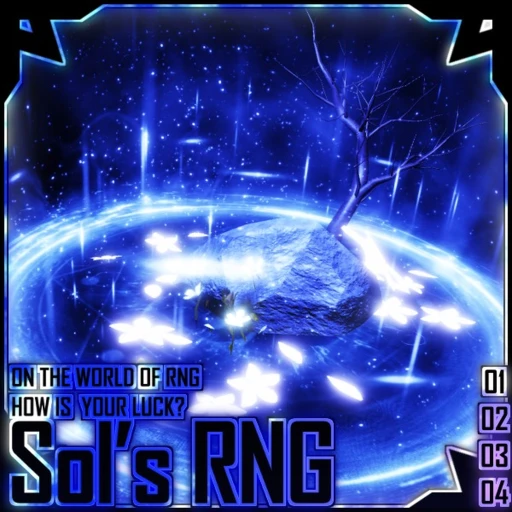
Two of the biggest games on Roblox right now share a common ingredient — random number generation — but use it in fundamentally different ways. Sol's RNG is the original luck-based collecting experience where you roll for over 400 unique auras, craft gear, and trade your way to a legendary collection. Grow a Garden is the farming and breeding phenomenon that hit 8 million concurrent users and nearly brought the entire Roblox platform to its knees. One is pure RNG distilled into its most addictive form. The other wraps RNG inside a gardening loop that demands your attention and rewards your patience with rare plant breeds that other players will trade aggressively to obtain.
The community debate between these two games has been heating up throughout 2026. YouTube videos comparing them rack up hundreds of thousands of views. Some Sol's RNG veterans dismiss Grow a Garden as overhyped. Some Grow a Garden fans argue that their game adds meaningful gameplay on top of the RNG that Sol's lacks. Both sides have valid points, and this comparison breaks down every angle — gameplay, progression, trading, player count, monetization, mobile experience, and community — so you can decide which one deserves your time. Or, as with most great Roblox games, whether the answer is simply both.
Sol's RNG vs Grow a Garden — Quick Stats (2026)
| Category | Sol's RNG | Grow a Garden |
|---|---|---|
| Genre | RNG / luck-based collecting | Farming / gardening / RNG hybrid |
| Place ID | 15532962292 | 126884695634066 |
| Core Loop | Roll, collect, craft, trade | Plant, grow, breed, trade |
| RNG Role | Primary mechanic | Secondary mechanic (breeding) |
| Peak Concurrent | 62K+ | 8M (record-breaking) |
| AFK-Friendly | Yes (auto-roll) | Limited (needs active input) |
| Trading | Aura-based economy | Plant and seed economy |
| Collectibles | 400+ auras | Hundreds of plant varieties |
| Mobile-Friendly | Yes | Yes |
| Free-to-Play | Yes | Yes |
Gameplay — What Do You Actually Do?
Sol's RNG
Sol's RNG strips luck down to its purest form. You press a button, the game generates a random result, and you either receive a common aura you have seen hundreds of times or something so scarce that the entire server gets a notification. The simplicity is exactly what makes it work. No complicated tutorials or multi-step systems to learn before you start playing — you press a button and see what happens.
The depth builds outward from that single mechanic. Over 400 unique auras span rarity tiers ranging from common drops to mythical-tier pulls with odds measured in the millions. Crafting lets you combine lower-tier auras into higher-tier results, turning duplicate drops into useful materials. The biome system changes the available aura pool depending on your location, and potions provide temporary boosts that improve odds or increase roll speed. These systems give knowledgeable players meaningful advantages without undermining the core luck-based loop.
Trading transforms Sol's RNG from a rolling game into an economy simulator. Rare auras have established values maintained through tier lists and Discord servers. Smart traders build incredible collections without relying solely on lucky rolls — studying the market, identifying undervalued auras, and flipping items for profit. Some of the most respected players in the community are not the luckiest rollers but the sharpest traders.
Grow a Garden
Grow a Garden wraps RNG inside a farming simulation that demands more than pressing a single button. You start with a small plot, a handful of basic seeds, and the knowledge that somewhere in the breeding system, plant varieties exist so rare that other players will offer their entire inventory to get one.
The planting cycle forms the foundation — select seeds, plant them, water them, wait for maturity. Different plants have different growth times and care requirements. But the breeding system is what turned Grow a Garden from a popular game into a record-breaking phenomenon. Breeding lets you combine two mature plants to produce offspring with new traits. The results are partially random, but certain combinations have higher odds of producing desirable results. Knowledgeable players who understand the breeding tree hold a significant advantage over those who combine plants randomly. You are making informed decisions about which plants to cross, managing limited garden space, and tracking which combinations you have tried.
The trading economy mirrors Sol's RNG but with its own character. Rare plants and seeds function as currency, with values that fluctuate as new breeds are discovered. The market is younger and more volatile, which creates both risk and opportunity for traders who stay informed.
The Core Difference — Pure RNG vs Active RNG
The fundamental split comes down to what surrounds the random number generation. In Sol's RNG, the RNG is the game. You roll, see the result, and roll again. The systems around it — crafting, biomes, potions — enhance the experience but do not replace the core loop. Every session revolves around pressing that roll button.
In Grow a Garden, the RNG is embedded inside a larger gameplay loop requiring active participation. You cannot AFK your way to a rare plant breed. You need to grow parent plants, manage limited garden space, and initiate breeding attempts at the right time. The randomness is still there, but you have more agency over the conditions surrounding it. Choosing which plants to cross, optimizing garden layout, and knowing when to sell common plants to free up breeding space are all decisions that influence your outcomes beyond pure luck.
Edge: This depends entirely on what you want from an RNG game. Sol's RNG wins for players who want pure, distilled luck with minimal effort. Grow a Garden wins for players who want gameplay decisions to matter alongside the randomness.
Progression and Economy
Sol's RNG Progression
Progression in Sol's RNG is measured through your aura collection. Every new aura — obtained through rolling, crafting, or trading — adds to your catalog and reputation. Rare auras serve as status symbols that tell other players you have been either incredibly lucky or incredibly smart with trades. The crafting system provides a secondary path that rewards consistent play even during dry streaks, turning common duplicates into ingredients for higher-tier results. This creates a floor for your progress where even bad sessions contribute toward something meaningful.
The trading economy operates as a third progression axis almost independent from rolling. Understanding aura values, recognizing market trends, and identifying underpriced items are skills that develop over time and have nothing to do with luck. The most complete collections typically belong to players who mastered trading alongside rolling.
Grow a Garden Progression
Grow a Garden follows a more traditional arc. You start with basic seeds and a small plot, gradually expanding your garden, unlocking new seed types, and discovering rare breeds through targeted crossing. The early game teaches mechanics through structured experimentation. The mid-game opens up as you pursue specific rare breeds. The late game becomes a hunt for specimens that require multi-generation breeding chains to produce.
This structured progression gives Grow a Garden a sense of direction that Sol's RNG sometimes lacks. You always know what you are working toward — the next rare breed, the next garden expansion, the next trade that completes a set. The garden itself is a visual representation of your progress, providing satisfaction even when the breeding RNG is not cooperating. Plant values can shift dramatically when a content creator showcases a particular breed or when an update introduces new breeding combinations, rewarding players who stay informed.
Edge: Grow a Garden for structured, visible progression. Sol's RNG for depth of economy and the satisfaction of building a collection through multiple paths.
Player Count and Community (July 2026)
Grow a Garden reached 8 million concurrent users at its peak — a figure so staggering it nearly overwhelmed the Roblox infrastructure itself. Most top-tier Roblox games consider 100,000 concurrent players a massive achievement. Grow a Garden hit eighty times that number, forcing Roblox engineers to scramble to keep servers running.
Sol's RNG maintains a strong and consistent 62,000+ concurrent players during peak hours. While that looks modest next to Grow a Garden's peak, it represents a dedicated and stable community that has been growing steadily rather than spiking and declining. Sol's RNG players tend to be long-term committed, returning daily for rolling sessions and maintaining active trading relationships.
Community culture differs in revealing ways. Sol's RNG has developed mature trading norms, respected content creators, and organized Discord servers with maintained value lists. Grow a Garden's community is younger, larger, and more chaotic — trading feels like the Wild West compared to Sol's RNG's structured marketplace, but the energy of shared discovery is infectious. Players are still figuring out breeding combinations and collectively mapping out the game's systems in real time.
Edge: Grow a Garden for sheer scale. Sol's RNG for community maturity and stability.
AFK and Session Length
Sol's RNG was designed from the ground up for players who cannot or do not want to stare at their screen constantly. Auto-roll features execute rolls automatically while you do something else. Luck boosts and speed potions optimize your output without requiring additional input. A productive session can be as short as five minutes — set up rolls, apply potions, check back later.
Grow a Garden requires more hands-on engagement. Plants need watering, garden beds need management, and breeding attempts need to be initiated manually. You cannot walk away for an hour and expect meaningful progress. The game rewards active attention — players who check in regularly and time their breeding attempts carefully will outperform those who try to play passively. Sessions tend to run longer because the farming cycle requires presence for planting, growing, and harvesting sequences.
Edge: Sol's RNG, and it is not close. If AFK or flexible play sessions matter to you, Sol's RNG is the clear winner.
Trading — Two Economies, Two Approaches
Sol's RNG has the more mature economy. Aura values have been established over months of community consensus, with trusted value lists providing reliable benchmarks. The market is relatively predictable for experienced traders, and the structured feel makes it rewarding for players who invest time in understanding pricing trends.
Grow a Garden's economy is newer, wilder, and more speculative. Plant values can swing dramatically based on new discoveries or content creator attention. A mid-tier breed might spike in value overnight when someone discovers it is a key ingredient in a rare breeding chain. This volatility rewards fast information gathering and quick decision-making rather than patient accumulation. Both games suffer from scam attempts, though Grow a Garden's newer player base means inexperienced traders are targeted more frequently.
Monetization and Game Passes
Sol's RNG sells game passes that accelerate rolling — luck boosts, speed potions, extra inventory slots, and auto-roll upgrades. Nothing guarantees specific outcomes. You are paying for more chances and better chances, not guaranteed results. Free players can obtain every aura through patience.
Grow a Garden follows a similar model adapted to farming. Game passes provide additional garden plots, faster growth timers, and improved breeding odds. Premium options accelerate progression but do not unlock plants unavailable to free players. Both games handle monetization fairly, though Sol's RNG's purchases feel slightly more impactful since the entire loop revolves around rolls that Robux directly accelerate.
Mobile Experience
Sol's RNG is arguably the best mobile game on Roblox. The entire experience works with simple taps — rolling, navigating menus, and trading all function identically on mobile and desktop. No precision requirements, no timing-sensitive inputs. Combined with AFK and auto-roll features, you can play while commuting, waiting in line, or doing anything that leaves one hand free.
Grow a Garden works well on mobile but with minor friction. Managing garden layout involves more precise tap targets that can feel cramped on smaller screens. The breeding interface requires navigating menus and selecting specific plants, which is manageable but less fluid than desktop. The overall experience is solid, but it does not match the effortless simplicity of Sol's RNG.
Edge: Sol's RNG for the smoothest mobile experience. Grow a Garden is perfectly playable but requires more screen interaction.
The "Overrated" Debate
A vocal segment of the Sol's RNG community considers Grow a Garden overrated — a trend game riding hype that will inevitably crash. The criticism is not entirely without merit. Grow a Garden's rise was partly driven by social media momentum. When a game hits 8 million concurrent users, many players are there because everyone else is, not because they evaluated the gameplay carefully. Some will leave, and the numbers will settle to a lower baseline.
However, dismissing Grow a Garden as pure hype ignores genuine depth in its breeding mechanics, garden management, and trading economy. The farming loop provides satisfying intermediate progress between RNG outcomes. The visual feedback of a thriving garden creates accomplishment that rolling in a static environment cannot replicate. Sol's RNG fans who dismiss it are often reacting to the implicit comparison rather than the game itself. The two games are not in direct competition for the same player base, and both deserve recognition for what they do well.
Earning Free Robux While You Play
Both games benefit from Robux spent on game passes, which makes earning free Robux through Earnaldo a practical way to enhance either experience without spending real money. Sol's RNG pairs naturally with Earnaldo because its AFK design lets you multitask — set up auto-rolls and complete Earnaldo tasks between checking results. See our Sol's RNG free Robux guide for detailed strategies.
Grow a Garden requires more attention, but natural downtime during growth cycles provides windows for Earnaldo tasks. Time your tasks around your garden's harvest schedule to stay present when plants mature. Check out our Grow a Garden free Robux guide for specific strategies, and grab the latest rewards from our Grow a Garden codes page.
Earn Free Robux for Sol's RNG or Grow a Garden
Complete simple tasks on Earnaldo and withdraw real Robux — no downloads, no generators, no scams.
Longevity and Replayability
Sol's RNG has proven its staying power, weathering the typical Roblox cycle where games spike and decline within weeks. The combination of an ever-expanding aura catalog, deep trading economy, and consistent updates creates a game that always has something new to chase. Obtaining every aura represents thousands of hours of play, making it functionally infinite for collectors.
Grow a Garden is newer, so its long-term staying power is less proven, but the breeding system provides deep content — possible combinations grow exponentially as new plant types are introduced. The farming loop provides daily engagement hooks that encourage consistent play habits rather than binge-and-abandon patterns. Both games face risks: Sol's RNG from the repetitive nature of its core loop, Grow a Garden from potential hype decay. Both development teams have shown awareness of these challenges through their update strategies.
Head-to-Head Verdict — Sol's RNG vs Grow a Garden in 2026
The Verdict
Choose Sol's RNG if you want the purest luck-based experience on Roblox. Sol's RNG is built for players who find satisfaction in the chase — the anticipation of each roll, the rush of a rare pull, the strategic depth of trading, and the long-term project of building a collection that reflects hundreds of hours of persistence. It is the superior choice for AFK play, mobile gaming, multitasking with Robux-earning platforms, and any situation where you want a game that respects your time by not demanding constant attention. If you love the idea of a game where a single button press can change everything, Sol's RNG remains the best in class.
Choose Grow a Garden if you want RNG wrapped in meaningful gameplay. Grow a Garden is built for players who need more than luck alone — who want their decisions, knowledge, and effort to influence their outcomes alongside the randomness. It is the superior choice for players who enjoy farming simulations, visual progression, hands-on management, and the thrill of discovering new breeding combinations that the community has not yet mapped. If you want a game that makes you feel like you earned your rarest finds through skill and strategy, not just patience, Grow a Garden delivers that experience.
Overall: These games are not competitors — they are complements. Sol's RNG is the game you play when you want to relax, roll, and let luck take the wheel. Grow a Garden is the game you play when you want to engage, build, and shape your own outcomes. Playing both gives you the full spectrum of what RNG-based Roblox gaming has to offer in 2026. Sol's RNG for your passive sessions, Grow a Garden for your active ones. That combination covers every mood and every schedule.
Who Should Play What?
- You love pure RNG and collecting: Sol's RNG. Over 400 auras, a deep crafting system, and the cleanest luck-based loop on Roblox.
- You prefer farming and management: Grow a Garden. The planting, growing, and breeding cycle adds layers of active gameplay around the RNG core.
- You want to trade seriously: Both are excellent. Sol's RNG has the more mature market. Grow a Garden has the more volatile and opportunity-rich market.
- You play mostly on mobile: Sol's RNG. Its one-button gameplay and AFK features make it the ultimate mobile Roblox experience.
- You want visible progress: Grow a Garden. Watching your garden expand and fill with rare plants provides tangible visual feedback.
- You need AFK or passive play: Sol's RNG. Auto-roll features and minimal input requirements let you play while doing anything else.
- You enjoy active, hands-on gameplay: Grow a Garden. Managing your garden, timing your breeds, and optimizing your layout keep you engaged throughout each session.
- You want to earn Robux on the side: Both pair with Earnaldo, but Sol's RNG makes multitasking effortless thanks to its passive design.
Frequently Asked Questions
Grow a Garden holds the edge in raw player count, having reached 8 million concurrent users at its peak — a number so high it nearly crashed the Roblox platform. Sol's RNG maintains a steady and dedicated player base with 62,000+ concurrent players during peak hours. Both are among the most-played games on Roblox, but Grow a Garden's explosive growth in early 2026 gave it a scale advantage that few games in Roblox history have matched.
Sol's RNG is one of the most AFK-friendly games on Roblox. Auto-roll features and luck boosts let you accumulate results without constant input. Grow a Garden requires more active play — you need to water plants, manage your garden layout, and participate in breeding at the right times. You can step away briefly, but leaving for extended periods means your garden is not progressing meaningfully.
Both games have active trading communities, but they work differently. Sol's RNG trading revolves around auras with established value tiers and a mature economy. Grow a Garden trading centers on rare plants and seeds, with values that can shift rapidly when new breeds are discovered. Both economies reward knowledge and negotiation skill. Sol's RNG has the more established market, while Grow a Garden's market is newer and more volatile, which creates more opportunities for sharp traders.
Some players — particularly fans of other RNG games — have called Grow a Garden overrated or overhyped. The criticism is understandable given its meteoric rise, but the game has genuine depth in its breeding mechanics, garden management, and trading economy. Whether it maintains its peak numbers long-term remains to be seen, but calling it overrated ignores the real gameplay systems that keep millions of players engaged daily.
Yes, both run on the Roblox mobile app for iOS and Android. Sol's RNG is near-perfect on mobile because it requires minimal input — just tapping to roll. Grow a Garden also works well on mobile, though managing garden layouts and navigating the breeding interface can feel slightly cramped on smaller screens. Both are solid mobile experiences overall.
Yes. Platforms like Earnaldo let you complete simple tasks to earn real Robux that you can spend in either game. Sol's RNG pairs especially well with Earnaldo because its AFK-friendly gameplay lets you multitask without losing progress. Grow a Garden requires more attention, but you can complete Earnaldo tasks during downtime between planting and harvesting cycles.