Sorcerer Ascent Free Robux Guide (2026) — Tips, Codes & Strategies

Sorcerer Ascent is a Jujutsu Kaisen-inspired adventure RPG on Roblox that's been climbing the charts fast. With over 12.5 million visits, an 87.5% approval rating, and a trending spot on the Roblox discover page, the game has carved out a dedicated player base in the anime RPG niche. Developed by oPassionX, it drops you into a world of cursed energy, sorcerer abilities, boss encounters, and PvP combat that draws heavily from the JJK universe without being a direct copy. If you've watched the anime and wanted to throw Domain Expansions on Roblox, this is the closest thing to it.
This guide covers everything from reaching Level 15 (the minimum for code redemption) to building an efficient cursed energy loadout, farming soul points, beating bosses, and competing in PvP. We also cover how players fund optional game passes by earning free Robux through Earnaldo, though the guide focuses primarily on gameplay strategies and progression. If you're into other Roblox games, check out our guides for Blox Fruits, Jujutsu Shenanigans, and Rivals.
Table of Contents
1. Sorcerer Ascent Overview — JJK Meets Roblox RPG
Sorcerer Ascent takes the core concepts of Jujutsu Kaisen — cursed energy, sorcerer techniques, cursed spirits, and domain battles — and translates them into a full RPG system on Roblox. You create a sorcerer, level up through combat and quests, unlock abilities tied to cursed energy, and progress through increasingly difficult zones filled with cursed spirits and boss-level threats. The game doesn't just reskin generic RPG mechanics with JJK names; it builds its combat system around the idea that every action costs cursed energy, and managing that resource is what separates average players from dominant ones.
The world is split into zones with escalating difficulty. Early areas feature weak cursed spirits that teach you the basics of combat timing and ability usage, while later zones introduce elite enemies with their own cursed techniques that require you to dodge, counter, and manage your energy pool carefully. Boss encounters are the highlight — multi-phase fights where pattern recognition and cursed energy conservation determine whether you survive or get sent back to the spawn point.
Here's a snapshot of where the game stands right now:
| Stat | Value |
|---|---|
| Total visits | 12.5 million+ |
| Player rating | 87.5% |
| Developer | oPassionX |
| Roblox Place ID | 16997056665 |
| Theme | Jujutsu Kaisen-inspired adventure RPG |
| Core currency | Soul Points |
| Combat resource | Cursed Energy |
| Code unlock level | Level 15+ |
PvP is woven into the game from the mid-levels onward. Once you've built up a respectable ability set, you can challenge other players in open-world encounters or designated PvP zones. The PvP meta revolves around cursed energy management and ability timing — two players with identical stats can have wildly different outcomes depending on who manages their energy pool better and who lands abilities during the opponent's recovery frames.
You can play Sorcerer Ascent here: Sorcerer Ascent on Roblox.
2. Getting Started — Reaching Level 15
Level 15 is the first real milestone in Sorcerer Ascent. It unlocks the code redemption system, gives you access to multiple ability slots, and opens up enough of the combat system that you can start making meaningful build decisions. Most players reach Level 15 in about 45 minutes to an hour of focused grinding, but going in without a plan can stretch that to 2+ hours.

Levels 1–5: Learn the Combat Rhythm
When you first spawn, you have basic melee attacks and no cursed energy abilities. The starting zone has weak cursed spirits with low health pools and slow attack animations. Use these enemies to learn the fundamental combat rhythm: attack, dodge, attack. Every enemy in Sorcerer Ascent telegraphs their attacks with visual cues — a red flash, a wind-up animation, or a ground indicator. Getting comfortable with these tells now saves you countless deaths later.
Don't rush past the starting area. Each enemy kill grants EXP and a small amount of soul points. By the time you hit Level 5, you should have enough soul points banked to make your first meaningful investment when abilities unlock. Avoid taking on groups of 3 or more enemies at this stage — your health pool is too small to survive sustained damage from multiple sources.
Levels 5–10: First Abilities and Soul Point Allocation
Level 5 unlocks your first cursed energy ability slot. Open the Abilities menu and browse the available techniques. For early leveling, prioritize an ability with area-of-effect damage. Single-target abilities are stronger per hit, but AoE techniques let you clear groups of cursed spirits faster, which means more EXP per minute.
Your cursed energy pool at this stage is limited — roughly enough for 4 to 6 ability uses before you need to wait for regeneration. Don't burn your entire pool on one group of enemies. Use 1-2 ability casts to soften a group, then finish them with melee attacks. This pacing ensures you always have cursed energy available if you run into a stronger enemy or need to dodge away from danger.
Invest your first soul points into cursed energy regeneration and base health. Faster regen means less downtime between fights, and extra health gives you a larger margin of error while you're still learning enemy patterns. Avoid putting points into damage at this stage — the early enemies are squishy enough that base melee damage handles them fine.
Levels 10–15: Push Through the Second Zone
Around Level 10, you'll transition into the second combat zone where enemies hit noticeably harder and have roughly twice the health of starting-area spirits. The EXP gains scale up proportionally, so don't be intimidated by the difficulty spike. You should have 2 ability slots available by now, which makes clearing groups much faster.
Focus on completing any available quests in this zone. Quest EXP rewards are significantly higher than raw enemy grinding at this level range, and they guide you through the zone's layout so you learn where enemy spawns are densest. The densest spawn clusters are where you'll return later for soul point farming, so mental-mapping these locations now pays off.
Pro tip: If you're struggling with the Level 10-15 push, group up with another player. Enemies give the same EXP regardless of group size, and having a second player halves the incoming damage. Look for players grinding the same area and send a party invite.
At Level 15, the Abilities menu expands and — most importantly — the code redemption box becomes accessible. This is the gray input box inside the Abilities menu where you type codes. Redeem every active code immediately (see Section 6 for the full list). The soul points from codes give you a massive injection of progression currency right when you need it most.
3. Abilities & Cursed Energy Guide
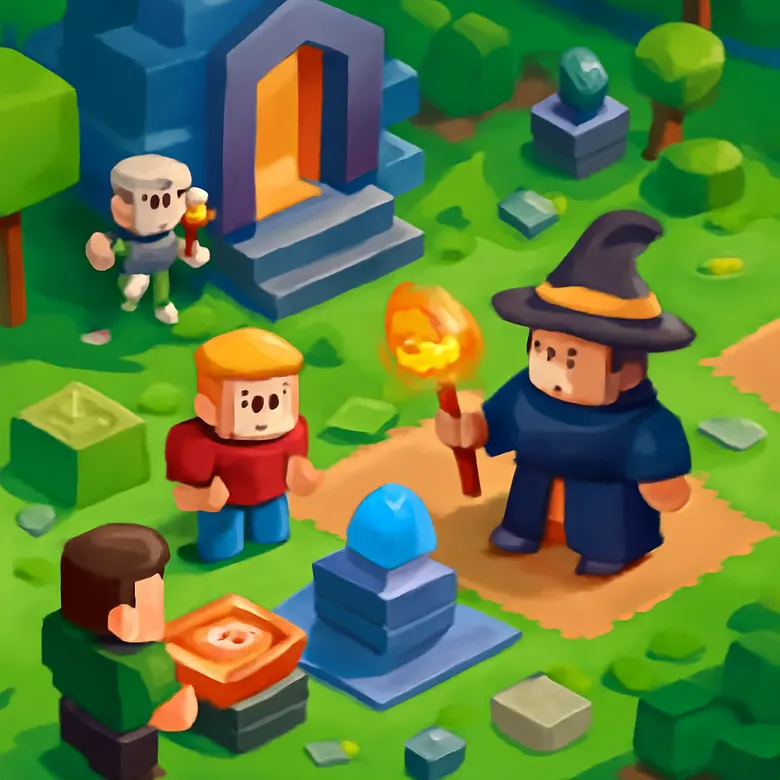
The ability system in Sorcerer Ascent is what sets it apart from other anime RPGs on Roblox. Rather than giving you a fixed class with predetermined skills, the game lets you build your ability loadout from a shared pool of cursed energy techniques. Every ability draws from the same cursed energy resource, which means your build isn't just about which abilities you pick — it's about how efficiently you use your energy pool across all of them.
How Cursed Energy Works
Your cursed energy pool has three stats that matter: maximum capacity, regeneration rate, and efficiency. Maximum capacity determines how many ability casts you can chain before running dry. Regeneration rate controls how fast your pool refills during and between fights. Efficiency reduces the energy cost of each ability cast by a percentage — at high efficiency levels, abilities cost 15-25% less energy, which translates to 1-2 extra casts per full pool.
Cursed energy regenerates passively at all times, but the rate increases when you're not actively casting abilities. This creates a natural combat rhythm: burst with abilities, switch to melee attacks while energy recharges, then burst again. Players who try to spam abilities non-stop run dry and become sitting ducks. The best players weave melee combos between ability casts to maintain constant pressure without ever fully depleting their pool.
Ability Categories
Abilities in Sorcerer Ascent fall into four general categories:
- Offensive techniques: Direct damage abilities that hit single targets or areas. These form the core of your damage output and typically cost 15-30% of your energy pool per cast.
- Mobility techniques: Dashes, teleports, and movement enhancements. Low energy cost (5-10% per use) and critical for both PvP positioning and dodging boss attacks.
- Defensive techniques: Barriers, damage reduction, and counter abilities. These shine in boss fights and PvP, where absorbing or deflecting a big hit can swing the outcome.
- Utility techniques: Buffs, debuffs, and cursed energy manipulation. These include abilities that slow enemies, increase your regeneration temporarily, or apply damage-over-time effects.
Recommended Ability Loadouts
For PvE grinding, run 2 offensive AoE abilities and 1 mobility technique. This lets you dash into enemy clusters, drop both AoE abilities, and move to the next group while your energy recharges. You'll clear zones 30-40% faster than players who rely on single-target builds.
For boss fights, swap one AoE ability for a defensive technique. Bosses have attacks that deal 40-60% of your health in a single hit, and a well-timed barrier or counter can negate that entirely. Keep your mobility technique — boss arenas often have AoE attacks that cover large portions of the floor, and a dash is the only way to escape them reliably.
For PvP, you want a balanced loadout: 1 offensive ability, 1 mobility technique, and 1 defensive or utility ability. PvP fights in Sorcerer Ascent are about energy management, not raw damage. The player who runs dry first usually loses. Having a defensive ability means your opponent has to spend more energy breaking through your guard, which gives your pool time to regenerate.
Cursed Energy Color Rerolls
Cursed energy color is a cosmetic property that changes the visual appearance of your abilities. Codes like RikaShutdown and others (see Section 6) grant free color rerolls. While purely aesthetic, many players invest time into getting a specific color because it makes their character visually distinctive in PvP. Rerolls are random, so you may need multiple attempts to land your preferred color.
4. Soul Points & Progression System
Soul points are the universal progression currency in Sorcerer Ascent. You earn them from every source: enemy kills, quest completions, boss defeats, PvP victories, and code redemptions. How you spend them determines your character's strengths and weaknesses more than any other factor in the game.
Earning Soul Points
The earning rates vary by activity:
| Activity | Soul Points per Hour (approx.) | Notes |
|---|---|---|
| Low-level enemy grinding | 200-400 | Consistent but slow; good for early levels |
| Mid-level zone quests | 500-800 | Best balance of effort and reward |
| Boss defeats | 300-600 per kill | High burst income; cooldown between attempts |
| PvP victories | 150-350 per win | Depends on opponent level; inconsistent |
| Code redemption | 1,500 per code | One-time; redeem all 5 active codes for 7,500 total |
The most efficient soul point farming method for mid-level players is cycling through zone quests. Each quest takes 3-5 minutes to complete and rewards a fixed soul point bonus on top of the EXP and enemy-kill soul points you earn along the way. Players who ignore quests and just grind enemies miss out on roughly 35-40% of their potential soul point income.
Where to Spend Soul Points
The soul point investment tree has several branches. Here's the priority order for most builds:
- Cursed energy regeneration — The single most impactful stat. Faster regen means more ability casts per fight, less downtime between fights, and better sustain in long encounters. Max this first.
- Cursed energy capacity — Increases your total energy pool. This matters more as you unlock higher-cost abilities in the mid and late game. Second priority after regen.
- Health pool — A bigger health pool gives you more room for error and is essential for boss fights. You don't need to max this, but investing enough to survive 2-3 boss hits is important.
- Ability damage — Scales the damage of all your offensive abilities. Invest here after your energy stats and health feel comfortable.
- Melee damage — Useful for the melee filler between ability casts, but lower priority than everything else. Your abilities do most of the heavy lifting.
Note: Soul point allocation can be reset, but it costs a significant amount of in-game currency. Plan your build before investing. If you're unsure, a balanced distribution across cursed energy regen, capacity, and health is the safest starting point and remains competitive into late game.
Progression Milestones
Sorcerer Ascent structures its progression around level-gated content. Key milestones include:
- Level 5: First ability slot unlocks
- Level 15: Code redemption becomes available; second zone fully accessible
- Level 25: Third ability slot opens; first boss becomes available
- Level 40: Access to advanced zones with elite cursed spirits
- Level 60: PvP matchmaking tier upgrades; stronger opponents but better rewards
- Level 80+: Endgame zones and the toughest boss encounters
The level curve isn't linear. Levels 1-15 go quickly, 15-40 take moderate effort, and 40+ requires consistent grinding and efficient soul point management. Players who redeemed all active codes at Level 15 often notice a clear stat advantage over those who skipped codes, because 7,500 bonus soul points at that stage translates to roughly 3-5 levels worth of stat investment.

5. Game Passes & Robux Costs
Sorcerer Ascent is primarily a free-to-play experience. Unlike some Roblox anime games that gate powerful abilities or zones behind Robux purchases, the core content in Sorcerer Ascent — all abilities, all zones, all bosses, and PvP — is accessible without spending anything. The developer oPassionX has kept the monetization relatively light compared to other games in the genre.
That said, the game does offer some optional purchases. These typically fall into two categories: convenience items that speed up progression and cosmetic items that change your character's appearance. Neither category gives paying players a meaningful combat advantage in PvP, which is one reason the game maintains its high approval rating.
What's Available for Robux
The game's store includes cursed energy color options, cosmetic outfits inspired by JJK characters, and occasional limited-time items during events. Some players also invest Robux in additional soul point boosts or EXP multipliers during grinding sessions. The exact pricing varies and oPassionX updates the store periodically, so check the in-game shop for current offerings.
For players who choose to spend Robux, the EXP and soul point multipliers offer the best return on investment. A 2x soul point boost during a focused 2-hour grinding session effectively doubles your progression speed for that window, and the efficiency compounds when you're also completing quests and fighting bosses during the boosted period.
Playing Effectively Without Spending
You can reach endgame content in Sorcerer Ascent without spending a single Robux. The key is consistency and efficiency:
- Redeem all active codes — The 7,500 soul points from current codes is equivalent to roughly 10-15 hours of casual grinding.
- Always do quests — Raw enemy grinding is 35-40% less efficient than quest cycling for soul points.
- Group up for bosses — Boss kills reward the same soul points regardless of party size, and grouping makes kills faster and more reliable.
- Focus on cursed energy stats first — Higher regen and capacity means faster clears, which compounds over every session.
The free-to-play path is viable and well-balanced. Most of the top PvP players in the community didn't spend Robux — they just optimized their grinding routes and soul point allocation better than everyone else.
6. Active Codes (July 2026)
There are currently 5 working codes for Sorcerer Ascent as of April 5, 2026. These codes grant soul points and cursed energy color rerolls — both valuable for progression and customization. Codes are case-sensitive and must be entered exactly as shown.
| Code | Reward | Status |
|---|---|---|
| RikaShutdown | 1,500 Soul Points | Active |
| RikaMaintenanceDelay | 1,500 Soul Points | Active |
| RikaUpdate | 1,500 Soul Points | Active |
| BindingVows | Cursed Energy Color Reroll | Active |
| ThanksForTheSupport! | Cursed Energy Color Reroll | Active |
The three "Rika" codes each give 1,500 soul points — that's 4,500 soul points from codes alone, which represents a substantial stat injection at Level 15. The two reroll codes let you change your cursed energy color for free, which normally costs in-game currency. If you don't care about cosmetics, redeem them anyway; the reroll happens automatically and you might land a color you like.
Important: You must be Level 15 or higher to redeem codes in Sorcerer Ascent. The code input box is located inside the Abilities menu — look for the gray box at the bottom of the menu panel. Type the code exactly as shown (including the exclamation mark in "ThanksForTheSupport!") and press Enter.
How to Redeem Codes
- Open Sorcerer Ascent on Roblox and make sure your character is at least Level 15.
- Open the Abilities menu from your HUD.
- Locate the gray input box at the bottom of the Abilities panel.
- Type or paste the code exactly as shown — codes are case-sensitive.
- Press Enter to redeem.
- Check for a confirmation message on screen. Soul points should appear in your currency counter immediately.
New codes are typically released through the oPassionX community channels when the game receives updates, undergoes maintenance, or hits milestone visit counts. The "Rika" naming pattern on recent codes suggests they're tied to server-side events and maintenance windows. Follow the developer's social channels and the game's Roblox page to catch new codes when they drop.
7. PvP & Boss Fights
Combat in Sorcerer Ascent reaches its peak in two areas: PvP encounters against other players and boss fights against high-level cursed spirits. Both test your ability management, cursed energy conservation, and pattern recognition in ways that regular enemy grinding does not.
Boss Fight Fundamentals
Every boss in Sorcerer Ascent follows a pattern-based design. The boss telegraphs each attack with a visual cue — a color change, a charge-up animation, or a ground indicator — and then executes. Your job is to recognize the tell, dodge the attack, and counter during the recovery window. The recovery window is when the boss is most vulnerable and takes increased damage from abilities.
Here's a general approach that works for all bosses:
- Enter with full cursed energy. Never start a boss fight with a partially depleted pool. Spend 20-30 seconds regenerating before engaging.
- Use your first 20 seconds to observe. Don't attack immediately. Watch the boss cycle through 2-3 attack patterns to identify the telegraphs and recovery windows.
- Attack during recovery frames only. Bosses take 15-25% more damage during their post-attack recovery window. Hitting during wind-up or active attack phases does reduced damage and puts you in danger.
- Conserve energy for phase transitions. Most bosses have 2-3 phases. When a boss transitions (usually at 50% and 25% health), they become temporarily invulnerable and often launch an unavoidable area attack. Save enough energy for a defensive ability or a mobility dash to survive the transition.
- Group up if struggling. Boss health doesn't scale with party size in most encounters, so bringing 2-3 players makes the fight significantly faster and safer.

PvP Strategy and Meta
PvP in Sorcerer Ascent is fundamentally different from PvE. Against enemies, you can afford to be aggressive because their behavior is predictable. Against other players, aggression without a plan burns your energy pool and leaves you exposed.
The current PvP meta revolves around bait-and-punish gameplay. Most top players open with a mobility ability to close distance, throw one offensive ability to force a reaction, and then wait. If the opponent panics and burns their defensive ability early, you follow up with your heavy damage ability while they're on cooldown. If they play patient and dodge, you reset to neutral and let your energy regenerate.
Key PvP principles:
- Never use more than 50% of your energy in one burst. Running dry in PvP is a death sentence. Keep a reserve for defensive abilities and escape dashes at all times.
- Track your opponent's energy usage. If they just burned 3 abilities in quick succession, they're probably low on energy. That's your window to pressure them while they can't fight back.
- Melee is stronger than most players think. Melee attacks don't cost cursed energy and deal respectable damage. Players who weave melee combos between ability casts maintain constant pressure without burning resources.
- Positioning matters more than raw stats. Fighting near obstacles or edges gives you options for breaking line of sight and forcing your opponent into unfavorable angles. Don't fight in open areas if you can help it.
- Respect players with defensive abilities. A well-timed barrier or counter can reflect your damage back at you. Don't throw your highest-cost ability at someone who hasn't used their defensive cooldown yet.
PvP Rewards
PvP victories award soul points based on your opponent's level. Defeating a player near your level typically grants 150-250 soul points, while beating a higher-level player can yield up to 350. Losing doesn't cost you soul points, so there's no penalty for practicing PvP against stronger opponents. The soul point income from PvP is less consistent than quest grinding, but it's a welcome bonus for players who enjoy the competitive side of the game.
8. Earning Free Robux for Sorcerer Ascent
While Sorcerer Ascent is genuinely playable without spending Robux, some players want to pick up cosmetic items, EXP boosts, or soul point multipliers from the in-game store. The question is how to fund those purchases without reaching for a credit card.
One option that Roblox players are increasingly using is completing tasks on reward platforms to earn free Robux. Earnaldo is built specifically for Roblox players — you complete offers, surveys, and tasks, earn points, and withdraw them as Robux directly to your account. It's straightforward and doesn't require any personal financial information beyond your Roblox username for withdrawals.
The process works like this: sign up on Earnaldo, browse available tasks (these rotate regularly), complete them, accumulate points, and withdraw as Robux when you've hit the minimum threshold. Most players earn enough for a small in-game purchase within their first session. The points-to-Robux conversion is transparent, so you know exactly what each task is worth before you start.
For Sorcerer Ascent specifically, even a modest Robux balance goes a long way because the game's paid items are priced reasonably. A single earning session on Earnaldo can cover a cosmetic purchase or an EXP boost that lasts through multiple play sessions. If you're already grinding Sorcerer Ascent for hours, spending 15-20 minutes earning Robux on the side is a practical way to enhance your experience without spending real money.
Want Free Robux for Sorcerer Ascent?
Earn Robux by completing simple tasks on Earnaldo — then spend them on cosmetics, boosts, or any in-game item you want.
9. Frequently Asked Questions About Sorcerer Ascent
What is Sorcerer Ascent on Roblox?
Sorcerer Ascent is a Jujutsu Kaisen-inspired adventure RPG developed by oPassionX. Players build a sorcerer character, unlock cursed energy abilities, fight cursed spirits and bosses, collect soul points for progression, and compete in PvP. It has over 12.5 million visits and an 87.5% player rating as of July 2026.
What are the active Sorcerer Ascent codes in April 2026?
Active codes include RikaShutdown (1,500 Soul Points), RikaMaintenanceDelay (1,500 Soul Points), RikaUpdate (1,500 Soul Points), BindingVows (Cursed Energy Color Reroll), and ThanksForTheSupport! (Cursed Energy Color Reroll). All codes are case-sensitive and must be entered through the Abilities menu gray box.
Why do I need to be Level 15 to redeem codes?
The code redemption system in Sorcerer Ascent is built into the Abilities menu, which only becomes accessible at Level 15. The gray input box where you type codes doesn't appear until you've reached that threshold. This means new players need to grind through the first 15 levels before they can claim code rewards. It typically takes 45 minutes to an hour of focused play to hit Level 15.
How does cursed energy work in Sorcerer Ascent?
Cursed energy is the combat resource that fuels all your abilities. Every ability cast drains energy from your pool, and it regenerates over time — faster when you're not actively casting. The three key stats are maximum capacity, regeneration rate, and efficiency (which reduces cast costs). Managing your cursed energy pool is the central skill in both PvE and PvP. Players who run dry mid-fight are left with only melee attacks until their pool recovers.
Is Sorcerer Ascent free to play?
Yes. All abilities, zones, bosses, and PvP content are accessible without spending Robux. The game offers optional cosmetic purchases and convenience items like EXP boosts, but nothing is gated behind a paywall. The community consensus is that the free-to-play experience is complete and competitive — many top PvP players haven't spent Robux.
What are soul points used for?
Soul points are the primary progression currency. You earn them from enemy kills, quests, boss defeats, PvP wins, and code redemptions. They're spent on upgrading stats like cursed energy regeneration, health, ability damage, and melee damage through the soul point investment tree. Strategic allocation of soul points is what separates optimized builds from unfocused ones.
How do I beat bosses in Sorcerer Ascent?
Boss fights are pattern-based. Each boss telegraphs attacks with visual cues, and the key is dodging those attacks and countering during recovery windows. Enter with full cursed energy, observe the boss for the first 20 seconds to learn its patterns, and only attack during post-attack recovery frames. If you're struggling solo, group up — boss health typically doesn't scale with party size, so more players means faster and safer kills.
Sorcerer Ascent has built a strong foundation as one of the best JJK-inspired games on Roblox, and its trending status suggests the player base is still growing. With 12.5 million visits, a clean 87.5% rating, and a combat system built around meaningful cursed energy management rather than stat-check grinding, it rewards players who take the time to learn its mechanics. Use the ability builds, soul point priorities, codes, and combat strategies in this guide to progress faster and get the most out of every session — whether you're grinding cursed spirits, challenging bosses, or testing your skills against other sorcerers in PvP.