Stats last checked: May 22, 2026
Specter vs DOORS on Roblox (2026): Which Horror Game Is Worth Your Time?
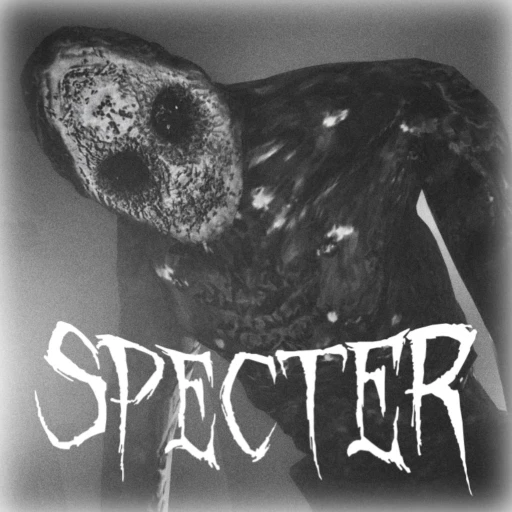
Roblox horror has two genuine heavyweights right now: Specter, the ghost-hunting investigation sim from Lithium Labs, and DOORS, the entity-dodging horror maze from LSPLASH. Both are free to play, both are genuinely scary, and both have active communities. But they are completely different experiences — and picking the wrong one for your playstyle will leave you frustrated or bored fast.
This breakdown covers every major category head to head, using current May 2026 stats, so you can stop second-guessing and start playing the right game.
Quick Stats Comparison
| Category | Specter | DOORS |
|---|---|---|
| Developer | Lithium Labs | LSPLASH |
| Place ID | 8267733039 | 6516141723 |
| Total Visits | 226M+ | 7.4B+ |
| Concurrent Players (July 2026) | ~800–900 | ~7,000–12,000 |
| Approval Rating | 95%+ | 95%+ |
| Game Type | Co-op ghost investigation | Horror roguelike / puzzle |
| Max Players Per Server | 50 (multiple investigation teams) | 4 per run |
| Average Session Length | ~7 minutes per investigation | 20–60 minutes per floor run |
| Solo Friendly | Difficult solo, best in groups | Yes — very playable solo |
| Content Areas | 20+ haunted locations | Hotel, Mines, Backdoor, Rooms/Archives |
| Major 2026 Additions | New ghost types, locations | Daily Runs, Rush Mode, Endless Mode, Archives |
| Free to Play | Yes | Yes |
Gameplay
Specter
Specter is Roblox's closest equivalent to Phasmophobia. You load into a haunted location — a hospital, a house, a school — and your job is to figure out which of the 14 ghost types is haunting the place by collecting three matching pieces of evidence. The toolkit covers EMF-5 readings, freezing temperatures, fingerprints, ghost orbs, spirit box responses, and ghost writing in books.
The tension comes from the hunt mechanic. At any point while you are inside, the ghost can decide it wants to kill you. Hunts last up to 50 seconds and force you to hide. The lower your sanity drops — from sitting in the dark, witnessing paranormal events — the more frequently hunts trigger. Managing sanity while still collecting evidence is the core loop: a constant push and pull between doing your job and protecting yourself.
Tools like crucifixes stop hunts before they start. Smudge sticks temporarily repel an active ghost. Every investigation plays like a small mystery, and correctly identifying the ghost type before leaving the location gives a genuine sense of satisfaction that holds up across hundreds of sessions.
DOORS
DOORS is a forward-momentum horror game. You start at Door 1 in The Hotel and need to reach Door 100. Between you and that goal are locked rooms, item searching, environmental puzzles, and a rotating cast of hostile entities. Rush charges through hallways and forces you into lockers. Ambush is Rush but keeps coming back. Seek sends you sprinting through a collapsing corridor. Each entity has learnable behavior — the game rewards players who study patterns and plan accordingly.
Beyond the Hotel, there is The Mines (Doors 101–200), The Backdoor (a secret 25-room section for experienced players), and as of July 2026, Rush Mode and Endless Mode — both now permanent in the Visions tab. Daily Runs launched in January 2026 and give you forced-modifier challenges that change every day. The Archives update — a full overhaul of the Rooms subfloor with new entities and assets — is expected mid-2026. Floor 3, set in a castle above a dam, is in active development for later this year.
Edge: Specter for mechanical depth and tension per session. DOORS wins on content breadth, ongoing updates, and sheer variety of available modes.
Progression & Difficulty
Specter
Specter uses XP-based leveling. You earn experience by completing investigations, identifying ghost types correctly, and surviving hunts. Higher levels unlock new locations and stronger starting load-outs. The game also tracks detailed stats — correct identifications, total deaths, investigations run — giving veterans a real record to look back on.
Difficulty scales by location choice. Easier maps have slower ghost behavior and more forgiving evidence windows. Harder maps push ghost activity to the limit and shrink your working window. New players should stick to beginner locations until they can reliably identify ghosts, because jumping into a hard map blind is a fast one-way trip to the death screen.
DOORS
DOORS progression is built around floor completion, achievements, and Knobs — the in-game currency you spend at the Lobby Shop before each run on flashlights, vitamins, lockpicks, and other items that affect survival odds. There is no traditional level system, but finishing runs, surviving specific entities, and discovering secrets all feed into a visible achievement tracker.
Difficulty is largely fixed per floor. The Hotel is the most approachable. The Mines are significantly punishing. The Backdoor is brutal by design. Daily Runs stack modifiers that make things stranger or harder on rotation. Revives cost 30 Robux per use on the death screen, or 120 Robux for a five-pack from the Lobby Shop.
Edge: DOORS for structured, visible progression that new players can follow without feeling lost from the start.
Graphics & Audio
Specter
Specter goes for atmosphere over spectacle. Locations are dark, cluttered, and filled with environmental details that make each map feel genuinely inhabited by something wrong. The lighting system is one of the game's strongest assets — you are always working by flashlight and equipment glow, which keeps spaces claustrophobic even on larger maps like the hospital or asylum.
The audio design is where Specter earns its horror credentials. Ghost sounds, door slams, distant footsteps, and the sudden blare of a spirit box response all land with real impact. The ambient soundscape shifts subtly depending on ghost activity, which means experienced players start picking up audio cues before the ghost even shows itself visually.
DOORS
DOORS has some of the most polished visuals on the entire Roblox platform. The Hotel lobby sets an immediate tone with detailed wallpaper, moody lighting, and a visual identity that holds across all 100 rooms. The Mines bring a completely different look — industrial, damp, and claustrophobic in ways the Hotel is not. Entity designs are iconic: Figure, Rush, and Seek have silhouettes that players recognize immediately, which has driven enormous fan art and community output.
The DOORS soundtrack is exceptional for a free Roblox game. The score adapts in real time — quiet and tense during exploration, then escalating sharply when entities appear. Visual and audio production in DOORS is operating at a level very few Roblox games have reached.
Edge: DOORS on overall production quality. Specter's audio design is underrated, but DOORS is in a different class visually.
Player Count & Community
The numbers are not close. As of May 2026, DOORS averages 7,000 to 12,000 concurrent players and has logged over 7.4 billion total visits, ranking consistently in the Roblox top 50. It won Best Horror at the Roblox Innovation Awards 2024 and has over 7.8 million favorites. The community is enormous — active subreddits, dedicated YouTube channels, Discord servers, and a detailed Fandom wiki covering every entity, item, floor, and secret.
Specter runs at roughly 800 to 900 concurrent players with 226 million total visits and a 95%+ approval rating. That looks small next to DOORS, but the Specter community is engaged and welcoming. Players share ghost identification breakdowns, location tier lists, and investigation strategies regularly. Finding a group is easy — the lobby pools players across investigation teams efficiently — and the smaller community means less noise when you need actual help.
Game Passes & Monetization
Specter
Specter's game passes range from roughly 49 to 699 Robux. The in-game shop has a Featured section under the Premium Shop tab where you can browse cosmetic and quality-of-life upgrades. Nothing in Specter is gated behind a paywall that prevents success. You can identify every ghost type, complete every location, and reach max level entirely free — passes are enhancements, not requirements.
Active codes in May 2026 are available and worth redeeming for XP boosts, coins, and cosmetic rewards. Our Specter codes page has the current working list updated regularly.
DOORS
DOORS monetization centers on revives. A single revive costs 30 Robux on the death screen, or you can grab a five-pack for 120 Robux from the Lobby Shop — effectively one free. Revives have real gameplay impact on long Hotel runs and especially on the punishing Mines floor, making this the area where spending Robux provides the most tangible benefit.
Beyond revives, DOORS offers cosmetic items through limited-time events and seasonal shop rotations. The full base game is free, and skilled players complete runs without spending anything. New players still learning entity patterns may find a revive or two useful as a safety net.
Both games handle monetization fairly. No essential content is hidden behind a paywall in either title. If you are spending Robux, it is for convenience, safety nets, or cosmetics.
Social Features
Specter is fundamentally a co-op game. You can run investigations solo, but it is built around teams of up to four investigators working the same haunted location. Communication matters: one player monitors the EMF reader, another checks for ghost orbs, a third listens at the spirit box. The social dynamic in Specter is tight and purposeful, even with strangers from the server lobby.
DOORS supports up to four players per run but plays very differently in a group versus solo. With friends, you can split up to search rooms faster, share Knobs, and revive each other after entity encounters. The co-op in DOORS is loosely structured — players frequently end up at different points in the same run rather than actively coordinating like in Specter. It is more of a "play alongside" experience than a "play together" one.
Both games have strong Discord communities and detailed wiki resources. DOORS' community is larger by every metric, but Specter's player base is notably helpful toward newcomers. Veterans regularly post investigation guides and ghost breakdown videos, and the community wiki is detailed enough to answer almost any question you have mid-session.
Replay Value
Specter's replay value is baked into every session. Ghost behavior is procedural, you have 20+ maps cycling through rotation, and no two investigations feel identical. The challenge of correctly identifying a ghost type before it kills you never fully disappears — even experienced players get thrown by rare behavior patterns or bad RNG on evidence spawns. The short session length (~7 minutes per investigation) means you can chain runs back to back without committing an hour at a time.
DOORS has dramatically improved its long-term replay value through 2025 and into 2026. Daily Runs give you a fresh challenge every day with forced modifiers. Rush Mode and Endless Mode are now permanent in the Visions tab as of July 2026. The Backdoor is a brutally hard secret section most players have not fully mastered. The Archives update and Floor 3 are both in development, meaning there is more content arriving before year's end.
At launch, DOORS had a real "beat it once and move on" problem — once you memorized the Hotel entity patterns, replay motivation dropped. That criticism is much less valid in mid-2026. Both games have solid long-term hooks right now.
For the full picture on Specter's progression, unlocks, and long-term goals, check the Specter hub page.
Earning Free Robux for Both Games
Whether you want a Specter game pass or a stack of DOORS revives before a long Mines session, Robux makes both experiences better. The problem is Robux normally costs real money — unless you use a platform like Earnaldo to earn them without spending cash.
Earnaldo works by letting you complete simple tasks — surveys, app trials, short offers — and converting the points you earn into real Robux you can withdraw to your account. It is legitimate Robux with no tricks or catches. Players regularly use it to fund in-game purchases across Roblox without touching their wallets. See our Specter free Robux guide for a step-by-step walkthrough.
Earn Free Robux for Specter & DOORS
Complete simple tasks on Earnaldo and convert the rewards into real Robux. Spend them on DOORS revives, Specter game passes, or anything else across Roblox — no credit card required.
Verdict
The Bottom Line
Specter and DOORS are both excellent, but they scratch completely different itches. Specter rewards patience, observation, and real-time team communication. It is a thinker's horror game where success comes from reading evidence correctly and surviving long enough to get the answer right. If you enjoy the detective angle of horror — gathering clues, deducing the threat, managing risk — Specter is outstanding.
DOORS rewards quick decision-making, pattern recognition, and forward momentum. It is more cinematic, more immediately accessible, and far more content-rich in 2026 than it was at launch. The production quality is hard to beat on Roblox, and the active development roadmap means there is always something new on the way.
These two games are not really competing for the same player. Most horror fans will enjoy both on their own terms. But if you can only pick one right now, read on.
Who Should Play What?
Play Specter if you...
- Enjoy co-op investigation and active communication with your team
- Like the Phasmophobia formula or ghost-hunting mechanics generally
- Want short, repeatable sessions you can slot in between other activities
- Prefer learning a deep evidence and deduction system over many sessions
- Like games where each run still teaches you something new
Play DOORS if you...
- Want the most polished, content-rich horror experience currently on Roblox
- Like memorizing enemy patterns and optimizing your survival route
- Prefer longer sessions with a clear floor structure and defined end goals
- Play solo or with a casual group that does not want to coordinate heavily
- Want a game still receiving major content updates through 2026
For more on getting the most out of Specter specifically, see the Specter hub and our guide to earning free Robux for Specter.
Frequently Asked Questions
Specter tends to be more consistently tense because ghost hunts can trigger at any moment and sanity management keeps you on edge throughout the whole investigation. DOORS has bigger, more scripted jump-scare moments with entities like Rush and Ambush, but you can memorize the patterns and reduce the fear factor over time. If you prefer slow-burn dread, Specter wins. If you want dramatic, sudden scares, DOORS delivers.
DOORS is the better solo experience by a clear margin. The game was designed to be completable alone, and the pacing works naturally whether you have teammates or not. Specter can technically be played solo but it becomes significantly harder without teammates to cover multiple rooms, share equipment, and watch each other's backs during hunts. Solo Specter is a genuine challenge even for experienced players.
As of May 2026, DOORS averages around 7,000 to 12,000 concurrent players and has surpassed 7.4 billion total visits. Specter sits at roughly 800 to 900 concurrent players with 226 million total visits. DOORS is one of the biggest games on the entire Roblox platform right now. Specter is a well-regarded title with a dedicated, active community — just a much smaller one in raw numbers.
Specter has a stronger replay loop per session thanks to procedural ghost behavior, the 20+ rotating locations, and the challenge of correctly identifying ghost types every time. DOORS has expanded significantly with Daily Runs, Rush Mode, Endless Mode, The Backdoor, and the upcoming Archives subfloor — making it far more replayable in 2026 than it was at launch. Both have solid long-term hooks right now.
Neither game rewards Robux directly, but platforms like Earnaldo let you earn free Robux by completing tasks and offers. You can then spend those Robux on game passes in Specter or on revives in DOORS — both of which meaningfully improve the experience without requiring real money. See the Specter free Robux guide for a step-by-step walkthrough of the process.
DOORS is the better starting point for newcomers. The objective is clear — reach Door 100 — and the game eases you in before throwing harder entities your way. Specter requires understanding ghost types, evidence mechanics, sanity systems, and equipment management before you can contribute effectively to an investigation. It has a steeper learning curve that rewards study and practice. Start with DOORS, then add Specter once you are comfortable with Roblox horror games generally.