Spin a Soccer Card vs Grow a Garden (2026) — Which Roblox Game Is Better?
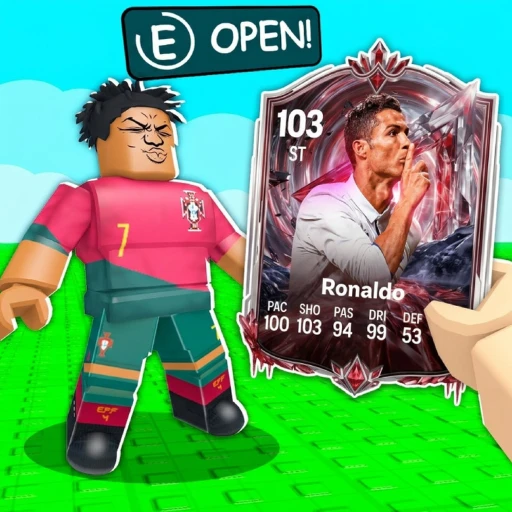
Two of 2026's biggest idle games on Roblox couldn't be more different under the hood. Spin a Soccer Card dropped in February 2026 from Pixellar Studios and already crossed 127 million visits by stacking soccer legends into a card-collecting grind with mutations, rebirths, and that familiar "one more spin" pull. Grow a Garden launched in March 2025, quietly grew roots, and then exploded past 21 billion visits with a peak of over 1 million concurrent players during its biggest updates. One game hands you card packs. The other hands you a plot of dirt. Both refuse to let you close the tab.
We spent hours in both games to compare them across gameplay, progression, monetization, community size, and replay value. Whether you're a soccer fan chasing a Rainbow Messi or a farmer growing rare crops for the trading market, this breakdown covers every category that matters as of July 2026.
Spin a Soccer Card vs Grow a Garden — Quick Stats (2026)
| Category | Spin a Soccer Card | Grow a Garden |
|---|---|---|
| Genre | Idle card collecting | Farming simulator |
| Place ID | 112490729816320 | 126884695634066 |
| Developer | Pixellar Studios | BMWLux / Splitting Point Studios |
| Total Visits | 127M+ | 21B+ |
| Peak Concurrent | 50K+ (estimated) | 1M+ (22.3M all-time record) |
| Core Loop | Buy packs, collect cards, rebirth | Plant seeds, grow crops, harvest, sell |
| Key Features | Mutations, rebirths, bank system | Seasons, pets, crop trading, events |
| Trading System | No player-to-player trading | Active crop & seed economy |
| Mobile-Friendly | Yes | Yes |
| Free-to-Play | Yes | Yes |
Gameplay — What Do You Actually Do?
Spin a Soccer Card
You start with a small amount of in-game cash, buy a Bronze pack, and place whatever card drops onto your plot. Each card generates passive income measured in cash per second. Your job is to buy better packs, collect higher-rarity cards, and watch your income climb. The card roster features real soccer icons like Messi, Ronaldo, Neymar, Mbappe, and Haaland, spread across 12 rarity tiers from Bronze commons all the way up to Divine and Mythical.
The real depth comes from mutations. Cards can roll random modifiers when they drop — Venomous, Cursed, Divine, and Rainbow are the rarest — and each mutation multiplies the card's earnings per second. A Rainbow Ronaldo generates dramatically more income than a base version of the same card. Hunting for these mutated drops is what keeps the grind compelling past the first few rebirths.
Your plot has limited space, so placement decisions matter. Do you fill every slot with common cards for steady income, or hold out for a few high-rarity mutated cards that generate more per slot? That tension between speed and optimization is where the strategy lives.
Grow a Garden
You start with a small garden plot and a handful of basic seeds. Plant them, wait for them to grow, harvest the crops, and sell everything for in-game currency called Sheckles. Use those Sheckles to buy better seeds, expand your plot, and repeat. The farming loop is simple to pick up but the economy underneath it runs surprisingly deep.
Crop variety is massive. Different seeds have different growth times, sell values, and rarity levels. Rare seeds produce crops worth significantly more, and some can only be obtained through trading or limited-time events. The Bizzy Bees update introduced pets that assist your garden — bees that pollinate crops, speed up growth, or boost harvest yields. The Blood Moon and Corruption events added seasonal mechanics that temporarily changed how the entire garden economy worked.
Trading is where the game transforms. Players exchange rare seeds, harvested crops, and gear through an active player-driven market. Community value lists track the going rate for top-tier items, and a well-timed trade can jump your progress by hours. You're not just farming for yourself — you're farming for the market.
Progression — How Quickly Does It Hook You?
Spin a Soccer Card hooks you within seconds. Your first pack opens immediately, cards land on your plot, and cash starts ticking up. The early game moves fast because Bronze and Silver packs are cheap and the income thresholds for your first few rebirths are low. The rebirth system is the backbone of progression: when your earnings hit a target, you reset all your cash and cards in exchange for a permanent +50% income multiplier and access to the next tier of packs. By Rebirth 2, you unlock the Bank — a vault that lets you preserve one card through a reset — which adds a layer of strategic decision-making to every rebirth.
The hook is clear: each rebirth makes the next cycle faster and opens better packs with higher-rarity potential. Progression is exponential. The downside is that the mid-game can feel repetitive once you've settled into the pack-open-rebirth loop and haven't hit a rare mutation in a while.
Grow a Garden has a slightly slower start. Your first seeds take real minutes to grow, and the initial plot feels small. But the game ramps up quickly once you reinvest your first few harvests into better seeds and plot expansions. The season pass system gives you a clear set of milestones to work toward, and daily quests reward consistent play with meaningful progress. Long-term, the trading economy provides a goal that doesn't cap out — there's always a rarer seed or a more valuable crop to chase.
Edge: Spin a Soccer Card for instant gratification. Grow a Garden for sustained long-term progression with more varied milestones.
Graphics and Audio
Spin a Soccer Card keeps visuals clean and functional. Card art is the star: each player card features stylized portraits with rarity-coded borders and mutation effects that glow and pulse. The plot layout is straightforward — a grid of card slots on a flat surface — and the UI prioritizes readability over flashiness. Pack-opening animations provide satisfying reveals, especially when a Divine or Mythical card drops. Audio is minimal but effective, with pack-opening sounds and cash register chimes that reinforce the dopamine loop.
Grow a Garden takes a completely different visual approach. The world is vibrant, colorful, and full of environmental detail. Crops grow through visible stages with distinct models for each growth phase. The garden itself transforms as you expand and plant different species, creating a visual progression that mirrors your in-game progress. Seasonal events redecorate the entire map — the Blood Moon update turned gardens eerie, while the Summer Update flooded plots with tropical colors. Pet animations add personality, and the ambient garden sounds create a relaxing atmosphere that suits long sessions.
Edge: Grow a Garden for visual depth and atmosphere. Spin a Soccer Card for clean, readable UI design.
Player Count and Community (July 2026)
The gap here is enormous, and it tells you a lot about where each game sits in the Roblox ecosystem. Grow a Garden has accumulated over 21 billion total visits and holds the record for one of the highest concurrent player counts in Roblox history — 22.3 million players online during the Summer Update in August 2025. As of May 2026, the game regularly maintains hundreds of thousands of concurrent players and continues to spike past 5 million during major content drops like the Bizzy Bees update.
Spin a Soccer Card crossed 127 million visits since its February 2026 launch, which is impressive for a game that's only three months old. It hasn't hit the million-CCU tier, but its growth trajectory mirrors the early days of other breakout idle games on the platform. The community is active on Discord and YouTube, with tier lists for card rarities and mutation probabilities driving engagement.
Both communities are welcoming to new players. Grow a Garden's community is larger and more established, with detailed wikis, Fandom pages, and third-party value trackers for its trading economy. Spin a Soccer Card's community is smaller but passionate, with players sharing rare mutation screenshots and rebirth milestone achievements.
Game Passes and Monetization
Spin a Soccer Card Game Passes
- VIP Pass: Grants exclusive perks including faster pack opening and bonus income multipliers. One of the more affordable passes in the Roblox idle genre.
- Auto Spin: Automates pack purchasing and opening, turning the game into a true AFK experience. Particularly useful for overnight progression.
- Extra Slots: Expands your plot size, allowing more cards to generate income simultaneously. A direct boost to earnings ceiling.
Grow a Garden Game Passes
- Season Pass — 749 Robux: Unlocks the premium reward track with exclusive seeds, cosmetics, and bonus quests for each season.
- Grow All Gear — 375 Robux: Instantly grows all planted crops, eliminating the primary time gate in the farming loop.
- Harvest Tool — 149 Robux: Harvests every fruit on a crop with one click, replacing the manual tap-per-fruit process.
Grow a Garden's monetization is more transparent with clearly posted Robux prices. The Season Pass at 749 Robux is the premium purchase, and it delivers significant value through exclusive rewards across an entire season. Spin a Soccer Card's passes focus on automation and efficiency — the Auto Spin pass, in particular, changes how you interact with the game entirely. Neither title locks essential content behind paywalls. Both are fully playable at zero cost, though passes accelerate the grind noticeably.
Edge: Grow a Garden for value per Robux spent. Spin a Soccer Card for quality-of-life automation.
Social Features
Grow a Garden has the clear advantage in social interaction. The trading system creates constant player-to-player engagement, and the garden itself serves as a social space that other players can visit and react to. Seasonal events often include cooperative mechanics that encourage playing alongside friends. The game's Discord community runs active trading channels with reputation systems, and content creators on YouTube and TikTok regularly produce garden showcases and trade guides.
Spin a Soccer Card is a more solitary experience by design. Your plot is your own, and the primary social element comes from comparing collections and mutation rolls with other players in the community rather than through in-game systems. There's no player-to-player trading, which keeps the economy cleaner but limits social interaction within the game itself. Discord and external communities fill the gap, but the in-game social layer is thinner.
Edge: Grow a Garden, by a wide margin, for social depth and in-game interaction.
Replay Value
Spin a Soccer Card's replay value hinges on the mutation RNG and the rebirth grind. Each rebirth cycle resets your progress but opens access to better packs, creating a loop that rewards patience and repetition. Hunting for rare mutations — especially Rainbow variants of top-tier player cards — provides a long-tail goal that collectors will chase for weeks. The downside is that the core loop doesn't change dramatically between rebirths. If you enjoy the satisfaction of incremental optimization, it's deeply engaging. If you need variety in mechanics, the repetition may wear thin after the mid-game.
Grow a Garden's replay value comes from multiple systems reinforcing each other. The season pass introduces new content on a regular schedule. The trading economy means your garden's output has social and economic value beyond your own progression. Seasonal events — Blood Moon, Bizzy Bees, Corruption, and the Summer Update — each introduce temporary mechanics that change how you play for their duration. Pet collecting adds another axis of progression entirely separate from farming. The variety of systems means you're rarely doing the same thing for long stretches.
Developers on both sides have demonstrated commitment to updates. Pixellar Studios has shipped content for Spin a Soccer Card consistently since launch. BMWLux and Splitting Point Studios have kept Grow a Garden updated for over a year with major content drops every few weeks. Both games have active futures ahead.
Earning Free Robux While You Play
Both of these games have built-in idle moments that pair well with earning Robux on the side. Spin a Soccer Card's passive income system means your cards generate cash even when you're tabbed out completing tasks. Grow a Garden's crop growth timers create natural windows between planting and harvesting. Check out the Spin a Soccer Card free Robux guide and Grow a Garden free Robux guide for game-specific earning strategies.
Earn Free Robux for Spin a Soccer Card or Grow a Garden
Complete simple tasks on Earnaldo and withdraw real Robux — no downloads, no generators, no scams.
Head-to-Head Verdict — Spin a Soccer Card vs Grow a Garden in 2026
The Verdict
Choose Spin a Soccer Card if you want a focused, fast-paced idle experience built around card collecting and the thrill of rare pulls. The mutation system and rebirth loop create a satisfying grind for players who love incremental optimization and don't need a social trading layer. Soccer fans will appreciate the real player roster, and the short session structure works well for quick play sessions.
Choose Grow a Garden if you want a deeper, community-driven experience with trading, seasonal events, pets, and an economy that rewards long-term investment. Its 21 billion visits and record-breaking player counts speak for themselves — this is one of the most successful Roblox games ever made, and the content pipeline shows no signs of slowing down.
Overall: Grow a Garden wins on scale, depth, and community features. Spin a Soccer Card wins on simplicity and instant gratification. If you want a quick idle grind with collectible appeal, Spin a Soccer Card delivers. If you want a game you'll still be playing months from now with an active economy and constant new content, Grow a Garden is the stronger pick. Both are free, both work on mobile, and both are worth trying — they scratch very different itches.
Who Should Play What?
- You love collecting rare items: Spin a Soccer Card. The mutation system and 12 rarity tiers make every pack opening a potential jackpot.
- You want a deep trading economy: Grow a Garden. Player-to-player trading with community value lists creates real market dynamics.
- You're a soccer fan: Spin a Soccer Card. Collecting cards of Messi, Ronaldo, Haaland, and Mbappe hits different if you follow the sport.
- You enjoy seasonal events and fresh content: Grow a Garden. Major updates every few weeks keep the experience changing.
- You prefer true AFK gameplay: Spin a Soccer Card. Cards generate income passively, and the Auto Spin pass makes it fully hands-off.
- You want to earn Robux while playing: Both pair well with Earnaldo. Check our Spin a Soccer Card codes and Grow a Garden codes for free in-game rewards, and browse the best Roblox games in 2026 for more options.
Frequently Asked Questions
Is Spin a Soccer Card or Grow a Garden more popular on Roblox in 2026?
Grow a Garden is significantly more popular by every metric. It has over 21 billion total visits and peaked at 22.3 million concurrent players during its Summer Update. Spin a Soccer Card has reached 127 million visits since launching in February 2026, which is strong growth for a new title but a fraction of Grow a Garden's scale.
Which game is better for earning free Robux?
Both games have idle mechanics that create natural downtime for earning. Spin a Soccer Card's passive income system generates cash while you're away from the screen. Grow a Garden's crop growth timers give you windows between planting and harvesting. Either game works well with Earnaldo — pick whichever you enjoy more for longer play sessions.
Can you play Spin a Soccer Card and Grow a Garden on mobile?
Yes. Both games run smoothly on mobile through the Roblox app on iOS and Android. Neither requires fast reflexes or complex controls. Spin a Soccer Card's tap-to-open-packs interface and Grow a Garden's tap-to-plant-and-harvest mechanics are both well-suited to touchscreens.
Does Spin a Soccer Card have trading like Grow a Garden?
No. Spin a Soccer Card doesn't currently offer player-to-player trading. Your card collection is personal, and progression is driven by pack opening and mutations rather than market exchanges. Grow a Garden has an active trading economy with community-maintained value lists and dedicated trading channels on Discord.
Which game has better game passes?
Grow a Garden offers more variety and clearer value with its Season Pass (749 Robux), Grow All gear (375 Robux), and Harvest Tool (149 Robux). Spin a Soccer Card has a VIP pass and Auto Spin automation. Neither game requires purchases to progress, but both offer passes that meaningfully speed up the grind.
Is Spin a Soccer Card or Grow a Garden better for younger players?
Both games are safe for younger players. Neither features combat, PvP, or competitive pressure. Spin a Soccer Card's pack-opening loop is straightforward and easy to understand. Grow a Garden's planting-and-harvesting cycle teaches basic planning and resource management. Both operate within Roblox's platform moderation and safety systems.