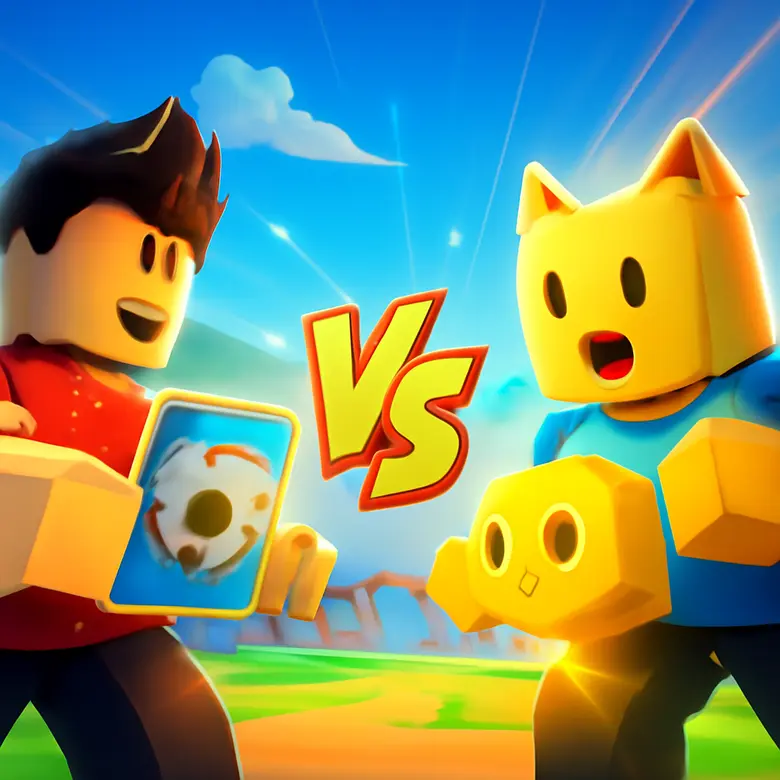
Spin a Soccer Card vs Pet Simulator 99 (2026) -- Which Is Better?
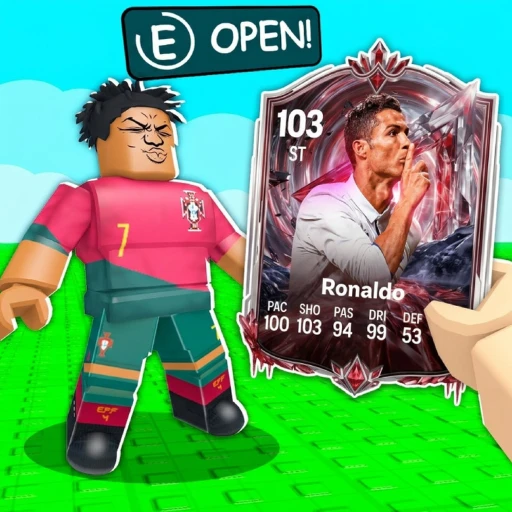
Two of the biggest idle-collection games on Roblox right now take completely different approaches to the same addictive formula. Spin a Soccer Card lets you build a dream squad of real-world football legends, while Pet Simulator 99 throws you into a massive world of collectible creatures. Both games pull you in with that satisfying loop of collecting, upgrading, and watching numbers climb -- but which one actually deserves your time in 2026?
We spent dozens of hours in both games, pushed through multiple rebirths in Spin a Soccer Card and grinded through late-game worlds in Pet Simulator 99. This comparison breaks down everything that matters: gameplay depth, progression systems, free-to-play friendliness, community size, and long-term staying power.
Whether you are a football fanatic looking for your next Roblox obsession or a Pet Simulator veteran wondering if the new card-collecting game is worth switching to, this head-to-head breakdown will help you decide where to invest your time. And if you want free Robux to spend in either game, check out our guides for Spin a Soccer Card and Pet Simulator 99.
Quick Stats: Spin a Soccer Card vs Pet Simulator 99
Before we get into the details, here is a side-by-side snapshot of where both games stand right now. These numbers tell an interesting story about two games at very different stages of their lifecycle.
| Category | Spin a Soccer Card | Pet Simulator 99 |
|---|---|---|
| Developer | Pixellar Studios | BIG Games |
| Place ID | 112490729816320 | 8737899170 |
| Concurrent Players | ~22,000 | ~40,000+ |
| Total Visits | 7.7M+ | 10B+ |
| Launch Date | February 2026 | 2023 (ongoing updates) |
| Genre | Idle Card Collecting | Pet Collecting / Idle |
| Theme | Real Soccer Stars | Fantasy Pets |
| Progression System | Rebirth-based | World-based |
| Trading | Limited | Full Trading System |
| Codes | Weekly rotation | Regular updates |
| Game Passes | Minimal | Multiple (Auto-Farm, Lucky, Triple Damage) |
The numbers paint a clear picture: Pet Simulator 99 is the established giant with billions of visits, while Spin a Soccer Card is the fast-growing newcomer that has already built a strong player base in just two months. Both are pulling serious concurrent numbers, which means active development and regular updates for the foreseeable future.
Gameplay and Core Loop
The fundamental question with any idle game is whether the core loop stays satisfying after the initial honeymoon period wears off. Both games nail the basics, but they approach the collect-and-upgrade formula from different angles.
Spin a Soccer Card
Spin a Soccer Card builds its entire identity around real-world football. You earn cash passively and from playing, then spend that cash on card packs. Each pack can contain players like Messi, Ronaldo, Mbappe, and hundreds of other real soccer stars. Once you pull a card, you place it in your collection area where it generates even more income.
The loop is clean and easy to understand: earn cash, buy packs, place cards, earn more cash, buy better packs. There is a satisfying rhythm to it, especially when you hit a rare pull. The game layers on complexity gradually through its mutations system. Cards can roll with special mutations like Venomous, Blessed, Rainbow, or Divine -- each one dramatically increasing the card's value and earnings potential. Landing a Divine Messi or a Rainbow Ronaldo is the kind of moment that keeps you opening pack after pack.
The Rebirth system adds long-term depth. When you rebirth, you reset your progress in exchange for permanent multipliers and new content. Reaching Rebirth 2 unlocks the Bank, which opens up a whole new layer of resource management. It is a proven progression mechanic that gives you reasons to keep playing well beyond the first few hours.
Pet Simulator 99
Pet Simulator 99 takes a broader approach. You collect pets by hatching eggs, then use those pets to break coins and open chests across multiple themed worlds. The variety is staggering -- there are over 1,000 different pets in the game, ranging from common critters to incredibly rare Huge pets that players spend weeks or months trying to obtain.
The core loop revolves around hatching, upgrading, and deploying your strongest pets to smash through obstacles and earn currencies. As you progress, you unlock new worlds with tougher challenges and better rewards. Each world introduces new egg types with exclusive pets, keeping the pool of collectibles constantly expanding.
What sets Pet Simulator 99 apart is the depth of its pet management. You can fuse pets together, evolve them through rarity tiers, and build teams optimized for different tasks. The trading system adds a whole social and economic layer that Spin a Soccer Card currently lacks. Huge pets in particular have become a secondary economy within the game, with some trades involving significant real-world-equivalent value.
Edge: Tie. Spin a Soccer Card wins on simplicity and the thrill of pulling real football stars. Pet Simulator 99 wins on sheer variety and the depth of its pet management systems. Your preference depends on whether you want a focused, theme-driven collector or a sprawling creature-collecting sandbox.
Progression and Depth
A great idle game needs to keep you chasing the next milestone for weeks or months. Both titles deliver on this front, but the structure of that progression feels markedly different.
Spin a Soccer Card's Rebirth System
The Rebirth mechanic in Spin a Soccer Card is the backbone of its long-term progression. Each time you rebirth, you sacrifice your current collection and earnings in exchange for permanent boosts that make your next run faster and more rewarding. It is a classic prestige system, and Pixellar Studios has implemented it well.
The first rebirth feels like a significant milestone. You have spent time building up a collection, and choosing to wipe it all for a multiplier requires a small leap of faith. But once you see how much faster the second run goes, the system clicks. Rebirth 2 is especially meaningful because it unlocks the Bank, which gives you a way to store and invest your currency for better returns. This transforms the game from a straightforward collector into something with actual financial strategy.
Beyond the Bank, each rebirth level unlocks new pack tiers, new mutation possibilities, and higher earning ceilings. The mutations themselves -- Venomous, Blessed, Rainbow, and the coveted Divine -- create a compelling rarity chase that keeps pack openings exciting no matter how many you have done.
Pet Simulator 99's World System
Pet Simulator 99 structures its progression around unlocking new worlds. Each world costs more currency to access than the last, and each one contains exclusive eggs, pets, and challenges. This creates a clear sense of forward momentum: you always know what you are working toward, and reaching a new world feels like a genuine accomplishment.
The pet rarity system adds vertical progression on top of the horizontal world expansion. Every pet exists on a spectrum from common to mythical, and fusing duplicates together lets you climb that ladder. The result is a dual-track progression system where you are simultaneously pushing forward into new content and refining the strength of your existing collection.
BIG Games also runs regular limited-time events that introduce exclusive pets and temporary worlds. These events create urgency and give veteran players a reason to log in even after they have cleared all the permanent content. The game has been running this playbook for years, and the pipeline of new content shows no signs of slowing down.
Edge: Pet Simulator 99. The world-based system combined with the pet evolution mechanics and regular events gives Pet Sim 99 a deeper progression path. Spin a Soccer Card's rebirth system is solid and satisfying, but it is still early in its content lifecycle and has fewer long-term milestones to chase.
Economy and Free-to-Play Experience
Both games are free to play, but the way they handle monetization and in-game economies has a big impact on how the average player experiences the game day to day.
Spin a Soccer Card's Approach
Spin a Soccer Card takes a relatively hands-off approach to monetization. The game is designed so that free players can access essentially all of the content through normal play. Cash generation is balanced around the assumption that most players are not spending Robux, and the rebirth system ensures that every player -- paying or free -- resets on somewhat equal footing regularly.
Weekly code rotations are a standout feature. Every week, Pixellar Studios releases new codes that give free players a meaningful boost. These codes typically provide cash, free packs, or temporary multipliers. Staying on top of the latest codes is almost like a mini-game in itself, and it rewards engaged community members with tangible progress. For the latest codes and earning strategies, check out our Spin a Soccer Card free Robux guide.
Because the game launched recently, its economy is still relatively simple and unbloated. New players can jump in right now and feel like they are on a level playing field with everyone else. That window will not stay open forever as the game matures, so there is genuine value in starting early.
Pet Simulator 99's Approach
Pet Simulator 99 has a more aggressive monetization structure, which is understandable given its maturity and the scale of content it offers. Multiple game passes are available: Auto-Farm automates the grinding process, Lucky increases your odds of hatching rare pets, and Triple Damage makes your pets significantly stronger. Each pass costs Robux, and while none of them are strictly required, the advantages they provide are substantial.
The trading economy adds another dimension entirely. Because players can exchange pets freely, a complex market has developed around rare pets -- particularly Huge variants. For dedicated players, understanding trade values and making smart deals can accelerate progress faster than any game pass. But for newer players, the economy can feel intimidating and opaque.
Free players in Pet Simulator 99 can still make meaningful progress, but the gap between a fully-kitted paying player and a free player is wider than in Spin a Soccer Card. The Auto-Farm pass alone fundamentally changes the gameplay experience by letting you progress while AFK. For tips on earning Robux to bridge that gap, see our Pet Simulator 99 free Robux guide.
Edge: Spin a Soccer Card. The newer game offers a more balanced free-to-play experience with weekly codes and a simpler economy. Pet Simulator 99 is still perfectly playable for free, but its game passes create a more noticeable divide between paying and non-paying players.
Community and Social Features
The size and engagement of a game's community directly impacts your experience. A bigger community means more content creators covering the game, more active servers, and a greater sense of shared excitement around updates.
Community Size
Pet Simulator 99 has the undeniable advantage of scale. With over 10 billion total visits and consistent concurrent numbers above 40,000 players, it is one of the most popular games on the entire Roblox platform. The community around it is massive: thousands of YouTube videos, active Discord servers, dedicated trading platforms, and an established creator ecosystem.
Spin a Soccer Card is the underdog in raw numbers, but its growth trajectory is impressive. Reaching 22,000 concurrent players and 7.7 million visits within two months of launch puts it on a path that few Roblox games achieve. The community is smaller but extremely active, and there is an energy around new games that mature titles struggle to replicate. Everyone is discovering things together, strategies are still being developed, and the meta has not calcified yet.
Social Features
Pet Simulator 99's trading system is its strongest social feature. Trading creates natural interactions between players, drives community discussion around values, and gives people a reason to seek each other out. The Huge pet economy has spawned entire communities dedicated to tracking values, negotiating trades, and cataloguing rare finds. For the latest updates and codes, our Pet Simulator 99 codes page keeps you covered.
Spin a Soccer Card currently lacks a robust trading system, which limits player-to-player interaction within the game itself. The social experience is more about shared progression -- comparing collections, racing to new rebirth milestones, and reacting to rare pulls in chat. The football theme also gives players a shared language and cultural touchpoint that generic pet-collecting games cannot match. Pulling a Divine Ronaldo and showing it off in a server hits different when everyone in the room knows exactly who that player is.
Edge: Pet Simulator 99. The trading system and the sheer size of the community give Pet Sim 99 a clear advantage in social features. Spin a Soccer Card's football theme creates natural conversation, but it needs a trading system or more social mechanics to compete on this front.
Content Volume and Variety
How much stuff is there to do in each game? This matters for both short sessions and long-term retention.
Spin a Soccer Card
The content in Spin a Soccer Card is focused and thematic. The card roster includes hundreds of real soccer players from leagues around the world. Combined with the four mutation types -- Venomous, Blessed, Rainbow, and Divine -- the total number of unique card variants is substantial. Each mutation changes the card's appearance and dramatically alters its stats, so pulling the same player with different mutations feels like getting a genuinely different item.
The pack system offers multiple tiers, each with different pull rates and player pools. As you progress through rebirths, new pack tiers become available, constantly expanding what you can collect. The Bank system at Rebirth 2 adds resource management gameplay that complements the core collecting loop.
Given that the game launched in February 2026, the current content volume is solid for a game this young. Pixellar Studios has been updating consistently, and the weekly code rotations suggest an active development pipeline. The football theme also gives the developers a natural content roadmap -- new leagues, transfer windows, and real-world events all provide opportunities for themed updates.
Pet Simulator 99
Pet Simulator 99 is a content behemoth. Over 1,000 pets spread across multiple worlds, each with unique visual designs and rarity tiers. The sheer volume of collectibles is overwhelming in the best way. No matter how long you play, there is always another rare pet you have not obtained, another world you have not fully explored, or another limited-time event exclusive that slipped past you.
The world variety is notable. Each area has its own visual theme, enemy types, and progression challenges. Moving from one world to the next genuinely feels like entering a new game, which helps combat the repetitiveness that can plague idle games. The regular update schedule means that the content ceiling keeps rising, and BIG Games has years of experience in pacing those additions to maintain player interest.
Limited-time events deserve special mention. These temporary additions often introduce some of the rarest and most valuable pets in the game. They create a sense of urgency that drives engagement spikes and give veteran players something fresh to chase even after clearing all permanent content. The event schedule is reliable enough that players can plan around it.
Edge: Pet Simulator 99. Three years of development versus two months makes this an unfair comparison, but the reality is that Pet Sim 99 has vastly more content right now. Spin a Soccer Card is building its library quickly, but it cannot match the volume of a game that has been expanding for years.
Visual Design and Performance
Both games run on Roblox, so they share the same underlying engine limitations and capabilities. But the art direction and performance optimization vary significantly.
Spin a Soccer Card
Spin a Soccer Card uses a clean, card-focused aesthetic that works well within the Roblox engine. The card designs are the visual centerpiece, and Pixellar Studios has done a strong job making each mutation type feel visually distinct. Divine cards in particular have a presence that makes them instantly recognizable in your collection. The UI is straightforward and readable, which matters for a game where you spend a lot of time navigating menus and managing collections.
Performance-wise, Spin a Soccer Card runs smoothly even on lower-end devices. The card-based gameplay does not require the same level of environmental rendering as open-world games, which translates to stable frame rates and fast load times. This is a practical advantage for players on mobile or older hardware.
Pet Simulator 99
Pet Simulator 99 is visually busier and more colorful. The pet designs range from adorable to absurd, and the world environments are detailed and varied. When you have dozens of pets deployed simultaneously, the screen becomes a chaotic explosion of particles and effects. It is visually exciting but can be overwhelming, especially for new players trying to understand what is happening.
The visual density comes at a performance cost. Pet Simulator 99 is more demanding on hardware, particularly in crowded servers where multiple players have their full pet armies deployed. Mobile players may experience frame drops in late-game areas or during events. BIG Games has optimized over time, but the game's complexity means it will always be more resource-intensive than simpler alternatives.
Edge: Spin a Soccer Card. Cleaner visual design and better performance across devices. Pet Simulator 99 is more visually spectacular but demands more from your hardware, and the visual noise can be disorienting.
Update Frequency and Developer Support
A game is only as good as its development team's commitment to keeping it fresh. Both studios have shown strong dedication, but their approaches differ.
Pixellar Studios (Spin a Soccer Card)
Pixellar Studios has been remarkably active since the February 2026 launch. Weekly code rotations are the most visible sign of ongoing support, but behind the scenes, the team has been shipping gameplay updates, balance changes, and new content at a pace that suggests a well-resourced development operation. The game's rapid growth to 22,000 concurrent players indicates that these updates are resonating with the player base.
The weekly code system is worth highlighting as a developer support strategy. It creates a regular cadence of engagement that keeps the community checking back. Players who stay connected through social channels and community spaces are rewarded for their loyalty, which builds a healthier long-term relationship between developer and player base.
BIG Games (Pet Simulator 99)
BIG Games is one of the most experienced studios on Roblox. Their track record with the Pet Simulator franchise spans multiple successful titles, and they have refined their update strategy over years of iteration. Pet Simulator 99 receives substantial content updates that introduce new worlds, pet types, and gameplay features on a regular schedule.
The studio's experience shows in the quality of their event design. Limited-time events are well-paced, properly rewarding, and create genuine excitement in the community. BIG Games also communicates actively through social media and Discord, maintaining transparency about upcoming features and addressing community feedback.
Edge: Tie. Both developers are actively supporting their games. Pixellar Studios is punching above its weight for a new studio, while BIG Games brings years of proven experience. Players of either game can feel confident that new content is on the way.
Which Game Has Better Long-Term Value?
If you can only invest time in one of these games, long-term value is the deciding factor. Where will your hundreds of hours feel best spent?
Pet Simulator 99 has the proven track record. It has maintained a massive player base for years, the economy is deep enough to sustain long-term engagement, and BIG Games has demonstrated that they can keep the content pipeline flowing. If you want certainty that your investment will be supported for years to come, Pet Sim 99 is the safer bet.
Spin a Soccer Card has the newcomer advantage. Getting into a game early means your progress will always be ahead of the curve. As the game grows and adds content, early players benefit from compounding their head start. The football theme gives it a unique identity that should help it maintain relevance, especially during major real-world football events. The rebirth system also means that skilled play and strategic decision-making can create meaningful separation between players.
There is also the question of market timing. Pet Simulator 99 has over 10 billion visits, which means the majority of the Roblox audience has already tried it. Spin a Soccer Card, at 7.7 million visits, is still in its discovery phase. If the game continues its growth trajectory, early adopters will be well-positioned.
Edge: Pet Simulator 99 for guaranteed longevity. Spin a Soccer Card for upside potential and early-mover advantage.
Final Verdict
There is no universally correct answer here -- these games serve different players with different priorities. Pet Simulator 99 is the mature, content-rich choice with a massive community, deep trading economy, and years of proven support. It is the game you choose when you want the biggest, most established idle-collector on Roblox. Spin a Soccer Card is the focused, fast-growing alternative with a unique football theme, a cleaner free-to-play experience, and the excitement of a game that is still defining itself. It is the game you choose when you want something fresh, thematic, and rewarding from day one. Both games are excellent at what they do. If you have the time, play both. If you have to pick one, let the sections below guide your decision.
Who Should Play What?
Still undecided? Here is a straightforward breakdown based on player type:
- Play Spin a Soccer Card if you love football and want to collect cards featuring real players like Messi and Ronaldo.
- Play Spin a Soccer Card if you prefer a clean free-to-play experience without pressure to buy game passes.
- Play Spin a Soccer Card if you like getting in on games early before the meta is settled and the community is established.
- Play Spin a Soccer Card if you enjoy rebirth-style prestige systems that reward strategic resets.
- Play Spin a Soccer Card if you want a game that runs smoothly on mobile and lower-end devices.
- Play Pet Simulator 99 if you want the biggest variety of collectibles with over 1,000 pets to discover.
- Play Pet Simulator 99 if you enjoy player-to-player trading and participating in a live economy.
- Play Pet Simulator 99 if you want a game with a proven multi-year track record and a massive community.
- Play Pet Simulator 99 if you like limited-time events that create urgency and exclusive rewards.
- Play Pet Simulator 99 if you are looking for the deepest possible progression system with multiple advancement paths.
- Play both if you have the time -- they scratch different itches and complement each other well.
Earn Free Robux for Either Game
Whether you pick Spin a Soccer Card, Pet Simulator 99, or both -- free Robux makes the experience better. Earn Robux through Earnaldo and spend it on packs, game passes, or anything else you need.
Frequently Asked Questions
Spin a Soccer Card is generally better for beginners. Its core loop of earning cash, buying packs, and placing cards is straightforward and easy to learn. You can understand the entire game within your first play session, and the weekly codes give new players a helpful boost.
Pet Simulator 99 has a steeper learning curve due to its massive pet roster, complex trading economy, and multiple worlds to navigate. New players can feel lost trying to understand pet values, optimal hatching strategies, and which game passes matter most. That said, the in-game tutorials have improved over time.
Pet Simulator 99 has a significantly larger player base with around 40,000 or more concurrent players and over 10 billion total visits. It is one of the top games on the entire Roblox platform and has maintained its popularity for years.
Spin a Soccer Card averages roughly 22,000 concurrent players with 7.7 million-plus visits. These are strong numbers for a game that only launched in February 2026. Its growth rate suggests it could continue climbing, but it is currently about half the size of Pet Sim 99 in concurrent players.
Pet Simulator 99 features a well-established trading system where players exchange pets freely. Huge pets are extremely valuable and drive most high-level trades. The trading economy is deep, with community-created value lists and dedicated trading servers.
Spin a Soccer Card focuses more on solo card collection and placement rather than player-to-player trading. While the game may introduce trading features in the future, the current experience is built around individually building your collection through packs and the rebirth system.
Neither game requires Robux to play, but Pet Simulator 99 has more premium options that provide meaningful advantages. Game passes like Auto-Farm, Lucky, and Triple Damage give paying players a noticeable edge in progression speed and earning potential.
Spin a Soccer Card can be enjoyed fully without spending any Robux. The weekly codes provide free resources that keep non-paying players competitive. If you do want to spend Robux in either game, you can earn free Robux through Earnaldo to bridge the gap.
Spin a Soccer Card uses a Rebirth system where you reset your progress for permanent bonuses and new content. Key milestones include unlocking the Bank at Rebirth 2, which adds resource management mechanics. The mutations system (Venomous, Blessed, Rainbow, Divine) creates additional rarity layers to chase.
Pet Simulator 99 progresses through a world-based system where you unlock new areas, hatch stronger pets, and climb rarity tiers through fusion. The game also features regular limited-time events with exclusive pets. Both offer deep long-term progression, but Pet Sim 99 currently has more total content due to its longer development history.
Yes, both developer teams are active and responsive. Spin a Soccer Card rotates codes on a weekly basis and has been shipping gameplay updates consistently since its February 2026 launch. Pixellar Studios has shown strong commitment to keeping the game fresh.
Pet Simulator 99 receives regular updates introducing new worlds, pets, and limited-time events. BIG Games has years of experience running the Pet Simulator franchise and maintains a reliable content pipeline. Both games reward players who stay engaged with their communities for the latest codes and update announcements.